As the dramatic conclusion of The Traitors Season 4 approaches with its highly anticipated finale, the Faithfuls who have been banished or murdered from Alan Cumming’s Scottish castle are now reflecting on their challenging and often bewildering journey through the high-stakes social deduction game. The hit Peacock series, renowned for its intricate psychological gameplay and celebrity cast, is set to reveal its ultimate winners and losers, prompting those who departed early to recount their experiences of suspicion, alliance, and betrayal.

The Traitors Phenomenon: A Global Sensation
The Traitors, an American adaptation of a Dutch format, has rapidly cemented its status as a must-watch reality competition, captivating audiences with its unique blend of strategy, psychology, and celebrity drama. Hosted by the flamboyant and ever-enigmatic Alan Cumming, the series pits a group of well-known personalities against each other in a game of trust and deception. A select few are secretly designated as "Traitors," tasked with "murdering" Faithfuls without being discovered, while the majority "Faithfuls" must identify and banish the Traitors before they are all eliminated.
The show’s rise to prominence was notably swift, becoming an internet sensation during its second season and solidifying its place as weekly "water cooler" conversation by its third, which aired earlier this year. Its appeal lies in its ability to tap into fundamental human elements of trust, paranoia, and the thrill of outsmarting opponents, all amplified by a cast of familiar faces from other reality television franchises and diverse professional backgrounds. The picturesque Scottish castle setting adds to the show’s distinctive atmosphere, making it a unique entry in the crowded reality TV landscape.

A Star-Studded Cast Navigates Deception
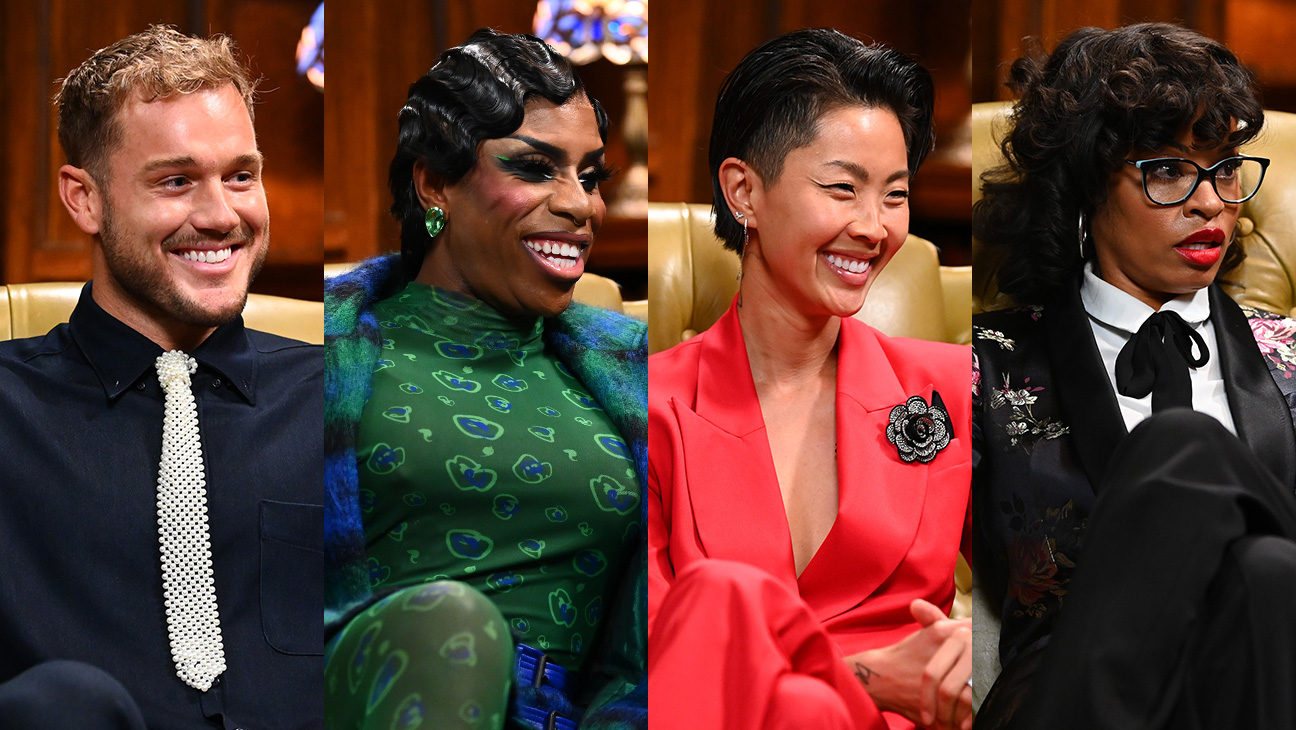
The Traitors Season 4 assembled an eclectic and prominent cast, drawing from a wide spectrum of entertainment and sports. The roster included reality television staples such as Candiace Dillard Bassett (The Real Housewives of Potomac), Caroline Stanbury (The Real Housewives of Dubai), Dorinda Medley (The Real Housewives of New York City), Lisa Rinna (The Real Housewives of Beverly Hills), Porsha Williams (The Real Housewives of Atlanta), and Monét X Change (RuPaul’s Drag Race).
The cast also featured veterans of competitive reality shows like Colton Underwood (The Bachelor), Ian Terry (Big Brother), Rob Cesternino (Survivor), Natalie Anderson (Survivor), Tiffany Mitchell (Big Brother), and Yamil “Yam Yam” Arocho (Survivor). Completing the diverse ensemble were figures from sports and culture: Donna Kelce (mother to NFL stars Travis and Jason Kelce), Eric Nam (K-pop singer-songwriter), Johnny Weir (Olympic figure skater), Kristen Kish (Top Chef), Mark Ballas (Dancing with the Stars), Maura Higgins (Aftersun: Love Island USA), Michael Rapaport, Rob Rausch (Love Island USA), Ron Funches, Stephen Colletti (One Tree Hill), and Tara Lipinski (Olympic figure skater). This blend of personalities often creates intriguing dynamics, as contestants’ pre-existing public images and reality TV experience influence their gameplay and perceptions within the castle.

The Web of Deceit: Traitors and Twists in The Traitors Season 4
The initial selection of Traitors is always a pivotal moment, setting the stage for the season’s unfolding drama. For The Traitors Season 4, the original clandestine trio consisted of Candiace Dillard Bassett, Rob Rausch, and Lisa Rinna. A significant twist introduced a "secret Traitor" in the form of Donna Kelce, adding an unprecedented layer of complexity and paranoia from the outset. This twist immediately heightened the stakes, forcing both Traitors and Faithfuls to question every interaction and subtle cue.
The game saw several dramatic shifts as the season progressed. Candiace Dillard Bassett, Lisa Rinna, and Donna Kelce were all ultimately identified and voted off during tense roundtable discussions, highlighting the Faithfuls’ capacity for deduction, even amidst rampant misdirection. Natalie Anderson was among the most recent Faithfuls to exit the castle, just prior to the finale. As the game wore on, the Traitors, under pressure, strategically enlisted Eric Nam, a seasoned K-pop industry veteran, to join their ranks, demonstrating the adaptability and cunning required to survive in the game’s later stages. This mid-game recruitment often proves to be a critical turning point, either bolstering the Traitors’ power or introducing new vulnerabilities.

The Road to the Finale: Who Remains?
As the highly anticipated finale looms, only six contestants remain in contention for the coveted prize pot. The final group comprises Eric Nam, Johnny Weir, Mark Ballas, Maura Higgins, Rob Rausch, and Tara Lipinski. With the game reaching its climax, the tension is palpable, as each player grapples with the lingering questions of trust and betrayal.
The finale is expected to open with the revelation of the season’s final murder, a customary and dramatic element designed to thin the ranks further before the ultimate confrontation. This final act of deception will be unveiled in front of all remaining contestants, undoubtedly fueling renewed suspicion and strategic maneuvering. Potential victims of the Traitors’ last wrath include Johnny Weir, Mark Ballas, Maura Higgins, and Tara Lipinski, whose elimination would significantly alter the dynamics of the final roundtable and the overall outcome of The Traitors Season 4.

Reflections from the Castle’s Exiles
For the Faithfuls who have been banished or "murdered" from the castle, their departure from The Traitors Season 4 offers a unique opportunity for reflection. Many express a profound sense of hindsight, often realizing too late the true identities of the Traitors or the machinations that led to their own downfall. Common sentiments among these former contestants include feelings of betrayal, particularly when learning that trusted allies were, in fact, Traitors, or when their own earnest attempts to expose deception were misinterpreted.
The psychological toll of the game is frequently cited, with players recounting the constant paranoia, the struggle to differentiate genuine alliances from strategic ploys, and the emotional weight of banishing someone they believed to be a Traitor, only to discover they were wrong. Some Faithfuls find vindication in seeing Traitors eventually exposed, while others grapple with the lingering frustration of being eliminated despite their unwavering loyalty to the Faithful cause. These reflections underscore the unique and often brutal nature of The Traitors, where a participant’s integrity can become a weapon against them.

Broader Impact and Cultural Resonance
The Traitors Season 4 has not only delivered high-octane entertainment but has also cemented its role in shaping contemporary reality television. The show’s intricate gameplay and compelling character arcs have consistently driven online discussion, with fans dissecting every move, alliance, and misstep across social media platforms. This fervent engagement transforms each episode into a communal experience, fostering widespread speculation and debate over who the Traitors are and how the Faithfuls might prevail.
The series stands out in a crowded market by blending the strategic depth of games like Survivor and Big Brother with the interpersonal drama inherent in The Real Housewives franchise. This hybrid appeal draws a diverse viewership, ranging from dedicated reality TV enthusiasts to new audiences intrigued by the show’s psychological depth and celebrity cast. The Traitors demonstrates the enduring power of social deduction as a narrative device, proving that the human drama of trust and betrayal remains a compelling draw for audiences worldwide.

The Aftermath: Reunion and Beyond
Following the dramatic conclusion of The Traitors Season 4 and the crowning of its ultimate victor(s), the journey for the contestants is far from over. A highly anticipated reunion special is scheduled to air at 7 p.m. PT on Peacock, promising a crucial opportunity for all participants—both Faithfuls and Traitors—to reconvene and address the events of the season.
These reunions often serve as a platform for unresolved confrontations, explanations, and emotional debriefings, allowing players to air grievances, offer apologies, and finally gain full clarity on the deception that unfolded. For the eliminated Faithfuls, it provides a chance to confront the Traitors who orchestrated their downfall and to share their post-game perspectives. For the Traitors, it’s an opportunity to reveal their strategies and justify their ruthless gameplay. The reunion not only offers closure for the cast but also provides viewers with deeper insights into the complex dynamics that defined The Traitors Season 4, ensuring its legacy as a memorable chapter in the franchise’s rapidly expanding narrative.