Colombia’s fragile peace process is being tested as former soldiers step forward to confess their involvement in grave human rights abuses, specifically extrajudicial killings known as "falsos positivos," offering a painful but necessary reckoning for victims’ families. This profound act of accountability, unfolding within the framework of the Special Jurisdiction for Peace (JEP), represents a critical juncture in the nation’s long and arduous journey toward healing after more than five decades of internal armed conflict. The 2016 peace agreement, which formally concluded hostilities between the state and the FARC-EP rebels, marked a significant milestone, yet the sustained implementation of peace has proven to be a far more intricate undertaking than the signing of accords.
The episode shines a stark light on the "falsos positivos," a brutal tactic employed by elements of the national army. Under this strategy, innocent civilians were executed and subsequently presented as fallen combatants in clashes. The objective was to inflate kill counts, thereby bolstering statistics and demonstrating perceived success in the fight against insurgent groups. The testimonies of former soldiers admitting their roles in these assassinations to the victims’ families underscore the immense human cost of this era and the deep scars left on Colombian society.
The Special Jurisdiction for Peace (JEP), established as a cornerstone of the peace agreement, provides the legal and procedural architecture for these confessions. This transitional justice mechanism is designed to address the most serious human rights violations committed during the conflict. It operates with a victim-centered approach, ensuring due process while prioritizing truth, justice, and reparation for those who have suffered. The JEP’s mandate extends to investigating, prosecuting, and sanctioning individuals bearing the greatest responsibility for these atrocities.
Within the JEP’s framework, two distinct pathways are available to those accused of war crimes. The restorative process is designed for individuals who voluntarily acknowledge their responsibility, offer full and unvarnished truth about their actions, and commit to reparations and guarantees of non-repetition. For those who do not cooperate or remain unrepentant, an adversarial process is initiated, leading to more stringent judicial outcomes. This bifurcated system aims to encourage confession and accountability while still ensuring justice for perpetrators who resist reconciliation.
Currently, the JEP is processing an immense caseload, with over 17,000 individuals appearing before the tribunal. This figure encompasses a broad spectrum of actors, including former FARC-EP combatants, members of the national armed forces, and civilian third parties implicated in the conflict. The jurisdiction has already issued indictments for individuals deemed to bear maximum responsibility for war crimes and crimes against humanity. Furthermore, it has delivered both restorative and adversarial sentences, and in some instances, has conditionally waived criminal prosecution for participants whose roles were deemed less central to the perpetration of atrocities.
The "falsos positivos" scandal first gained widespread attention in the mid-2000s, revealing a systemic issue that had been festering for years. Investigations revealed that military units, under pressure to meet recruitment and combat quotas, resorted to abducting and killing civilians. These victims, often from marginalized communities, were then transported to conflict zones, dressed in military uniforms, and presented as guerrillas killed in action. The ensuing cover-ups and the systematic manipulation of casualty figures hid the true nature of these atrocities from the public and the international community for an extended period.
The revelations sent shockwaves through Colombian society and drew international condemnation. Human rights organizations played a crucial role in documenting and exposing these abuses, pushing for accountability and justice for the victims. The scale of the problem necessitated a robust response, leading to the inclusion of a comprehensive transitional justice component within the peace agreement, which ultimately gave birth to the JEP. This commitment to confronting past wrongs is a testament to Colombia’s resolve to break the cycle of violence and impunity.
The testimonies being heard by the JEP are not merely legal proceedings; they are deeply personal and emotional encounters between perpetrators and the families they have wronged. For the victims’ families, these confessions represent a painful but vital step towards understanding the truth of what happened to their loved ones. The anguish of losing a family member is compounded by the betrayal of state actors and the years of uncertainty and unanswered questions. The JEP’s focus on victim participation allows them to confront those responsible, demand explanations, and begin the arduous process of healing.
The restorative justice model employed by the JEP is designed to facilitate this healing by centering the victim’s experience. It goes beyond traditional retributive justice by emphasizing acknowledgment, truth-telling, and tangible acts of reparation. This approach recognizes that for many victims, closure comes not only from seeing perpetrators punished but also from understanding the full circumstances of the crime and receiving concrete gestures of remorse and amends. The process can be emotionally taxing, requiring immense courage from victims to engage with those who caused them such profound suffering.
The soldiers confessing their involvement are also navigating a complex and challenging path. Many have spoken of the immense psychological burden of their actions, the pressures they faced within the military hierarchy, and the moral compromises they were forced to make. Their decision to confess within the JEP framework is often driven by a desire for a chance at redemption, to alleviate their own guilt, and to contribute to the broader goal of national reconciliation. However, this path is not without its own consequences, as they face the reality of their actions and the judgment of society.
The impact of these testimonies extends far beyond the courtroom. They serve as a powerful educational tool for a nation grappling with its history. By bringing these dark chapters into the open, Colombia is confronting the systemic issues that allowed such atrocities to occur. This process is essential for preventing future abuses and building a more just and equitable society. The bravery of those who speak out, both victims and perpetrators, is crucial in shaping a collective memory that acknowledges the full scope of the conflict and its devastating human toll.
The broader implications for Colombia’s peacebuilding efforts are significant. The success of the JEP in delivering credible justice, even in its early stages, is vital for maintaining public trust in the peace process. Any perception of impunity or a failure to hold those most responsible accountable could undermine the fragile stability achieved. The international community continues to watch Colombia’s progress closely, recognizing that its experience offers valuable lessons for other nations emerging from conflict.
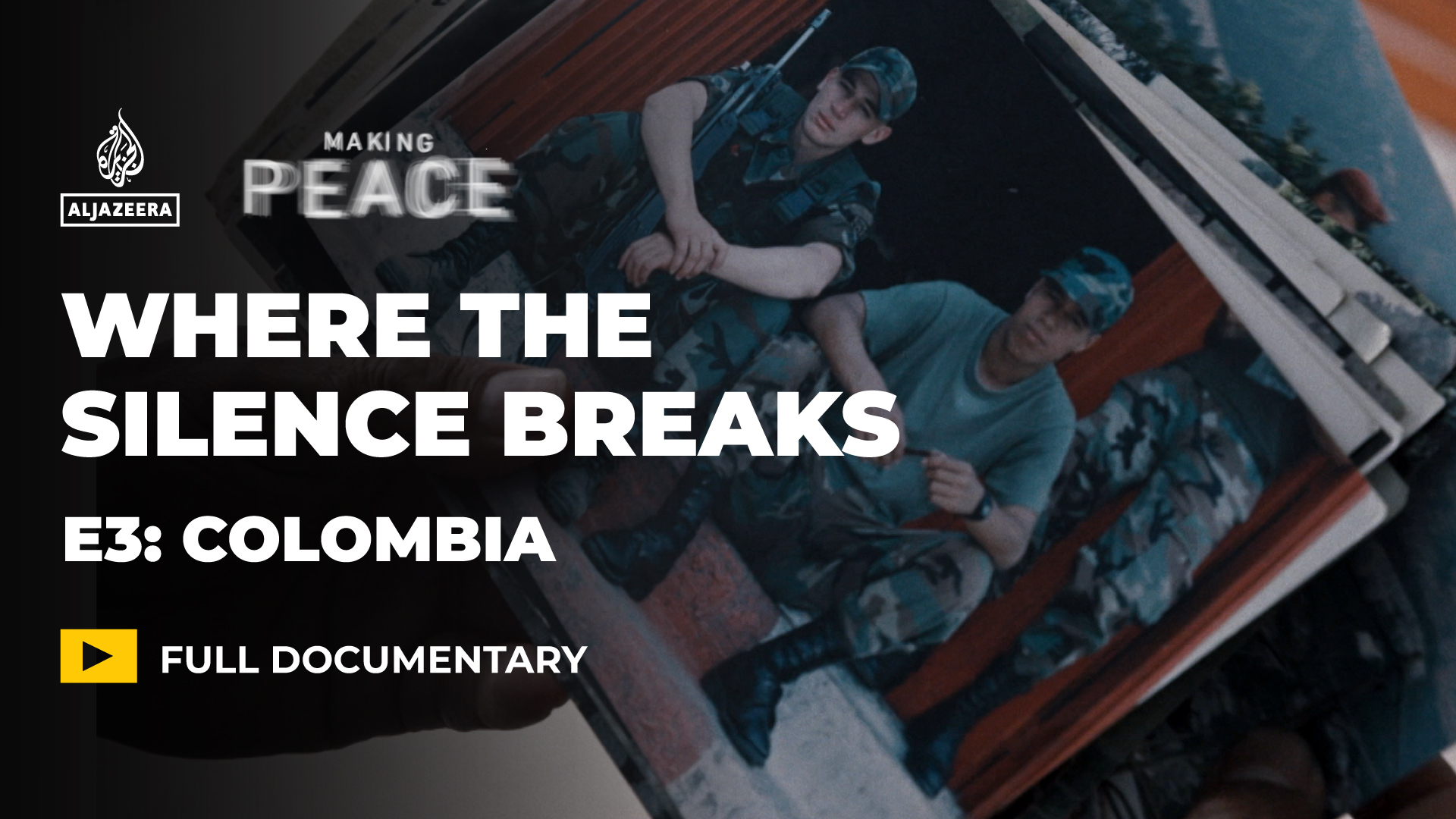
The artistic interpretation of these events, as seen in productions like "Where the Silence Breaks," plays a crucial role in humanizing the statistics and legal processes. By highlighting individual stories and emotional experiences, such works can foster empathy and understanding among a wider audience. The film, by Fatima Lianes, is one such effort that seeks to capture the profound human drama at the heart of Colombia’s quest for justice and reconciliation.
The journey through Colombia’s past is far from over. The JEP continues its complex work, and the nation still faces numerous challenges in consolidating peace. However, the willingness of former soldiers to break their silence and confess their involvement in "falsos positivos" represents a pivotal moment. It is a testament to the enduring power of truth and the human capacity for both immense suffering and profound healing. The ongoing process, while fraught with pain, offers a glimmer of hope for a future where the silence of past atrocities is replaced by the voices of justice and remembrance.