The week ending February 13 delivered a mixed bag of fortunes across the entertainment, media, and sports landscapes, highlighting significant triumphs and notable setbacks for prominent figures and major franchises. From a polarizing Super Bowl halftime performance that defied expectations to a tech mogul facing scrutiny over his business dealings and media stewardship, and a beloved cinematic universe grappling with fan skepticism, the past seven days offered a compelling snapshot of public perception and industry dynamics.
Bad Bunny’s Halftime Triumph
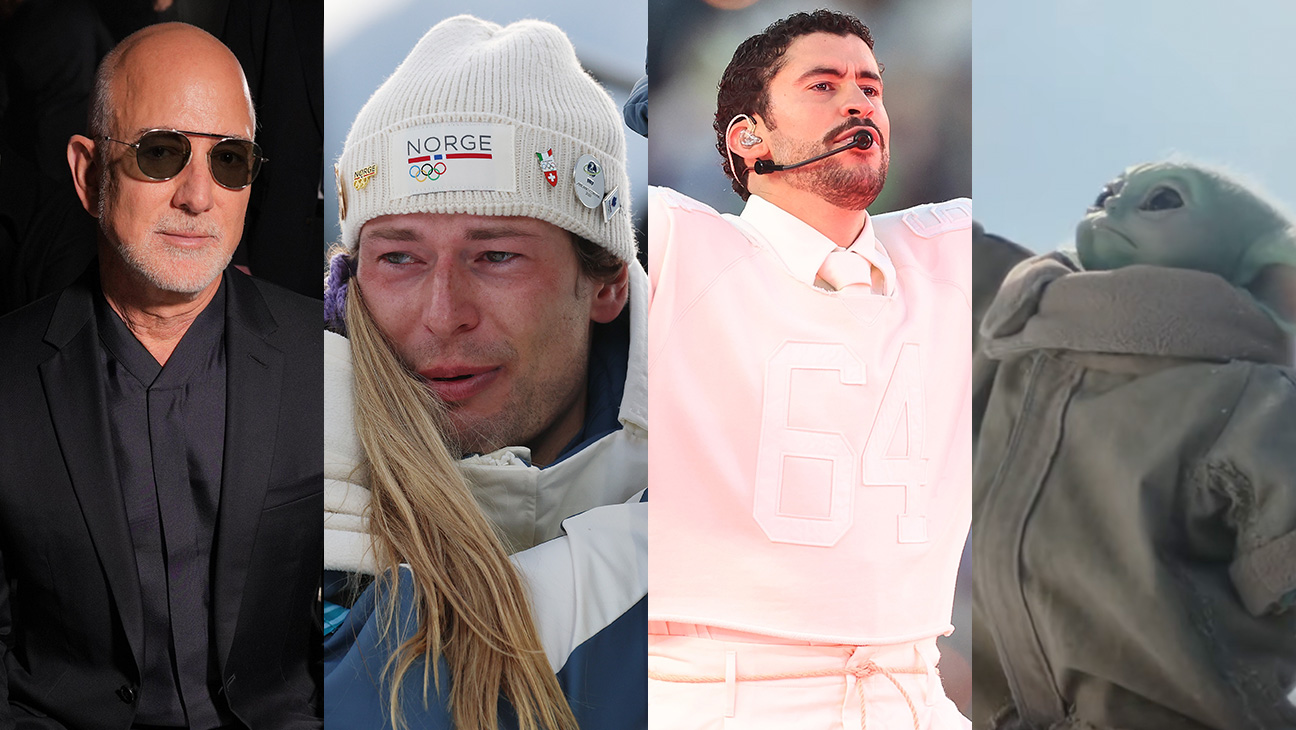
Puerto Rican superstar Bad Bunny emerged as an undeniable winner, transforming initial skepticism into widespread acclaim following his electrifying performance at Super Bowl LX. Ahead of the event, his selection for the highly coveted halftime show was viewed as a potentially divisive choice, primarily due to his outspoken progressive political views. This concern was amplified in a climate where cultural figures increasingly navigate a polarized public sphere.
However, Bad Bunny’s meticulously crafted performance on Sunday night transcended political lines. Critics and audiences alike praised the artist’s immense energy, highly theatrical staging, and uniquely conceived production. Esteemed critic Dan Feinberg lauded it as "the most impressively conceived and executed Super Bowl halftime production I’ve ever seen," a testament to its artistic ambition and flawless execution. The performance was a spectacle of vibrant visuals, dynamic choreography, and powerful musical delivery that captivated the global audience.
While some conservative commentators, notably former President Donald Trump, voiced complaints about not understanding Bad Bunny’s Spanish lyrics, the sentiment largely failed to gain traction. This criticism was further undermined by comparisons to counter-programming efforts, such as Kid Rock’s performance for TPUSA, which also faced issues of intelligibility despite being in English. The Super Bowl LX halftime show ultimately secured its place in history as the third-most-watched in Nielsen records, garnering billions of views across social media platforms. Bad Bunny’s ability to unite a vast and diverse audience, turning potential controversy into a celebrated cultural moment, solidified his status as a global icon and a major winner of the week.
Jeff Bezos Faces Mounting Criticism
On the other side of the ledger, Amazon founder Jeff Bezos experienced a week fraught with negative headlines, further entrenching a public perception often associated with a "Bond villain" persona. Two distinct controversies fueled this narrative, raising questions about his ethical conduct and commitment to public good.
The first involved the transparent funneling of funds to the Trump family through a presumed exchange for regulatory leniency. This arrangement centered around the sycophantic Melania documentary, a project widely seen as a vanity piece. Critics argued that the financial transaction, regardless of its legal standing, appeared to be an attempt to curry favor, presenting a stark ethical dilemma. Despite its controversial backing, the documentary performed poorly at the box office, plummeting 67 percent in its second week, although its producers might still anticipate profitability once it transitions to streaming platforms. The optics of such a deal, however, deeply tarnished Bezos’s public image, suggesting a willingness to leverage wealth for political advantage.
Simultaneously, Bezos faced intense backlash for the brutal gutting of The Washington Post, a prestigious news organization he acquired in 2013. The decision to cut one-third of its newsroom staff was met with widespread condemnation from journalists and media observers. While The Post had admittedly faced challenges and some self-inflicted damage to its reputation since the pandemic, particularly from conservative critics, the scale of these cuts was perceived not as a strategic adjustment but as a drastic, almost punitive measure. Observers likened the approach to a "butcher’s knife instead of a scalpel," suggesting a disregard for the nuanced needs of a major journalistic institution. These layoffs are expected to result in a tangible loss to the collective ability to report on critical global events, undermining the paper’s capacity for in-depth investigative journalism and its role in informing the public. The cumulative effect of these actions left Bezos facing significant reputational damage, positioning him as a clear loser in the week’s public discourse.
NBC’s Winter Olympics Coverage Strikes Gold
NBC’s broadcasting of the Winter Olympics proved to be a resounding success, injecting much-needed vitality into both the network’s traditional programming and its streaming service, Peacock. Ratings for the games were significantly up from the lows of 2022, demonstrating a renewed public interest in winter sports and the network’s effective coverage strategy.
A key factor in this resurgence was the unexpected but compelling "sideline dramas" involving several biathletes, a niche sport combining cross-country skiing and rifle shooting. These human-interest stories provided a captivating layer of narrative beyond the athletic competition. One notable incident involved Norwegian biathlete Sturla Holm Lægreid, who, after winning a bronze medal, confessed during a live interview to cheating on his girlfriend and tearfully pleaded for her return. The public spectacle of this highly personal and humiliating plea, broadcast on national television, quickly went viral. Unsurprisingly, his attempt to reconcile through such a public display reportedly did not succeed, adding a layer of tragicomic drama to the games.
Even more sensational was the story of France’s Julia Simon. Four months after being convicted of robbing her teammate, Justine Braisaz-Bouchet, Simon achieved a remarkable comeback by winning a gold medal. The charges involved Simon allegedly racking up $2,300 in fraudulent credit card charges on her teammate’s account, a stark contrast to Braisaz-Bouchet’s 80th-place finish in the same competition. The juxtaposition of Simon’s criminal past with her athletic triumph created an irresistible narrative, highlighting the complex and often dramatic personal lives of elite athletes. These melodramatic subplots, far from detracting from the sport, significantly boosted viewership and provided Peacock with engaging, watercooler-worthy content. The network’s coverage, leveraging both athletic prowess and personal intrigue, proved a winning formula.
Casey Wasserman’s Reputation Tarnished
Powerful talent agent Casey Wasserman, a prominent figure in the entertainment and sports industries, found his reputation significantly damaged this week amid renewed scrutiny of his past associations and alleged misconduct. Accusations of serial affairs with junior staffers over the years have long shadowed Wasserman, but new details emerging from his past brought fresh controversy.
Specifically, Wasserman faced intense public backlash over revelations of exchanging "flirty messages" with Ghislaine Maxwell. These exchanges occurred while Wasserman was married and crucially, three years before Jeffrey Epstein was first publicly accused of wrongdoing in 2006. While the timing predates the widespread knowledge of Epstein’s heinous crimes, the association with Maxwell, a convicted sex trafficker and Epstein’s accomplice, raised profound ethical questions and sparked public outrage. In the current climate, where accountability for past associations is increasingly demanded, this connection proved particularly damaging.
The public reaction was swift and severe within the entertainment industry. Artists, including rising pop star Chappell Roan, alongside a number of independent bands, publicly announced their decision to part ways with Wasserman’s agency. This exodus signaled a clear rejection of his conduct and associations, reflecting a broader sentiment that such exchanges, even if not directly criminal, demonstrate a severe lapse in judgment and ethical standards. The incident highlighted the industry’s evolving expectations for its leaders, where even a lack of "scandal precognition" can lead to significant professional consequences. Wasserman’s fall from grace underscored the high stakes of public perception and moral responsibility in the cutthroat world of talent representation.
The Mandalorian & Grogu Stumbles Out of the Gate
The highly anticipated film The Mandalorian & Grogu, intended as Disney’s first live-action Star Wars cinematic release in seven years, suffered a significant setback this week with the overwhelmingly negative reception of its Super Bowl trailer. Despite Disney taking a big swing with a high-profile Super Bowl ad slot, the marketing effort backfired spectacularly, raising concerns about the future direction of the beloved franchise.
The trailer itself attempted a "cheeky play" on iconic Budweiser Clydesdales commercials, aiming to convey a light and family-friendly tone for the new Star Wars installment. However, this approach alienated a significant portion of the fanbase. The reaction on social media and fan forums was swift and largely derisive. Comments ranged from outright confusion to severe criticism, with one top-voted remark stating, "I honestly thought this was a fake AI commercial." This level of skepticism and disappointment indicated a fundamental disconnect between the studio’s marketing vision and the audience’s expectations for a Star Wars film.
The negative reception was so profound that it necessitated an accompanying statement from Disney’s marketing chief, attempting to explain the creative rationale behind the trailer. This unusual move underscored the depth of the public relations challenge. Compounding the issue, the film’s initial teaser trailer released in September had also failed to generate significant excitement, suggesting a pattern of problematic marketing or, more concerningly, a lack of compelling content. The prevailing sentiment among fans and critics alike was that Disney appeared to be "selling sizzle because they ain’t got steak," indicating a perceived weakness in the film’s core appeal. The stumble out of the gate for The Mandalorian & Grogu left the franchise grappling with fan skepticism and renewed questions about its creative direction under Disney’s stewardship.
The week concluded with a vivid illustration of the precarious nature of success and reputation in the public eye. While some individuals and entities soared, capturing public adoration and critical acclaim, others found themselves embroiled in controversies that challenged their standing and prompted serious questions about ethics, judgment, and creative direction. These varied outcomes underscore the constant flux of influence and public favor in the interconnected worlds of entertainment, media, and global events.