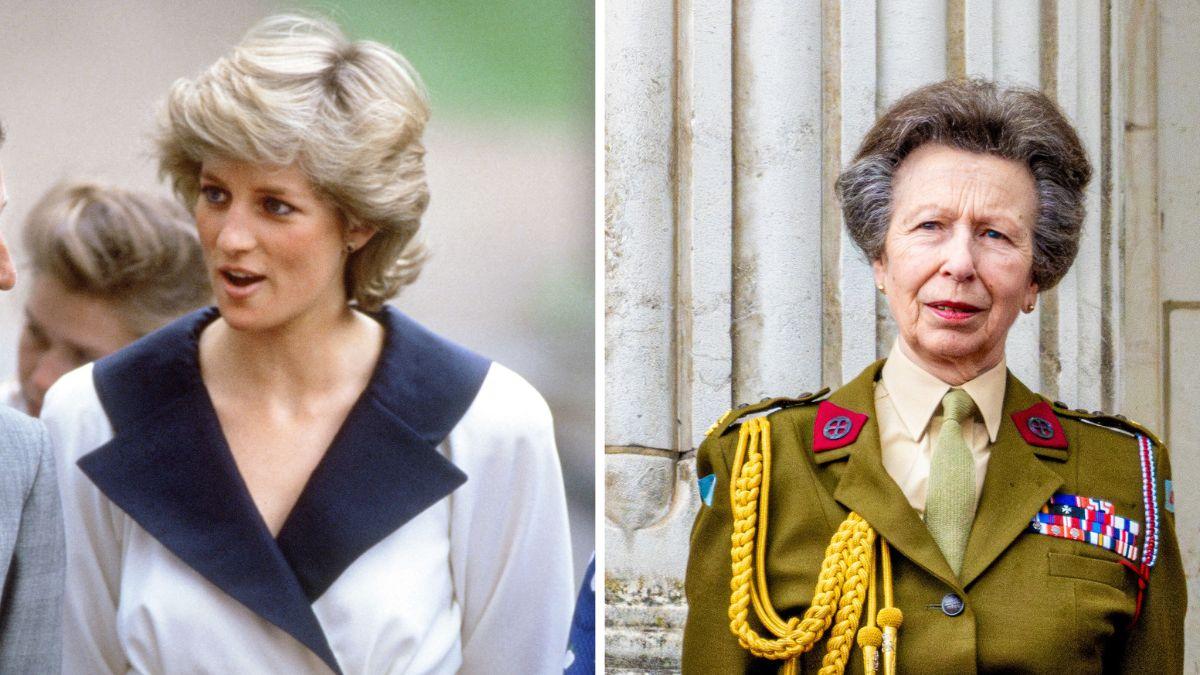
Princess Diana experienced profound humiliation and horror during her inaugural royal Christmas, a pivotal moment that exposed her profound unpreparedness for the intricate and often baffling customs of the British monarchy. The incident, centered around a seemingly innocuous gag Christmas gift from Princess Anne, left the newly minted Princess of Wales feeling isolated and deeply shaken by the rigid, unspoken rules of her new family.
The Initial Plunge into Royal Life
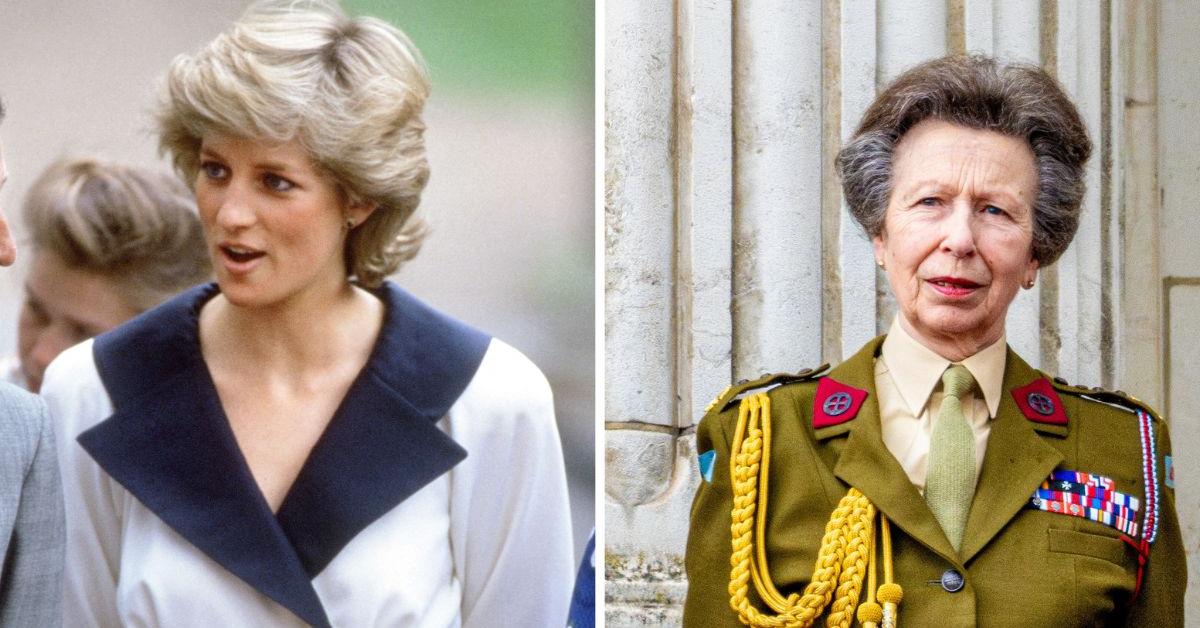
In December 1981, Diana, then a 20-year-old newlywed, found herself immersed in the royal family’s festive traditions at Sandringham. She had married the then-Prince Charles just five months prior and was already pregnant with her first child, Prince William. For Diana, this period was an intimidating initiation into a world vastly different from her own aristocratic but less formal upbringing. What she was unaware of was a long-standing royal custom: the exchange of novelty gifts on Christmas Eve, a tradition diametrically opposed to the lavish expectations outsiders might hold for a family that already possessed every conceivable luxury. This crucial detail, left unexplained to Diana, set the stage for a memorable and uncomfortable encounter.
A Clash of Traditions and Expectations
The royal family, known for its eccentricity and adherence to specific protocols, had long embraced the practice of exchanging humorous, inexpensive gifts rather than grand, valuable ones. This custom was an established inside joke, a lighthearted counterpoint to their otherwise formal existence. However, for a newcomer like Diana, who was still navigating the complex social landscape of "The Firm," this tradition proved to be a bewildering and isolating experience. Her biographer, Andrew Morton, chronicled Diana’s dismay, quoting her as describing Christmas with the royals as "terrifying." This sentiment underscored her immediate struggle to comprehend and conform to the unspoken codes of her husband’s family.
The Infamous Toilet Paper Holder
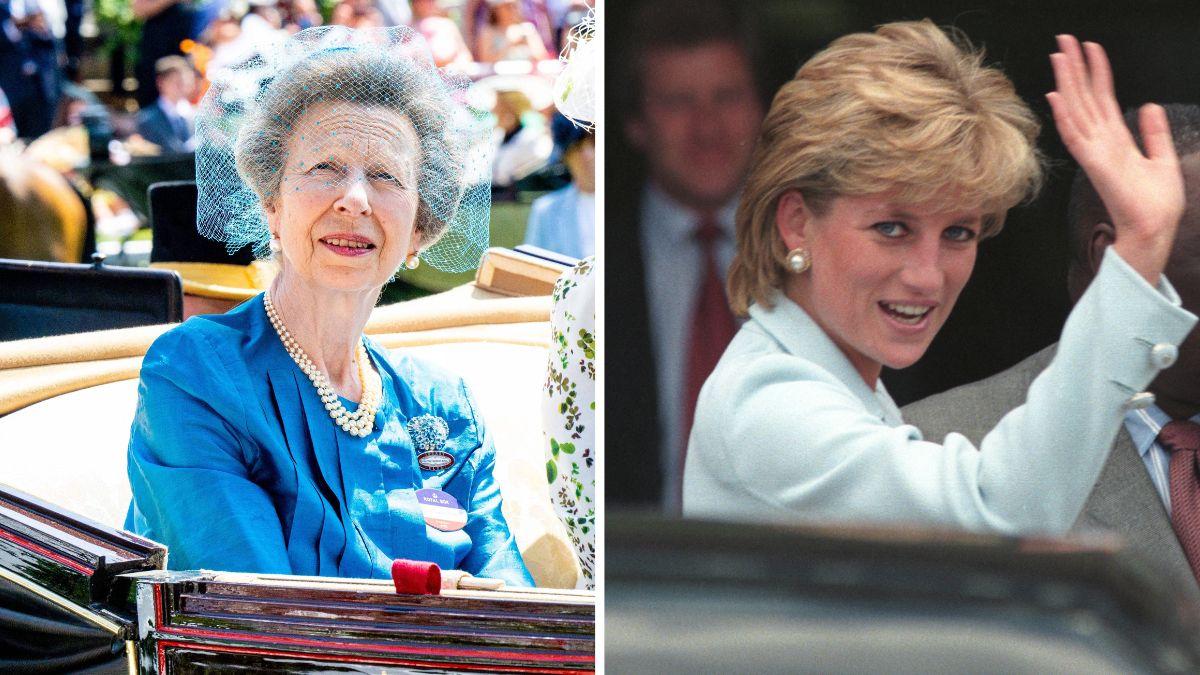
The moment of public embarrassment arrived during the Christmas Eve gift exchange. An insider revealed that Diana’s disgust was palpable when she unwrapped a toilet paper holder, a gag Christmas gift presented by Princess Anne. The situation was exacerbated by the fact that this exchange took place in front of the assembled royal family, including Queen Elizabeth II. Diana, having no prior knowledge of the novelty gift tradition, had reciprocated with a thoughtful, expensive cashmere sweater for Anne, a gesture that was entirely out of place within the context of the royal family’s festive custom. The stark contrast between her well-intentioned, opulent gift and Anne’s jocular offering highlighted Diana’s profound misinterpretation of the family’s peculiar sense of humor.
Diana later expressed her particular disdain for the "silly jokes that outsiders would find odd, but insiders understood," further emphasizing her feeling of being an alien presence within the royal festive celebrations. This incident, while seemingly minor, contributed significantly to her perception of herself as an outsider, struggling to penetrate an institution that revered its shared traditions and arcane codes. The lack of explanation or guidance from any family member left her feeling exposed and humiliated, reinforcing her sense of isolation during a time meant for familial warmth and connection.
Echoes of Isolation and Unwritten Rules
A former royal staffer confirmed the depth of Diana’s discomfort, stating, "Diana arrived at Sandringham expecting a very formal, traditional Christmas and had no idea there was an established culture of joke gifts." The staffer elaborated on the impact, noting, "Because no one took the time to explain it to her, she was left feeling embarrassed and completely out of her depth." This sentiment points to a broader systemic issue within the monarchy, where newcomers were often expected to intuitively understand unwritten rules, leading to significant distress for those who failed to conform.
Princess Anne herself was renowned for her predilection for humorous gifts. She had reportedly once presented her older brother, then-Prince Charles, with a leather toilet seat, a playful jab at his rumored habit of traveling with his own toilet seat on royal engagements abroad. This history underscores that Anne’s gift to Diana was not malicious but rather a continuation of an established family tradition, albeit one that tragically alienated the newest member.
Beyond the Presents: Sandringham’s Rigid Routines
The challenges for Diana extended far beyond the gag Christmas gift. She found Sandringham’s rigid routines equally taxing. Meals were scheduled with military precision, outfits were changed multiple times a day to suit various activities, and the entire household revolved around watching the Queen’s annual Christmas broadcast at precisely 3 p.m. on Christmas Day. Her former hairdresser, Richard Dalton, recalled Diana’s frustration with these unyielding protocols. "She told me it was freezing cold, and dinner had to be over by 3 o’clock," Dalton recounted, imitating Diana’s impression of Queen Elizabeth: "’It’s 3 and time to watch me on TV,’ she’d say." This anecdote vividly illustrates the suffocating atmosphere of Sandringham for someone accustomed to greater personal freedom.
The emotional toll of these traditions was significant and enduring for Diana. Paul Burrell, who served as her butler from 1987 until her tragic death in 1997, later reflected on the overwhelming nature of the royal environment. He remarked, "Some can stand it, some can’t," before pointedly adding, "Diana couldn’t stand it." This assessment encapsulates the profound incompatibility between Diana’s spirit and the strictures of royal life.
A Lingering Humiliation and Lasting Impact
Another source reiterated the lasting effect of that first Christmas, stating, "That first Christmas with the royal family really cemented Diana’s feeling that she was an outsider. The present incident itself was insignificant, but the humiliation lingered because it highlighted how unsupported and alone she felt trying to navigate royal life." This insight reveals that the Princess Diana gag Christmas gift incident was not merely a fleeting moment of awkwardness but a foundational experience that shaped her perception of her place within the royal family for years to come.
In her later years, Diana deliberately sought to provide her sons, Princes William and Harry, with a more grounded and relatable Christmas experience, intentionally moving beyond Sandringham’s rigid confines. She took them to the theater and included them in her own family’s celebrations, where, according to insiders, the boys could choose their own chocolates and presents. This starkly contrasted with the formal, ritualistic gift exchange that had once left their mother mortified. Diana’s efforts to create a different kind of festive season for her children underscored her desire to shield them from the very isolation and cultural dissonance she had endured, ensuring they felt a sense of belonging and personal choice that she had so desperately craved during her early royal Christmases. The seemingly trivial incident of a gag Christmas gift ultimately became a symbol of Diana’s broader struggle for identity and autonomy within the rigid confines of the British monarchy.