The 2026 Winter Olympics, officially known as Milano Cortina 2026, is set to captivate global audiences as Italy prepares to host the 25th edition of the Winter Games from February 4 to February 22. Fans worldwide are already seeking ways to access a Winter Olympics 2026 livestream to catch every moment of the competition, ranging from the high-speed thrills of alpine skiing to the strategic intensity of curling. For many, finding a way to watch Winter Olympics for free is a priority, especially as broadcasting rights become increasingly fragmented across various subscription-based platforms.
This upcoming Olympiad marks a historic shift in the organization of the event, representing the first time the Games will be officially co-hosted by two distinct cities. Milan and Cortina d’Ampezzo will serve as the primary hubs, with events sprawling across the Lombardy and Veneto regions, as well as the provinces of Trento and Bolzano. This decentralized model is designed to utilize existing infrastructure and promote sustainability, but it also creates a complex logistical landscape for broadcasters and spectators alike.
As the international community prepares for the torch to be lit in Milan’s San Siro Stadium, the demand for accessible viewing options has surged. While major networks like NBC in the United States and Eurosport in Europe hold exclusive rights, several international broadcasters are expected to provide free-to-air coverage. Navigating these options often requires technical workarounds, particularly for viewers located in regions where coverage is locked behind expensive paywalls.
The Significance of the Milano Cortina 2026 Games
The 2026 Winter Olympics represents a return to the traditional winter heartlands of Europe. Italy has a storied history with the Olympic movement, having previously hosted the Winter Games in Cortina d’Ampezzo in 1956 and Turin in 2006. The 2026 iteration aims to blend this heritage with modern innovation, focusing on a "carbon-neutral" footprint and the use of temporary structures to minimize environmental impact.
The Games will feature 116 medal events across eight sports and 16 disciplines. High-profile competitions such as ice hockey, figure skating, and snowboarding are expected to draw the largest digital audiences. For fans in North America and Asia, the time zone differences with Italy will make a reliable Winter Olympics 2026 livestream essential for watching events live or catching up via on-demand replays.
Norway currently holds the record for the most all-time medals in Winter Olympic history, and the 2026 Games will see the Scandinavian powerhouse defend its dominance against surging teams from Germany, Canada, and the United States. The inclusion of new disciplines also promises to shake up the medal table, providing fresh opportunities for athletes from smaller nations to find the podium.
Expanding the Program: New Sports and Disciplines
The International Olympic Committee (IOC) has continued to evolve the Winter Program to appeal to younger demographics and reflect the changing landscape of winter sports. A major highlight for 2026 is the debut of ski mountaineering, also known as "skimo." This grueling sport involves racing up mountains on skis and navigating technical descents, reflecting a growing global interest in endurance and backcountry sports.
In addition to ski mountaineering, the 2026 Games will feature expanded competitions in freestyle skiing and snowboarding. These events are particularly popular on digital platforms, where short, high-impact clips often go viral. Providing a high-quality Winter Olympics 2026 livestream that can handle the fast-paced nature of these sports is a primary goal for tech-focused broadcasters.
The traditional "Big Five" sports—alpine skiing, cross-country skiing, ice hockey, figure skating, and speed skating—remain the pillars of the Games. Ice hockey, in particular, is expected to see a massive resurgence in viewership following agreements to allow NHL players to return to the Olympic stage. This move ensures that the world’s premier talent will be on the ice, significantly driving up the value of broadcast rights and the public’s desire to watch Winter Olympics for free through various international portals.
Technological Solutions for a Global Winter Olympics 2026 Livestream
In the modern era of sports consumption, the traditional television model is being rapidly supplanted by streaming services. However, the geographic licensing of content remains a hurdle for many fans. Broadcasters pay billions for the rights to show the Olympics within specific borders, leading to "geo-blocking," where a stream is only accessible to users with an IP address from that specific country.
To bypass these digital borders, many viewers turn to Virtual Private Networks (VPNs). A VPN allows a user to encrypt their internet connection and route it through a server in a different country. By doing so, a viewer in the United States could potentially access a free Winter Olympics 2026 livestream from a public broadcaster in the United Kingdom, Canada, or Australia.
ExpressVPN has emerged as a leading tool for sports enthusiasts during major international events. By offering high-speed servers optimized for video playback, it minimizes the buffering that can ruin a live sports experience. For those looking to watch Winter Olympics for free, leveraging a VPN in conjunction with free-to-air broadcasters like the BBC (UK), CBC (Canada), or RTVE (Spain) is a common strategy.
Geographical Logistics: A Games Shared Across Northern Italy
The 2026 Games will be geographically diverse, utilizing the dramatic landscapes of the Italian Alps. Milan will serve as the urban heart of the Olympics, hosting the opening ceremony and all ice-based sports, including figure skating and ice hockey. Meanwhile, Cortina d’Ampezzo, a glamorous resort town, will host women’s alpine skiing, bobsleigh, luge, and skeleton.
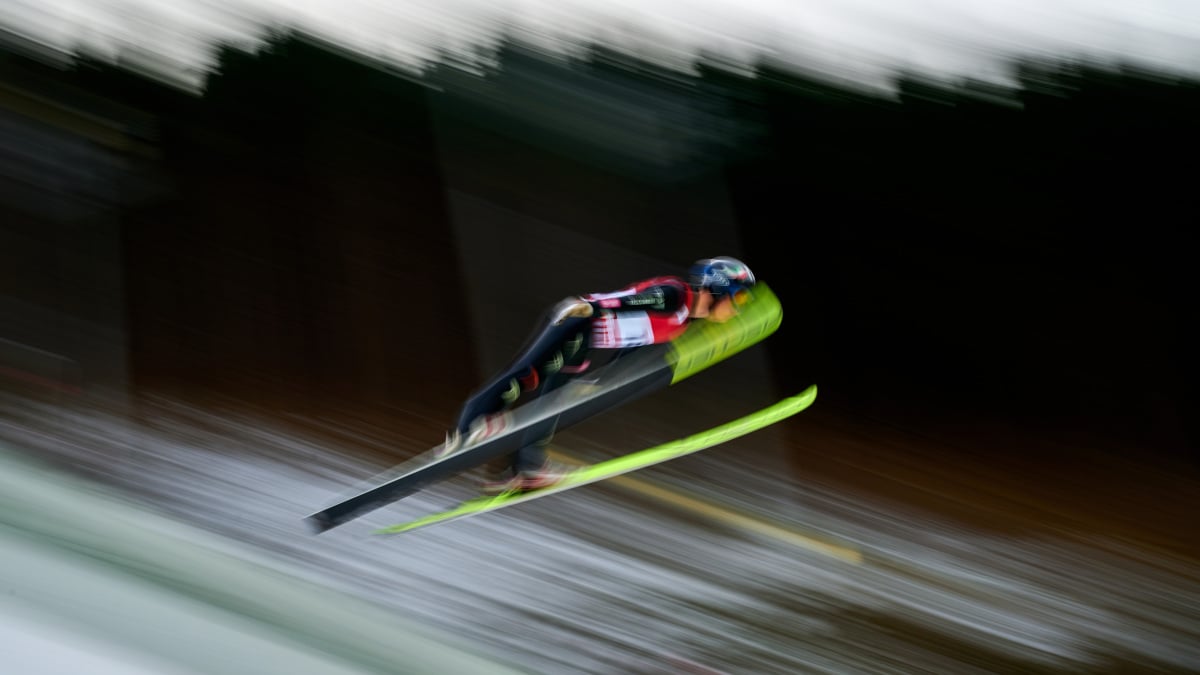
Other venues include Bormio for men’s alpine skiing and the Valtellina valley for freestyle skiing and snowboarding. The Val di Fiemme will be the center for Nordic disciplines like cross-country skiing and ski jumping. This spread-out approach means that fans will rely heavily on a Winter Olympics 2026 livestream to keep track of multiple events happening simultaneously across hundreds of miles.
The Italian government and the Milano Cortina 2026 Organizing Committee have emphasized that this decentralized model is the future of the Olympics. By not concentrating all events in a single city, they reduce the need for massive new construction projects that often become "white elephants" after the Games conclude. This sustainable approach is being closely watched by future host cities like those in the French Alps (2030) and Salt Lake City (2034).
The Role of VPNs in Modern Sports Broadcasting
As the cost of cable and specialized sports streaming services continues to rise, the use of VPNs has moved from a niche technical trick to a mainstream necessity for many fans. The ability to watch Winter Olympics for free is not just about saving money; it is about accessing the best possible commentary and coverage. Many fans prefer the deep historical context provided by European broadcasters or the athlete-focused storytelling of North American networks.
ExpressVPN and similar services provide a 30-day money-back guarantee, which aligns perfectly with the three-week duration of the Olympic Games. This allows fans to secure a Winter Olympics 2026 livestream without a long-term financial commitment. By connecting to a server in a country where the Games are broadcast on public television, viewers can enjoy high-definition coverage as if they were sitting in a living room in London or Toronto.
Security is another factor driving VPN adoption. During massive global events, public Wi-Fi networks and unofficial streaming sites often become targets for cyber threats. A VPN encrypts the user’s data, providing a layer of protection against hackers while they enjoy the competition. This combination of accessibility and security has made VPNs an integral part of the modern Olympic viewing toolkit.
Economic and Cultural Impact of the Italian Winter Games
The return of the Olympics to Italy is expected to provide a significant boost to the national economy, particularly in the tourism and hospitality sectors. Northern Italy is already a premier destination for winter sports, and the global exposure of the Games is likely to cement its status for decades to come. Analysts predict that the event will generate thousands of jobs and drive infrastructure improvements in transportation and digital connectivity across the region.
Culturally, the 2026 Games are a moment of pride for Italy. The "Dreaming Together" slogan reflects a desire to unite the country and the world through sport. The inclusion of iconic venues, such as the Arena di Verona for the closing ceremony, ensures that the Games will be a showcase of Italian history and aesthetic beauty.
For the global audience, the cultural exchange facilitated by the Games is often as important as the sports themselves. Through a Winter Olympics 2026 livestream, viewers get a glimpse into the life and landscapes of the Italian Alps. This "soft power" effect is a major reason why nations compete so fiercely for the right to host the Olympics, despite the high costs and logistical headaches involved.
Preparing for the 2026 Winter Sports Season
As the countdown to February 2026 begins, athletes are entering the most critical phase of their training cycles. World Cup events in skiing, skating, and sliding will serve as the primary qualifiers, determining who will earn the right to represent their country in Milan and Cortina. For fans, this is the time to ensure their technical setups are ready.
To watch Winter Olympics for free, it is advisable to research which international broadcasters will be offering unencrypted streams. Historically, the Australian Seven Network and the Canadian CBC have provided extensive free digital coverage. Testing a VPN service like ExpressVPN during the pre-Olympic season can ensure that when the opening ceremony begins, there are no technical glitches or connectivity issues.
The 2026 Winter Olympics promises to be a landmark event in the history of the movement. By embracing a multi-city model and prioritizing sustainability, Italy is setting a new standard for the Games. Whether through a traditional television broadcast or a high-speed Winter Olympics 2026 livestream, the world will be watching as the finest winter athletes compete for gold against the stunning backdrop of the Italian Alps.