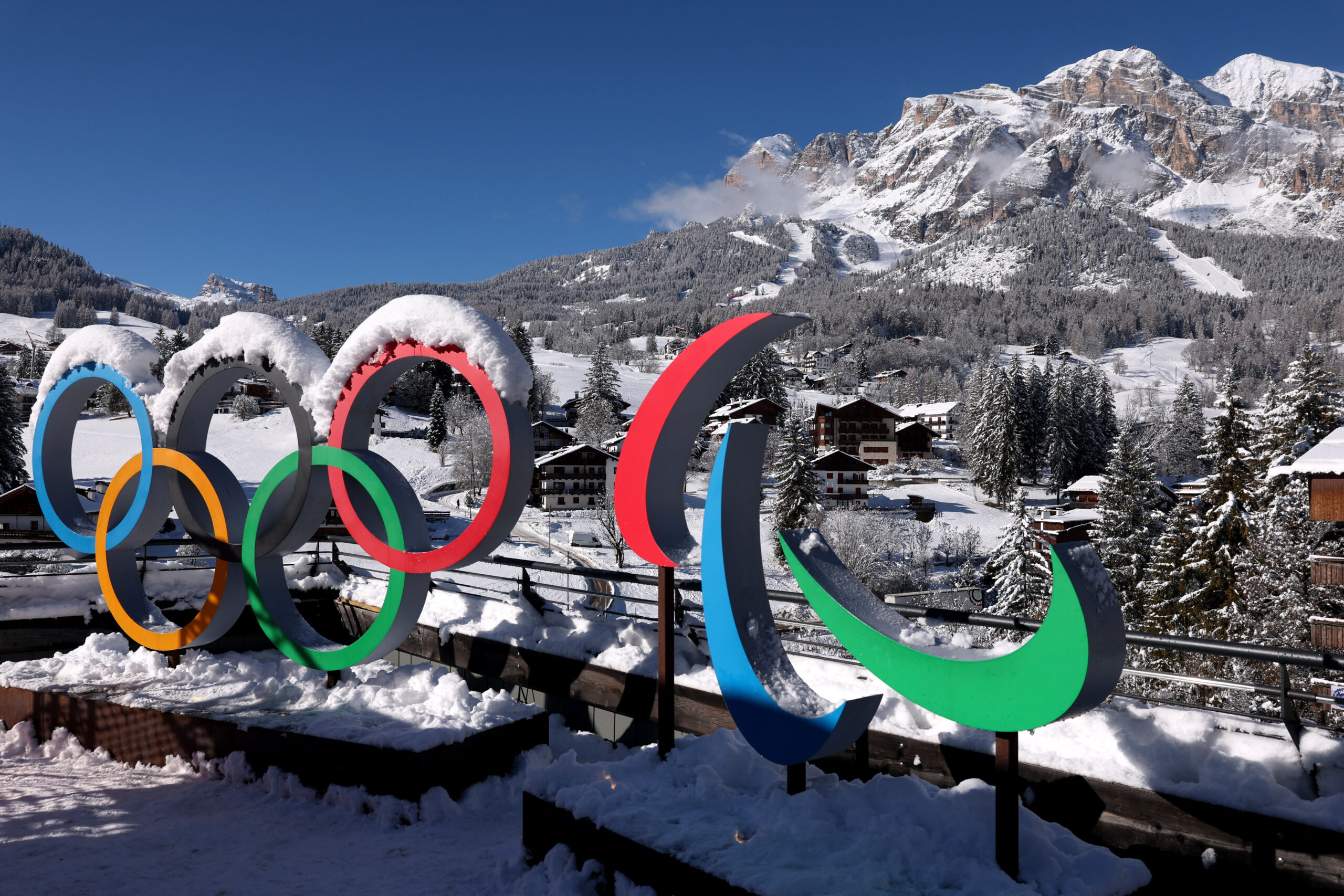
Italy’s transport network has been struck by a series of suspected sabotage incidents targeting rail services, raising significant concerns for the smooth operation of the 2026 Winter Olympics in Milan and Cortina d’Ampezzo. The latest disruption occurred Saturday, causing delays exceeding an hour on crucial routes connecting southern Italy to the capital and extending northward towards Florence.
Escalating Disruptions Jeopardize Olympic Travel
The ongoing disruptions are casting a shadow over the logistical preparations for the Winter Games, scheduled to run from February 6 to 22. Transport Minister Matteo Salvini has strongly condemned the acts, labeling them as "hateful criminal acts aimed at workers and at Italy." He emphasized the gravity of the situation, stating, "I hope that no one plays down or tries to justify these crimes which put lives at risk."
These recent incidents follow a pattern of sabotage that has plagued the Italian rail infrastructure in recent weeks. Last Saturday, the network experienced significant disruptions, with a more minor incident occurring midweek. The consistent nature of these attacks suggests a coordinated effort to destabilize critical transportation arteries.
Unraveling the Sabotage: Evidence and Investigations
Authorities are actively investigating the latest incidents, with initial findings pointing to deliberate damage. On Saturday, burned cables were discovered on a section of the high-speed line between Rome and Naples, a critical corridor for both intercity travel and potential Olympic-related transit. Additionally, investigators are examining two other potential acts of vandalism on the line connecting the capital to Florence.
The nature of the damage—specifically the targeting of cables—suggests a technical understanding of the rail system, potentially indicating a motive beyond simple vandalism. The focus on key high-speed routes highlights the strategic aim of these attacks to cause maximum disruption.
A Pattern of Anarchy and Olympic Vulnerability
The incidents echo a similar, more severe attack that occurred on the first full day of the Olympics last Saturday. An anarchist group claimed responsibility for damaging rail infrastructure near Bologna, resulting in delays of up to two and a half hours across high-speed, intercity, and regional services. This previous incident provided a stark preview of the vulnerability of Italy’s rail network.
The explicit claim of responsibility by an anarchist group in the earlier incident is a significant development, suggesting a politically motivated agenda behind the sabotage. This raises questions about the broader implications for national security and the potential for further attacks targeting critical infrastructure during major international events. The Olympics, with their global spotlight, could be a prime target for groups seeking to draw attention to their cause.
Minister Salvini’s Stern Warning and Public Safety Concerns
Transport Minister Salvini’s forceful rhetoric underscores the perceived threat to public safety and the nation’s image. His declaration that "lives are at risk" is not hyperbole, as damaged infrastructure can lead to severe accidents. The delays themselves, while inconvenient, pale in comparison to the potential for catastrophic failures caused by deliberate tampering with essential systems.
The minister’s call to avoid downplaying or justifying the crimes indicates a concern that political or ideological leanings might inadvertently excuse or minimize the severity of the sabotage. This stance reflects a broader effort to galvanize public opinion and law enforcement against those responsible, emphasizing the criminal and dangerous nature of their actions.
The Economic and Reputational Fallout
Beyond the immediate safety concerns, the repeated sabotage incidents pose a significant economic and reputational risk to Italy. The country is heavily reliant on its rail network for both domestic and international travel, and the Winter Olympics are expected to draw thousands of athletes, officials, and spectators. Consistent delays and the threat of further disruptions could deter tourists and negatively impact the perception of Italy as a reliable host nation.
The economic cost of repairing damaged infrastructure and managing the fallout from service disruptions is also substantial. For businesses that depend on timely freight and passenger transport, these delays translate into lost revenue and increased operational costs. The Italian government will face pressure to not only apprehend those responsible but also to demonstrate its capacity to secure critical infrastructure.
A Test for Italian Security and Olympic Logistics
The 2026 Winter Olympics present a significant security challenge for Italy, and these rail sabotage incidents are a direct test of its preparedness. The country’s ability to maintain the integrity of its transportation systems will be crucial for the successful staging of the Games. The investigation into the burned cables and acts of vandalism is a top priority for Italian law enforcement and intelligence agencies.
The involvement of an anarchist group in a previous incident suggests a need for heightened vigilance and a multi-agency approach to counter-terrorism and domestic security. The focus will likely be on identifying individuals or groups with the capability and motivation to carry out such sophisticated attacks on critical infrastructure.
Broader Implications for Infrastructure Security
The vulnerability of Italy’s rail network to sabotage raises broader questions about the security of critical infrastructure across Europe and globally. In an era of heightened geopolitical tensions and the rise of various extremist ideologies, transportation systems, power grids, and communication networks are increasingly seen as potential targets.
The incidents in Italy serve as a stark reminder for governments worldwide to invest in robust security measures, intelligence gathering, and rapid response capabilities to protect essential services. The interconnectedness of modern infrastructure means that a successful attack on one system can have cascading effects on others, potentially leading to widespread disruption.
The Road Ahead: Investigations, Prevention, and Olympic Readiness
As the investigations continue, Italian authorities are undoubtedly working to enhance security measures around the rail network, particularly in areas crucial for Olympic transit. This may involve increased surveillance, physical security enhancements, and closer collaboration between rail operators and law enforcement. The focus will be on preventing future attacks while ensuring that legitimate travel for the Olympics is not unduly hindered.
The government’s response to these incidents will be closely watched, both domestically and internationally. Its success in apprehending those responsible and restoring confidence in the safety and reliability of its transportation infrastructure will be critical for the legacy of the Milan-Cortina Winter Olympics and for Italy’s standing on the global stage. The coming months will be a crucial period for Italy to demonstrate its resilience and its commitment to a secure and successful Olympic Games.