The red carpet at the 2026 Actor Awards, held on Sunday, March 1, witnessed a spectrum of sartorial choices, ranging from the breathtakingly elegant to the perplexingly unconventional. While Hollywood’s elite traditionally vie for top spots on best-dressed lists, several prominent figures found themselves drawing critical attention for ensembles that missed the mark, cementing their status among the worst dressed stars of the evening. The ceremony, a pivotal event in the awards season calendar, underscored the immense pressure on celebrities to make a memorable fashion statement, sometimes with questionable results.
Red Carpet Fashion: A High-Stakes Spectacle
The Actor Awards, known for celebrating outstanding performances in film and television, serves as a crucial platform not only for artistic recognition but also for showcasing groundbreaking, or at times, head-scratching, red carpet fashion. Each year, anticipation builds around what designers celebrities will champion and which trends will emerge. However, the pursuit of individuality and avant-garde expression can occasionally lead to misjudgments, turning potential triumphs into notable missteps. The 2026 iteration was no exception, as several attendees opted for looks that defied conventional elegance, sparking immediate debate among fashion critics and the public alike.
Fran Drescher’s Theatrical Statement
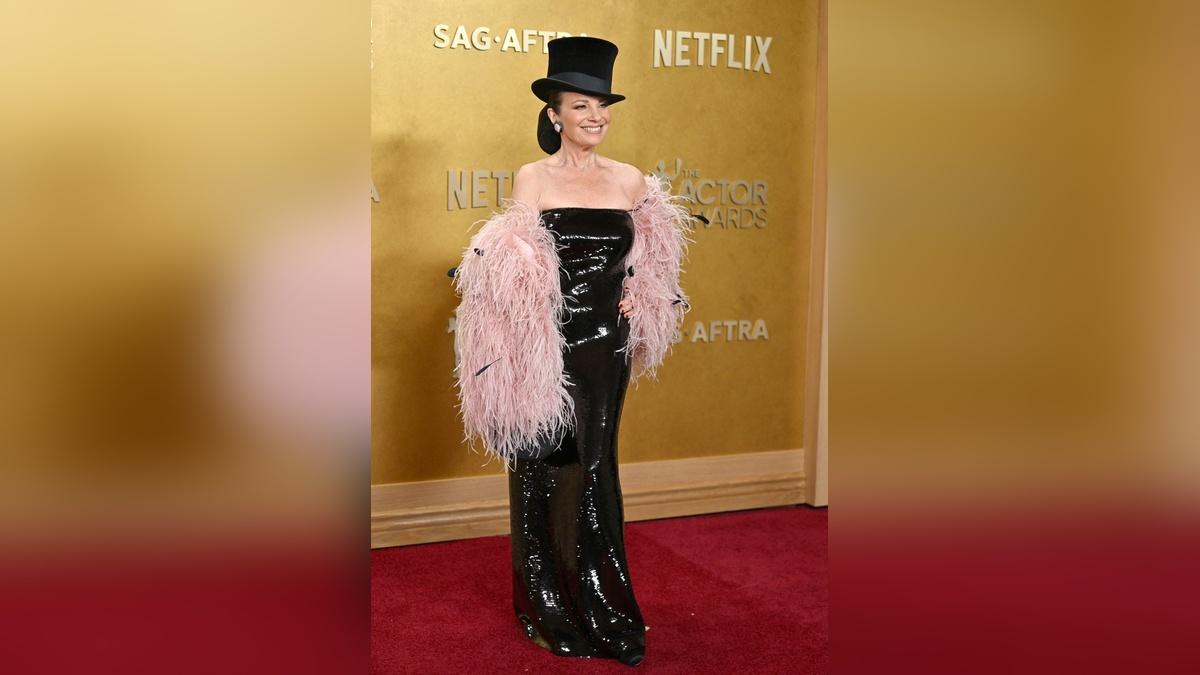
Fran Drescher, the esteemed President of SAG-AFTRA and a nominee for her role in Marty Supreme, brought an undeniable theatrical flair to the red carpet that garnered mixed reviews. Eschewing a traditional gown, Drescher presented a dramatic ensemble featuring a striking black top hat, a voluminous pink feathered shawl, and a sleek, strapless black sequin gown. While her confidence was apparent, many fashion commentators found the combination disjointed, perceiving it as more suited for a Broadway opening night than a prestigious awards ceremony. Drescher herself had teased the look on Instagram, expressing excitement for her nomination for Best Ensemble, but the overall execution was deemed by some as an unfortunate deviation from classic red carpet sophistication. Her choice highlighted the fine line between bold self-expression and an incongruous aesthetic in high-profile fashion events.

Teyana Taylor’s Nude Illusion and Family Moment
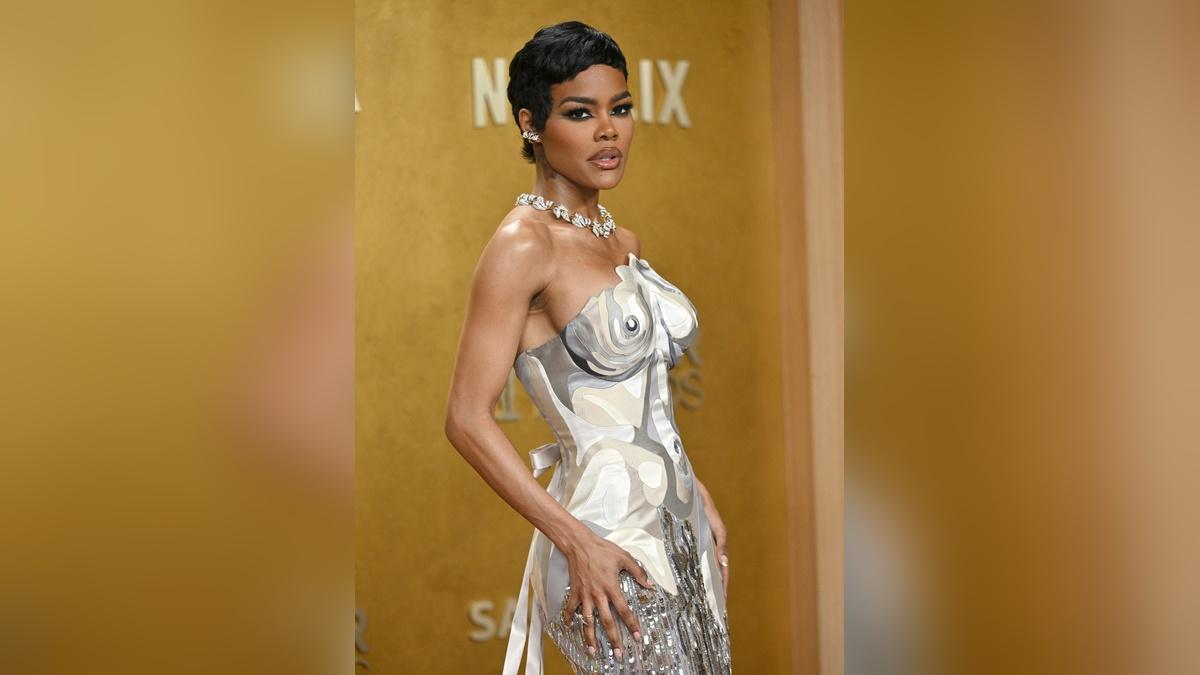
Singer and actress Teyana Taylor, nominated for Outstanding Performance by a Female Actor in a Supporting Role for One Battle After Another, sparked considerable conversation with her Thom Browne creation. The gown, described as a "painted nude dress," featured an intricate design adorned with 400,000 sequins and 175,000 beads, crafted to create an illusion of bare skin. The look became instantly viral due to an apparent "nip slip" that ignited discussions about intentionality versus accident. While some praised the daring artistry of the gown, others questioned its appropriateness for the formal event, particularly given the perceived wardrobe malfunction. A touching moment saw Taylor’s 5-year-old daughter, Rue, adorably adjusting her mother’s train, momentarily diverting attention from the controversial garment and adding a humanizing touch to an otherwise audacious fashion statement. This juxtaposition of high fashion and heartfelt family interaction became one of the evening’s most talked-about occurrences.
Nava Rose Rabago’s Avant-Garde Misstep
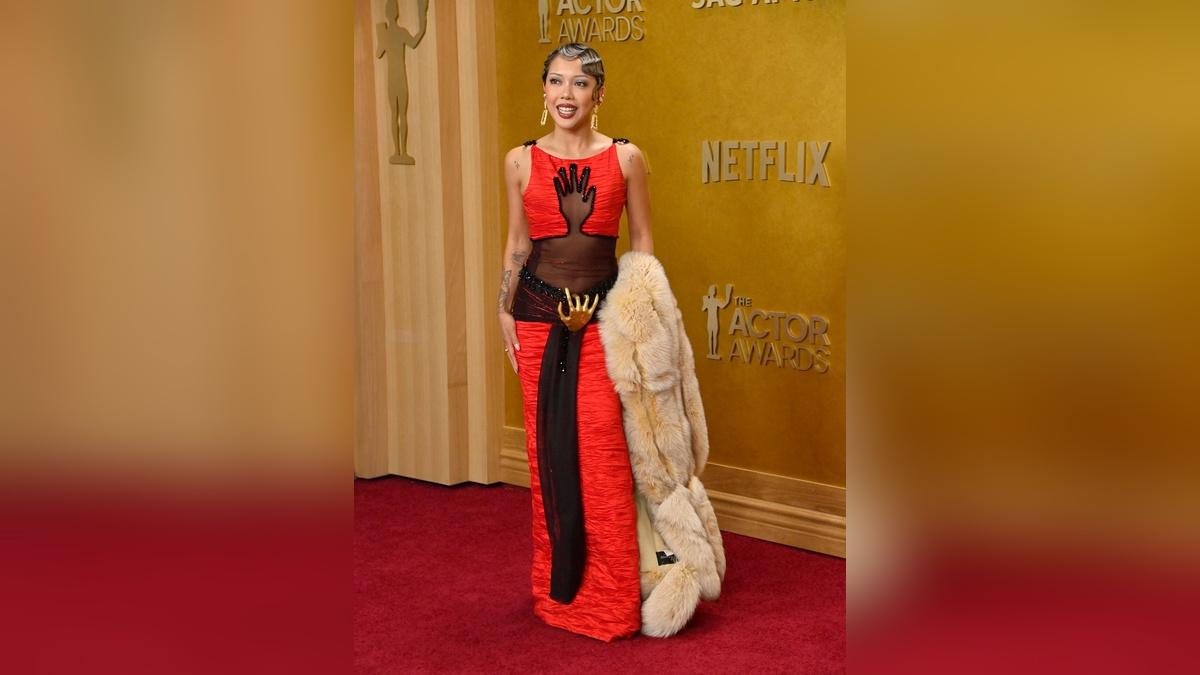
Social media personality Nava Rose Rabago aimed for avant-garde but landed squarely on the worst dressed list with a particularly provocative ensemble. Her ruched red gown, notable for its sheer waist detailing, was dominated by a metallic gold hand strategically placed in front of her crotch. Accentuating the unusual choice, Rabago draped a large fur shawl over her arm. Critics widely panned the outfit as an attempt at shock value that overshadowed any artistic merit. The design was criticized for its lack of subtlety and perceived vulgarity, failing to translate a bold concept into an elegant or even compelling red carpet statement. Rabago’s choice underscored the risks social media stars take in striving for viral moments, often at the expense of sartorial grace.
Mindy Kaling’s Sheer Ambition
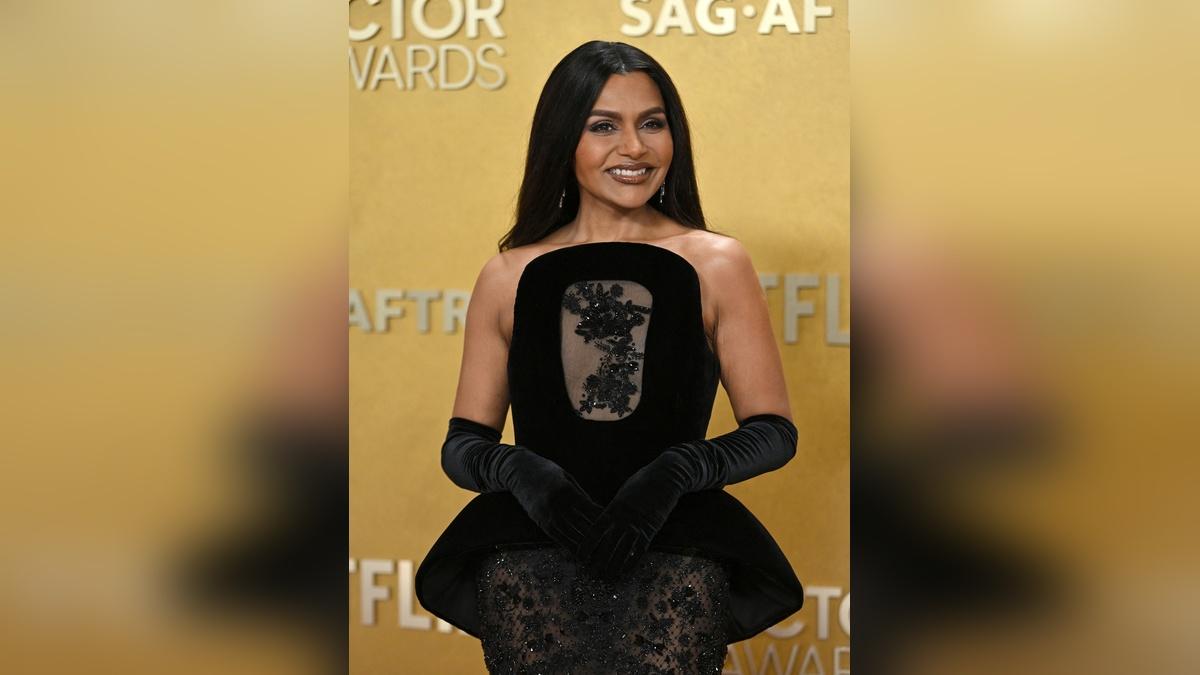
Mindy Kaling, known for her comedic talent and evolving style, presented a unique interpretation of the classic little black dress, though her execution proved divisive. She appeared in a structural black gown by Yara Shoemaker, featuring a velvet bodice and a prominent sheer cutout across her chest. The most debated element was the sheer black skirt, embellished with sequin detailing, which fully exposed her legs beneath. While Kaling’s attempt to put a modern, edgy spin on a traditional silhouette was noted, the sheer skirt was largely seen as detracting from the overall elegance of the gown. Critics suggested that the combination of structural elements, velvet, sheerness, and sequins created a busy and somewhat disjointed aesthetic, preventing the look from achieving its intended sophisticated yet daring effect.
Sandra Bernhard’s Muted Palette
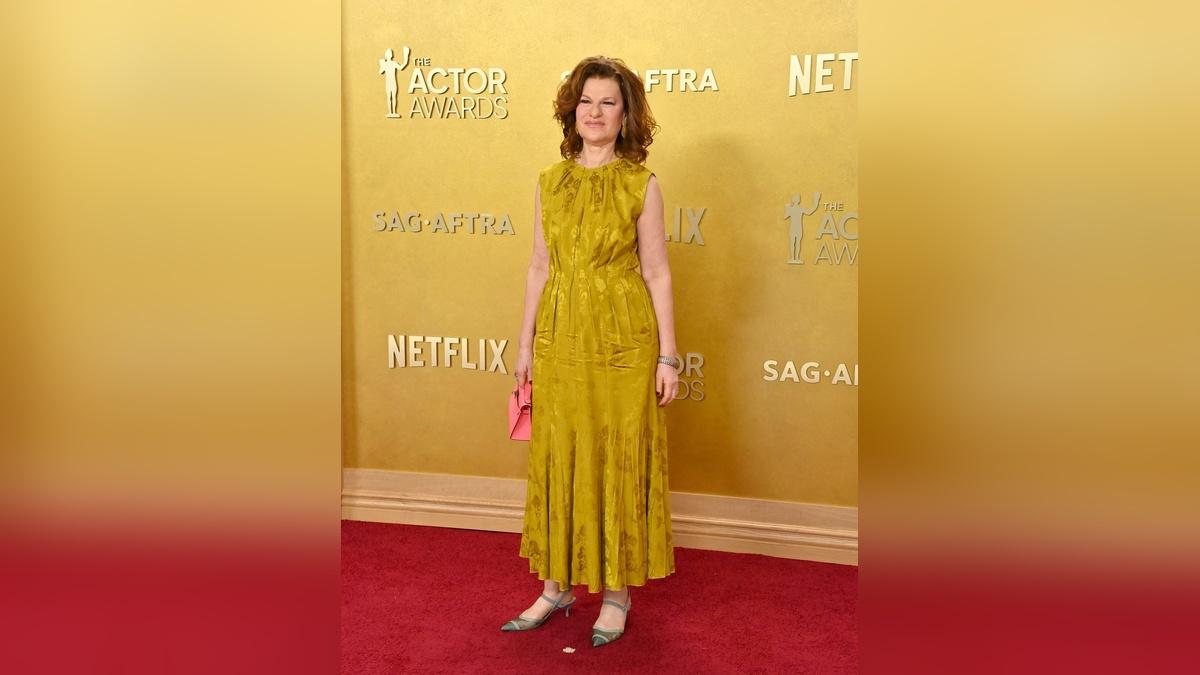
Comedian Sandra Bernhard opted for a considerably more understated, yet equally criticized, look. She appeared in a mustard-yellow maxi dress that was universally panned for its shapeless silhouette, which seemed to overwhelm her frame and lacked any discernible structure. The dress, described by some as resembling a "kitchen tablecloth," offered no discernible design elements or flattering cuts. To complete the ensemble, Bernhard carried a hot pink clutch, an accessory that, while adding a pop of color, appeared disconnected from the drabness of the main garment. Her choice highlighted how even simplicity can become a fashion misstep when execution falls short of creating a cohesive and polished appearance.
Demi Moore’s Tulle Tempest
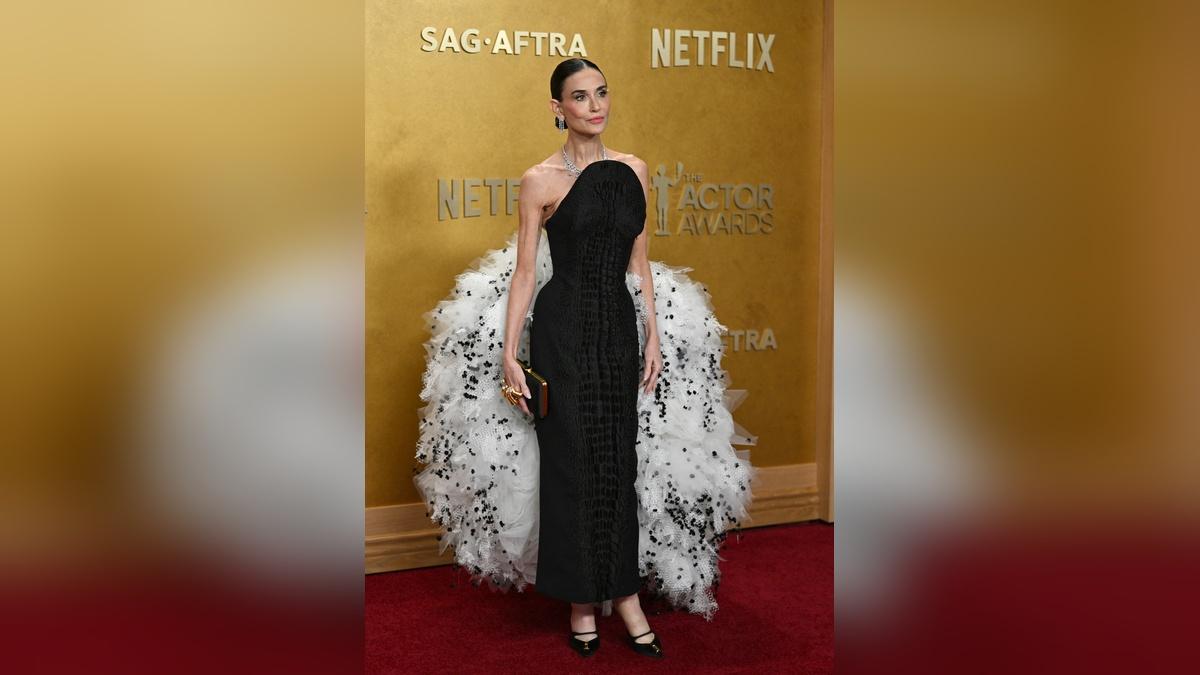
Demi Moore made a bold statement that conjured vivid, if unflattering, comparisons. Her avant-garde black dress, a creation by Schiaparelli, featured flamboyant white tulle accents that immediately brought to mind the iconic "Big Bird" character. While Schiaparelli is renowned for its surrealist and boundary-pushing designs, Moore’s ensemble was widely perceived as overwhelming her figure and veering into the realm of costumery rather than high fashion. The expansive tulle, while dramatic, dominated the silhouette and detracted from any potential elegance. This look followed Moore’s recent debut of a new bob haircut at Gucci’s Milan Fashion Week, signaling her willingness to experiment with her image. However, at the Actor Awards, her ambitious sartorial venture was largely deemed a miscalculation, demonstrating the fine line between artistic expression and an unwearable statement piece.
Ethan Hawke’s Unconventional Layering
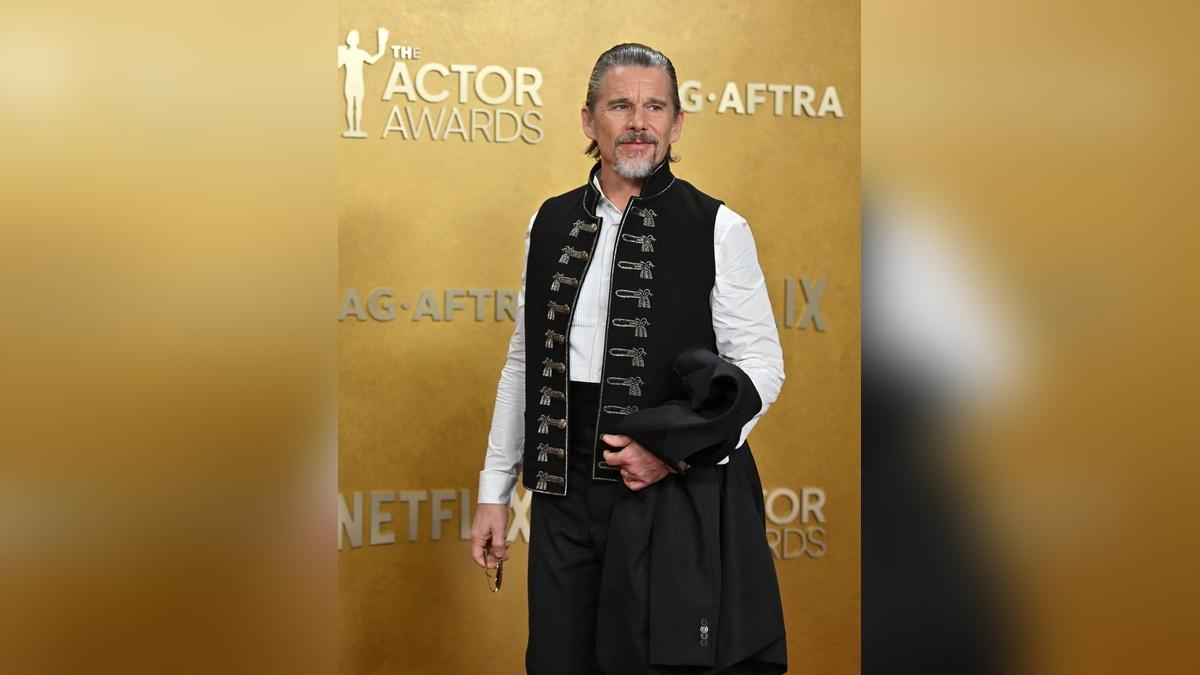
Actor Ethan Hawke, nominated for Outstanding Performance by a Male Actor in a Leading Role for his portrayal of Lorenz Hart in Blue Moon, presented an unconventional choice for male red carpet attire. He layered a military-inspired black Dior vest over a crisp white dress shirt and black trousers. He completed the look by carrying a black coat over his arm and sunglasses in hand. While male celebrities increasingly experiment beyond the traditional tuxedo, Hawke’s vest was largely seen as an overly casual or thematic element for such a formal event. Critics questioned the practicality and aesthetic coherence of the military vest, suggesting it undermined the gravitas typically associated with awards show fashion. His attempt at a rugged yet refined look ultimately fell short, proving that even a subtle deviation from traditional menswear can land one on the worst dressed stars list.
Regina Hall’s Striped Peplum Dilemma
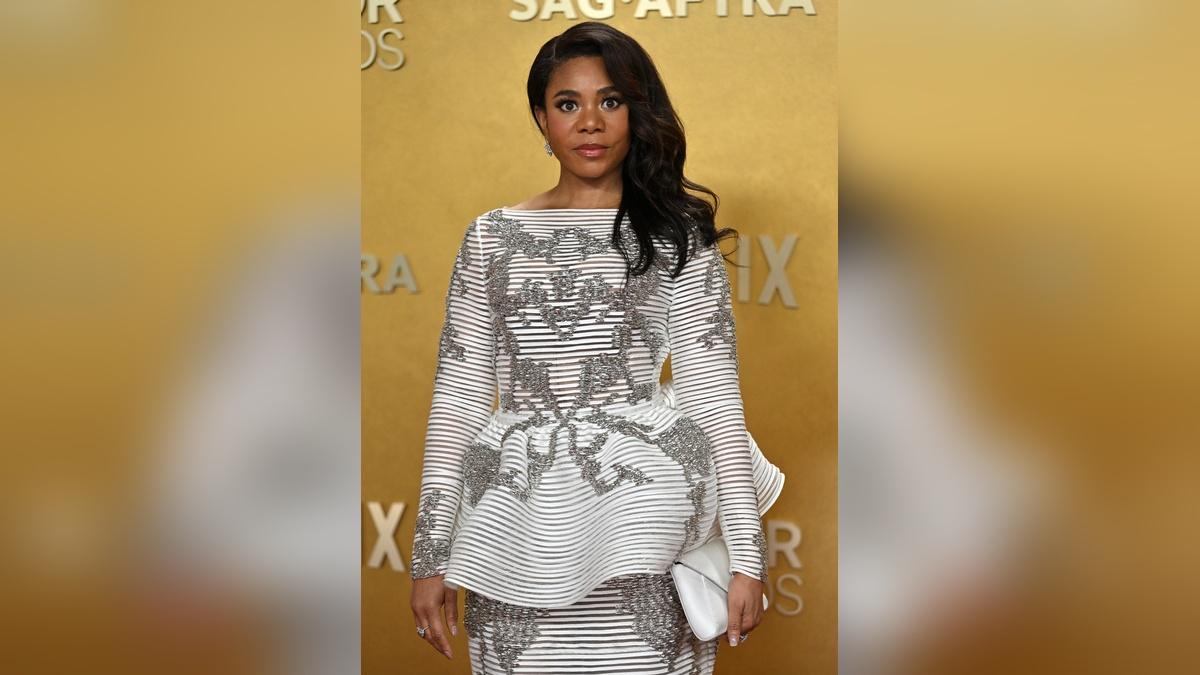
Regina Hall, making her Actor Awards debut and nominated for Best Ensemble in a Motion Picture alongside Teyana Taylor for One Battle After Another, arrived in a Cong Tri striped long-sleeved dress. The gown featured an exaggerated peplum detail, but its overall design and pattern drew unflattering comparisons to a "prison jumpsuit." The bold, stark stripes combined with the pronounced peplum created a silhouette that was deemed cumbersome and unflattering. Critics argued that the dress’s design overwhelmed Hall’s frame and failed to convey the sophistication expected at a high-profile awards ceremony. Her choice became a stark reminder that even acclaimed designers can produce pieces that, when translated to the red carpet, fail to resonate positively with fashion observers.
The Enduring Impact of Red Carpet Debates
The 2026 Actor Awards proved once again that while the focus remains on cinematic achievements, the red carpet fashion is an equally critical component of the cultural conversation. The outfits worn by Fran Drescher, Teyana Taylor, Nava Rose Rabago, Mindy Kaling, Sandra Bernhard, Demi Moore, Ethan Hawke, and Regina Hall sparked immediate online debates, generating countless memes and critiques across social media platforms. These sartorial choices, whether intentional provocations or genuine misjudgments, contribute significantly to the enduring narrative of awards season. They underscore the immense pressure on celebrities to stand out, often leading them to take bold risks that, for better or worse, become indelible parts of awards show history and shape public perceptions of celebrity style for years to come.