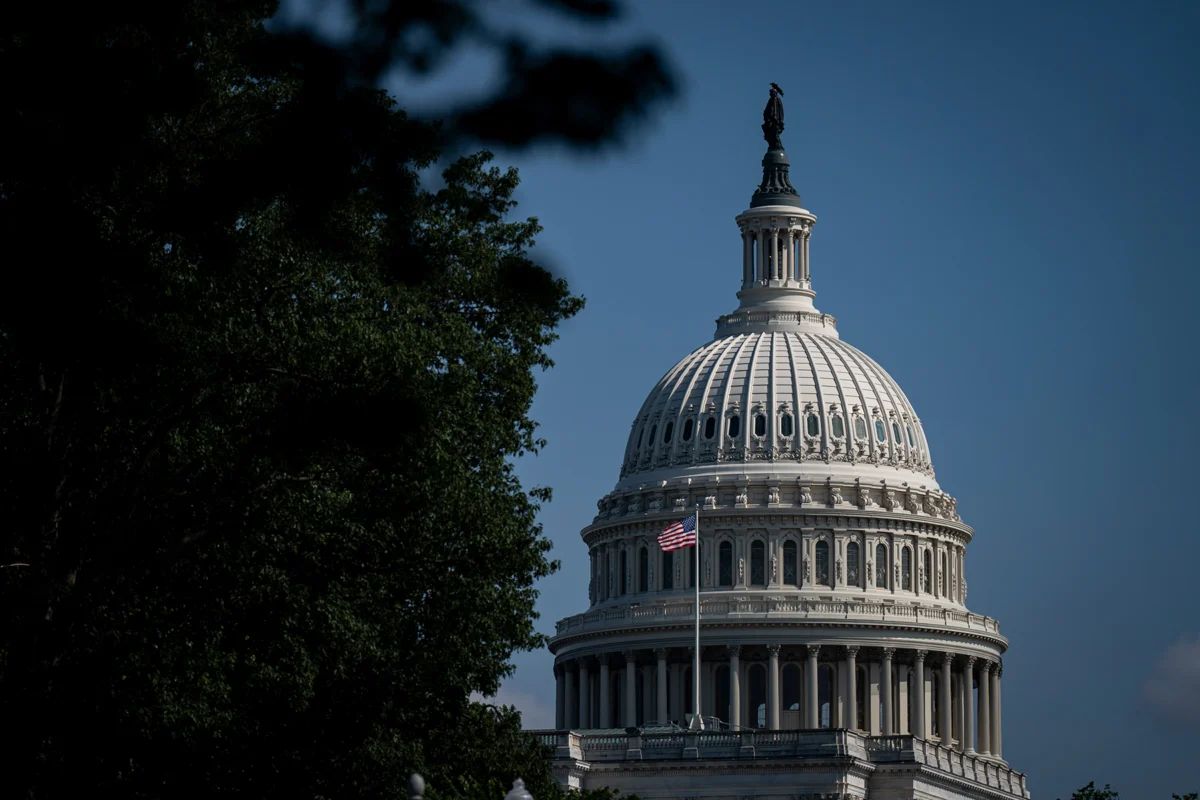
The 119th Congress is currently considering a range of federal legislation that could significantly reshape the music industry, impacting artists, consumers, and businesses across various sectors including songwriting, licensing, tourism, royalties, ticketing, and live performances. These proposed bills have garnered bipartisan support, with both Democratic and Republican lawmakers engaged in their deliberation. Key industry organizations, such as the Recording Academy and the Recording Industry Association of America (RIAA), along with major corporate entities like the primary record labels and Live Nation, are actively lobbying for their advancement.
The legislative journey is often intricate, with bills frequently reintroduced across different congressional sessions and sessions, sometimes appearing in distinct versions within the Senate and the House of Representatives. This process involves thorough committee reviews, public hearings, and potential revisions before any bill can be brought to the floor for a vote. Should a bill successfully pass both chambers, it then proceeds to the President’s desk for consideration and potential signature into law.
To provide a comprehensive overview, a detailed compilation of music-related legislation currently before the 119th Congress has been assembled. This includes historical context for each bill, the key stakeholders supporting its passage, and the potential ramifications for the music ecosystem. Developments concerning each piece of proposed legislation are being continuously monitored, and this list will be updated as bills progress through the legislative chambers. New bills, as they are introduced, will also be added, along with an explanation of their relevance to the music business.
Key Legislative Areas Under Consideration
The current legislative agenda reflects a broad spectrum of concerns within the music industry. Several bills address the fundamental economic structures that govern how music is created, distributed, and consumed. These range from ensuring fair compensation for artists and songwriters to modernizing copyright laws in the digital age. The involvement of major industry players underscores the perceived significance of these legislative efforts, highlighting a unified front in advocating for changes that could define the future of music commerce and creative rights.
Modernizing Copyright and Royalties
A central theme in the current congressional discussions is the need to update copyright laws and royalty distribution mechanisms to align with contemporary music consumption patterns. The digital revolution has introduced new avenues for music access but has also created complexities in ensuring equitable remuneration for creators and rights holders.
The Songwriter and Producer Fair Compensation Act
This proposed legislation aims to address long-standing issues regarding the compensation of songwriters and music producers, particularly in the context of digital streaming. Advocates argue that current royalty rates do not adequately reflect the creative contributions of these essential figures in music creation. The bill seeks to establish clearer guidelines for royalty payments and potentially increase the share of revenue directed towards songwriters and producers.
- Background: Songwriters and producers have historically faced challenges in receiving fair compensation, especially as the music industry shifted from physical sales to streaming models. The complex web of royalty calculations and the varying rates offered by different platforms have led to ongoing debate.
- Key Provisions: The act would likely propose adjustments to statutory royalty rates for mechanical licenses, which are paid when a song is reproduced, and potentially introduce new frameworks for digital performance royalties that better acknowledge the value of songwriting and production.
- Industry Impact: If passed, this bill could lead to a significant redistribution of revenue within the music industry, potentially benefiting a vast number of creators. It could also spur innovation in royalty tracking and payment systems.
The Music Modernization Act (MMA) Amendments
Building on the foundational MMA, which updated copyright law for the digital age, certain proposed amendments seek to further refine its provisions. These amendments could address unintended consequences or expand its scope to cover emerging digital platforms and technologies.
- Background: The original MMA, passed in 2018, was a landmark piece of legislation that modernized copyright in the digital era, notably by establishing a mechanical licensing collective (MLC) to administer digital mechanical royalties.
- Potential Amendments: Discussions may revolve around the efficiency and transparency of the MLC, the rates for digital mechanical licenses, and the inclusion of certain types of audio-visual content under its purview.
- Industry Impact: Any amendments to the MMA would have a direct bearing on how digital royalties are collected and distributed, affecting streaming services, music publishers, and artists alike.
Supporting Live Music and Tourism
Legislation focused on the live music sector and its contribution to tourism aims to bolster an industry that has faced significant challenges, particularly in recent years. These bills often seek to ease regulatory burdens, promote cultural tourism, and ensure the economic viability of venues and festivals.
The Live Music Venue Preservation Act
This legislation is designed to provide financial and regulatory relief to independent live music venues, many of which are considered vital cultural hubs but struggle with rising operating costs and competition.
- Background: Independent music venues, from small clubs to larger halls, are crucial for emerging artists and for fostering local music scenes. However, they often operate on thin margins and are vulnerable to economic downturns and zoning challenges.
- Key Provisions: The act could include provisions for tax credits, grants, or low-interest loans specifically for music venues. It might also address zoning laws or noise ordinances that can impact venue operations.
- Industry Impact: Such a bill would provide much-needed support for the live music infrastructure, helping to sustain a vibrant performance ecosystem and preserve cultural spaces. This, in turn, can boost local economies through job creation and increased tourism.
The Cultural Tourism and Entertainment Act
This broader piece of legislation aims to leverage the appeal of music and other cultural attractions to boost domestic and international tourism. It recognizes the economic power of the arts and entertainment sectors in drawing visitors to cities and regions.
- Background: Music festivals, concert tours, and iconic music landmarks are significant draws for tourists. This act seeks to harness that potential through strategic investment and promotion.
- Key Provisions: The bill could propose federal funding for tourism initiatives that highlight musical heritage, support for music-related festivals and events, and streamlined visa processes for international artists and tourists attending cultural events.
- Industry Impact: By promoting music as a tourism asset, this legislation could lead to increased demand for live performances, create new economic opportunities for artists and related businesses, and stimulate growth in the hospitality and tourism sectors.
Addressing Ticketing and Consumer Access
The practices surrounding ticket sales, particularly for high-demand events, have become a significant concern for consumers. Several bills are being considered to increase transparency and fairness in the ticketing marketplace.
The Fan Fairness in Ticketing Act
This bill targets predatory ticketing practices, aiming to provide consumers with more equitable access to tickets and clearer information about pricing and availability.
- Background: The rise of large-scale resale markets and the use of sophisticated bots by ticket scalpers have made it difficult for many fans to purchase tickets at face value. This has led to frustration and accusations of price gouging.
- Key Provisions: The act could mandate greater transparency in primary and secondary ticket markets, prohibit the use of bots to circumvent purchase limits, and potentially cap resale prices or ensure that a significant portion of tickets are sold directly to consumers.
- Industry Impact: This legislation could significantly alter the dynamics of the ticketing industry, potentially reducing the influence of scalpers and resale platforms, and making it easier for fans to attend live events. It could also impact the revenue streams of primary ticketing companies and event promoters.
The Transparent Ticketing Act
Similar to the Fan Fairness Act, this legislation focuses on ensuring that consumers have a clear understanding of all fees and pricing associated with ticket purchases.
- Background: Many consumers have expressed frustration with the proliferation of hidden fees that are added at the final stages of the checkout process, significantly increasing the final cost of a ticket.
- Key Provisions: The act would likely require the upfront disclosure of all ticket prices, including service fees, facility fees, and any other surcharges, before the final purchase is completed.
- Industry Impact: Increased transparency in ticketing could lead to more informed purchasing decisions by consumers and potentially pressure ticketing platforms to reduce or justify their fee structures.
The Legislative Process and Industry Advocacy
The path from a proposed bill to enacted law is complex and often protracted. Bills introduced in the House of Representatives or the Senate must navigate committees, undergo debates, and secure a majority vote in both chambers before reaching the President. Many bills are reintroduced in subsequent Congresses if they fail to pass.
Industry organizations like the Recording Academy and the RIAA play a crucial role in this process by engaging with lawmakers, providing expert testimony, and mobilizing their members to advocate for legislation that aligns with their interests. Their involvement underscores the significant economic and cultural stake the music industry has in these legislative outcomes.
The bipartisan nature of many of these bills suggests a growing consensus on the need to address the evolving challenges and opportunities within the music sector. As the 119th Congress continues its work, the outcomes of these legislative efforts will undoubtedly shape the future landscape of music creation, distribution, and consumption for years to come. The ongoing monitoring of these bills is essential for anyone involved in or affected by the music industry.