The 2026 Asian Games, set to commence this weekend in Japan’s Aichi prefecture and Nagoya city, are already facing significant challenges due to a severe accommodation shortage, raising concerns among participating nations and athletes about the quality and suitability of the provided facilities. Organizers opted against constructing a dedicated, purpose-built athletes’ village for the approximately 17,000 competitors and officials, a decision aimed at cost-cutting that has now precipitated a crisis as the Games draw near.
A Housing Crunch for the Continent’s Elite Athletes
The decision to forgo a traditional athletes’ village has led to a patchwork of alternative housing solutions, including a large cruise ship, prefabricated wooden cabins, and existing hotel rooms. This unconventional approach has drawn sharp criticism in the days leading up to the continental competition, with some delegations expressing outright dismay at the living conditions. The situation has put organizers in a difficult position, attempting to manage international expectations while dealing with logistical complexities and the tangible complaints of athletes and their support staff.
South Korean officials, in particular, have been vocal in their criticism. On Monday, representatives from South Korea decried the beds within shipping container-style huts as the "worst-ever," with the chief of the South Korean basketball delegation stating that the beds were too short for athletes to properly stretch out. This pointed critique highlights a fundamental issue: the accommodation provided appears ill-suited for the needs of elite athletes, many of whom are taller than average and require adequate rest and space to perform at their peak.
The Root Causes of the Asian Games Accommodation Crisis
The primary driver behind the accommodation crisis, according to the official housing committee, was an underestimation of the final number of participants. The committee had initially projected around 15,000 athletes and officials, a figure that ballooned significantly as new sports were added to the Games’ roster. This year’s edition features several emerging disciplines, including mixed martial arts, padel, and surfing, alongside innovative additions like virtual taekwondo and teqball – a sport that blends elements of football and table tennis. The expansion of the sporting program, while intended to broaden the appeal of the Games, inadvertently exacerbated the strain on already limited housing resources.
Chief organizer Hideaki Omura, who also serves as the governor of Aichi prefecture, acknowledged the concerns and assured that efforts are being made to ensure athlete comfort. "If there are different opinions, then we will respond to them appropriately," Omura stated to AFP news agency. He emphasized a proactive approach, noting that improvements are being made as issues arise and that this responsive strategy will continue throughout the Games. Omura also pointed to a committee of former athletes, including Olympians, who had previously reviewed the accommodation plans and offered a favorable assessment, deeming the temporary structures "functional and good."
A Mix of Cruise Liners, Cabins, and Hotels for Athletes
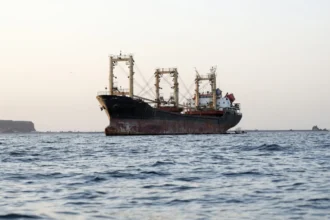
The diverse range of accommodation options reflects the unconventional strategy employed by the Aichi-Nagoya organizers. The Italian cruise ship, Costa Serena, a vessel capable of housing approximately 4,000 athletes and officials, arrived in Nagoya earlier this week and has been designated as a floating hotel. This maritime solution offers a more traditional, albeit still temporary, living space for a significant portion of the participants.

Complementing the cruise ship are the prefabricated wooden container-style huts located in the dock area of Japan’s largest port. These units are set to accommodate another 2,000 athletes and officials. While designed for efficiency and cost-effectiveness, their compact nature has become a focal point of complaints.
Mounting Criticisms and Logistical Nightmares
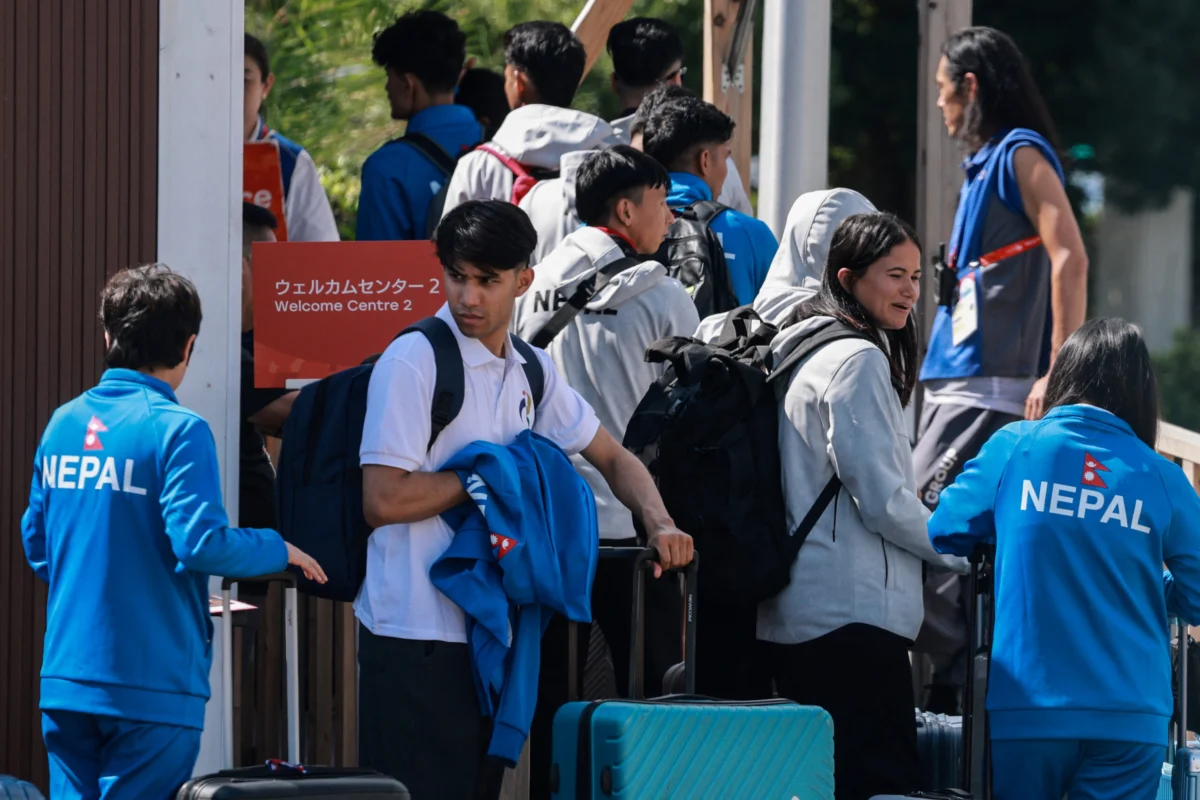
The practical implementation of these housing arrangements has revealed significant logistical challenges. On Thursday, Hisashi Mizutori, Japan’s deputy Chef de Mission, detailed a series of issues encountered as athletes began checking into the cruise ship village. He reported instances where coaches, team officials, and athletes were assigned to the same rooms, disrupting privacy and team dynamics. Furthermore, room assignments have sometimes been made solely based on numerical capacity, leading to awkward situations such as the co-assignment of male and female participants, or the placement of trainers with extensive medical equipment needs into rooms lacking adequate space or facilities.
Mizutori also indicated that the Japanese Olympic Committee (JOC) had anticipated such "challenges" and had proactively secured hotel rooms in the city as a contingency. "We are currently working to coordinate and negotiate adjustments wherever possible. For cases where that proves too difficult, we are considering using the backup accommodations that Team Japan prepared in advance as alternatives," he explained, underscoring the ongoing efforts to mitigate the fallout from the housing deficit.
Nations Voice Dissatisfaction with Athlete Living Conditions
The discontent is not confined to a single delegation. The South Korean basketball association’s vice president, Jung Jae-yong, minced no words in his criticism of the container huts. "Athletes who are over two meters tall cannot even stretch their legs out on the beds. It’s unreasonable," he stated, echoing the sentiments of athletes facing physical discomfort. Jung also accused the organizers of a lack of responsiveness to South Korea’s concerns, asserting, "The organizers have still not said anything." This lack of communication further fueled anxieties, prompting discussions within the Korean Sport and Olympic Committee about potential courses of action.
Adding to the negative reports, South Korean basketball player Byeon Jun-hyeong shared a video on social media showcasing a leaking sink and a soaked floor within his accommodation unit, a stark visual testament to the substandard conditions. His plea, "Please help us," resonated with the broader concerns about athlete welfare.
The Philippine Olympic Committee president, Abraham Tolentino, also reported complications. While all Filipino athletes were assigned rooms, "some officials, like coaches, were moved to different hotels and Airbnb," indicating a tiered system of accommodation or a scramble to find space for all accredited personnel.

Cricket Teams Set for Superior Lodging
Intriguingly, reports have emerged suggesting that cricketers might receive preferential accommodation. Naoki Alex Miyaji, head of Japan’s cricket association, indicated in early September that cricket teams would be housed in better facilities than those provided for many other sports. This disparity is attributed to the fact that the cricket tournament is being jointly managed by the Asian Games organizing committee and the Asian Cricket Council, allowing for longer-term discussions and potentially better arrangements.
"The participating teams in cricket are being offered hotel accommodation," Miyaji confirmed. "Many other sports are being accommodated in much more limited facilities, such as a cruise ship or container hotels." This perceived favoritism has the potential to create further friction among delegations, exacerbating the already tense atmosphere surrounding the Games.
Beyond Accommodation: Weather Woes and Schedule Disruptions
The accommodation crisis is not the only challenge facing the Aichi-Nagoya Asian Games. While the official opening ceremony is still on the horizon, several sports, including basketball, football, cricket, hockey, and modern pentathlon, have already commenced. However, the Games are also contending with adverse weather conditions.
Tropical Storm Dujuan was located off Japan’s Pacific coast, heading northwest towards central Japan, including Nagoya, as of early Thursday. This follows a week of torrential rains that battered Nagoya and surrounding areas, leading to school closures and the suspension of train services. The extreme weather also forced several hundred athletes to evacuate their temporary accommodations, highlighting the vulnerability of the chosen housing solutions to environmental factors.
Kosei Inoue, Japan’s chef de mission for the Games and a senior executive board member of the JOC, acknowledged the precarious situation. He noted that some competitions have already experienced "delays or postponements, and there is also a possibility that a typhoon could approach on September 21." The JOC is reportedly holding "thorough meetings" to ensure readiness and the capacity to respond effectively to these unfolding circumstances. The convergence of accommodation issues and severe weather creates a complex operational challenge for organizers as they strive to deliver a successful continental sporting event.