The United States government has committed up to $414 million in financing for a significant uranium project in Niger, a move that could reshape American strategic interests in West Africa and bolster relations with Canada, just two years after the U.S. agreed to withdraw its military personnel from the Sahelian nation. The substantial investment, approved by the U.S. International Development Finance Corporation (DFC), signals a renewed focus on securing critical mineral resources and asserting influence in a region increasingly courted by global powers.
The DFC’s approval backs the Dasa uranium project, developed by Canadian mining company Global Atomic. The company touts the Dasa site as Africa’s highest-grade uranium deposit, a designation that underscores its potential importance for global energy markets and national security. This financial backing comes at a pivotal moment for Niger, which has recently experienced significant political upheaval and a pivot in its international alliances.
A Strategic Pivot in U.S.-Niger Relations
The investment marks a significant departure from the recent past, when U.S.-Niger relations were strained by the decision to withdraw approximately 1,000 American troops. This withdrawal, finalized in early 2024, followed the 2023 coup that brought a military junta to power in Niger. The new regime, having declared U.S. military presence "illegal," subsequently sought security cooperation with Russia, mirroring a broader trend of geopolitical realignments across the Sahel.
Despite the troop departure and Niger’s burgeoning ties with Russia, Washington appears to be pursuing a strategy of re-engagement through economic and resource diplomacy. Sources familiar with the decision-making process indicated that U.S. Ambassador Kathleen FitzGibbon played a crucial role in advocating for renewed ties with Niger and supporting the Global Atomic project. This push gained momentum under the Trump administration’s emphasis on deal-making and strategic partnerships in Africa.
Securing Critical Minerals Amidst Geopolitical Competition
The Dasa uranium project’s strategic value extends beyond its potential economic returns. Niger, already the world’s seventh-largest uranium producer, is embroiled in a complex dispute with the French state-backed miner Orano, which has historically dominated the country’s uranium sector. The U.S. investment in a project led by a North American entity could offer an alternative pathway for accessing Niger’s rich uranium reserves, potentially at a time when global demand for the nuclear fuel is on the rise due to climate change mitigation efforts and energy security concerns.
This strategic positioning aims to preempt rival powers from gaining exclusive access to a vital resource. Uranium, recently added to the U.S. critical minerals list, is essential for nuclear power generation, a key component in many countries’ plans to decarbonize their energy grids. The U.S. move underscores a growing global competition for resources deemed critical for economic stability and national security.
Global Atomic’s Dasa Project: A High-Grade Opportunity
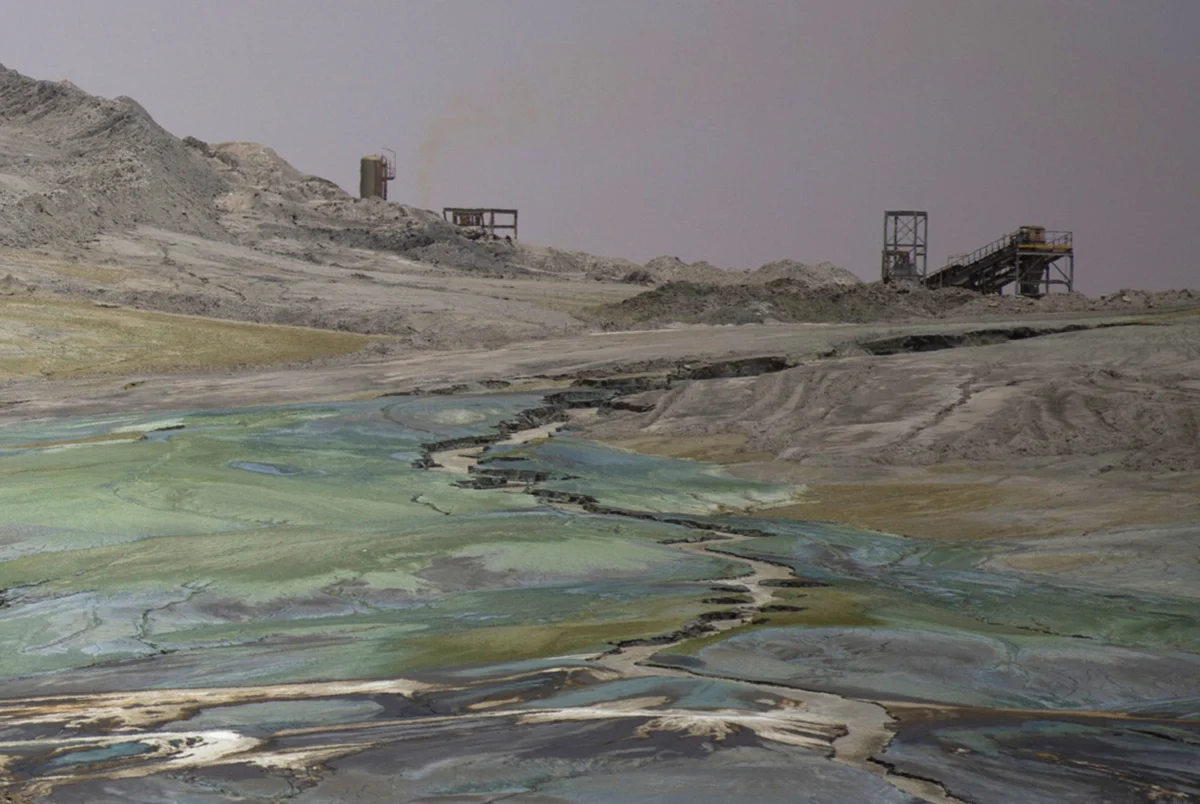
Global Atomic’s Dasa project is situated in the northern Agadez region of Niger, an area known for its mineral wealth but also its persistent security challenges. The company has described the deposit as one of the world’s largest and highest-grade uranium discoveries in decades. The successful development of this project could significantly boost Niger’s export revenues and its role in the global uranium supply chain.
The breakthrough in securing U.S. financing reportedly came after a summer visit to Washington by Global Atomic CEO Stephen Roman. His meetings with U.S. officials were instrumental in resolving outstanding issues that had delayed the DFC’s approval, demonstrating the commitment from both the company and the U.S. government to push the project forward.
Rebuilding U.S.-Canada Ties Through Resource Diplomacy
Beyond its implications for U.S.-Niger relations, the investment also presents an opportunity to mend and strengthen ties between the United States and Canada. The two neighboring countries have experienced friction in recent years, including trade disputes. By backing a Canadian mining company’s significant project in Africa, Washington is signaling a commitment to collaborative economic ventures that benefit North American allies.

This joint endeavor could serve as a model for future cooperation in securing critical resources and promoting democratic and market-based economic principles abroad. It highlights how shared strategic interests can transcend bilateral economic disagreements.
Navigating Security and Political Risks in Niger
Despite the significant financial commitment and strategic optimism, the Dasa project faces considerable hurdles. Niger’s internal security situation remains volatile. In August 2026, a group of soldiers launched coordinated attacks in the capital, Niamey, targeting a key military airbase, the presidential palace, and other sensitive locations in what authorities described as an attempted mutiny.
Following these events, Niger’s military government accused France of orchestrating the offensive, a claim that France vehemently denied. Such incidents underscore the inherent political and security risks associated with large-scale investments in the region. Global Atomic is reportedly exploring alternative export routes for its uranium to mitigate these security concerns.
One proposed solution involves investing in a northern route that would traverse Algeria and cross the Sahara Desert. This potential logistical solution is bolstered by strengthening ties between Niger and Algeria, a neighboring country that sent aircraft to assist Niger’s government in responding to the attempted coup. Algeria’s engagement suggests a growing regional alignment that could facilitate crucial infrastructure development.
The Broader Context: Uranium’s Resurgence and Geopolitical Shifts
The U.S. investment in Niger’s uranium sector is occurring against a backdrop of renewed global interest in nuclear energy as a clean energy solution. Uranium, a key component in nuclear fuel, has been elevated in strategic importance, prompting a closer examination of global supply chains and potential vulnerabilities. The U.S. addition of uranium to its critical minerals list last year reflects this heightened awareness and the desire to secure domestic access to essential materials.
This strategic focus on resources like uranium is also intertwined with broader geopolitical shifts. As Western nations reassess their presence and influence in regions like the Sahel, the pursuit of economic partnerships and resource access becomes a primary tool for maintaining strategic relevance. The U.S. approach in Niger suggests a pragmatic strategy of leveraging economic ties to advance national interests, even in the absence of a direct military presence.
Future Implications and Challenges
The long-term success of the Dasa uranium project and the broader implications of the U.S. investment will depend on several factors. The stability of Niger’s political environment will be paramount. Continued political volatility or escalating security threats could deter further investment and complicate operational logistics.
Furthermore, the evolving relationship between Niger and Russia, as well as its ties with other global players, will shape the geopolitical landscape in which the project operates. The U.S. strategy appears to be a calculated effort to secure a critical resource while navigating complex and often unpredictable regional dynamics.
The investment by the U.S. Development Finance Corporation in Global Atomic’s Dasa project is more than just a financial transaction; it represents a significant strategic bet by Washington. It signals a commitment to maintaining influence and securing vital resources in a region undergoing profound transformation, while simultaneously aiming to strengthen alliances with key partners like Canada. The coming years will reveal whether this ambitious endeavor can overcome the considerable challenges and deliver on its strategic promise for all involved.