A profound demographic shift across East Asia is fueling an unprecedented technological evolution in how individuals navigate grief, with artificial intelligence and digital innovations offering novel ways to commemorate and reconnect with departed loved ones. This transformation is being driven by a confluence of rapidly aging populations, dwindling burial spaces, and a burgeoning market for digital memorialization. As societies in Japan, South Korea, and Taiwan grapple with these challenges, innovators are emerging with solutions ranging from hyper-realistic AI avatars to tangible DNA-infused keepsakes, prompting a complex societal dialogue about healing, remembrance, and the very essence of human connection.
The Demographic Tide: Aging Populations and Evolving Grief
Japan, South Korea, and Taiwan are at the forefront of a demographic tsunami, experiencing some of the world’s fastest aging populations. This societal reality is reshaping traditional practices surrounding death and remembrance. With fewer young people to care for an increasing elderly population, and a growing scarcity of traditional burial plots, existing customs are under immense pressure.
In densely populated urban centers, the cost and availability of traditional burial services have become prohibitive for many families. This economic and logistical strain is creating fertile ground for alternative memorialization methods that are both accessible and emotionally resonant. The cultural imperative to honor ancestors and maintain familial ties is now intersecting with cutting-edge technology.
The Rise of Digital Immortality: AI Avatars and Virtual Legacies
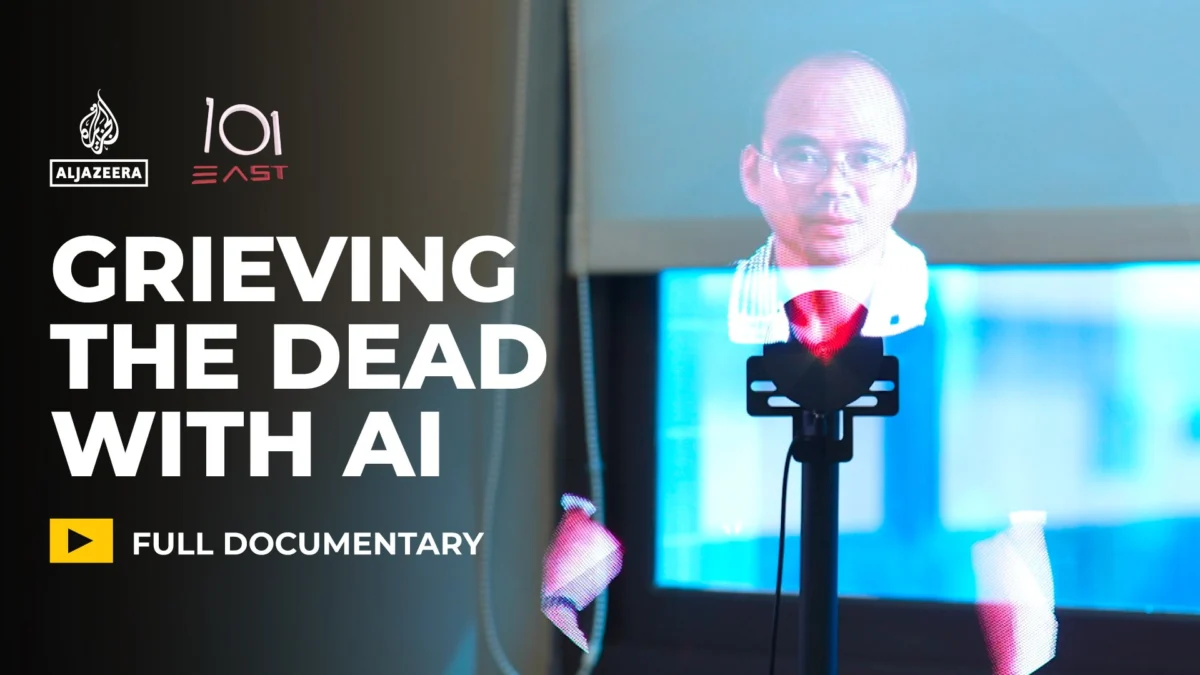
One of the most striking manifestations of this trend is the development of AI-powered avatars designed to emulate deceased individuals. These sophisticated digital replicas are capable of interacting with users, recalling memories, and even offering comfort, effectively bringing a semblance of the departed back to life. Companies are leveraging advanced machine learning algorithms and vast datasets of a person’s digital footprint – including social media posts, emails, and recorded conversations – to train these AI models.
The goal is to create an interactive experience that goes beyond static photographs or recorded messages. Users can engage in conversations, ask questions, and relive cherished moments through these digital proxies. This offers a unique avenue for those struggling with the finality of loss, providing a continuous link to the person they have lost.
Beyond Avatars: DNA Gems and Digital Remains
The innovation doesn’t stop at AI-driven conversations. The concept of digital remains is also gaining traction. This encompasses a range of technologies that aim to preserve a person’s essence in a digital format. One intriguing development involves the creation of "DNA gems" or jewelry, where a small portion of a person’s DNA is encapsulated in a precious stone.
This offers a tangible, albeit symbolic, connection to the departed, allowing loved ones to keep a physical memento that carries a fundamental part of their identity. The process typically involves collecting a biological sample, which is then processed and embedded into a custom-designed piece of jewelry. These creations serve as a modern-day reliquary, blending sentimentality with scientific advancement.
Furthermore, digital memorials are evolving into immersive online experiences. These virtual spaces can replicate a person’s favorite places, showcase their life story through multimedia, and allow family and friends to gather and share memories remotely. This is particularly significant in a globalized world where families are often geographically dispersed.
Navigating the Ethical Landscape: Healing or Hindrance?
The rapid advancement of these technologies raises profound ethical and psychological questions. While proponents argue that digital memorials can offer solace and aid in the grieving process, critics voice concerns about the potential for these tools to hinder genuine emotional processing and create an unhealthy reliance on artificial substitutes.
Psychologists and grief counselors are observing a complex interplay of emotions associated with these digital tributes. For some, interacting with an AI avatar can provide a sense of continued presence, allowing them to say goodbye gradually or seek closure on unresolved issues. The ability to revisit conversations or ask unanswered questions can be deeply therapeutic.
However, there is a risk that these technologies could create a perpetual state of mourning, preventing individuals from fully accepting the loss and moving forward. The uncanny resemblance and interactive capabilities of AI avatars, while comforting to some, can also be unsettling, blurring the lines between life and death in ways that may be psychologically challenging.
Societal Impact and Public Reaction
The emergence of these new memorialization practices is not without its societal implications. Traditional funeral homes and religious institutions are beginning to adapt, with some exploring partnerships with technology companies or developing their own digital memorial services. This integration represents a significant shift in a sector deeply rooted in centuries-old customs.
Public reaction has been mixed, reflecting a spectrum of acceptance, curiosity, and apprehension. Younger generations, more accustomed to digital interaction and the concept of online identities, often exhibit greater openness to these innovations. Older generations, however, may find these technological approaches alienating or even disrespectful to established traditions.
The economic impact is also noteworthy. The market for digital memorialization is rapidly expanding, attracting significant investment and fostering a competitive landscape among startups and established tech firms. This economic dynamism underscores the profound societal need that these technologies are attempting to address.
The Future of Farewell: A Blurring of Lines
As these technologies continue to mature, their integration into societal norms surrounding death and remembrance is likely to deepen. The concept of a "digital afterlife" is moving from science fiction to tangible reality, offering individuals unprecedented control over how they are remembered and how their loved ones can continue to connect with their legacy.
The ongoing debate centers on finding a balance between technological innovation and the fundamental human need for authentic connection and emotional healing. The ethical frameworks and psychological understanding surrounding digital memorialization are still in their nascent stages, requiring careful consideration and ongoing dialogue.
Ultimately, the way East Asia, and indeed the world, bids farewell to loved ones is undergoing a fundamental redefinition. The fusion of advanced AI, digital platforms, and biotechnological advancements is creating new avenues for remembrance, offering both profound comfort and complex challenges as societies navigate the evolving landscape of grief in the digital age. The long-term consequences of these transformative technologies on human psychology, social structures, and our collective understanding of life and death remain to be fully seen.