A Palestinian man was killed and others, including a child in critical condition, were injured when an Israeli airstrike targeted a motorcycle in the Sheikh Radwan neighborhood, west of Gaza City, on Friday, according to reports from the Palestinian Wafa news agency. The incident underscores the escalating violence in the besieged Gaza Strip, where civilian casualties continue to mount and the humanitarian situation deteriorates rapidly.
The attack on the motorcycle occurred amidst a broader pattern of Israeli military operations across Gaza. On the same day, Israeli forces reportedly opened fire on tents sheltering displaced persons in the Nuseirat and al-Bureij refugee camps in the central Gaza Strip, resulting in multiple injuries. These events follow a deadly "double-tap" airstrike earlier in the week that killed a paramedic and a 15-year-old schoolboy in Gaza City, which Israeli forces claimed targeted Hamas operatives.
The ongoing conflict, which began in October 2023, has exacted a devastating toll on the Palestinian population. Official figures indicate that since the start of the current escalation, at least 73,795 Palestinians have been killed and 174,869 wounded. These numbers represent a staggering loss of life and widespread injury, with a disproportionate impact on children. UNICEF has previously reported that, on average, one child has been killed per day in Gaza since a ceasefire was announced in October 2025.
Escalating Violence and Civilian Impact
The airstrike on the motorcycle in Sheikh Radwan is the latest in a series of deadly incidents that have characterized the conflict. The targeting of individuals on motorcycles, a common mode of transport in Gaza, raises serious concerns about the methods employed by Israeli forces and the potential for civilian harm. The critical condition of the injured child highlights the vulnerability of Gaza’s youngest residents to the ongoing violence.
The attacks on the Nuseirat and al-Bureij refugee camps further illustrate the pervasive nature of the conflict, impacting areas where many families have sought refuge. These camps, often overcrowded and lacking adequate resources, have become increasingly precarious environments for those displaced by the fighting. The targeting of tents sheltering civilians is a grave concern, potentially violating international humanitarian law.
Health Sector on Brink of Collapse
Compounding the immediate dangers of airstrikes and shelling, Gaza’s health sector is facing a catastrophic collapse, according to dire warnings from the Health Ministry. This crisis is largely attributed to Israel’s severe restrictions on the entry of medical aid and essential fuel into the enclave. The lack of these critical resources severely hampers the ability of hospitals and medical facilities to operate, treat the injured, and provide basic healthcare services.
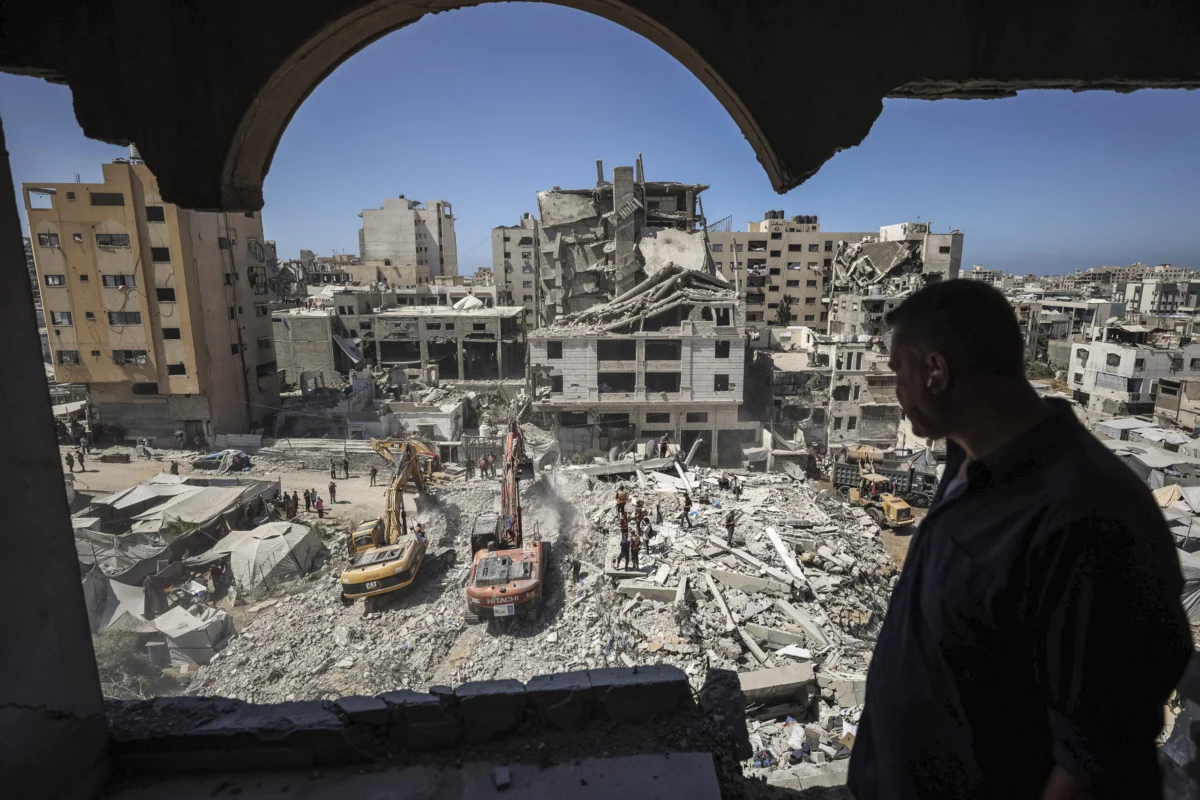
The situation is exacerbated by the ongoing destruction of infrastructure. Earlier in the week, a previously damaged residential building in Gaza City collapsed, resulting in the deaths of at least 21 people, including 12 children. The Palestinian Civil Defence agency faced immense difficulties in recovering bodies from the rubble due to Israel’s stringent limitations on the deployment of heavy equipment necessary for such rescue operations.

Displacement and Humanitarian Catastrophe
Families in Gaza are increasingly confined to smaller areas of the territory, often sheltering amidst the ruins of destroyed buildings, debris, and uncollected waste. This severe displacement leaves hundreds of thousands of civilians exposed to harsh living conditions, lacking access to clean water, sanitation, and adequate food. The destruction of homes and essential infrastructure has created a widespread humanitarian catastrophe, with families struggling to survive.
The limitations imposed on the entry of essential supplies, including medical equipment and fuel, have had a ripple effect across all sectors of life in Gaza. The ability to pump water, generate electricity, and transport goods is severely compromised, further intensifying the suffering of the civilian population. The international community has repeatedly called for unimpeded humanitarian access to address the dire needs of the people of Gaza.
Context of Ongoing Conflict
The current escalation of violence follows a period of heightened tensions and sporadic clashes. The ceasefire announced in October 2025, intended to bring a respite to the region, has evidently not held, with continued Israeli military actions leading to significant Palestinian casualties. The cycle of violence and retaliation has created a climate of fear and instability, with no clear end in sight.
The designation of the conflict as a "genocidal war" by some Palestinian officials and international observers underscores the gravity of the situation and the scale of the human tragedy unfolding in Gaza. The sheer number of casualties, the widespread destruction, and the systematic deprivation of essential resources paint a grim picture of the ongoing conflict.
International Scrutiny and Calls for Accountability
The persistent high casualty rate, particularly among civilians and children, has drawn widespread international condemnation and calls for accountability. Human rights organizations and international bodies have raised serious concerns about potential violations of international law and the need for independent investigations into alleged war crimes.
The repeated calls for a lasting ceasefire and increased humanitarian aid have, thus far, yielded limited results in alleviating the suffering of the Palestinian population. The international community faces the immense challenge of mediating a sustainable peace and ensuring the protection of civilians caught in the crossfire of this protracted conflict.
Impact on Future Generations
The long-term consequences of this conflict on the mental and physical well-being of Gaza’s population, especially its children, are profound. Generations are growing up in an environment of constant fear, trauma, and deprivation. The destruction of educational facilities and the disruption of schooling further jeopardize the future prospects of young Palestinians.
The ongoing cycle of violence and the inability to rebuild infrastructure and lives create a bleak outlook for the region. Addressing the root causes of the conflict and ensuring lasting peace and security for all parties involved remains a critical and urgent global imperative. The current trajectory suggests a continued humanitarian crisis with severe implications for regional stability and the well-being of millions.