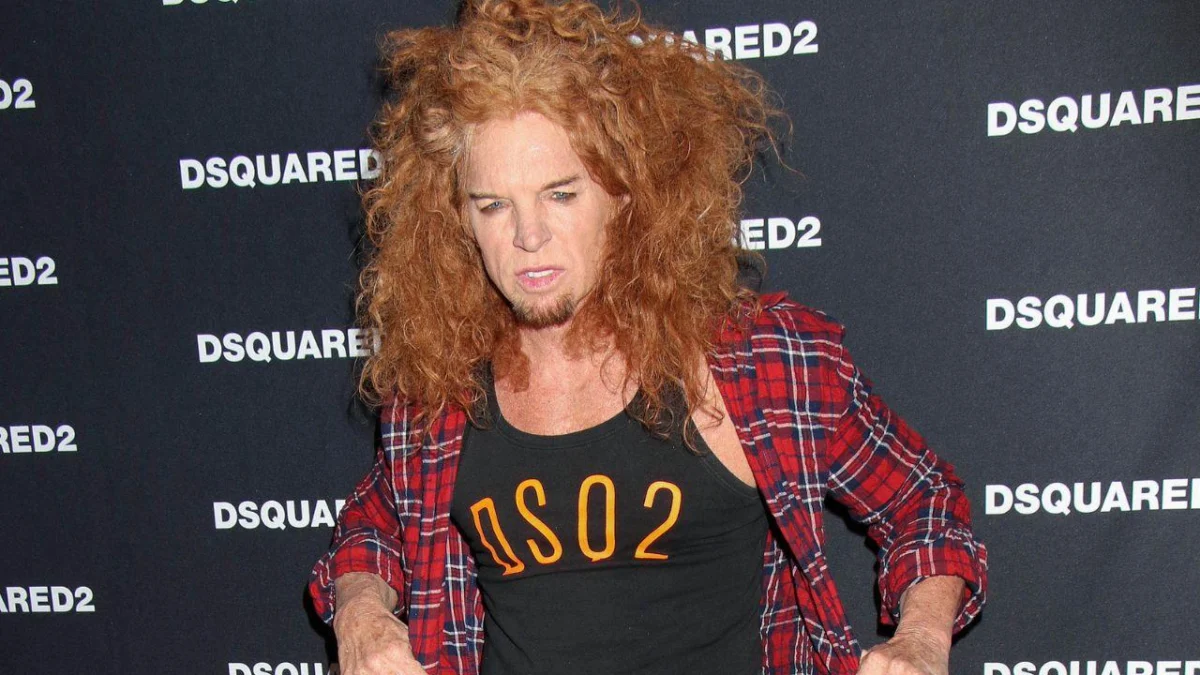
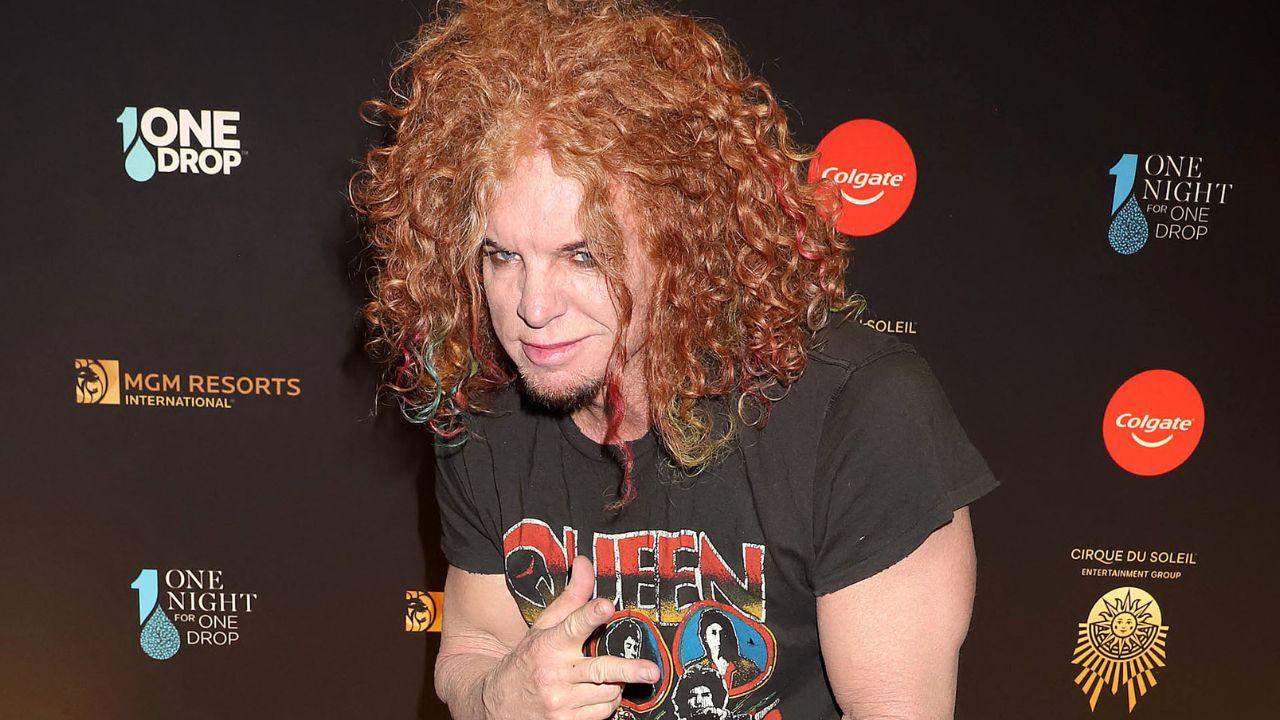
Veteran comedian Scott Thompson, widely known as Carrot Top, was reportedly subjected to an elaborate extortion attempt involving a sexually explicit recording just weeks before his alleged suicide attempt, according to new court documents filed by his legal team. Thompson, 61, is currently hospitalized and recovering in Las Vegas following a reported incident on Friday, September 18, which has cast a spotlight on an escalating legal battle with his former opening act, Brian Evans.
The allegations surfaced in a September 3 court filing in Broward County, Florida, where Thompson’s attorney, Ronnie Bitman, formally accused Evans of demanding a significant sum of money. The demand was allegedly coupled with a threat to publicize a sensitive recording, a move Thompson’s legal counsel characterized as a deliberate effort to exploit and embarrass the long-standing Las Vegas headliner. The claims paint a disturbing picture of the pressures potentially contributing to Thompson’s recent health crisis.
The Extortion Claims Unfold in Court Filings
According to court documents, Thompson’s attorney, Ronnie Bitman, detailed a series of communications from Brian Evans. These exchanges, Bitman asserts, constituted a clear demand for "immediate payment" to prevent the dissemination of allegedly explicit material involving Thompson. The filing explicitly states that Evans threatened to introduce this recording into public court records, thereby making it accessible to media outlets and the broader public.
The core of the alleged extortion involved what Evans reportedly termed "Path A," a proposal where Thompson would pay $500,000 in readily available funds to settle Evans’s various claims against him. Should Thompson fail to comply with this financial demand, Evans allegedly indicated his intent to proceed with a court filing that would include a USB drive purportedly containing the explicit material. Thompson’s legal representatives emphatically framed these actions as a coercive tactic designed to extract money under duress, leveraging potentially damaging private information.
Background of the Legal Dispute and Key Players
Carrot Top, born Scott Thompson, has been a prominent figure in American comedy for decades, recognized for his distinctive red hair, prop-based humor, and energetic stage presence. He has maintained a highly successful, long-running residency at the Luxor Hotel and Casino in Las Vegas, making him a recognizable and celebrated entertainer. His public persona has largely been one of lighthearted humor, making the recent revelations about his personal struggles and legal challenges particularly stark.
Brian Evans, a singer and occasional opening act for Thompson, has a documented history of legal entanglements with the comedian. Their relationship, once professional, has evidently devolved into a contentious legal dispute spanning multiple jurisdictions. This latest development represents a significant escalation in their ongoing battle, transforming a civil disagreement into a high-stakes confrontation with profound personal consequences for Thompson. The history between the two men is crucial context for understanding the gravity of the current accusations.
Brian Evans Denies Allegations of Extortion
In response to the accusations from Thompson’s legal team, Brian Evans has vehemently denied any wrongdoing. Evans maintains that his communications were not threats of extortion but rather part of confidential settlement discussions aimed at resolving his existing legal claims against Thompson. He argued in an email, which was subsequently included in the court filing, that his intentions were misinterpreted.
Furthermore, Evans has asserted that the recording in question, if it ever existed, had already been deleted under the terms of a previous settlement agreement between the parties. He contended that his proposals were legitimate attempts to negotiate a resolution to the dispute and not an attempt to blackmail the comedian. This conflicting narrative forms the crux of the legal challenge, with each side presenting a dramatically different interpretation of the interactions.
The Reported Suicide Attempt and Hospitalization
The legal dispute gained widespread public attention following reports of Scott Thompson’s alleged suicide attempt on Friday, September 18, in Las Vegas. While Thompson’s representative confirmed his hospitalization, specific details surrounding the incident were not publicly disclosed, with calls for privacy for the comedian and his family. The representative emphasized that Thompson was receiving comprehensive care and support from medical professionals and loved ones.
In the immediate aftermath, Thompson’s scheduled performances at the Luxor Hotel and Casino were promptly canceled, leaving fans and the entertainment community concerned. Subsequent updates indicated that Thompson was awake, breathing independently, and under continuous medical supervision, suggesting a period of recovery was underway. The timing of this personal crisis, just two weeks after his lawyer filed the extortion allegations, has led many to speculate about the potential link between the mounting legal pressures and his deteriorating mental state.
Broader Implications for Celebrity Privacy and Mental Health
This unfolding situation highlights the precarious balance between celebrity privacy and public scrutiny, especially when sensitive personal information becomes a weapon in legal battles. The alleged attempt to use an explicit recording as leverage underscores a growing concern about the weaponization of private material in the digital age, a threat that disproportionately affects public figures. For celebrities like Carrot Top, who rely on their public image, such threats can be particularly devastating.
Beyond the legal ramifications, the incident brings critical attention to mental health challenges faced by individuals under extreme pressure, including public figures. The alleged suicide attempt, regardless of its specific cause, serves as a stark reminder of the profound impact that intense personal and professional crises, potentially exacerbated by alleged extortion, can have on an individual’s well-being. It prompts broader conversations about support systems for those in the public eye and the need for compassion in reporting on such sensitive matters.
The Ongoing Legal Saga: Vexatious Litigant Status
The legal dispute between Thompson and Evans is not new. Evans previously initiated a federal lawsuit, alleging that Thompson sent him an unsolicited sexually explicit video. This claim has been central to their ongoing legal battle. Thompson’s legal team has consistently pushed back against Evans’s litigation, pointing to a federal court’s prior designation of Evans as a "vexatious litigant."
The "vexatious litigant" label is significant, typically applied to individuals who frequently initiate legal actions without sufficient grounds, primarily to harass or annoy. This designation can place restrictions on a person’s ability to file new lawsuits without court permission, reflecting a pattern of frivolous or abusive litigation. Thompson’s representatives have used this historical context to undermine Evans’s credibility and the legitimacy of his current claims, asserting that the alleged extortion is merely another tactic in a long-standing pattern of problematic legal maneuvers. Evans, however, continues to dispute Thompson’s version of events and vehemently denies any responsibility for the comedian’s reported suicide attempt, maintaining his actions are legitimate.
The Path Forward for Carrot Top and the Legal Proceedings
As Scott Thompson continues his recovery in the hospital, the legal battle in Broward County, Florida, remains active and unresolved. Thompson’s legal team is expected to press forward with their allegations of extortion, seeking to protect their client from further perceived threats and reputational damage. The outcome of this legal confrontation could have significant implications, not only for Thompson’s personal and professional life but also for broader legal precedents concerning digital privacy and the boundaries of settlement negotiations.
The entertainment community and the public at large are closely monitoring Thompson’s health status and the progression of the legal proceedings. The situation serves as a complex case study at the intersection of celebrity, mental health, and the increasingly thorny landscape of digital privacy and alleged online coercion. The full truth of the interactions between Thompson and Evans will likely be unraveled through the ongoing legal process, while Thompson’s focus remains on his health and recovery amidst these profound challenges.