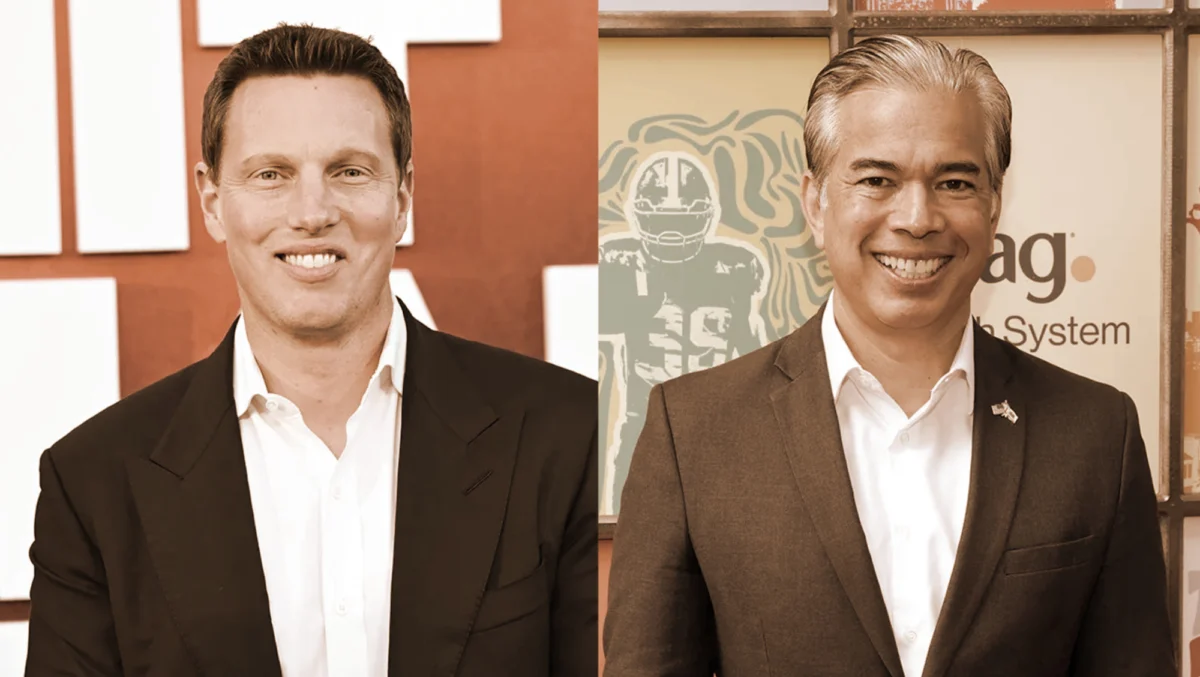
After protracted and intense negotiations, Paramount Skydance and a coalition of state attorneys general have reached a settlement in the high-stakes antitrust lawsuit challenging the proposed $111 billion Warner Bros. Discovery acquisition. The agreement, expected to be formally announced later today, clears a significant hurdle for one of the largest media mergers in recent history, effectively averting a looming financial penalty and an extensive legal battle. The resolution brings an end to months of public contention and regulatory uncertainty that had cast a shadow over the entertainment industry.
The Proposed Paramount Warner Bros. Discovery Acquisition
The proposed acquisition involves Paramount Global and Skydance Media, led by David Ellison, seeking to merge with Warner Bros. Discovery. This ambitious deal aimed to create a media behemoth capable of competing with the industry’s largest players, particularly tech giants like Netflix, Amazon, and Apple, who have dramatically reshaped the entertainment landscape. The combined entity would command an extensive portfolio across film studios, television networks, and streaming platforms, consolidating a vast array of intellectual property and distribution channels.
However, the sheer scale of the merger immediately raised antitrust concerns among state regulators. Critics feared that such a consolidation would grant the merged company undue market power, specifically in the realms of basic cable television programming and theatrical film distribution. The core argument centered on the potential for reduced competition, which could lead to higher prices for consumers, fewer choices, and adverse impacts on independent content creators.
A Thorny Legal and Political Battle
The lawsuit was spearheaded by California Attorney General Rob Bonta, who maintained that the merger, as initially proposed, would violate antitrust laws by creating an entity with excessive control over crucial segments of the media market. Bonta and his counterparts from other states sought to block the deal, arguing for structural remedies that typically involve the divestiture of specific assets to preserve competition. These demands were met with strong resistance from Paramount and Skydance, particularly regarding key assets.
The legal proceedings were characterized by a bitter public exchange. Paramount, facing the Oct. 1 deadline for a "ticking fee" of $7 million per day if the deal wasn’t closed, openly threatened to relocate its operations out of California. This move was widely seen as a pressure tactic, with states like Texas and Tennessee actively courting the media giant. Attorney General Bonta publicly denounced Paramount’s threat as "blackmail," further escalating the tension. Beyond the legal arguments, the case also saw accusations of antisemitism leveled against some critics of the deal and was underscored by a palpable political undercurrent. This was partly fueled by the Ellison family’s well-documented relationship with former President Donald Trump and Attorney General Bonta’s own political aspirations, reflecting the increasingly politicized nature of large-scale corporate dealmaking in the current climate.
Broader Industry and Labor Concerns
The antitrust challenge was not limited to state attorneys general. The Writers Guild of America (WGA) also entered the fray, filing a separate lawsuit against the proposed merger. The WGA argued that the consolidation would create a single "mega-buyer" for film and television programming, thereby suppressing wages and worsening working conditions for writers. This concern highlighted the potential impact of media consolidation on labor markets and the livelihoods of creative professionals, a particularly sensitive issue following recent labor disputes in Hollywood. Earlier in the year, consumer groups also filed complaints, expressing fears that the merger would ultimately harm viewers through reduced content diversity and potentially higher subscription costs.
In an attempt to assuage concerns and demonstrate commitment to the industry, David Ellison of Skydance Media publicly pledged that the merged entity would release a minimum of 30 films theatrically each year. While this commitment aimed to counter fears of reduced output, many in Hollywood remained skeptical about the long-term sustainability of such a production level within the current volatile market.
Divergent Regulatory Paths and the Ticking Fee
The states’ aggressive stance contrasted sharply with earlier federal regulatory decisions. In June, the U.S. Justice Department’s Antitrust Division concluded its review of the Paramount Warner Bros. Discovery acquisition, finding that the deal would actually increase competition across the media and entertainment sectors. This federal approval was granted without requiring any divestitures, behavioral remedies, or concessions, clearing the path for Paramount to become one of the largest theatrical distributors and own a top-five streaming service by subscriber count. The stark difference between federal and state assessments underscored the complex and often fragmented nature of antitrust enforcement in the United States.
For Paramount, the settlement’s timing is critical. The looming Oct. 1 deadline for the $7 million-per-day ticking fee had created immense financial pressure. This fee was designed to compensate the seller for delays in closing the transaction, regardless of the outcome of legal challenges. The settlement allows Paramount to avoid accruing these substantial costs, provided the deal can be finalized within approximately the next ten days. This tight timeframe places considerable pressure on all parties to rapidly conclude the remaining administrative and logistical steps.
The Details of the Settlement: Still Unfolding
While the settlement has been reached, the specific terms and conditions are yet to be fully disclosed. Attorney General Bonta had consistently pushed for "structural remedies," implying that Paramount would need to sell off parts of the combined business to alleviate antitrust concerns. One significant sticking point during negotiations was believed to be the states’ insistence that Paramount operate the two studios as independent businesses and potentially divest certain cable television assets. For David Ellison, parting ways with CNN, a key Warner Bros. Discovery asset, was reportedly a "no-go" from the outset.
The final agreement is therefore likely to involve a delicate balance of concessions. These could range from behavioral commitments, such as specific operational agreements to maintain competition between the studios, to targeted divestitures that do not compromise the strategic value of the core merger. The announcement of these specifics will be crucial for understanding the true scope of the settlement and its implications for the merged entity’s future operations.
Looking Ahead: A New Era for Media Competition
The resolution of the antitrust lawsuit marks a pivotal moment for the entertainment industry. Paramount has consistently framed the merger as a necessary strategic move to bolster competition against the dominant tech-driven streaming services. With the legal hurdles now largely cleared, Hollywood will closely watch whether the combined Paramount Warner Bros. Discovery entity can indeed realize its stated goals of enhanced competitiveness and innovation.
The impact of this blockbuster Warner Bros. Discovery merger will resonate across multiple facets of the media landscape, from content production and distribution to consumer choice and labor relations. While the immediate crisis of the lawsuit and ticking fee has been averted, the long-term success and market effects of this massive consolidation will continue to be a subject of intense scrutiny from regulators, industry rivals, and the public alike in an ever-evolving digital age.