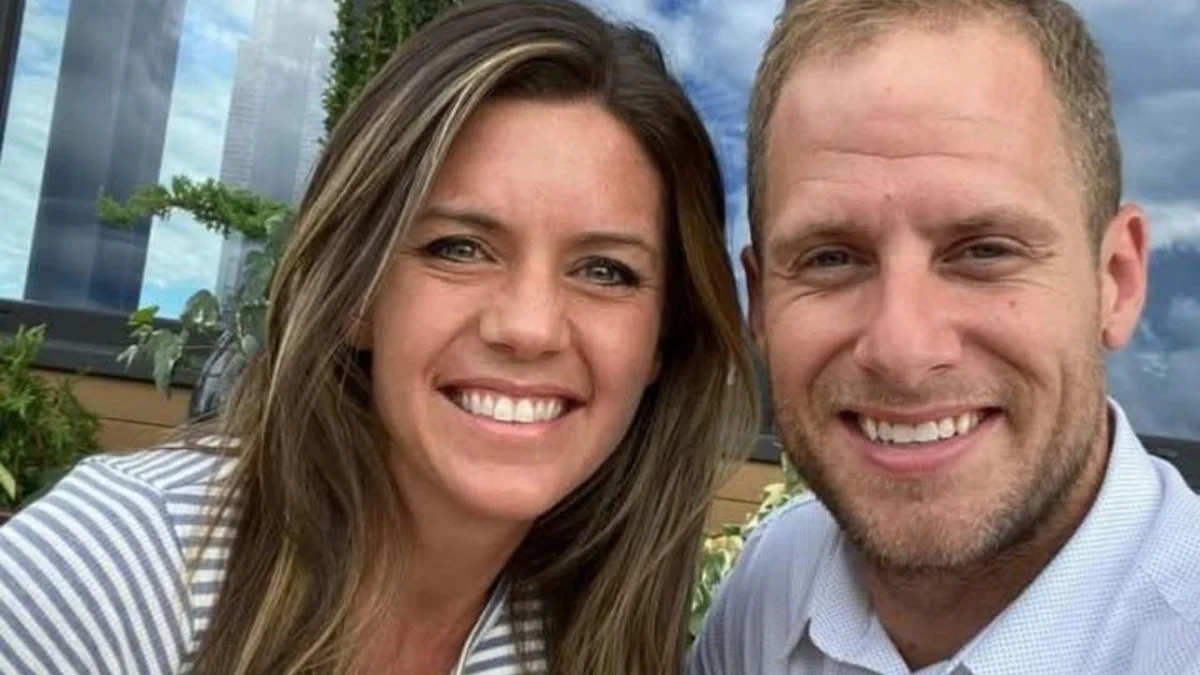
Prosecutors have unveiled a chilling cache of text messages, allegedly sent by former American Idol contestant Caleb Flynn to his mistress, detailing his sinister intentions toward his wife, Ashley Flynn, in the year leading up to her death. The 40-year-old reality television alum, once known for his "music pastor" persona, now stands accused of aggravated murder, with the prosecution asserting these digital communications lay bare a clear motive and premeditation. The shocking revelations emerged during opening statements in the high-profile murder trial, casting a dark shadow over Flynn’s public image and the sanctity of his marital vows.
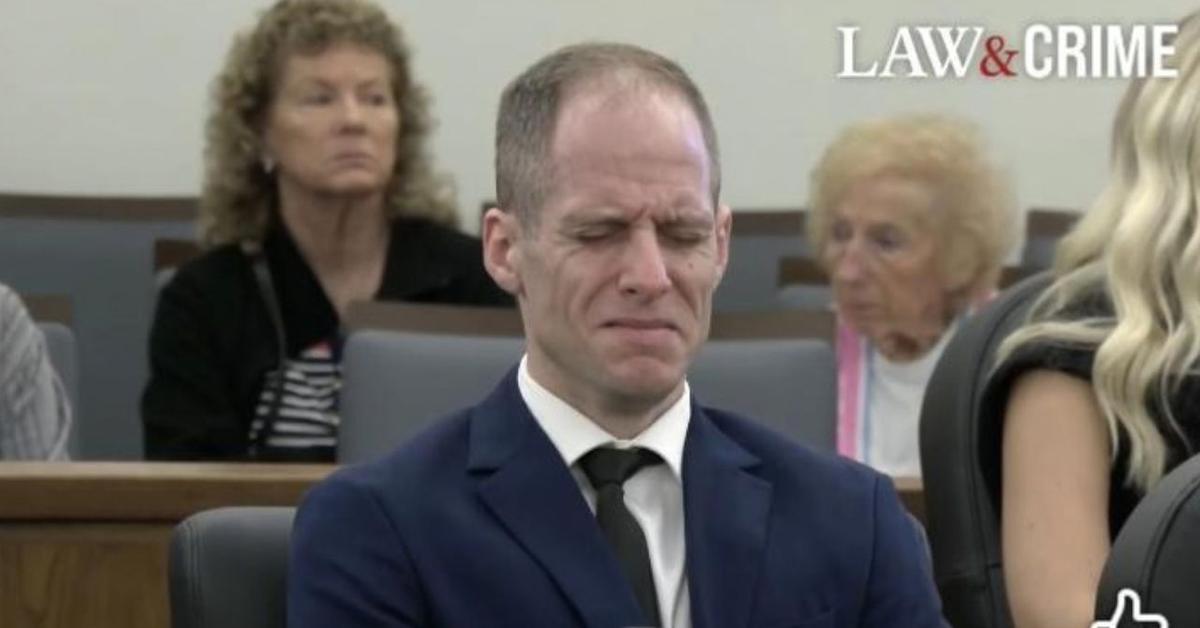
The trial, which commenced with opening statements on Friday, September 18, is drawing significant attention as details of the alleged plot unfold. Prosecutor Paul Watkins addressed the jury, directly quoting one of the most damning messages attributed to Caleb Flynn: "I was up until 4 a.m. last night crying, literally trying to think of ways to kill her and not go to jail." This statement, sent to his clandestine lover, serves as a cornerstone of the prosecution’s argument that Flynn meticulously planned his wife’s demise to escape his marriage without legal repercussions. The prosecution contends that the volume and content of these communications illustrate a sustained and escalating desire to eliminate his spouse.
A Digital Trail of Deception and Desire
Investigators reportedly unearthed a staggering volume of digital evidence: more than 100,000 text messages exchanged between Caleb Flynn and his mistress over a 12-month period. These messages, meticulously cataloged by law enforcement, paint a grim picture of marital discord, infidelity, and a growing obsession with a future free from his wife, Ashley Flynn. The sheer number of communications suggests a deep emotional entanglement and a platform where Flynn allegedly articulated his darkest thoughts and desires.
The night before Ashley Flynn’s murder, a final, ominous text message was allegedly sent by Caleb Flynn to his mistress. "I choose you. I’m free. Actions will come tomorrow, February 16, a day I’ll never forget," the message read, according to prosecutor Watkins. This particular text is presented as the culmination of Flynn’s planning, a definitive statement of intent just hours before his wife was found dead. Paul Watkins explicitly told the jury that the pattern evident throughout these thousands of messages was unequivocal: "Caleb stating he hated Ashley, wanted her gone, wanted her dead, wanted to be free of her and wanted a future with his mistress instead." He emphasized, "Those words tell you what this case is about: Motive, intent, and the truth behind the lies Caleb told."
The Tragic Morning: A 911 Call and a Shot Wife
On the morning of February 16, the day after the chilling text message, Caleb Flynn placed a frantic 911 call. He reported that an intruder had broken into their home and shot his wife. His voice, captured on the call obtained by Oxygen.com, conveyed a sense of urgency and distress. "Somebody broke into my home and shot my wife," he told the dispatcher, adding, "My wife, she’s got two shots to her head. There’s blood everywhere." During this horrific ordeal, the couple’s two young daughters reportedly remained asleep within the residence, shielded from the violence that had unfolded in their home.
However, the prosecution presented a starkly different narrative in court. Prosecutor Watkins described Ashley Flynn’s death as an "execution," stating she was shot twice in the middle of the night. This portrayal directly contradicted Caleb Flynn’s account of an unknown assailant. Crucially, investigators reported finding no evidence to support the intruder claim. No forced entry, no signs of struggle consistent with an outside attacker, and no witnesses other than Flynn himself. Furthermore, a 9mm handgun, typically stored in Caleb Flynn’s truck, was discovered to be missing from the scene, raising immediate questions about the weapon used in the crime and its disappearance. The absence of an external threat, coupled with the missing firearm, directed the focus of the homicide investigation squarely onto Caleb Flynn.
The Defense’s Counter-Argument: A Rushed and Biased Investigation
Defense attorney Emily Smith, representing Caleb Flynn, acknowledged her client’s infidelity but vehemently argued that an affair, while morally reprehensible, does not equate to murder. During her opening statements, Smith contended that the investigation into Ashley Flynn’s death was prematurely concluded and became inherently biased against Caleb Flynn once detectives discovered the existence of his mistress and the extensive text message history. She suggested that the police, upon uncovering the marital affair, ceased to thoroughly explore alternative theories or evidence that might exonerate her client, instead focusing exclusively on building a case against him.
Caleb Flynn has entered a plea of not guilty to all charges, which include aggravated murder, murder, felonious assault, tampering with evidence, and witness intimidation. At his arraignment, Flynn maintained his innocence and expressed concern for his children, telling the judge, "I just want to take care of my daughters. I’m not a risk." The defense is expected to challenge the prosecution’s interpretation of the text messages, arguing they represent mere expressions of frustration or emotional turmoil rather than concrete plans for murder. They will likely attempt to cast doubt on the thoroughness of the police investigation and the validity of the evidence presented.
From Reality TV Aspirant to Murder Suspect
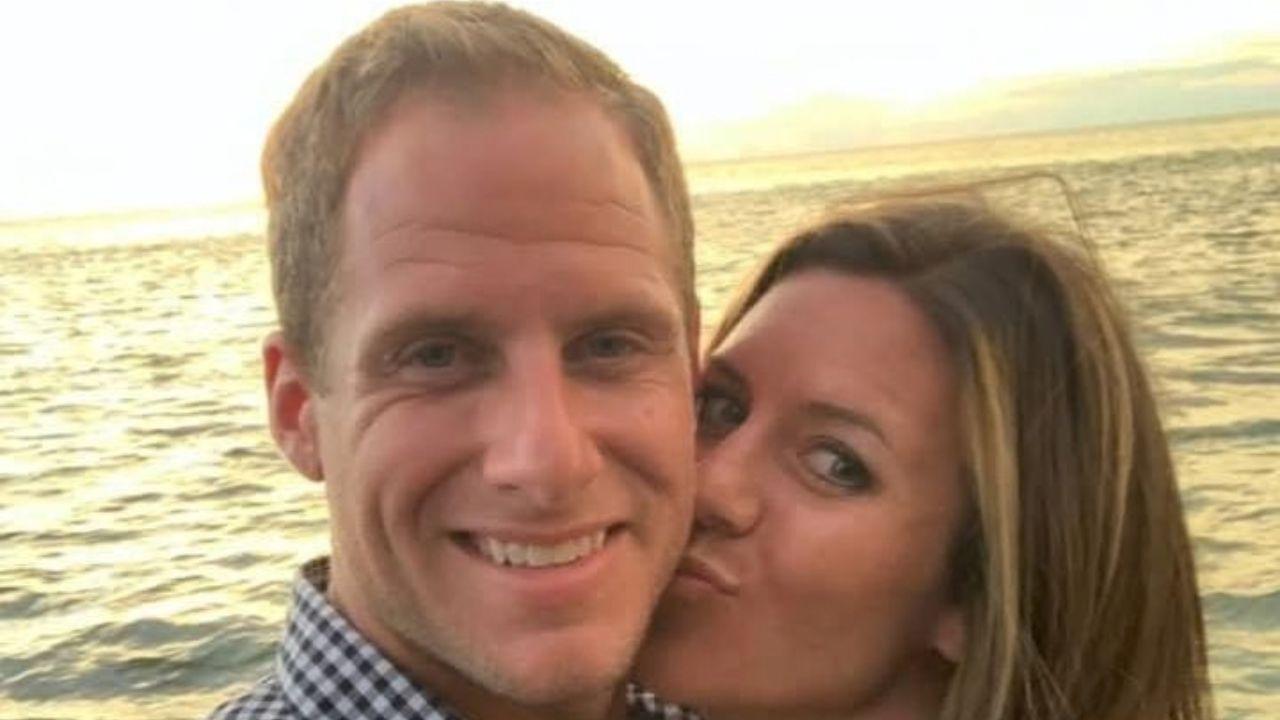
Caleb Flynn first gained public recognition during season 12 of the immensely popular reality singing competition, American Idol, in 2013. He introduced himself to millions of viewers as a "music pastor," a descriptor that resonated with his wholesome, faith-driven image. While he did not win the competition, being eliminated during the competitive Hollywood rounds, his appearance on the show provided him with a measure of regional fame. In the years that followed, Flynn cultivated a reputation as a respected church leader within his community, a public persona now starkly contrasted by the grave accusations he faces.
The revelation of his alleged involvement in his wife’s murder has sent shockwaves through his former American Idol fanbase and the local community where he was a figure of authority and spiritual guidance. The stark contrast between his public image as a devout "music pastor" and the alleged private life of infidelity and violent intent has sparked widespread public discussion about perception versus reality, and the pressures faced by individuals in the public eye.
Broader Implications and the Road Ahead
The trial of Caleb Flynn carries significant broader implications, particularly concerning the use of digital communications as primary evidence in criminal proceedings. The sheer volume of texts, along with their explicit content, highlights the increasing reliance of prosecutors on digital forensics to establish motive and intent in contemporary criminal justice. This case serves as a stark reminder that digital footprints can be powerful, often irrefutable, witnesses in court.
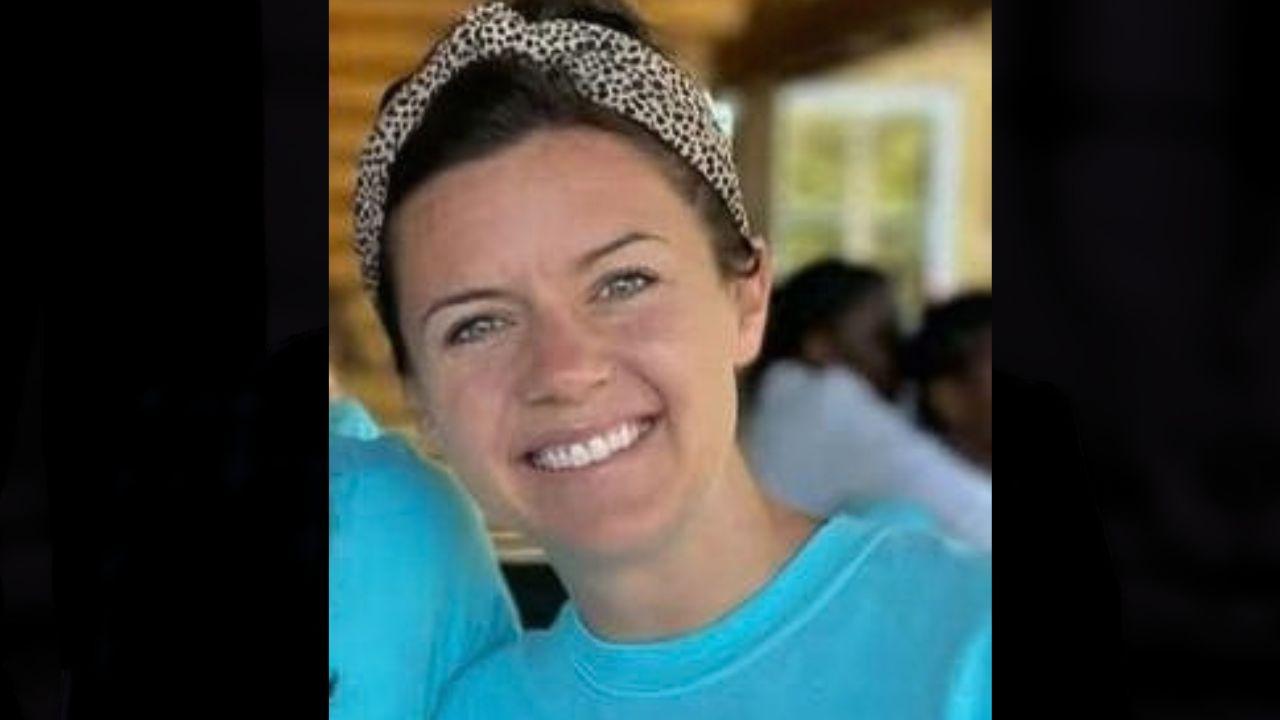
Beyond the legal ramifications, the case has ignited conversations about domestic violence, the devastating impact of marital infidelity, and the often-hidden complexities within seemingly normal relationships. The tragic death of Ashley Flynn, reportedly at the hands of her husband, leaves two young daughters without a mother and their father facing the possibility of life imprisonment. The community grapples with the fallout, struggling to reconcile the image of a trusted church leader with the alleged architect of a premeditated murder.
As the trial progresses, the jury will hear extensive testimony from investigators, forensic experts, and potentially the mistress herself. The defense will undoubtedly present its own witnesses and evidence, attempting to dismantle the prosecution’s narrative and introduce reasonable doubt. The outcome of this trial will not only determine Caleb Flynn’s fate but will also contribute to the ongoing legal discourse surrounding digital evidence, the definition of premeditation, and the pursuit of justice in an increasingly digital world. The proceedings are expected to be lengthy and emotionally charged, with public scrutiny remaining intense until a verdict is reached.