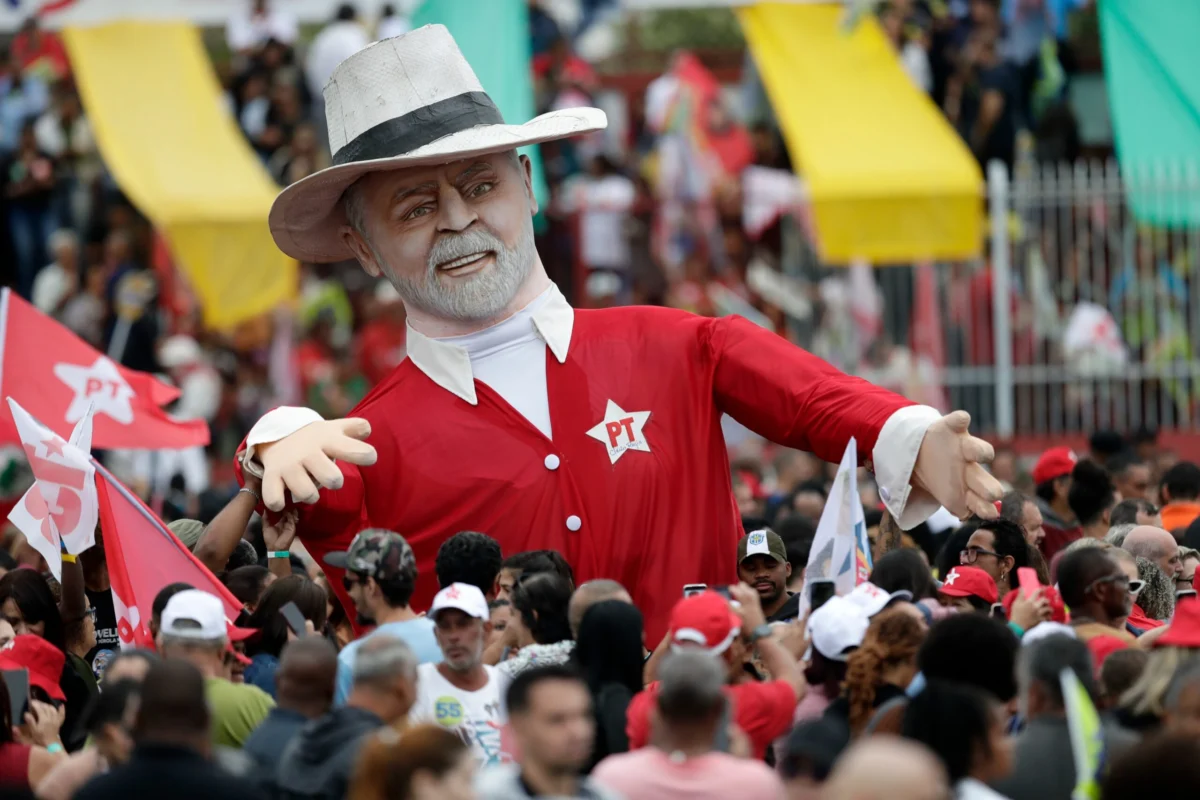
Brazilian President Luiz Inácio Lula da Silva and Senator Flávio Bolsonaro are locked in a statistical tie in the latest opinion polls, a development that underscores the intensifying battle for the nation’s presidency just weeks before the first round of voting. Two new surveys released Monday indicate a virtual dead heat between the two leading contenders in simulated runoff scenarios, painting a picture of a deeply divided electorate. The outcome of the October 4th first-round election hinges on whether any candidate can secure more than 50 percent of the valid votes; failure to do so will propel the top two finishers into a decisive runoff election scheduled for October 25th.
The Contenders: A Tale of Two Political Dynasties
Luiz Inácio Lula da Silva, commonly known as Lula, is seeking an unprecedented fourth non-consecutive term as Brazil’s president. His campaign is framed as a defense of democratic institutions and social progress, aiming to reclaim the policies that defined his previous administrations. However, he faces a formidable challenge from the political right, embodied by Senator Flávio Bolsonaro. Flávio Bolsonaro is the son of former President Jair Bolsonaro, a polarizing figure who served as an ally of former U.S. President Donald Trump.
The elder Bolsonaro’s political future was effectively ended when Brazil’s Superior Electoral Court ruled him ineligible to hold office due to abuses of power during his presidency. This disqualification stemmed from his actions surrounding the 2022 election, which he lost to Lula. Subsequently, Bolsonaro faced separate convictions related to a plot to overturn his electoral defeat, further cementing his political exile. His absence from the ballot has paved the way for his son, Flávio, to become the standard-bearer for the conservative and far-right factions of Brazilian politics.
Polls Reveal a Neck-and-Neck Race
The latest electoral data suggests a dramatic tightening of the presidential race. A Quaest poll released Monday indicated that in a hypothetical runoff, Flávio Bolsonaro would garner 42 percent of voter support, narrowly trailing Lula, who registered 41 percent. This represents a significant shift from earlier projections.
Adding to the narrative of a closely contested election, a separate poll conducted by BTG Pactual in conjunction with Nexus revealed a similarly tight contest. In this scenario, Lula would receive 46 percent of the vote in a runoff election, while Flávio Bolsonaro would secure 45 percent. The margin in both polls falls within the margin of error, rendering the race statistically a tie.
These latest figures mark a notable narrowing of the gap compared to an earlier Quaest poll conducted on August 5th. At that time, Lula held a more comfortable five-point lead over Bolsonaro, with 44 percent of the vote compared to his challenger’s 39 percent. The recent data suggests that Bolsonaro has successfully consolidated support and gained momentum in the critical weeks leading up to the election.
Bolsonaro’s Campaign Strategy and Support Base

Flávio Bolsonaro has positioned himself as the heir to his father’s political legacy, tapping into a base of voters who often express dissatisfaction with traditional political establishments and champion conservative social values. His campaign has focused on themes of economic liberalization, national security, and a critique of what he terms "leftist ideologies." He has also sought to capitalize on the lingering resentment among some voters regarding Lula’s past corruption allegations, even as his father faces his own legal entanglements.
The agribusiness sector, a powerful economic force in Brazil, has often shown strong support for the Bolsonaro family. Flávio Bolsonaro has actively courted this demographic, participating in events and rallies that highlight his commitment to agricultural interests and deregulation. His messaging often resonates with rural communities concerned about land rights and economic policies.
Lula’s Re-election Bid and the Shadow of U.S. Influence
Lula officially launched his re-election campaign on August 2nd at a Workers’ Party convention in São Paulo. His platform emphasizes a return to social programs, poverty reduction, and environmental protection, particularly concerning the Amazon rainforest. He has consistently framed his candidacy as a bulwark against authoritarianism and a champion of Brazilian sovereignty.
A significant undercurrent in Lula’s campaign is the perceived pressure from the United States administration. In July, the U.S. imposed two new rounds of tariffs on Brazilian products, a move that Lula publicly denounced as an attempt to exert economic influence over the election. This action has fueled Lula’s narrative of defending Brazil’s autonomy against external interference.
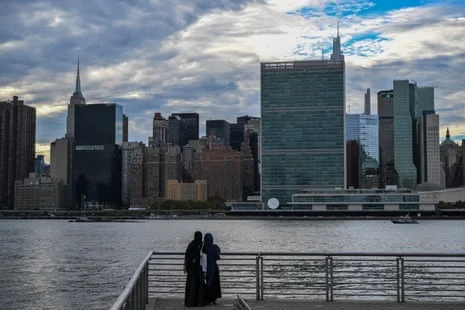
Currently, Lula is in New York, preparing to address the United Nations General Assembly. His international engagements often serve to bolster his image as a statesman and a leader on the global stage. During his visit, he met with New York City Mayor Zohran Mamdani, with whom he discussed shared challenges such as the rising cost of living, issues that resonate deeply with voters in both countries. These high-profile meetings aim to reinforce his credentials and garner international support.
Historical Context: A Polarized Nation
The current electoral landscape in Brazil is a direct reflection of the deep political polarization that has characterized the country in recent years. The election of Jair Bolsonaro in 2018 marked a significant shift to the right, driven by a desire for change and a backlash against corruption scandals that had plagued previous Workers’ Party administrations. Lula’s return to politics signifies a potential pendulum swing back towards the left, as voters grapple with the economic and social consequences of the past few years.
The ongoing legal battles and disqualifications involving Jair Bolsonaro add another layer of complexity to the political narrative. The elder Bolsonaro’s inability to run has created a vacuum that Flávio has sought to fill, often adopting his father’s combative rhetoric and challenging established institutions. This dynamic creates a unique electoral contest, where the legacy of one president is being contested by his son against the former president seeking a return to power.
The Stakes: Economic Stability and Democratic Future

The outcome of the Brazilian presidential election carries significant weight not only for the nation’s domestic policy but also for its international relations and economic trajectory. Lula’s proposed policies include increased social spending, investment in infrastructure, and a renewed focus on environmental conservation, which could lead to a shift in Brazil’s global environmental policy.
Conversely, a victory for Flávio Bolsonaro would likely signal a continuation of the economic policies favored by his father, emphasizing deregulation, privatization, and a more laissez-faire approach to market interventions. His stance on environmental regulations has been a point of concern for international observers and environmental organizations, who fear a rollback of protections.
The election also represents a critical juncture for Brazilian democracy. The events surrounding the 2022 election and Jair Bolsonaro’s subsequent legal challenges have raised concerns about the strength of democratic institutions. Voters are being asked to decide between two distinct visions for the country’s future, with the stability of its democratic framework hanging in the balance.
Broader Implications: Regional and Global Impact
Brazil’s political direction has ripple effects across South America and beyond. As the largest economy in Latin America, its policies on trade, environmental stewardship, and international diplomacy influence regional stability and global markets. A Lula presidency could herald a period of closer cooperation with other left-leaning governments in the region, while a Bolsonaro administration might seek to forge stronger alliances with conservative governments globally.
The ongoing trade disputes, such as the U.S. tariffs, highlight the interconnectedness of global economics and politics. Brazil’s ability to navigate these complex international relationships will be crucial for its economic prosperity and its standing on the world stage, regardless of who occupies the presidential palace.
Campaign Trail Dynamics and Voter Sentiment
Both campaigns are now in their final push to sway undecided voters. Lula’s strategy has involved leveraging his experience and past successes, reminding voters of the economic growth and social inclusion achieved during his previous terms. He has also focused on mobilizing his traditional base of support among working-class and lower-income demographics.
Flávio Bolsonaro has continued to rally his supporters with a message of national pride and a critique of what he perceives as corruption and mismanagement under previous administrations. His campaign events often draw large crowds, demonstrating a passionate and committed following. The effectiveness of their respective strategies will be tested in the coming days as the election nears.
The narrowing of the polls suggests that the campaigns are reaching a critical mass of voters. The focus for both sides will be on mobilizing their core supporters while attempting to win over the crucial segment of undecided voters. The next few weeks are expected to be intense, with significant campaigning efforts and potential shifts in public opinion. The tight race signals that the election will likely be decided by a narrow margin, making every vote and every campaign message critically important.