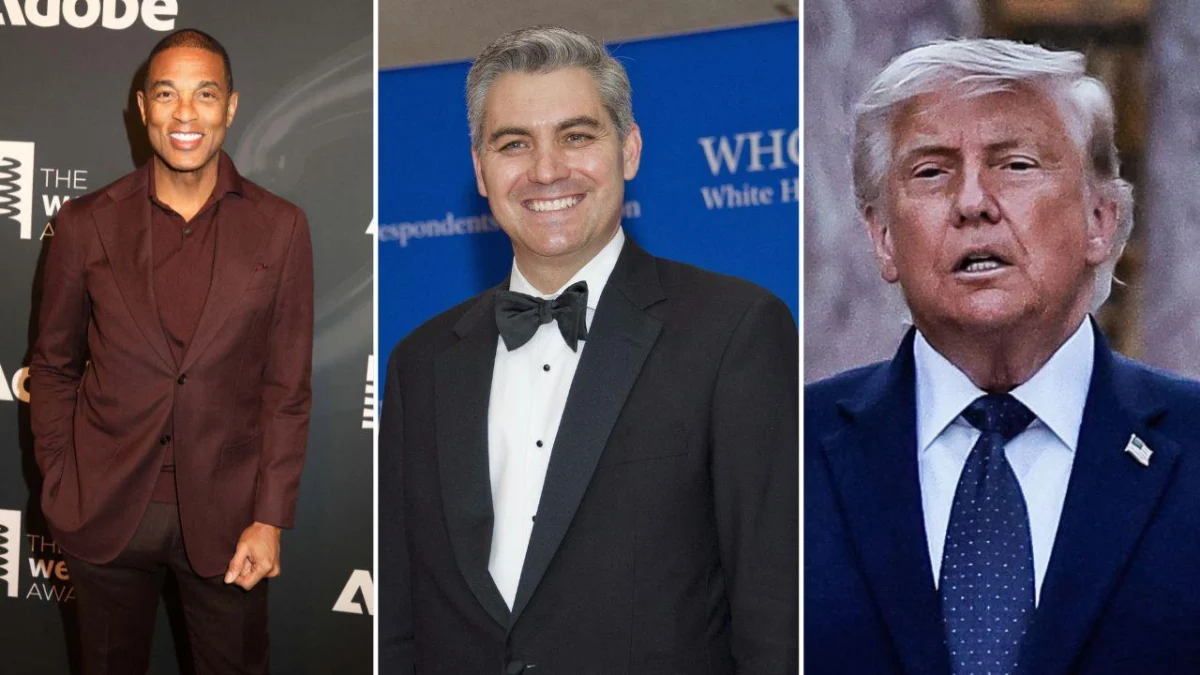
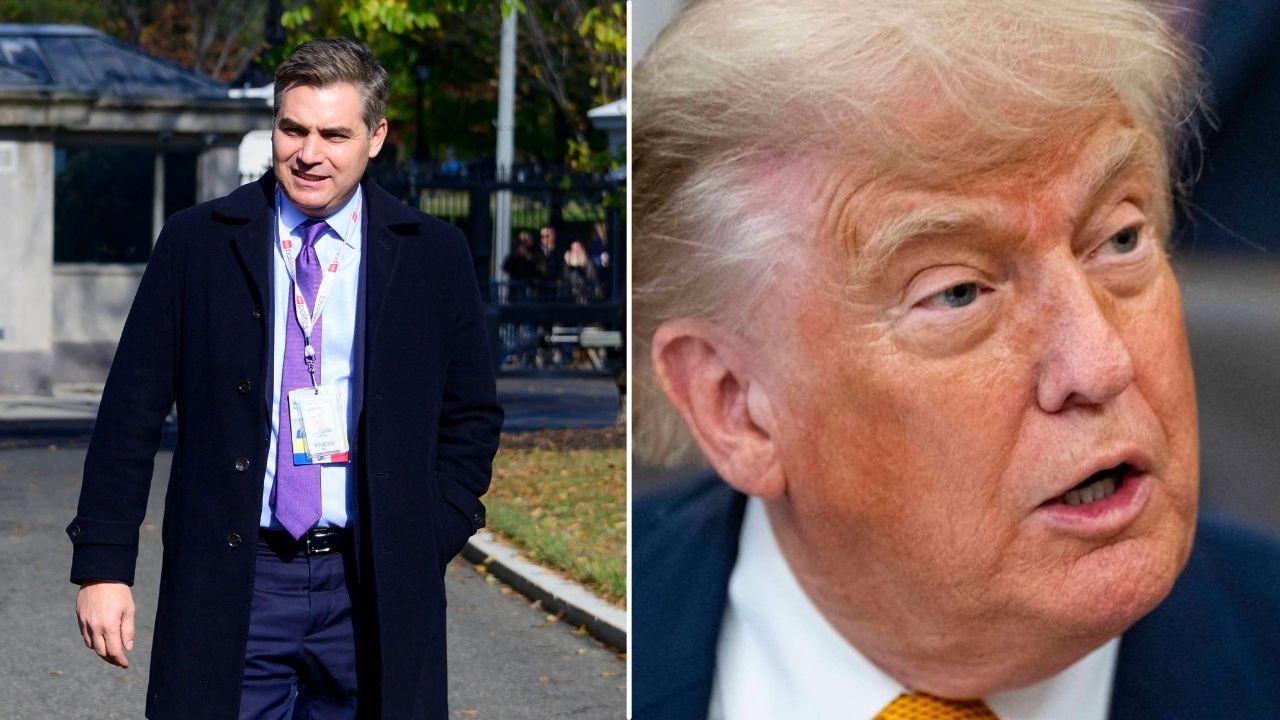
Former CNN anchors Don Lemon and Jim Acosta have publicly weighed in on the recent decision by the White House to ban CNN and other news organizations, asserting that the network’s perceived shift in editorial strategy under previous leadership was ultimately responsible for the Donald Trump ban backfiring on the network. Their remarks highlight a deep-seated tension within American journalism regarding how to cover contentious political figures and the consequences of attempts at "appeasement."
A Critical Stance from Former Insiders
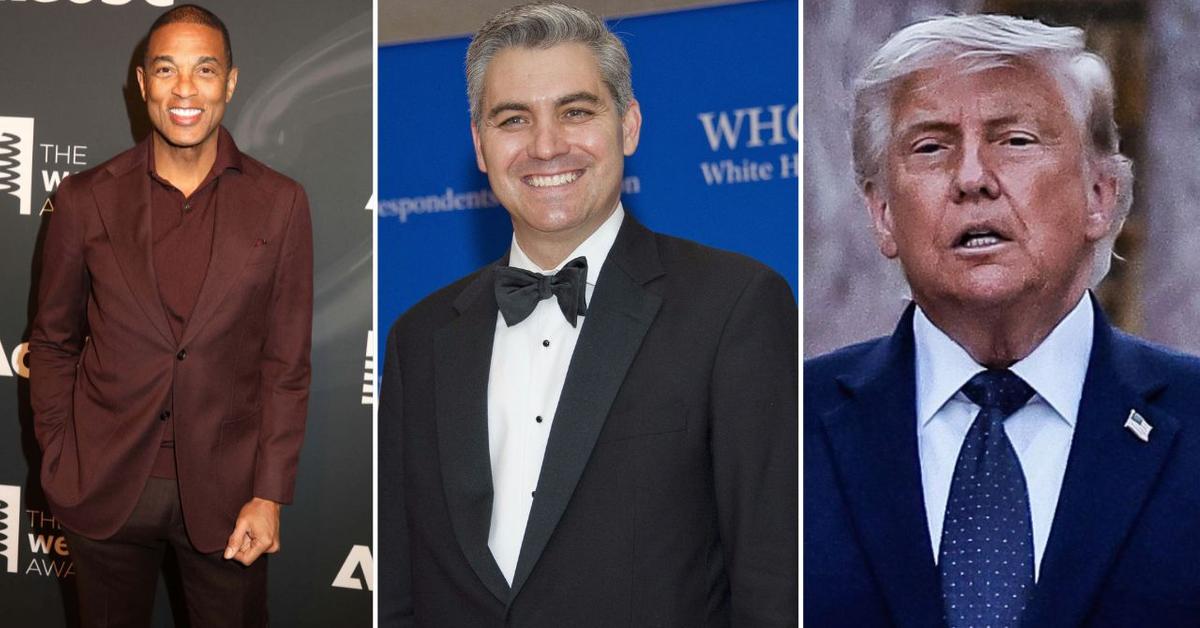
Lemon, reflecting on the situation, expressed a complex sentiment. "I want to feel bad for them, but it’s kind of their own making," he stated, adding that while he doesn’t believe such bans should occur, the outcome was predictable. This reaction underscores a frustration among some journalists who argue that attempts to placate or normalize figures hostile to the press can ultimately undermine journalistic integrity and access.
Acosta, known for his frequent confrontations with the Trump administration during his tenure as CNN’s chief White House correspondent, offered a more direct critique of the network’s approach. He pointed to the hiring of figures like Scott Jennings, often perceived as a Trump loyalist and spokesperson, as a flawed strategy. "You hire Scott Jennings, you put him on the payroll, you make him basically a paid Trump spokesman, and you still get banned. I mean, that’s part of the problem here," Acosta remarked, suggesting that such moves failed to secure favorable treatment from the former president.
The Perils of Perceived Appeasement
Acosta emphasized his long-held belief that "appeasement does not work" when dealing with the former president. He argued that a firm, consistent stance is necessary for news organizations to maintain their independence and credibility. This viewpoint resonates with a segment of the media that advocates for an adversarial role, particularly when covering administrations perceived as hostile to democratic institutions or the press itself. Acosta lauded CNN’s current actions, such as filing lawsuits and pulling its television pool coverage, as positive steps, but also expressed bewilderment that other news organizations continue to send their teams to the White House despite the ban on select outlets.
The White House has reportedly banned three news organizations—two networks and Politico—from its premises. Acosta suggested that a unified front from the entire D.C. press corps, with all organizations refusing to send their teams in solidarity, would be a more impactful response. This stance highlights the ongoing debate within the media industry about collective action in defense of press freedom and access, particularly when facing unprecedented restrictions from a presidential administration.
Historical Context of Media-Trump Relations

Donald Trump’s relationship with the news media, particularly CNN, has been notoriously acrimonious throughout his political career. From the outset of his 2016 presidential campaign, Trump frequently labeled critical news organizations as "fake news" and "enemies of the people," often singling out CNN for intense criticism. His rallies often featured denouncements of journalists, and his administration regularly challenged reporters’ credentials and access.
This adversarial dynamic led to numerous high-profile clashes, many involving Jim Acosta directly. These confrontations became emblematic of the broader struggle between the White House and a press corps determined to hold power accountable. The current White House ban, therefore, is not an isolated incident but rather the latest development in a long-standing pattern of strained relations, where access is often weaponized as a tool of political control.
CNN’s Evolving Editorial Strategy and Internal Dissent
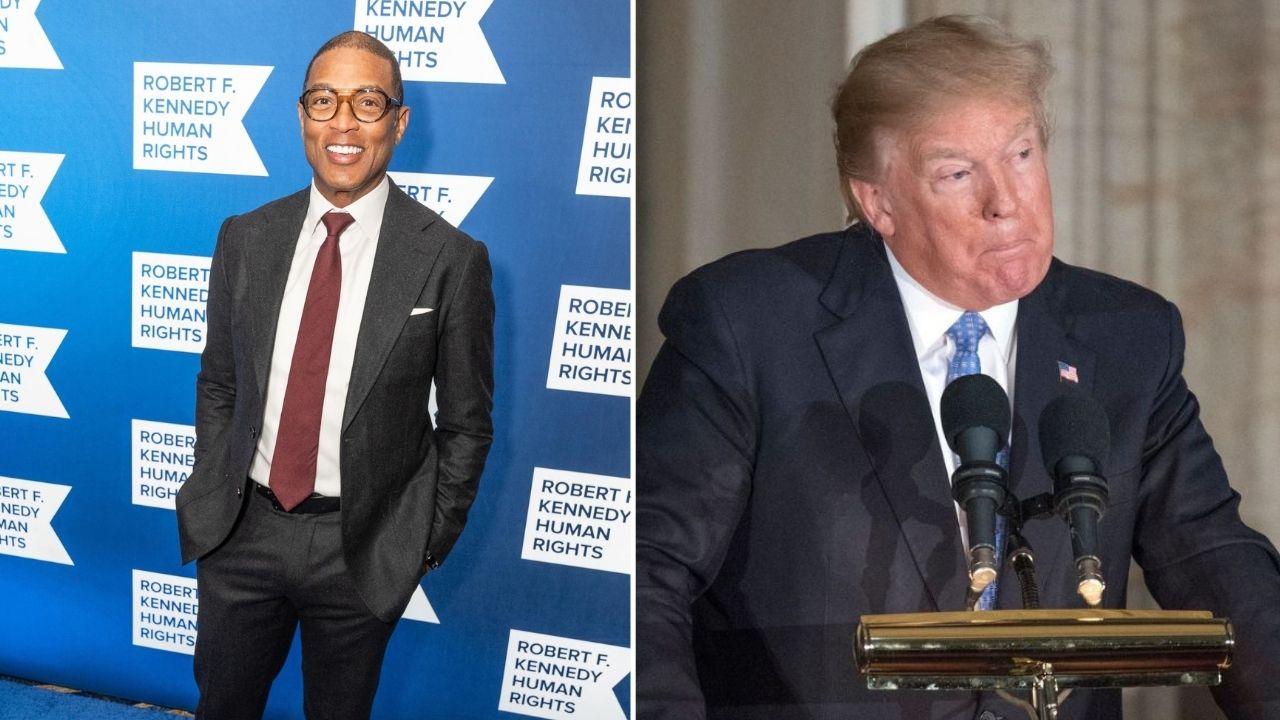
Lemon’s reflections offered a glimpse into the internal discussions and concerns within CNN during his tenure. He recalled raising critical questions to CNN’s management about the network’s policies regarding "election deniers" and "insurrection deniers." Specifically, he cited his unease with interviewing figures like Vivek Ramaswamy, who he claimed "just lies about it," questioning why the network continued to "make room" for such voices.
This internal critique points to a period of strategic reevaluation at CNN, particularly following changes in leadership. Under former CEO Chris Licht, the network reportedly sought to pivot towards a more centrist, less overtly partisan approach, aiming to win back viewers across the political spectrum. This shift often translated into giving platforms to a wider array of voices, including those aligned with Trump, in an attempt to present "both sides" of political debates. However, as Lemon and Acosta’s comments suggest, this strategy was met with skepticism by some who believed it inadvertently legitimized or amplified misinformation, potentially contributing to the very issues the network now faces with the White House ban.
The Broader Implications for Journalistic Integrity
The former hosts’ comments raise fundamental questions about journalistic integrity and the role of news organizations in a deeply polarized political landscape. The debate centers on whether providing a platform to individuals who propagate falsehoods or undermine democratic processes serves the public interest or merely contributes to the erosion of truth. The concept of "strategic appeasement" – attempting to soften criticism or offer more favorable coverage in exchange for access – is a contentious one, often viewed as a compromise of journalistic principles.
Acosta cited a new poll showing Trump with a 29% approval rating, suggesting that the public is capable of discerning truth from falsehood, and that attempts to curry favor with the former president may ultimately be futile in swaying public opinion. "So people are going to see through this," Acosta contended, reinforcing the idea that long-term credibility outweighs short-term access. Lemon echoed this sentiment, stating, "Yeah, they are. And it’s just so sad, Jim. I mean, that we’ve gotten to this point."
The Impact on Media Access and Press Freedom
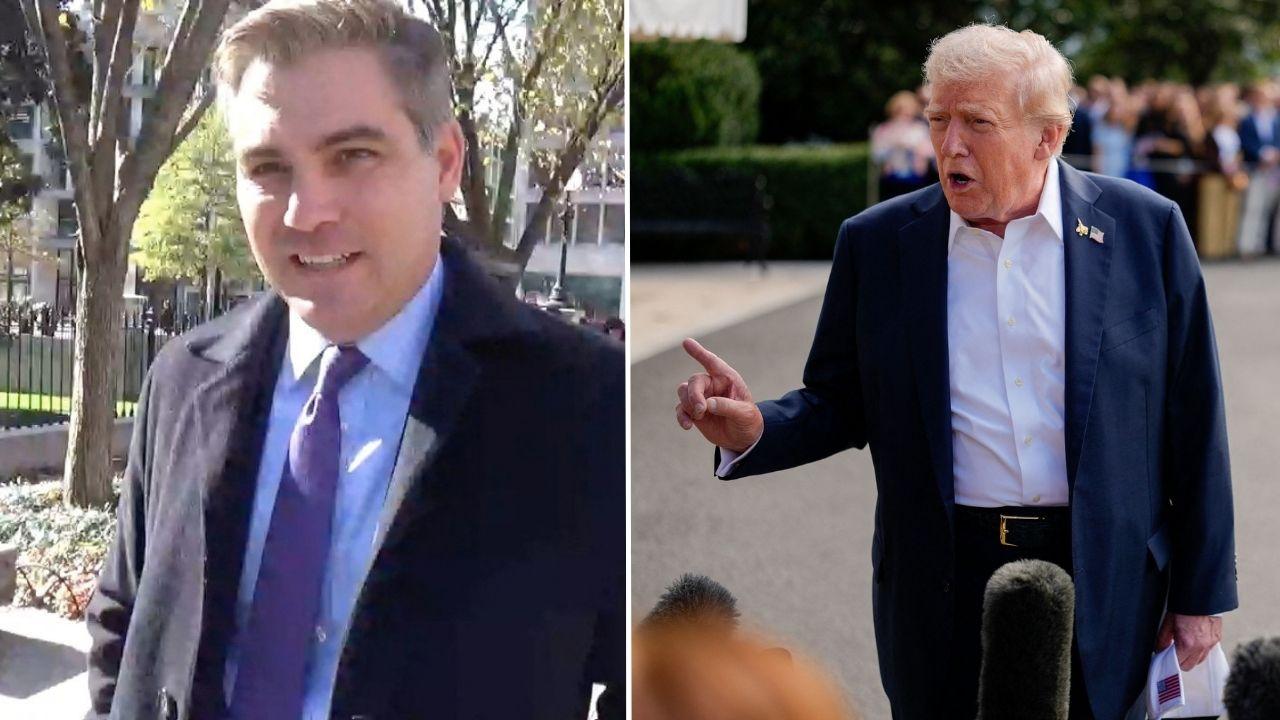
White House press bans are not unprecedented in American history, but their frequency and scope under the Trump administration have been a significant concern for press freedom advocates. Such bans restrict the public’s right to information by limiting the ability of journalists to scrutinize the executive branch. The White House Correspondents’ Association (WHCA) traditionally plays a vital role in advocating for access and challenging restrictions, but the fragmented nature of the media landscape and varying editorial strategies can complicate a unified response.
The current situation with the Donald Trump ban backfiring on the network highlights a critical juncture for cable news and its relationship with political power. The decisions made by news organizations regarding how they cover controversial figures, manage access, and uphold journalistic standards have far-reaching consequences, not only for their own brand and viewership but also for the health of democratic discourse and the public’s trust in reliable information. The "told you so" from Lemon and Acosta serves as a stark reminder of these ongoing challenges and the difficult choices facing the media industry.