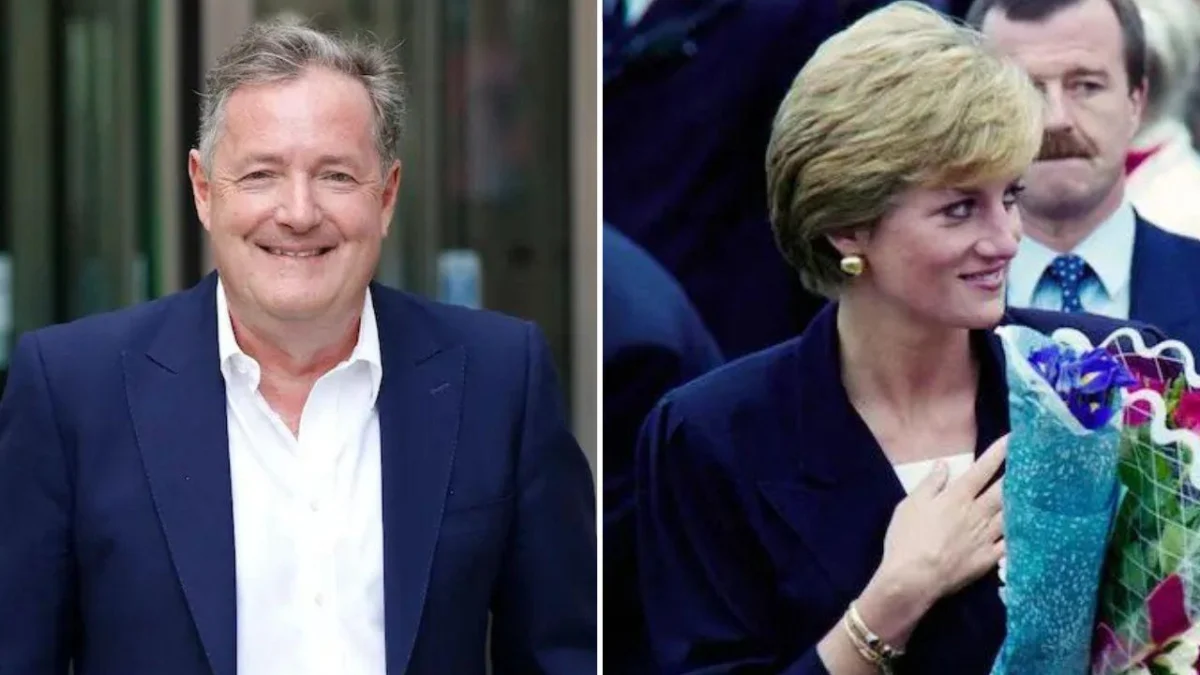
Veteran media personality Piers Morgan has reportedly initiated legal proceedings against Charles Spencer, the Ninth Earl Spencer and brother of the late Princess Diana, over alleged defamatory claims made in Spencer’s forthcoming memoir. The legal threat comes just days before the highly anticipated release of the book, titled Swan Song: Diana, My Sister, which is slated to hit shelves on Tuesday, September 22.
The controversy centers on a specific anecdote detailed in Spencer’s book, where he recounts attempting to dissuade newspaper editors from attending Princess Diana’s funeral in September 1997. Spencer, 62, asserts that his plea was a direct response to years of relentless and often invasive media scrutiny that his sister endured throughout her public life. While most editors reportedly reacted with a degree of confusion but ultimately agreed to his request, Morgan, who at 61 was then editor of the Daily Mirror, is singled out for his purported "surly" and "annoyed" reaction.
Allegations in Charles Spencer’s Memoir Spark Legal Threat
According to an excerpt from Swan Song: Diana, My Sister, obtained by The Independent, Charles Spencer claimed that Piers Morgan "snarled with annoyance" before abruptly ending their phone call. This depiction suggests Morgan’s strong disapproval of Spencer’s request for media absence at the funeral, an event of immense national and international significance. Spencer’s memoir aims to provide an intimate look into his sister’s life and the profound impact of her death, drawing on his personal recollections and perspective as her younger brother.
Morgan swiftly and unequivocally rejected these claims. In a statement reported by News Week on Monday, September 21, he labeled Spencer’s assertions as "demonstrable lies," signaling his intent to pursue legal action. Such a move underscores the seriousness with which Morgan views the allegations, particularly given his prominent role in the media landscape for decades and his often outspoken stance on public figures and events. A legal battle between two high-profile personalities over historical events related to Princess Diana is likely to draw considerable public and media attention.
Piers Morgan’s Media Stature and the Princess Diana Narrative
Piers Morgan has been a fixture in British and American media for over three decades, known for his controversial opinions and combative interviewing style. His tenure as editor of the Daily Mirror from 1995 to 2004 was marked by a blend of tabloid sensationalism and investigative journalism. During this period, the British press was heavily involved in covering the lives of the Royal Family, particularly Princess Diana, whose tumultuous marriage to then-Prince Charles and subsequent divorce captivated global audiences.
The claims in Charles Spencer’s memoir directly challenge Morgan’s professional conduct during a profoundly sensitive national moment. The funeral of Princess Diana was an event of unprecedented public grief and media saturation, making any alleged misstep by a leading newspaper editor a matter of historical record and public scrutiny. Morgan’s decision to sue indicates a determination to protect his reputation against what he perceives as false historical accounts, particularly those related to such a pivotal moment in modern British history.

King Charles III Also Featured in Spencer’s Controversial Memoir
Piers Morgan is not the only prominent figure to take issue with claims made in Spencer’s new memoir. King Charles III, who was divorced from Princess Diana exactly one year prior to her tragic death in August 1997, has also found himself embroiled in controversy due to the book. Spencer’s account includes accusations that Charles expressed a desire for the world to "forget" about his ex-wife soon after her passing, a statement that has elicited a rare public response from Buckingham Palace.
In an excerpt published by The Daily Mail on September 16, Spencer recounted a telephone conversation with Charles, then Prince of Wales, shortly after Diana’s fatal car crash in Paris. Spencer wrote, "I assumed the pause signaled an effort to bring himself under control, but then he unleashed down the phone what I have always taken to be his pent-up contempt for Diana, and his horror that the world was so bowled over by her death." He further alleged that Charles "hissed, ‘Rest assured, we’ll forget her soon enough!’" This recollection paints a stark and unflattering portrait of the current monarch’s immediate reaction to the death of his former wife.
Buckingham Palace Responds to Memoir Claims Against King Charles
Buckingham Palace, typically reticent to comment on personal memoirs, issued a pointed statement in response to Spencer’s allegations concerning King Charles. The Palace’s statement read, "While we do not comment on books as a matter of principle, His Majesty is mindful that the pain of fraternal grief can cloud reason, affect judgment and color memory in ways others do not recognize, even many years after such a loss." This measured yet firm response, reported by People, subtly suggested that Spencer’s perspective might be influenced by his profound personal grief, thereby casting doubt on the accuracy of his recollections without directly refuting them.
The Palace’s rare public intervention underscores the sensitivity surrounding Princess Diana’s legacy and the enduring public fascination with the relationship between Charles and Diana. The allegations, if widely accepted, could significantly impact public perception of King Charles, especially among those who remember Diana fondly and feel a sense of enduring sorrow over her death. The timing of the memoir’s release, decades after Diana’s passing, ensures that these historical narratives continue to shape contemporary views of the monarchy.
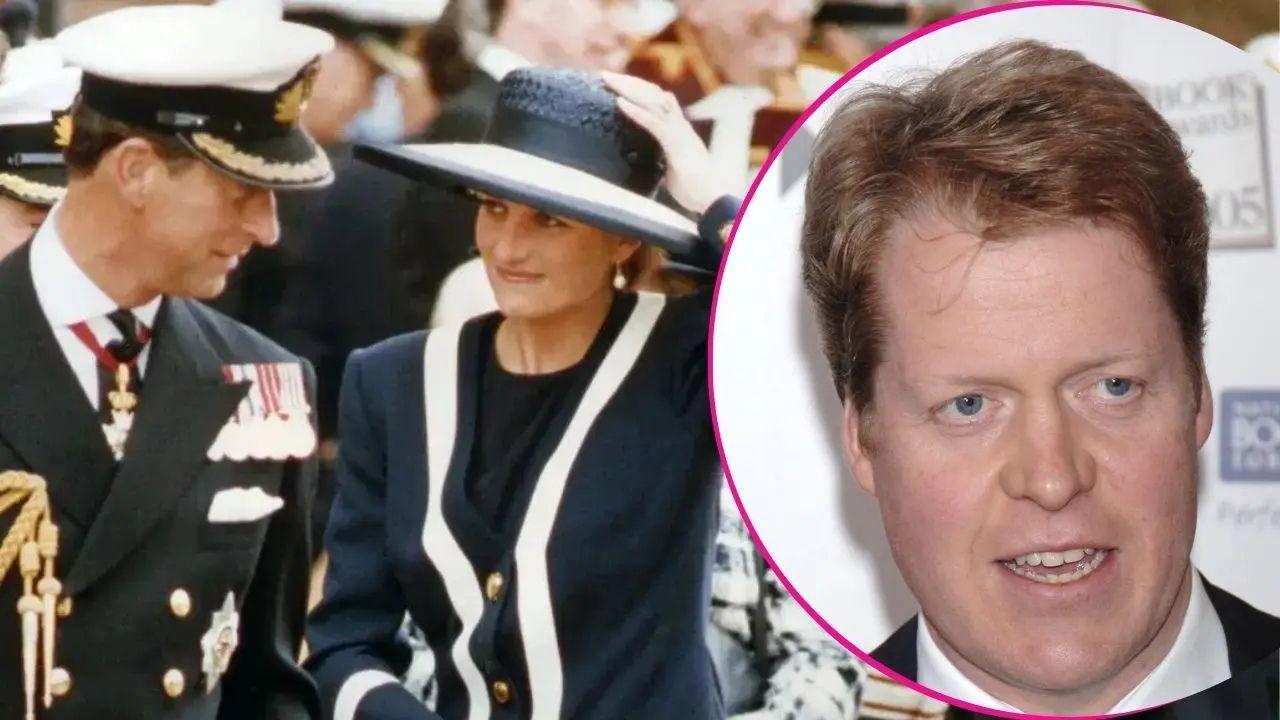
Royal Family in "Full Damage Mode" Following Charles Spencer’s Memoir
Reports from September 18 indicated that King Charles’s inner circle was in "full damage mode" following the incendiary claims in Earl Spencer’s memoir. The Palace is acutely aware of the potential for lasting reputational harm, particularly given Diana’s iconic status globally. Sources close to the Palace, as cited by Radar Online, explained, "The Palace is acutely aware of how damaging an allegation of this nature can be because Diana remains such an important figure to millions of people."
The decision to issue a public statement, a departure from typical royal protocol, reflects the gravity with which these accusations are being treated. "There was a feeling that allowing such a serious claim to circulate completely unanswered would risk it becoming accepted as fact. The response reflects just how seriously this is being taken," an insider added. The Palace’s strategy appears to be a delicate balance of acknowledging Spencer’s grief while implicitly questioning the objectivity of his narrative, aiming to mitigate the impact on King Charles’s public image.
The Enduring Legacy of Princess Diana and Media Scrutiny
Princess Diana’s death in 1997 marked a turning point in the relationship between the British monarchy, the public, and the media. Her funeral was attended by millions globally, and the outpouring of grief was immense, reflecting her status as "the People’s Princess." Charles Spencer’s eulogy at her funeral, which famously critiqued the media and, by implication, the royal establishment for their treatment of Diana, remains a powerful and memorable moment in royal history. His memoir, coming decades later, revisits these painful themes and attempts to solidify his personal narrative of his sister’s life and her relationship with those around her.
The legal action threatened by Piers Morgan and the public response from Buckingham Palace highlight the continued potency of Princess Diana’s story and the intense scrutiny that surrounds any narrative purporting to offer new insights into her life and death. As Swan Song: Diana, My Sister prepares for its release, it is clear that the book will not only provide Spencer’s perspective but also reignite debates over media ethics, royal conduct, and the lasting legacy of a figure who continues to captivate the world. The ensuing legal and public battles promise to keep Princess Diana’s memory, and the controversies surrounding it, firmly in the spotlight.