The third season finale of Paramount+’s acclaimed spy thriller Lioness, titled “The Unraveling,” delivered a devastating one-two punch that left audiences reeling, prompting stars Zoe Saldaña and Nicole Kidman to reflect on the inherent imperfections of their characters and the high cost of national security. The episode shattered any illusions of a clean victory for the elite female CIA operative unit, exposing the profound personal sacrifices demanded by their perilous profession and setting the stage for a dramatic shift in the series’ future.
Background on Lioness and Its Creator
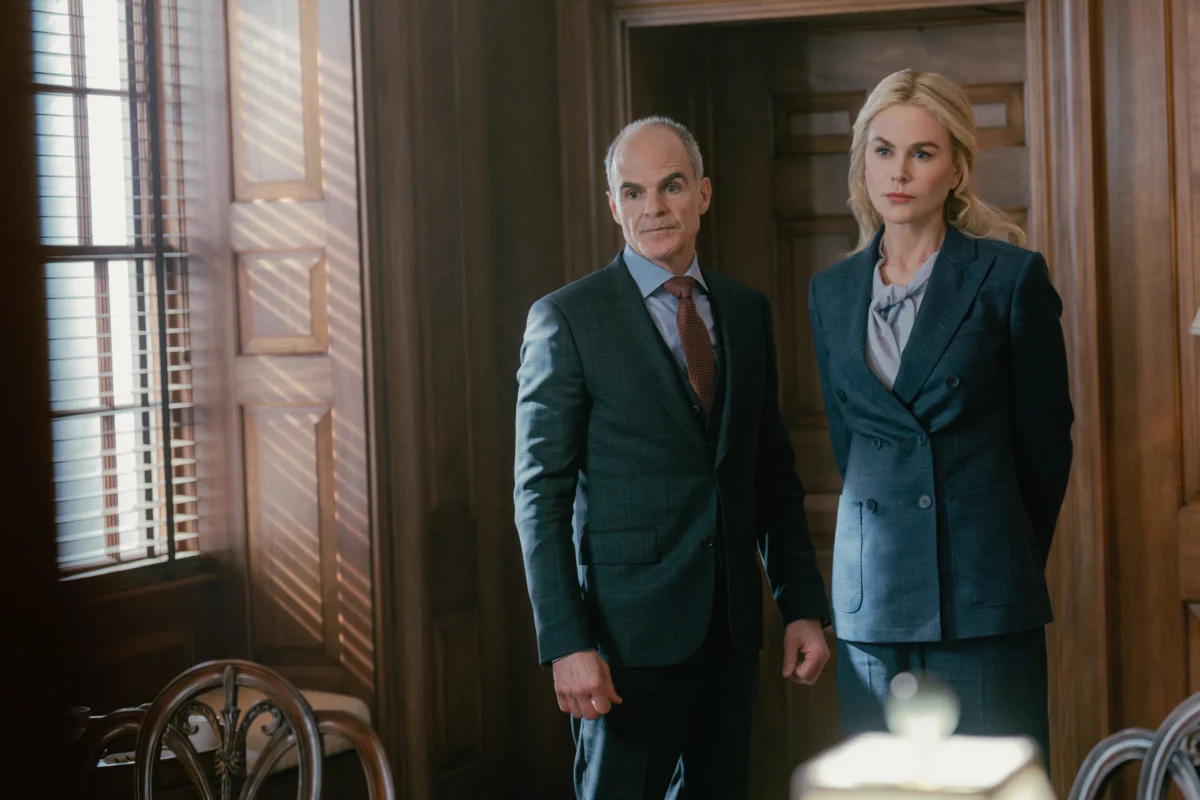
Lioness, a cornerstone series for the Paramount+ streaming service, hails from the prolific creator Taylor Sheridan, known for his gritty, character-driven dramas like Yellowstone and Mayor of Kingstown. The series distinguishes itself by focusing on a covert CIA program, where female operatives are deployed into dangerous missions, often requiring them to get intimately close to high-value targets. At its core, Lioness explores the psychological and emotional toll this work takes on its agents, particularly commander Joe McNamara, portrayed by Zoe Saldaña, and her superior, high-ranking CIA boss Kaitlyn Meade, played by Nicole Kidman.
The first two seasons established the Quick Reaction Force (QRF) as a unit designed for rapid, decisive action: rescuing compromised American assets and neutralizing threats to national security. Their mandate typically eschewed captures in favor of swift elimination, painting a stark picture of the CIA’s more brutal operations. This foundation of high-stakes, morally ambiguous missions set a tense precedent for the series’ evolving narrative.
Season 3’s Pivotal Shift and Dual Timelines
Season three introduced a significant narrative departure, employing a dual-timeline structure that deepened the show’s exploration of its characters’ lives beyond their immediate missions. Creator Taylor Sheridan, who also made a return appearance this season as Cody Spears, steered Lioness into more personal territory. One timeline chronicled Joe and her team’s deployment to Ukraine six months prior to the present day, tasked with capturing a valuable Russian asset. This mission, seemingly a straightforward gift from a Ukrainian-Russian double agent named Oleksandra Balakin (Elizaveta Neretin), quickly proved to be anything but simple.
The other timeline unfolded in the present, revealing the devastating consequences of Joe’s life as a clandestine operative. Shortly after the Ukraine abduction, Joe’s home in Fairfax, Virginia, became a target. Two men, posing as local police, attempted to kidnap her while her husband, Neal (Dave Annable), and daughters, Kate (Hannah Love Lanier) and Charlie (Celestina Harris), slept upstairs. Joe’s formidable training kicked in, and she killed her assailants on her front lawn, an act witnessed by her horrified husband. Six months later, the threat escalated when Joe was successfully ambushed and abducted by Russian rogue operatives while driving to work.
The Grueling Search and Joe’s Internal Battle
The subsequent episodes focused intensely on the desperate race against time to locate and rescue Joe. Kaitlyn Meade, acutely aware of the potential for torture and the risk of Joe divulging classified U.S. secrets, understood the grim possibilities. In a worst-case scenario, finding Joe too late could necessitate neutralizing not only her captors but also Joe herself, a prospect that weighed heavily on her friend and superior. Viewers were subjected to a violent and grueling journey alongside Joe, who endured torture as her captors attempted to transport her out of the country. Against all odds, Joe eventually managed to escape, returning home to what she hoped would be a reunion.
Zoe Saldaña, reflecting on Joe’s arduous Season 3 storyline, shared with The Hollywood Reporter that it was exceptionally taxing, both physically and mentally. She immersed herself in portraying Joe’s profound anger and deep-seated fears. When asked which emotion dominated Joe’s psyche, Saldaña stated, “I think both. Part of the reason why Joe struggles so much is that fear keeps seeping in. She has to find ways to just muster the courage, to be fearless, because if she becomes afraid, then that means she’s going to second-guess any decision she may make on a whim.” She emphasized the split-second nature of Joe’s decisions, where hesitation can mean lives lost.
Saldaña further elaborated on Joe’s dynamic with Kaitlyn Meade, describing their unique bond. “She also knows that Kaitlyn is constantly assessing her,” Saldaña explained. “That’s part of their friendship. They do have a very special bond… We’ve never particularly seen women have such a stoic, disciplined relationship that is based on trust and respect and love for country. She knows that Kaitlyn is the end all be all, and she’s constantly assessing her, like she’s assessing anybody in the room. Her goal is to always assure Kaitlyn that she is the most trusted lioness that she has.” This interplay highlights the complex layers of professionalism, trust, and unspoken affection that define their working relationship.
Kaitlyn Meade’s Strategic Detachment and the Cost of Leadership
Nicole Kidman echoed Saldaña’s sentiments about the deep respect and love between Kaitlyn and Joe, yet underscored Kaitlyn’s necessity for emotional detachment. “She’s all about protecting her country,” Kidman told THR. “She’s primarily stepped into, and is wired with, the military brain where she’s able to go, ‘This is what we deal with, and this is the strategy.’ She’s brilliant at that compartmentalizing.”

Kidman explained that Kaitlyn’s ability to remain unemotional is crucial for her role. “If she gets caught up in emotions and feelings, she will not be able to do her job, and her job is to protect them and protect her country.” Beneath this tough exterior, however, lies a pragmatic empathy. “If you can’t do this job, then I want you to go. Follow what you need to do. But I’ve got to have the people in these jobs that are capable of doing them, because otherwise thousands of people die. Hundreds of thousands of people die. We’re dealing with huge, huge issues and problems that if I don’t have a team that is capable, then I have to move you on.” This reveals the immense pressure and grim calculations inherent in her position, where personal feelings must be subjugated to the greater good, even if that good comes at a devastating personal cost to her agents.
The First Gut-Punch: Joe’s Shattered Home Life
The finale’s first major twist was Joe’s return to an empty home. She found a note in the kitchen, its contents withheld from the audience, empty drawers in her family’s bedrooms, and a “For Sale” sign planted outside the house. Joe was left weeping in her daughter’s bedroom, a stark image of her personal devastation. Michael Kelly, who portrays CIA Deputy Director of Operations Byron Westfield, commented on this emotional blow. “When something like this happens close to home, you see these characters react a little bit differently. You see emotions like you haven’t seen before, because it’s personal. You came for us, and it’s not something the CIA typically deals with.”
Dave Annable, who plays Joe’s husband, Neal, revealed that the groundwork for this heartbreaking outcome was laid throughout the season. “This is that fear coming to fruition,” he said, referring to Neal’s earlier experiences. “I wouldn’t even know that it would have been a fear, that he would expect a couple of dead bodies on his front lawn because his wife has been found out. Reading that was extremely intense and exciting. To get to then see it, it worked. You really felt Neal’s confusion and fear, and I think that sent him in a different trajectory on this third season.”
Annable elaborated on Neal’s profound shift: “I think Neal lost control of everything. Now, this is completely out of his control. His kids’ lives are at risk, and that’s a whole different conversation with his wife now that the stakes have been raised so high. This is now a personal battle between Neal and his wife and those choices and consequences. It’s really a beautiful story to share and tell.” This segment underscored the profound impact of Joe’s work on her family, depicting the ultimate sacrifice of personal relationships for the sake of national security.
The Second Gut-Punch: A Familiar Enemy and Lingering Consequences
The second shocking revelation of the finale unveiled the true mastermind behind Joe’s kidnapping: Aaliyah Amrohi (Stephanie Nur), now operating from Doha, Qatar. This twist brought a significant narrative thread from season one full circle, demonstrating that the collateral damage of QRF’s operations can indeed come back to haunt them. For viewers needing a refresher, Aaliyah was the daughter of a terrorist financier targeted by Joe’s team in the first season. Joe had recruited Laysla De Oliveira’s character, Cruz, to befriend Aaliyah, infiltrate her circle, and ultimately assassinate her father. The mission became complicated when Cruz and Aaliyah developed a romantic relationship. Cruz eventually carried out the assassination, killing Aaliyah’s new husband and father in front of her, before being extracted by QRF. The incident led to a heated confrontation between Joe and Cruz, as Cruz struggled with the emotional fallout of betraying someone she loved.
This unexpected return of Aaliyah as the vengeful antagonist sets up a compelling premise for a potential fourth season of Lioness. It highlights the series’ exploration of the long-term consequences of espionage, where personal vendettas can emerge from past missions, regardless of the perceived justification. The cycle of violence and retribution becomes a central theme, challenging the notion of clear-cut victories in the shadowy world of intelligence.
Embracing Flaws in the Pursuit of Perfection
As Lioness stands on the precipice of a possible fourth season, Zoe Saldaña shared her appreciation for Joe’s complex character, acknowledging her highs, lows, and the mistakes she makes in balancing her family and career. “Here’s the thing about striving for perfection: it’s an ideology,” Saldaña stated. “You wake up every day and tell yourself, ‘I’m just pursuing this goal, to be perfect.’ What prevents you from doing that is your humanity. As humans, we’re incredibly flawed. We’re going to overlook something.”
Saldaña contrasted those who abandon their pursuit of perfection after failure with characters like Joe and Kaitlyn. “Compared to the human beings who, like Joe and Kaitlyn, recognize it and rise higher the next time.” She firmly concluded, “Joe is definitely that person.” This sentiment encapsulates the core theme of the Lioness Season 3 ending and the series as a whole: the relentless, often brutal, pursuit of an ideal in a world riddled with human imperfection, where even the most dedicated operatives are fundamentally flawed, yet resilient in their commitment.
Lioness is now streaming all of season three on Paramount+, leaving audiences to grapple with the profound implications of its gut-punch ending and eagerly anticipate the next chapter in Joe McNamara’s harrowing journey.