Veteran journalist Megyn Kelly has publicly defended actress Sydney Sweeney amidst a burgeoning controversy surrounding her recent "stripped-down" advertisement for the sports prediction platform Novig, calling critics "so judgy about a gorgeous woman." The dispute ignited after Sweeney appeared nearly nude in the digital campaign, sparking widespread debate about the sexualization of women in sports advertising and drawing ire from various online commentators and female athletes. Kelly’s outspoken support, voiced during a recent broadcast of "The Megyn Kelly Show," positions her firmly against those who have condemned Sweeney’s marketing choice.
The Genesis of the Controversy: Sweeney’s Novig Campaign
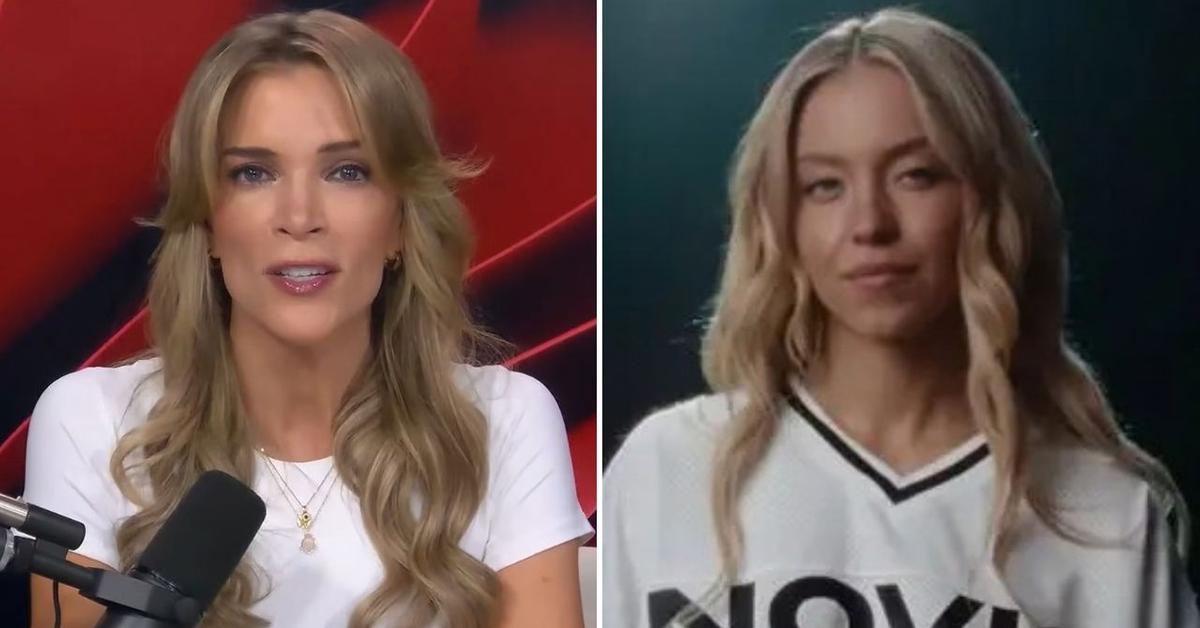
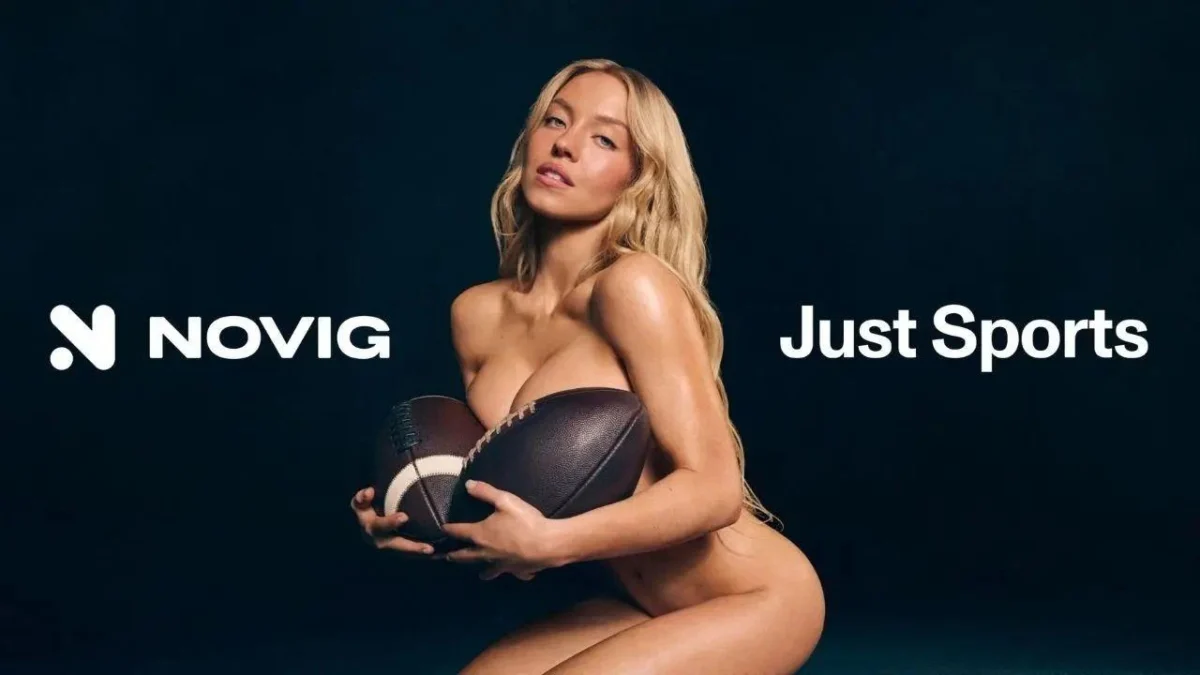
The contentious advertisement, a 60-second digital spot for Novig, featured Sydney Sweeney strategically concealing her body with various sports equipment, including footballs, basketballs, a soccer ball, and a hockey net. The campaign was designed to promote Novig’s sports prediction platform, which launched in August. Sweeney’s involvement extended beyond a mere endorsement; she is reportedly a strategic partner and an equity holder in the burgeoning company, underscoring a deeper commitment to the brand. The ad quickly garnered significant attention upon its release, generating both curiosity and immediate backlash across social media platforms.
Initial Reactions and Mounting Criticism
Upon the ad’s debut, online discussions swiftly escalated into a broader critique, with many viewers expressing discomfort over what they perceived as the blatant sexualization of women within a sports context. A notable segment of the criticism emanated from female athletes and their supporters, who argued that the ad undermined efforts to promote women’s athletic achievements and reduced female representation in sports to mere objectification. This segment of the public felt the campaign perpetuated outdated stereotypes, detracting from the skill and dedication of women in competitive sports. The controversy highlighted a recurring tension between advertising strategies that leverage celebrity appeal and physical attractiveness versus the desire for more substantive and empowering portrayals of women, particularly in male-dominated fields like sports.

Megyn Kelly Enters the Fray: A Spirited Defense
Addressing the growing furor, Megyn Kelly, known for her candid and often provocative commentary, dedicated a segment of her September 23 broadcast of "The Megyn Kelly Show" to the topic. Kelly wasted no time in articulating her defense of Sweeney, characterizing the negative reactions as a "predictable leftist feminist meltdown." Her remarks swiftly redirected the narrative, framing the criticism not as a legitimate concern about representation, but as an overly sensitive or ideologically driven response to a woman embracing her sexuality. This stance resonated with a segment of her audience, who often align with her conservative perspectives on cultural issues.
"So Judgy About a Gorgeous Woman": Kelly’s Core Argument

Kelly’s argument centered on the idea that the backlash was largely rooted in judgment toward Sweeney’s physical appearance and her decision to utilize it in advertising. "Some female athletes are p—-, but I don’t get it," Kelly stated, challenging the validity of the athletes’ grievances. She continued by asserting a historical precedent, claiming, "since the dawn of time, we’ve been selling sports to men by using s— women in ads." This comment suggested that Sweeney’s ad was merely a continuation of a long-standing advertising tradition, rather than a novel or problematic departure.
During the discussion, Kelly engaged with her guest, Emily Jashinsky, to further underscore her point. Both agreed that Sydney Sweeney "wasn’t holding herself up as an example of a real female athlete," thereby attempting to decouple the ad from direct implications about athletic prowess or female sports legitimacy. Kelly emphasized that "nobody’s taking a shot at female athletes or saying that they have to look like Sydney Sweeney," dismissing the idea that the ad somehow imposed an unrealistic standard on other women in sports. She concluded her robust defense by declaring that "it would be like a tragedy if that woman didn’t occasionally show off that body," and personally added, "If I looked like that, I’d be doing nude ads too," injecting a personal, almost aspirational, element into her argument for Sweeney’s freedom of expression.
The Backlash Intensifies: Social Media Reactions and Follower Shifts

The public discourse surrounding the Novig ad extended beyond verbal criticism, manifesting directly on Sydney Sweeney’s social media presence. Initially, in the three days following the ad’s release, Sweeney reportedly experienced a bump of 50,000 new followers on Instagram, suggesting an initial positive or at least curious reception from some quarters. However, this gain was quickly overshadowed by a substantial reversal. Over the subsequent 48 hours, Sweeney’s Instagram account recorded a net loss of more than 200,000 followers. While this figure represented less than one percent of her overall audience of over 25 million, it provided a tangible metric reflecting the negative sentiment and active disengagement from a significant portion of her online community. The rapid fluctuation in follower count underscored the volatile nature of celebrity endorsements in the digital age and the immediate, measurable impact of public controversies on online influence.
Novig’s Stance: CEO Defends Marketing Strategy
Amidst the media storm and public debate, Novig CEO Jacob Fortinsky offered his company’s perspective on the controversial campaign. Speaking out after the ad’s September 16 release, Fortinsky staunchly defended Sweeney’s performance and the overall marketing strategy. He highlighted the commercial success of the ad, noting that Novig had "passed a billion dollars in cumulative volume" since its August launch. This metric, he implied, validated the effectiveness of the campaign despite the external criticism. Fortinsky further praised Sweeney, stating, "Ultimately, I think she did a great job at conveying the essence of our company and we’ve been very happy with how positive the feedback has been overall." He also confirmed Sweeney’s active role in shaping the campaign, indicating that she had a hand in driving the visuals and messaging, according to Front Office Sports. This suggested that the ad was not merely an exploitative brief handed to the actress, but rather a collaboration reflecting her own agency and brand alignment.

Broader Implications: Celebrity Endorsements, Gender, and Sports Marketing
The controversy surrounding Sydney Sweeney’s Novig ad and Megyn Kelly’s defense taps into several broader societal and industry implications. It highlights the increasingly blurred lines between entertainment, sports, and commercial advertising in the digital era. Celebrities like Sweeney are potent tools for brand visibility, capable of generating immense reach and engagement, but also susceptible to intense public scrutiny. The incident reignited discussions about the historical objectification of women in advertising, particularly within sports, where female bodies have frequently been used to attract male audiences, often overshadowing female athletic prowess.
Conversely, Kelly’s defense resonates with arguments for individual agency and economic freedom, suggesting that a woman should be free to leverage her physical attributes for commercial gain without being subjected to moralistic judgment. This perspective often clashes with contemporary feminist viewpoints that prioritize dismantling patriarchal norms and challenging representations that reduce women to their physical form, even when the woman herself consents. The debate also underscores the evolving landscape of sports betting, a rapidly expanding industry seeking to normalize its presence through mainstream celebrity endorsements, often pushing boundaries in their marketing efforts to capture attention in a crowded market.

The Ongoing Debate: A Cultural Flashpoint
The Megyn Kelly-Sydney Sweeney ad controversy remains a cultural flashpoint, encapsulating a multifaceted debate about female representation, celebrity ethics, and the power dynamics inherent in modern advertising. It pits traditional marketing tactics against progressive calls for more equitable and respectful portrayals of women. For some, Sweeney’s ad represents a bold embrace of body positivity and individual choice, while for others, it symbolizes a step backward, reinforcing harmful stereotypes that impede the advancement of women in sports and society at large. The swift and polarized reactions, from social media metrics to impassioned media commentary, illustrate the deep divisions within public opinion regarding what constitutes appropriate or empowering representation in a hyper-visual, digitally interconnected world. The incident serves as a stark reminder of the delicate balance celebrities and brands must navigate when their commercial ventures intersect with deeply held cultural values and social justice movements.