A significant majority of Americans, nearly 70 percent, believe the ongoing U.S.-Israel war in Iran is not worth the cost, a sentiment that has seen a notable increase since July, according to a new nationwide poll. This finding underscores a growing public weariness with the protracted conflict and its perceived lack of tangible benefits.
The Associated Press-NORC Center for Public Affairs Research released the survey on Thursday, revealing that 71 percent of U.S. adults disapprove of President Donald Trump’s handling of Iran policy, while 69 percent stated the war has not been worth fighting. This indicates a widespread public sentiment that the sacrifices made in the conflict are not yielding a proportionate return.
The poll, which surveyed over 2,000 adults across the United States, also highlighted deep-seated public frustration with President Trump’s economic stewardship. Only 17 percent of respondents approved of his handling of the cost of living, a particularly sensitive issue for households nationwide. Furthermore, just 26 percent expressed approval for his overall management of the economy, a figure representing a new low in public confidence.
Public Unease Over Economic Fallout of Iran War
The mounting economic anxieties are palpable among Americans, with concerns about fuel costs reaching a critical point. Approximately half of those polled reported being deeply worried about their ability to afford to fill their vehicles’ gas tanks, a substantial rise from 39 percent in July. Similarly, about half of respondents indicated high levels of concern regarding their capacity to afford essential food items, signaling a growing struggle for basic necessities.
This economic malaise comes at a pivotal moment as President Trump actively kicks off his midterm campaign trail. His strategy appears to be an all-in effort to galvanize the Republican base, commencing his stump speeches in Texas and Oklahoma. These locations were strategically chosen amid widespread voter anxiety directly linked to the war on Iran’s escalating economic fallout, suggesting the administration is keenly aware of the public’s economic grievances.
Despite the broad dissatisfaction, the poll revealed a nuanced view among Republicans. Two-thirds of Republicans surveyed attributed the higher-than-usual prices to factors beyond President Trump’s direct control. However, approximately one-third of Republican respondents did link the economic pressures directly to Trump’s policies, indicating a division within his own party regarding the causes of the current economic climate.
The Unpopular War’s Political Ramifications
The sobering poll numbers suggest President Trump’s national popularity remains on shaky ground. The findings imply that even some within the Republican party are faulting him for a perceived failure to deliver on promised economic relief and for the ongoing burden of the conflict in Iran. This sentiment could have significant implications for the upcoming midterm elections, where economic issues and foreign policy are expected to be dominant themes.
Trump’s Response to Sliding Poll Numbers
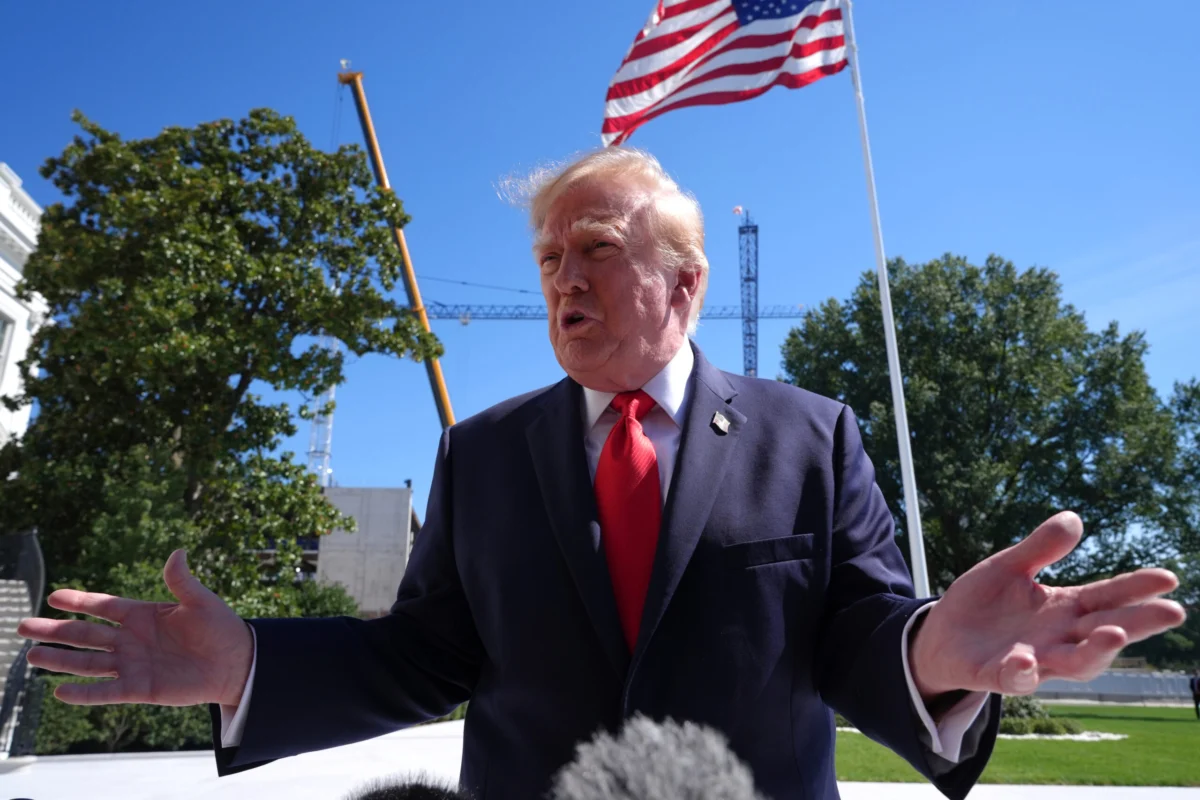
In a recent interview with TIME magazine, published on Thursday, President Trump was directly questioned about whether the deeply unpopular war in Iran could jeopardize his party’s chances in the November elections. He initially acknowledged the possibility, stating, "It’s possible." However, he quickly pivoted to a more optimistic outlook, adding, "it should help, because Iran will not have a nuclear weapon." This statement attempts to frame the costly conflict as a necessary step towards preventing a greater future threat.
When confronted with the sliding poll numbers, President Trump expressed a familiar skepticism towards the survey methodologies. He declared that "pollsters are corrupt" and that the unfavorable polls "are fake." He confidently asserted that he would defeat any potential opponent running today "by 20 points," dismissing the polling data as inaccurate and unrepresentative of genuine public sentiment. This defiant stance suggests the administration is unlikely to be swayed by the current polling trends, at least publicly.
Historical Context of the Iran Conflict and U.S. Involvement
The current conflict in Iran, initiated by the U.S. and its allies, has been a complex and evolving geopolitical situation. While the specific catalyst for the recent escalation is not detailed in the poll’s findings, the broader context involves long-standing tensions between the United States and Iran, stemming from issues such as Iran’s nuclear program, regional influence, and support for various militant groups. The U.S. has historically sought to contain Iran’s regional ambitions and prevent it from acquiring nuclear weapons, while Iran has maintained its right to develop its nuclear capabilities for peaceful purposes.
The decision to engage in military action has often been a contentious one, with proponents arguing for the necessity of decisive action to protect national security interests and allies, while opponents raise concerns about the human cost, financial expenditure, and potential for protracted engagement. The involvement of Israel alongside the U.S. in this particular conflict adds another layer of complexity, reflecting the strong strategic alliance between the two nations and their shared security concerns in the Middle East.
Economic Repercussions and Public Burden
The economic consequences of prolonged military engagements are a recurring concern for any nation. For the United States, the war in Iran represents a significant drain on national resources, diverting funds that could otherwise be allocated to domestic priorities such as infrastructure, healthcare, or education. The rising cost of living, as indicated by the poll, is a direct manifestation of these economic pressures, with inflation, supply chain disruptions, and increased government spending on defense all contributing factors.
The public’s concern about affording basic necessities like fuel and food is a stark indicator of the economic strain felt by everyday Americans. When households struggle to meet these fundamental needs, their tolerance for costly foreign entanglements naturally diminishes. This sentiment is amplified when the perceived benefits of such conflicts are unclear or seem distant from the daily realities of the average citizen.
Shifting Public Opinion and Political Strategy
The surge in public opposition to the war on Iran is a significant development that political strategists cannot ignore. Historically, public opinion on foreign conflicts can be a powerful force, influencing electoral outcomes and shaping policy decisions. President Trump’s decision to focus his midterm campaign efforts in states like Texas and Oklahoma, while addressing economic anxieties, suggests an awareness of the need to connect with voters on issues that directly impact their lives.
The administration’s challenge lies in balancing its foreign policy objectives with the domestic concerns of the electorate. The poll’s findings indicate that the public is increasingly questioning the wisdom of continued military involvement in Iran, especially when coupled with economic hardship at home. This disconnect between the administration’s messaging and public sentiment could prove to be a significant hurdle for Republicans in the upcoming elections.
The Role of Media and Information in Shaping Perceptions
The way in which information about the war and its economic consequences is disseminated plays a crucial role in shaping public perception. Media coverage, official statements, and political rhetoric all contribute to the narrative surrounding the conflict. The poll’s timing, coinciding with President Trump’s campaign kickoff, highlights the intersection of foreign policy, economic conditions, and electoral politics.
The administration’s efforts to frame the war as a necessary endeavor to prevent a nuclear Iran, while simultaneously downplaying the economic burdens, represent a strategic communication effort. However, the persistent public concern over rising prices and the war’s perceived lack of worth suggest that this messaging is not fully resonating with a large segment of the population. The media’s role in providing factual reporting and diverse perspectives is therefore critical in enabling the public to form informed opinions.
Future Implications and Political Landscape
The poll’s findings paint a picture of a nation grappling with significant economic challenges and growing disillusionment with a protracted foreign conflict. The nearly 70 percent disapproval of the war’s worthiness, coupled with low approval ratings for President Trump’s economic handling, suggests a potential shift in the political landscape. As the midterm elections approach, these sentiments are likely to be a key factor influencing voter behavior.
The administration faces the difficult task of navigating these complex issues. Whether President Trump can effectively counter the negative sentiment surrounding the war and the economy will be a critical determinant of his party’s success in the upcoming elections. The public’s demand for tangible solutions to their economic woes, alongside a reassessment of the costs and benefits of foreign military engagements, will undoubtedly shape the political discourse in the months ahead. The war on Iran, its economic fallout, and the public’s perception of its value remain central issues that will continue to be scrutinized and debated.