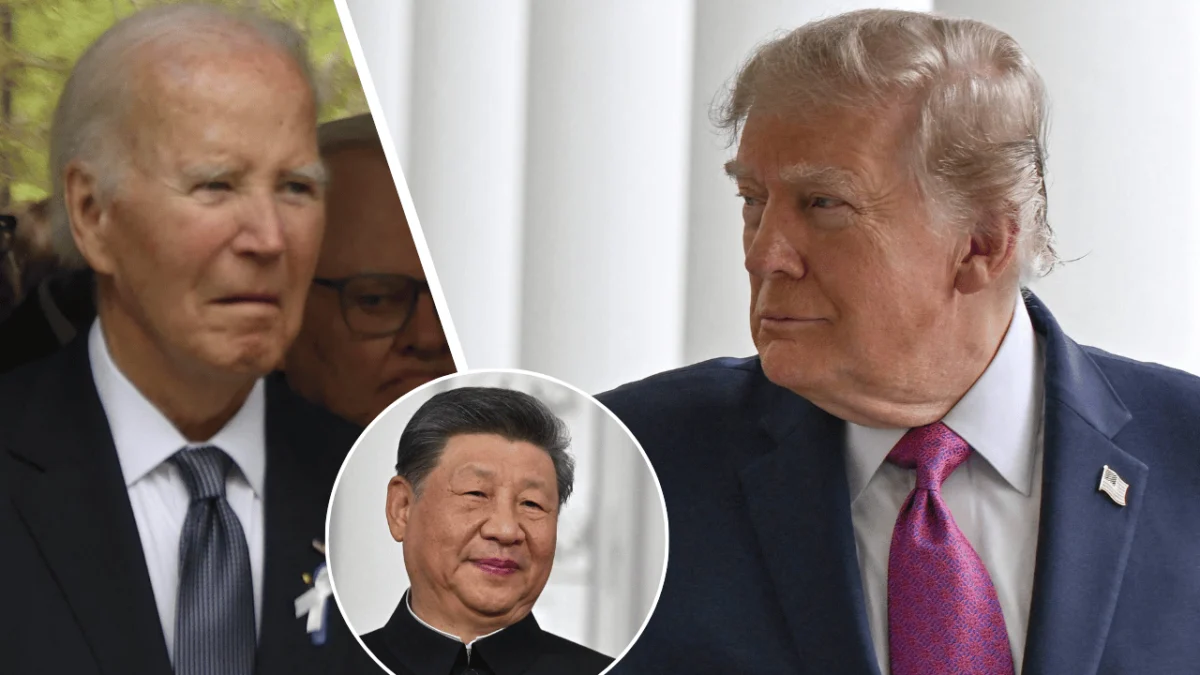
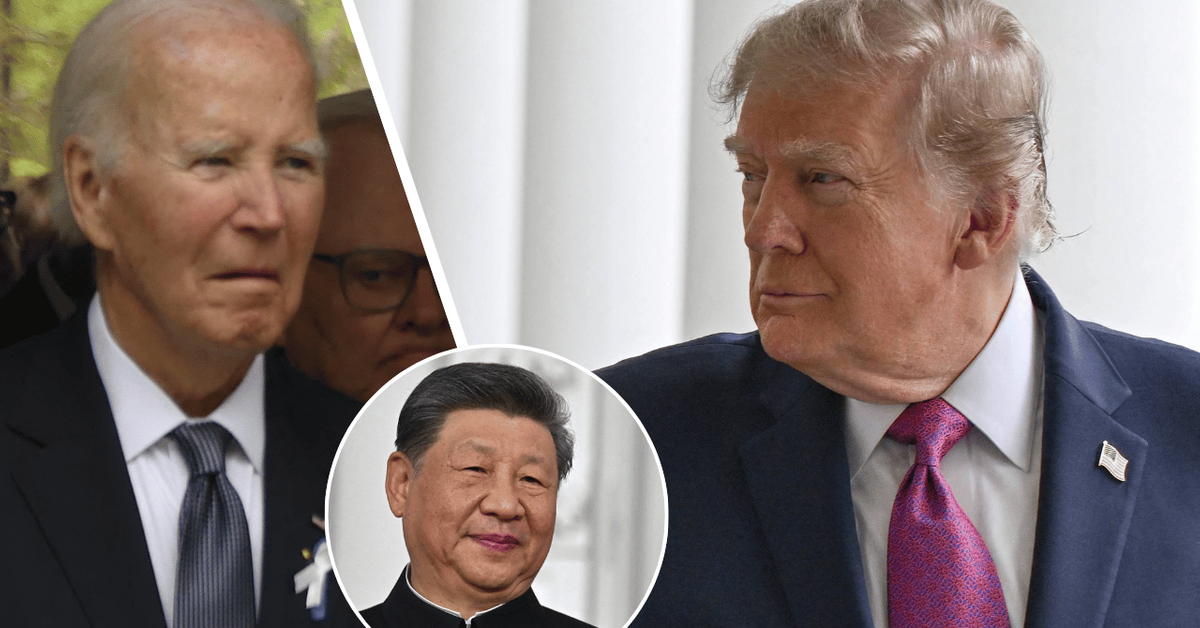
President Donald Trump faced a swift and bipartisan backlash after publicly ridiculing former President Joe Biden during Chinese leader Xi Jinping’s state visit to the White House. The controversy erupted when Trump, while guiding Xi along the White House colonnade, replaced Biden’s official portrait with an image of a mechanical autopen, drawing sharp condemnation from across the political spectrum for disparaging a former American leader on the international stage. Critics asserted that Trump’s actions were "utterly disgusting" and fundamentally undermined the nation’s dignity.
The White House Walk of Fame Incident
The unusual diplomatic moment unfolded on September 25, 2026, during Xi Jinping’s high-profile state visit to Washington, D.C. As part of the traditional White House tour, President Trump led the Chinese delegation, including President Xi, through the colonnade, an area often referred to as the "Presidential Walk of Fame." This corridor typically showcases official portraits of past U.S. presidents, symbolizing continuity and the enduring nature of the American presidency. However, in a stark departure from this tradition, the space where former President Joe Biden’s portrait would conventionally hang was instead occupied by a framed image of an autopen device.
President Trump reportedly gestured toward the image, explaining to Xi Jinping and his entourage, "This is the autopen… It’s Biden." This remark, intended to mock the former president, elicited laughter from the Chinese delegation. The jibe referenced unproven claims, often circulated in certain political circles, that Biden’s staff frequently used an autopen to sign official documents, implying a lack of personal involvement or capacity from the former president. Trump also reportedly joked about not recognizing himself in a photo with Xi, before adding, "We respect you," a comment that further fueled criticism regarding his priorities during the high-stakes diplomatic exchange.
Autopen Use and Presidential Precedent
The use of an autopen by U.S. presidents is not unprecedented, nor is it inherently controversial. Presidents from Dwight D. Eisenhower to Barack Obama have utilized autopens to sign routine documents, correspondence, and memorabilia, particularly when traveling or facing an overwhelming volume of paperwork. The device mechanically reproduces a president’s signature, allowing for efficiency in administrative tasks. However, its use for significant legislative actions or executive orders has historically been scrutinized, leading to informal guidelines about when and how it should be employed to avoid questions of authenticity or direct presidential engagement.
In the context of Joe Biden’s presidency, rumors and unverified allegations concerning his reliance on an autopen were frequently amplified by political opponents, often intertwined with broader criticisms of his age and perceived fitness for office. These claims, largely unsubstantiated by concrete evidence regarding critical decision-making, became a recurring theme in partisan discourse. By displaying an autopen image in place of Biden’s portrait, President Trump appeared to validate and amplify these partisan attacks on a global stage, using a diplomatic setting for domestic political theater.

A Breach of Diplomatic Decorum
The incident quickly ignited a firestorm of criticism, with observers from across the political spectrum condemning President Trump’s actions as a severe breach of diplomatic decorum and a disservice to the office of the presidency. The core of the outrage stemmed from the perceived impropriety of a sitting U.S. president undermining a predecessor in front of a foreign head of state, particularly one considered a strategic rival like China’s Xi Jinping.
Many argued that such behavior projects an image of internal division and weakness to the international community, potentially emboldening adversaries and unsettling allies. Traditional diplomatic protocol emphasizes the importance of presenting a unified national front, regardless of domestic political disagreements. The office of the president, even after an individual leaves it, is generally treated with a degree of respect that transcends partisan divides in international settings.
‘Humiliating the United States’: Bipartisan Outcry
The condemnation of President Trump’s actions was notably bipartisan, an increasingly rare occurrence in the highly polarized American political landscape. Former Democratic congressman John Delaney was among the most vocal critics, blasting the move as "the most un-American thing an American president has ever done." His strong words underscored the widespread belief that Trump’s actions crossed a fundamental line, prioritizing personal political grievances over national interest and dignity.
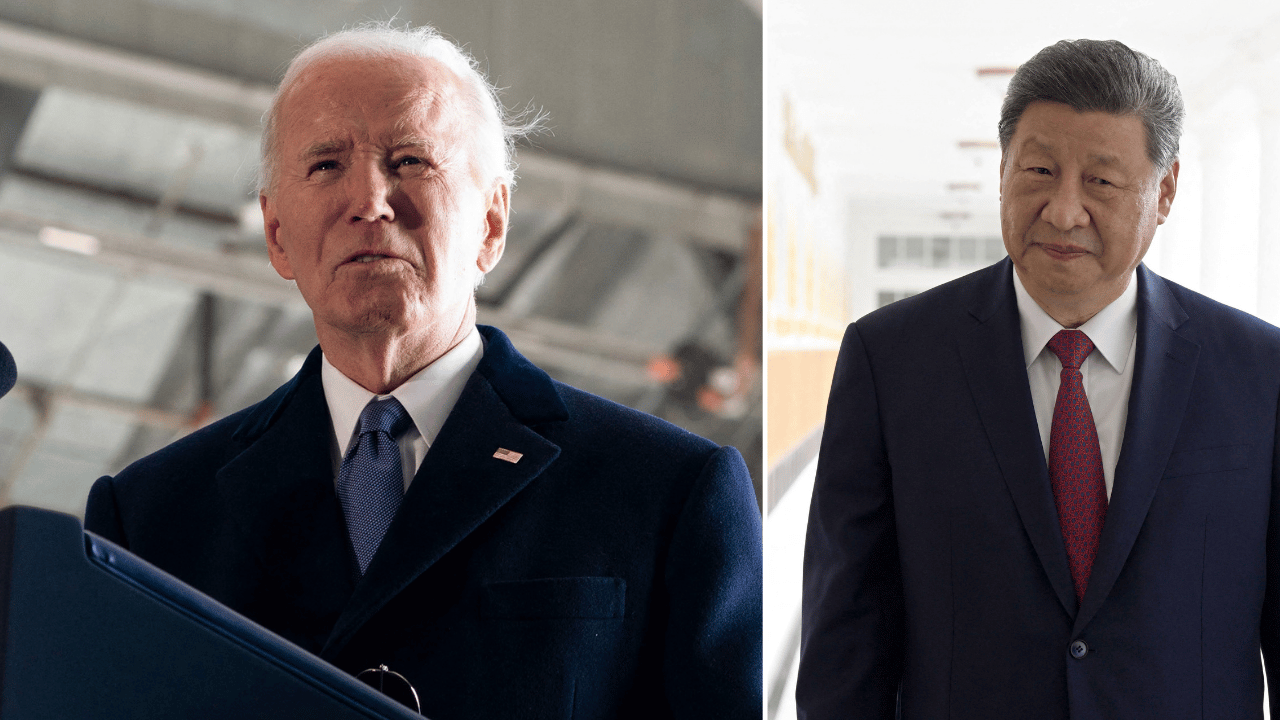
Echoing this sentiment, Sarah Matthews, a former White House aide during the Trump administration, expressed her dismay. "Nothing says ‘America First’ like mocking a former American president in front of a communist dictator," Matthews stated, directly challenging the notion that Trump’s behavior served national interests. She continued, "Trump may think he’s humiliating Biden, but all he’s doing is humiliating the United States." Her critique, coming from within the conservative sphere and from someone who previously served the Trump administration, lent significant weight to the chorus of disapproval.
Conservative Voices Join the Denunciation
The criticism extended deeply into conservative media and journalistic circles, highlighting the widely perceived gravity of the incident. Gerard Baker, editor-at-large for the Wall Street Journal, offered a terse but powerful condemnation, simply writing, "Just utterly disgusting." His concise remark captured the visceral reaction of many who viewed the act as beyond the pale of acceptable presidential conduct.
Charles C. W. Cooke of The National Review, another prominent conservative journalist, characterized the behavior as "grotesque." He articulated the foundational principle that should govern such interactions: "Joe Biden was an American president. Xi is a communist dictator, and the head of a foreign state. Our internal divisions are not fair game in this context." Cooke’s statement emphasized the strategic danger of airing domestic political laundry before a geopolitical rival, arguing that it weakens the national posture.

Jonah Goldberg, another respected conservative journalist, articulated a similar point with even greater force. "There is no better example I can think of how Trump isn’t a steward of America or remotely patriotic or even nationalistic," Goldberg penned. "He is simply a partisan of his own ego. This is just gross. He’s trying to suck up to a dictator and adversary by mocking another American president." Goldberg’s analysis suggested that Trump’s actions were driven by personal ambition and animosity rather than any genuine concern for national strength or unity, further eroding the perception of presidential statesmanship.
Diplomatic Repercussions and Perceptions
Beyond the immediate domestic political fallout, the incident raised serious questions about its diplomatic repercussions. Donna Brazile, former DNC Chair, joined the bipartisan condemnation, questioning President Trump’s motives: "Where’s the love for the USA? Why is Trump making fun or poking at a former President in front of a communist dictator who is not our friend. What’s the matter with Donald Trump?" Her comments highlighted the perceived incongruity of Trump’s actions with a robust foreign policy focused on asserting American strength and values.
Political strategist Chris D. Jackson offered a stark assessment of how such behavior might be interpreted by foreign powers. "They are not laughing with you, Donald. They are laughing at you. You fool," Jackson clarified, suggesting that the Chinese delegation’s laughter was less a sign of shared amusement and more an indication of opportunistic observation of American disunity. This view posits that adversaries could exploit such public displays of internal discord to their strategic advantage, undermining U.S. credibility and influence on the global stage.
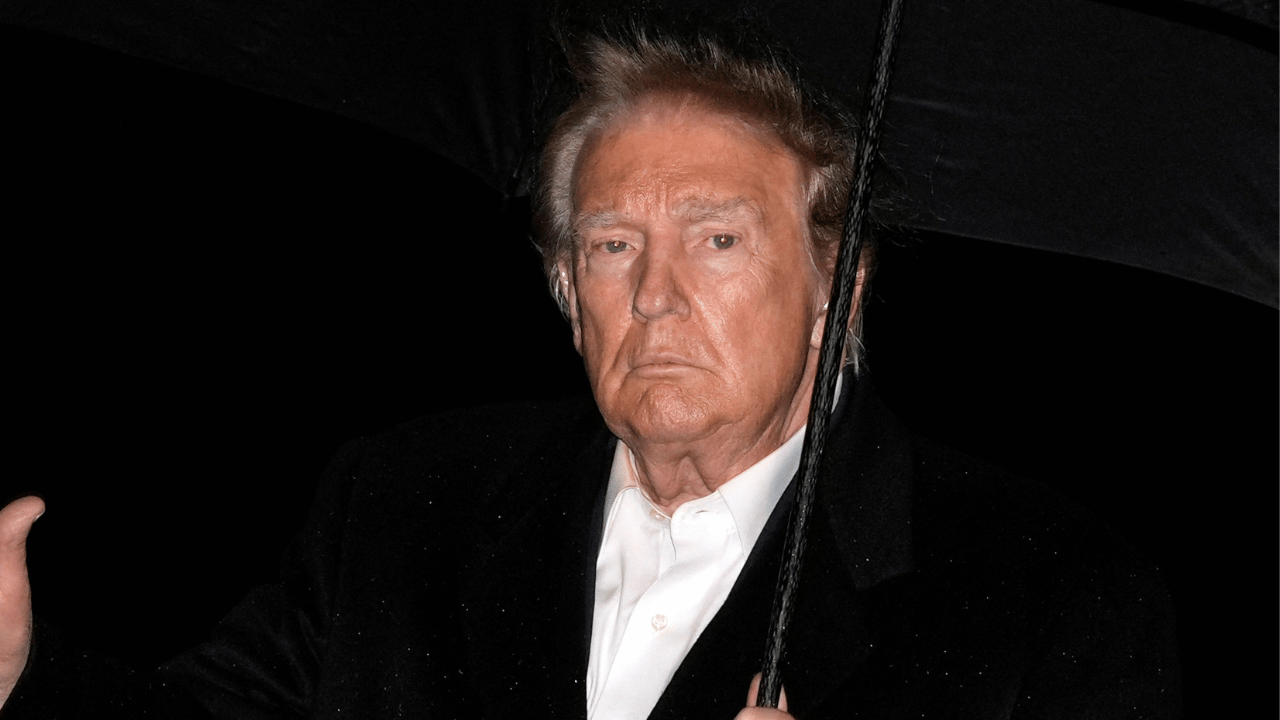
While prominent congressional Republicans did not specifically defend the autopen joke, several GOP senators did criticize the broader context of President Xi Jinping’s state visit. North Carolina Republican Sen. Thom Tillis, for instance, voiced strong opposition to the "red-carpet treatment" afforded to the Chinese president. Tillis asserted that the U.S. should reserve formal, welcoming receptions "for people who are not plotting our ultimate demise — not Xi Jinping." This broader Republican concern, while not directly addressing the autopen incident, nonetheless underscored a shared apprehension about the nature of engagement with China and the importance of projecting strength.
The Erosion of Norms and Future Implications
The White House incident encapsulates a recurring tension in contemporary American politics: the clash between established norms of presidential conduct and a more unconventional, often confrontational, political style. The mocking of a predecessor, particularly in the presence of a geopolitical rival, represents a significant departure from historical diplomatic practice. Such actions, critics argue, risk normalizing a level of partisan animosity that could permanently damage the prestige of the presidency and the nation’s standing abroad.
As the United States navigates complex global challenges, including an increasingly competitive relationship with China, the image of national unity and respect for institutions remains a critical component of its diplomatic toolkit. The incident involving President Trump, Joe Biden, and Xi Jinping serves as a poignant reminder of how domestic political skirmishes, when played out on the international stage, can have far-reaching implications for America’s leadership and its ability to project strength and stability to the world. The long-term consequences of such a public display of internal division for U.S. foreign policy and international relations will continue to be debated and observed.