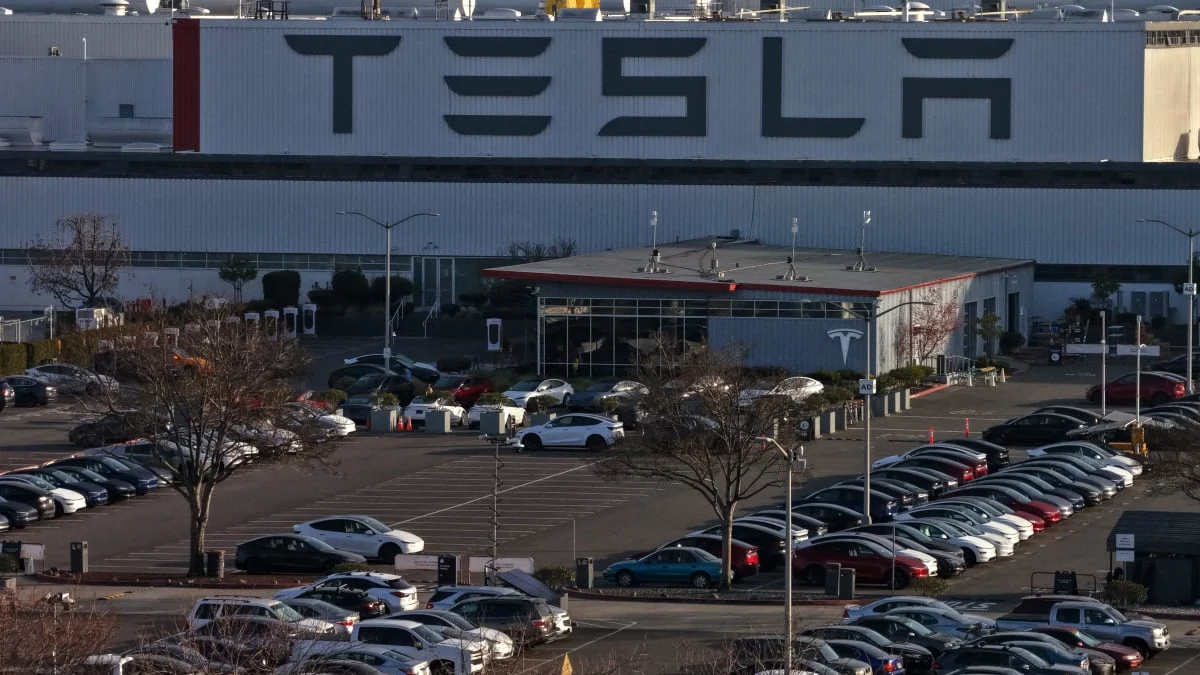
Tesla legal representatives appeared in a California courtroom this week to address a sweeping lawsuit alleging that the electric vehicle manufacturer allowed a culture of rampant racism to flourish at its flagship assembly plant. The trial, which stems from a 2022 complaint filed by the California Civil Rights Department, centers on allegations that Black workers at the Fremont, California, facility were subjected to frequent racial slurs, discriminatory performance reviews, and a physically unsafe work environment.
This litigation marks the first time a state agency has successfully brought Tesla to trial over systemic workplace conditions, bypassing the company’s typical reliance on private arbitration. As opening statements began, the court heard harrowing testimony regarding the daily experiences of Black staff members who described the factory as a "segregated" workplace where management ignored blatant displays of white supremacy and racial hostility.
In a move that has drawn significant legal and public scrutiny, the defense team for Tesla has argued that the language cited in the complaint was often used colloquially among staff members. Lead defense attorney Tyree Jones contended that the state’s case misinterprets the social dynamics of the factory floor, suggesting that certain language was not intended as harassment but rather as a form of familiar greeting.
Tesla Defends Employees Accused of Using N-Word as Trial Opens
The core of the defense’s opening argument rested on the contextual use of racially charged language within the workplace. Jones argued that the state of California is unfairly attacking the way many Black employees interact with one another, asserting that the N-word was frequently used as a "term of respect and endearment" rather than a tool of oppression. By framing the language as a reclaimed term within the Black community, Tesla’s legal team seeks to undermine the claim that its use created a "hostile" environment under the state’s Fair Employment and Housing Act.
However, prosecutors for the California Civil Rights Department (CRD) presented a vastly different picture of the Fremont plant. They argued that the use of the N-word was pervasive, non-consensual, and often weaponized by supervisors and colleagues to devalue Black workers. According to the state’s legal team, the frequency of the slurs—with one employee reporting hearing nearly 100 instances in a single shift—points to a systemic failure of corporate oversight.
The prosecution also introduced physical evidence to the jury, including photographs of neo-Nazi symbols, such as swastikas, drawn on factory workstations and bathroom stalls. These images were accompanied by written threats and phrases such as "go back to Africa" etched into common areas where Black employees took their breaks. The CRD argues that these displays were not isolated incidents but were part of a broader pattern of intimidation that management failed to remediate.
Allegations of a Segregated Workplace Culture
Beyond the verbal and visual harassment, the lawsuit describes a workplace divided by race in terms of labor and promotion. Witnesses testified that Black workers were disproportionately assigned to the most physically demanding and "back-breaking" areas of the factory, while their white and Asian counterparts were allegedly funneled into cleaner, more prestigious roles.
The trial also brought to light the derogatory nicknames allegedly given to the Fremont facility by its own staff. Employees testified that the factory was commonly referred to as "the slaveship" or "the plantation." Some workers even created a dark acronym for the company name, referring to it as "The Elon Slave Labor Association" (TESLA). These testimonies suggest a deep-seated resentment and a feeling of subhuman treatment among the Black workforce.
State lawyers emphasized that the complaints were not limited to a few "bad apples" but represented a collective grievance from hundreds of workers. The lawsuit alleges that when Black employees attempted to report these conditions to Human Resources, they were often met with retaliation. In many cases, those who complained were allegedly given poor performance evaluations or were terminated shortly after speaking out, while the perpetrators of the harassment faced little to no disciplinary action.
Historical Precedent and Past Litigation Against Tesla
This is not the first time Tesla has faced significant legal repercussions for the environment at its Fremont plant. In 2021, a federal jury ordered the company to pay $136.9 million to Owen Diaz, a former elevator operator who reported a similarly toxic atmosphere. While the payout was eventually reduced by a judge, the case established a clear precedent that Tesla’s oversight of its contractors and employees was legally negligent.
The current trial is distinct because it is being spearheaded by the state of California, which has the resources to conduct a much broader investigation than an individual plaintiff. The CRD’s involvement follows a multi-year investigation that included interviews with thousands of current and former workers. The state is seeking not only financial damages for the affected workers but also a court-mandated overhaul of Tesla’s labor practices and internal reporting structures.
Tesla has historically resisted these claims, often arguing that it is a "mission-driven" company where the fast-paced nature of production can lead to friction. However, legal experts suggest that the "term of endearment" defense is a high-risk strategy, as it requires the jury to overlook the objective standards of workplace professional conduct in favor of a nuanced sociological argument regarding the reappropriation of slurs.
Why Tesla Defends Employees Accused of Using N-Word in Public Court
The decision to take this case to trial rather than settling is consistent with Tesla’s aggressive legal posture under the leadership of CEO Elon Musk. Musk has famously called for a "hardcore" litigation department within the company to fight what he deems "unjust" lawsuits. By defending the use of the N-word in this specific context, the company appears to be doubling down on its assertion that the state is overreaching into the cultural nuances of its workforce.
Critics of the company argue that this defense is a tactic to shift blame onto the victims. By suggesting that Black workers were the primary users of the language, the defense attempts to absolve the company of its responsibility to maintain a professional and harassment-free environment. Under California law, an employer is generally responsible for preventing a hostile work environment regardless of the race of the individuals using the prohibited language.
The outcome of this trial could have significant implications for the broader tech and automotive industries. As companies increasingly face pressure to diversify their workforces, the Tesla case serves as a cautionary tale of what happens when rapid growth outpaces the development of robust HR and compliance departments. The "plantation" metaphors used by employees highlight a disconnect between the company’s futuristic image and the lived experiences of its industrial labor force.
Impact on Brand Reputation and Investor Confidence
For investors, the trial represents a potential liability that extends beyond the immediate financial penalties. Tesla’s brand has long been associated with innovation, sustainability, and a forward-thinking ethos. Evidence of a "segregated" and "hostile" workplace directly contradicts these brand values, potentially alienating a consumer base that prioritizes social responsibility.
Furthermore, the trial shines a light on the limitations of Tesla’s corporate governance. The California Civil Rights Department has argued that the company’s leadership was well aware of the issues at the Fremont plant for years but chose to prioritize production quotas over worker safety and civil rights. This narrative of "production at all costs" has been a recurring theme in various investigations into the company’s operations, from Autopilot safety to factory floor injuries.
As the trial continues, the testimony is expected to dive deeper into the specific roles of management. The prosecution intends to show that supervisors not only tolerated the use of slurs but actively participated in the harassment. One witness is expected to testify that a manager referred to lynchings during a meeting with Black subordinates, a claim that, if proven, would severely undermine the defense’s argument that the language was used in a friendly or respectful manner.
The Road Ahead for the California Civil Rights Department Case
The proceedings in the California Superior Court are expected to last several weeks. The jury will eventually be tasked with deciding whether Tesla’s actions—or lack thereof—constituted a violation of state civil rights laws. If the state prevails, the resulting injunctions could force Tesla to accept independent monitoring of its HR practices, a move the company has fought to avoid for years.
The legal community is watching closely to see how the court handles the defense’s "reclamation" argument. While the N-word does have a complex history of use within the Black community, workplace law typically focuses on whether the conduct was "unwelcome" and "pervasive" enough to alter the conditions of employment. The state’s evidence of swastikas and "go back to Africa" graffiti may make it difficult for the defense to convince a jury that the environment was anything other than hostile.
Regardless of the verdict, the trial has already succeeded in bringing thousands of pages of internal Tesla documents and hours of employee testimony into the public record. For the hundreds of Black workers who claim they were marginalized and mistreated, the trial represents a long-awaited opportunity for transparency and accountability in one of the world’s most powerful corporations.
Tesla continues to maintain that it does not tolerate racism and that it has implemented numerous programs to promote diversity and inclusion. However, the testimony heard in the Oakland courtroom suggests that for many on the assembly line, those programs were invisible, while the "plantation" environment was an everyday reality. The case remains a pivotal moment in the ongoing debate over labor rights and racial equity in the American "gig" and tech-driven economy.