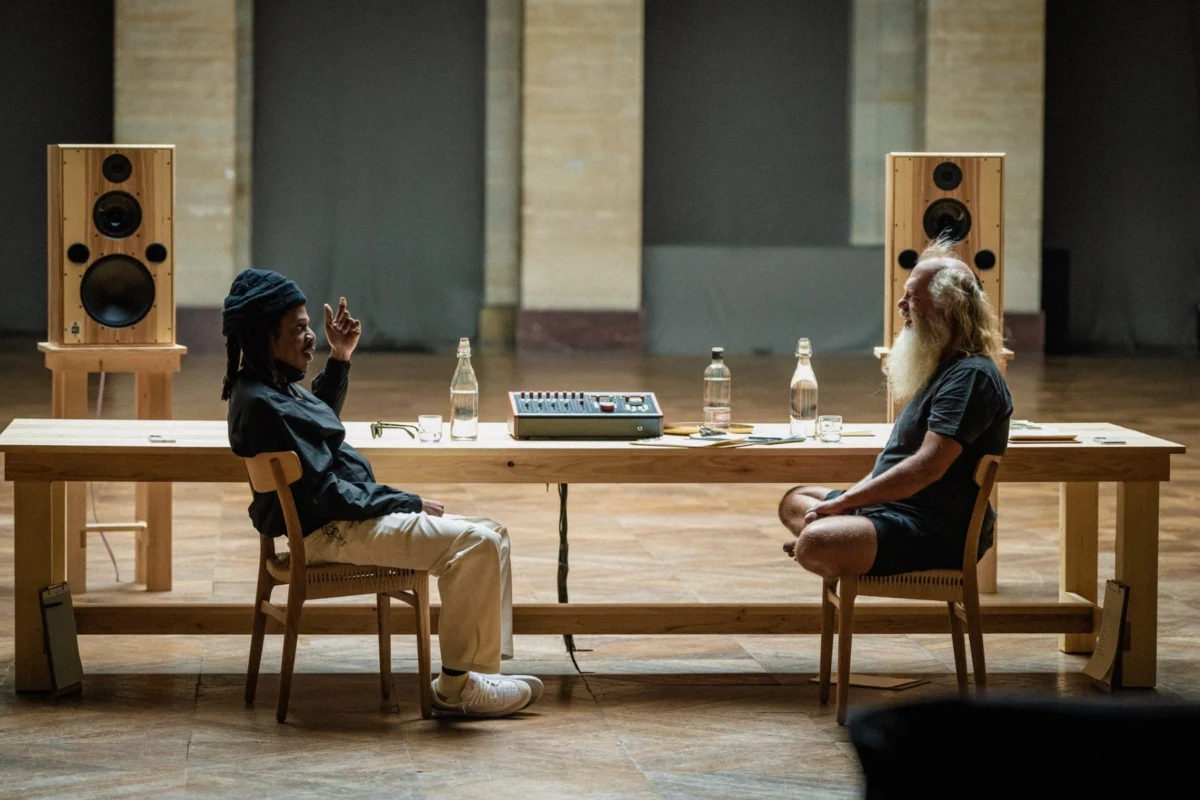
The HBO Max docuseries ‘Jay-Z in 8’ has reached its midpoint with the release of its fourth episode, offering viewers a deeper look into Shawn Carter’s formative years and the creative processes behind some of his most impactful work. The eight-episode series, premiering two installments weekly, continues to unpack the legendary rapper’s journey, with this latest chapter focusing on themes of fatherhood, artistic vulnerability, and the evolving persona of a global icon.
The series, which premiered on HBO Max, has already garnered significant attention for its candid exploration of Jay-Z’s life and career. Prior to the release of the latest episodes, Jay-Z himself spoke with Billboard, emphasizing the lack of "difficult" conversations throughout the filming process, even when revisiting deeply emotional periods of his musical output. This openness allows the documentary to delve into the complexities of his past with a rare level of introspection.
One such instance highlighted in the series is the profound impact of the song "You Must Love Me," featured in the third episode. This track, from his 1997 album In My Lifetime, Vol. 1, grapples with Jay-Z’s early struggles with guilt and shame stemming from his past involvement in drug dealing and the violent incident where he shot his brother. The song has long been a revered piece among his core fanbase, and the documentary explores how the recording studio served as a therapeutic sanctuary for the artist. Within the confines of the booth, Jay-Z found a space to articulate feelings he found challenging to express in direct conversation, underscoring the song’s status as one of his most raw and confessional works.
Examining the Weight of Parental Absence
Episode four pivots to another deeply personal narrative, opening with a discussion of the song "Where I’m From," featuring fellow Philadelphia rapper Beanie Sigel. This track, which recounts the shared trauma of growing up without paternal figures, elicits one of the most heart-wrenching performances documented on record. Jay-Z and Rick Rubin, the acclaimed producer who helms the docuseries, dissect the song’s creation, with Carter revealing the poignant story of reconciling with his father only to lose him a month later. This narrative thread offers crucial insight into an artist often perceived as guarded, showcasing a profound vulnerability rarely seen publicly.
The exploration of parental absence resonates deeply within the hip-hop community, where themes of struggle, family, and overcoming adversity are frequently explored. Jay-Z’s candidness about his relationship with his father, a man he openly acknowledges as absent for much of his childhood, provides a relatable narrative for many who have experienced similar familial challenges. The reconciliation, however brief, highlights the enduring human desire for connection and understanding, even in the face of past hurts.
Unpacking Studio Rituals and the Birth of an Icon
Beyond the emotional weight of his past, episode four also sheds light on Jay-Z’s distinctive studio habits and creative methodology during the In My Lifetime, Vol. 1 era. The conversation touches upon the prevalent "Best Rapper Alive" discussions that circulated at the time, a testament to his burgeoning status in the music industry. This period marked a significant evolution in his career, as he began to navigate the complexities of mainstream success while maintaining his artistic integrity.
The episode also revisits the now-iconic visual of Jay-Z sporting a bulletproof vest over a white t-shirt, paired with a Rolex. This sartorial choice, which has become emblematic of his early career and the juxtaposition of street sensibility with aspirational luxury, is explored as part of his developing public image. The visual statement spoke volumes about his journey from the streets of Brooklyn to the pinnacle of global fame, merging his street roots with his undeniable ambition.
Key Takeaways from Episode Four
The fourth installment of ‘Jay-Z in 8’ provides several critical insights into the rapper’s artistic and personal development. These takeaways offer a more nuanced understanding of the man behind the music and the enduring legacy he continues to build.
-
The Therapeutic Power of the Studio: The episode reinforces the idea that the recording studio is more than just a place to make music; it’s a sanctuary for expression and emotional processing. Jay-Z’s ability to delve into difficult memories and articulate complex feelings through his lyrics demonstrates the profound cathartic potential of his craft. This underscores a common theme among artists who use their work to navigate personal trauma and societal issues.
-
The Lingering Impact of Paternal Absence: The detailed examination of "Where I’m From" and Jay-Z’s personal experience with his father highlights the profound and lasting impact of parental relationships. His journey from estrangement to reconciliation, tragically cut short, speaks to the universal human need for paternal connection and the complexities of forgiveness and loss. This narrative arc adds another layer to his artistic persona, revealing the personal struggles that fueled his lyrical narratives.
-
Crafting an Iconic Image: The discussion surrounding the bulletproof vest and Rolex ensemble illustrates Jay-Z’s deliberate construction of his public image. This visual signature became a powerful symbol of his duality – a street-smart entrepreneur who had achieved immense wealth and influence. The episode suggests that this aesthetic was not merely superficial but a calculated representation of his journey and the world he inhabited.
-
Navigating Early Stardom and Critical Acclaim: The episode touches upon the intense scrutiny and acclaim Jay-Z faced during the In My Lifetime, Vol. 1 period, including the ongoing "Best Rapper Alive" debates. This context is crucial for understanding the pressures and expectations placed upon him as he transitioned from an underground artist to a global phenomenon. It highlights his early mastery of balancing artistic authenticity with the demands of widespread popularity.
The Broader Cultural Resonance of ‘Jay-Z in 8’
‘Jay-Z in 8’ transcends a simple biographical documentary. By dissecting specific songs and weaving them into a larger narrative of his life, the series offers a masterclass in artistic analysis and cultural commentary. The documentary’s structured approach, pairing Jay-Z with Rick Rubin, allows for an intimate and insightful exploration of his creative process, offering viewers a unique window into the mind of one of hip-hop’s most influential figures.
The impact of these episodes extends beyond the realm of music fandom. The themes of family, loss, and personal growth are universal, resonating with audiences from diverse backgrounds. Jay-Z’s ability to translate his lived experiences into universally relatable art continues to be a cornerstone of his enduring appeal. The series is a testament to his willingness to be vulnerable and reflective, offering valuable lessons in resilience and artistic evolution.
As the docuseries continues its weekly rollout, audiences are given the opportunity to witness the shaping of a legend. The candid discussions and deep dives into his catalog provide an unparalleled understanding of the artistry and personal journey that have cemented Jay-Z’s status as a cultural icon. The series not only celebrates his achievements but also illuminates the human experiences that underpin his remarkable career.