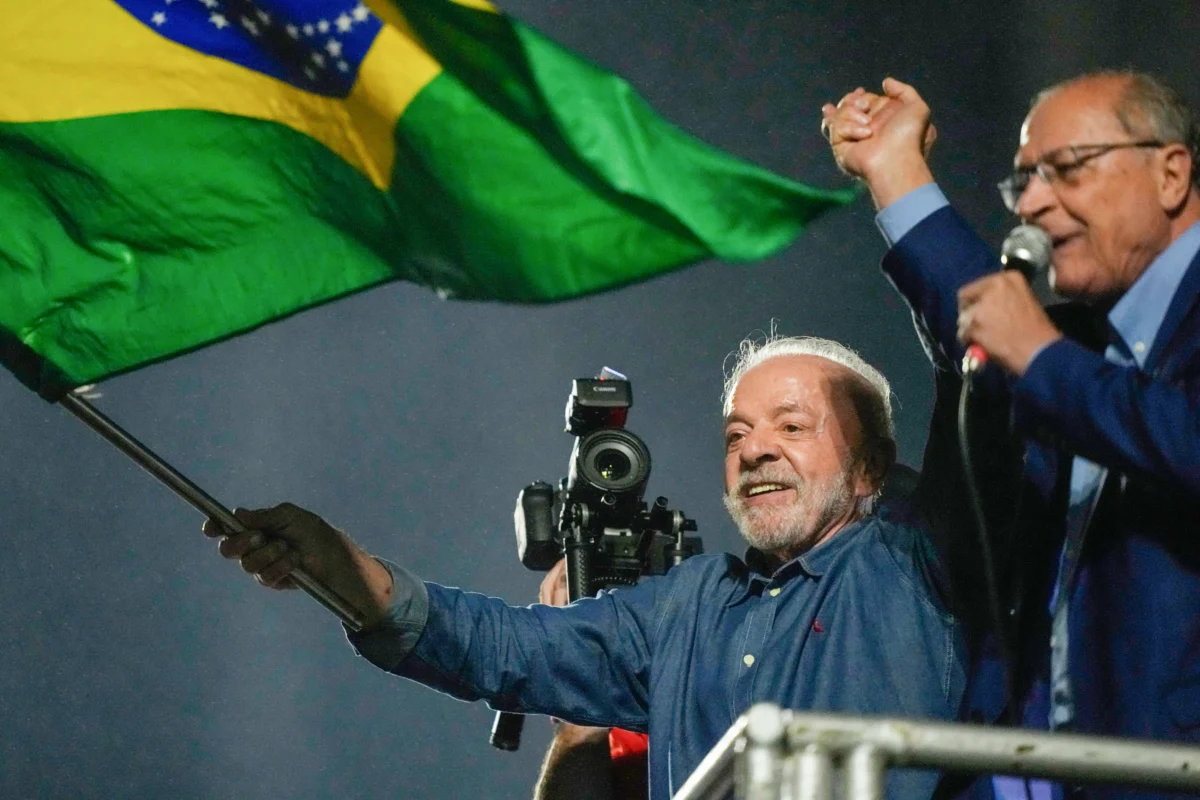
The election climaxed a fiercely polarized campaign that exposed deep societal fissures within Brazil. Lula’s victory, while historic, was hard-won, overcoming an initial deficit in the first round of voting. His supporters celebrated a return to what they perceive as a more inclusive and socially conscious era, contrasting sharply with the policies of the outgoing Bolsonaro administration.
Bolsonaro Disputes Election Outcome
President Jair Bolsonaro has publicly stated his intent to challenge the election results, a move that has sent ripples of uncertainty through Brazil and international markets. His campaign has indicated a desire for the results to be annulled, citing unsubstantiated claims of irregularities. This post-election stance echoes the broader political tensions that have characterized Bolsonaro’s presidency, often marked by confrontational rhetoric and a questioning of democratic norms.
The Brazilian judiciary, particularly the Superior Electoral Court (TSE), has been the arbiter of electoral disputes. Historically, the TSE has upheld the integrity of Brazil’s electronic voting system, which is widely regarded as secure and efficient. Bolsonaro’s challenge, if pursued rigorously, could test the resilience of these institutions and further inflame political divisions.
Lula’s Political Journey and Promises
Luiz Inacio Lula da Silva, often referred to simply as Lula, is a towering figure in Brazilian politics. His previous terms as president, from 2003 to 2010, were marked by significant social welfare programs that lifted millions out of poverty and a period of robust economic growth. However, his legacy is also intertwined with corruption scandals that led to his imprisonment, a conviction that was later annulled by the Supreme Court, paving his way back to political contention.
For his fourth term, Lula has pledged a significant departure from the policies of his predecessor. His campaign platform emphasized a renewed focus on combating poverty and hunger, protecting the Amazon rainforest, and strengthening Brazil’s role on the international stage. He has also spoken of the need for national reconciliation and bridging the deep political divides that have plagued the country.
Navigating a Divided Nation
Brazil stands at a critical juncture, facing a complex array of domestic and international challenges. Lula’s administration will inherit an economy grappling with inflation, high unemployment, and the lingering effects of the COVID-19 pandemic. Rebuilding trust and fostering a sense of national unity will be paramount, especially given the vocal and organized opposition that supported Bolsonaro.
The environmental agenda represents another major area of potential policy divergence. During Bolsonaro’s tenure, deforestation rates in the Amazon surged, drawing widespread international condemnation. Lula has pledged to reverse this trend and re-establish Brazil as a leader in environmental protection, a commitment that will require significant investment and international cooperation.
Economic Outlook Under Lula’s Fourth Term
Economists and analysts are closely scrutinizing Lula’s economic agenda. While his previous presidencies saw considerable economic expansion, the global economic landscape has shifted dramatically. High interest rates, supply chain disruptions, and geopolitical instability pose significant headwinds. Lula’s government will need to balance social spending with fiscal responsibility to avoid exacerbating inflation or increasing the national debt.
Key economic indicators such as GDP growth, inflation rates, and currency stability will be closely watched. The investment climate, both domestic and foreign, will be influenced by perceptions of political stability and the government’s commitment to sound economic policies. Lula’s ability to attract investment and stimulate job creation will be crucial for delivering on his promises of economic improvement.
The Amazon and Global Environmental Leadership
The fate of the Amazon rainforest remains a central concern for the international community. Lula’s election has been met with cautious optimism by environmental organizations and foreign governments concerned about climate change. His administration has vowed to strengthen enforcement against illegal logging and mining, support indigenous communities, and revive international funding mechanisms for conservation.
The success of these environmental initiatives will depend on robust policy implementation, adequate funding, and effective collaboration with various stakeholders. Brazil’s leadership in this domain is not only critical for global climate goals but also for its own long-term economic and ecological sustainability.
International Relations and Brazil’s Global Standing
Lula’s return signals a potential recalibration of Brazil’s foreign policy. He has expressed a desire to re-engage with multilateral institutions and strengthen ties with developing nations, particularly within Latin America and Africa. This approach contrasts with Bolsonaro’s more nationalistic and often confrontational foreign policy.
Brazil’s role in global forums such as the G20 and BRICS is likely to be re-emphasized. Lula’s administration may seek to leverage these platforms to advocate for issues such as global inequality, climate action, and the reform of international governance structures. The relationship with the United States and other major global powers will also be a key focus.
A Historical Comeback and Future Uncertainties
The narrative of Lula’s comeback is one of resilience and political maneuvering. After facing legal battles and political setbacks, he has once again ascended to the highest office in Brazil. This achievement underscores his enduring appeal among a significant portion of the Brazilian electorate.
However, the challenges ahead are immense. The deeply entrenched political polarization, the economic headwinds, and the need to address pressing social and environmental issues demand a steady hand and a unified national vision. The coming months will be critical in determining whether Lula’s fourth term can usher in an era of progress and stability or if the deep divisions within Brazil will continue to impede its development.
Implications for Brazilian Democracy
The post-election period, with Bolsonaro’s challenge to the results, highlights the ongoing fragility of democratic norms in Brazil. The strength and independence of Brazil’s judicial and electoral institutions will be tested. Public trust in the democratic process remains a crucial factor, and any attempts to undermine it could have long-lasting consequences.
Lula’s ability to govern effectively will also depend on his capacity to foster dialogue and build consensus across the political spectrum. Governing a deeply divided nation requires more than just electoral victory; it demands a commitment to inclusivity and a willingness to engage with differing perspectives. The coming period will reveal the true resilience of Brazil’s democratic fabric under President Lula’s leadership.