Robert Pattinson, the acclaimed actor behind the latest cinematic iteration of Bruce Wayne, has voiced significant reservations about the feasibility of integrating his version of Batman into James Gunn’s newly structured DC Universe. Pattinson indicated that the intensely dark and psychologically immersive nature of Matt Reeves’ The Batman universe makes a crossover with other DC heroes, such as David Corenswet’s forthcoming Superman, creatively challenging and perhaps incongruous. His remarks underscore the distinct narrative path carved out for his Caped Crusader, positioning it as a standalone entity rather than a component of a larger, interconnected shared universe.
The Distinct World of Matt Reeves’ Batman
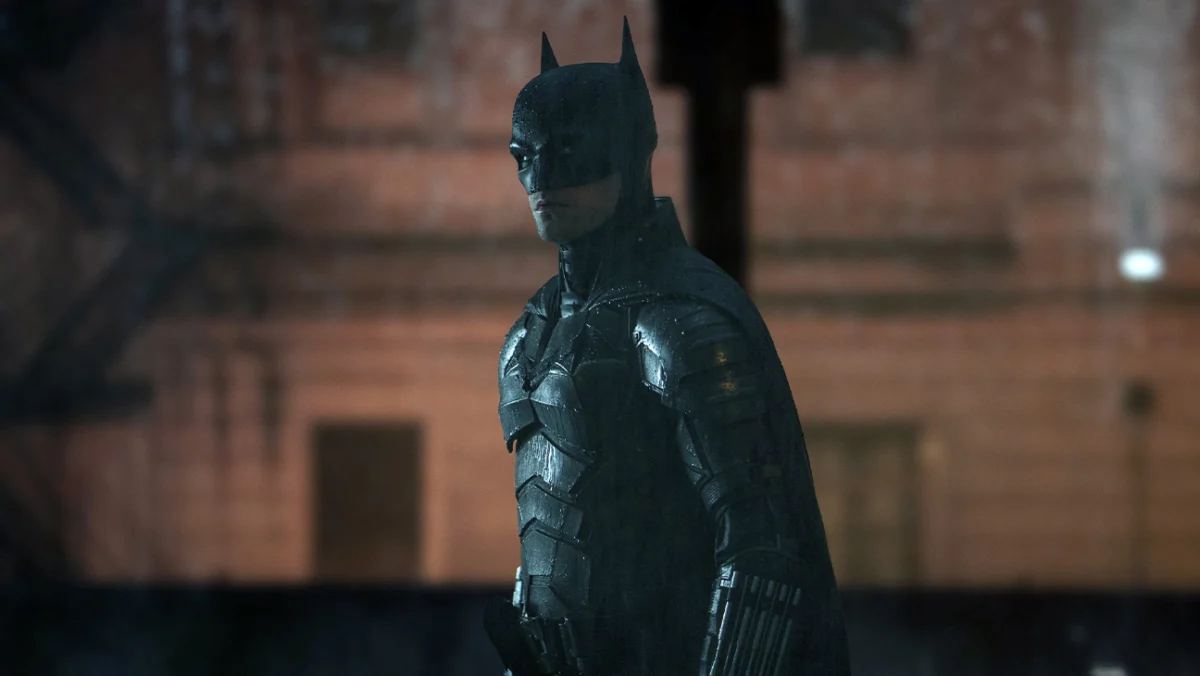
Matt Reeves’ 2022 film, The Batman, presented a profoundly grounded and gritty take on the iconic vigilante. Eschewing the traditional superhero action spectacle, the movie delved into the realm of psychological crime noir, portraying a younger, less seasoned Bruce Wayne in his second year as Gotham’s protector. The narrative focused heavily on Batman’s detective skills, unraveling a complex web of corruption within Gotham City while hunting a sadistic serial killer, the Riddler. This approach, characterized by its pervasive sense of dread, moral ambiguity, and deep character study, established a universe distinct in tone and aesthetic from previous DC cinematic efforts.
Pattinson elaborated on the difficulties inherent in translating this specific portrayal of Bruce Wayne into a broader cinematic tapestry. He described the process of embodying the character within Reeves’ vision as deeply affecting, stating that the "tone of it gets inside you." The actor recounted the arduous experience of filming, often immersed in darkness for extended periods, which he said impacted him psychologically. This level of immersion, crucial to the film’s success, suggests a creative environment that prioritizes a singular, cohesive artistic vision over the demands of broader franchise connectivity.
The DC Universe and "Elseworlds" Strategy
James Gunn, co-CEO of DC Studios alongside Peter Safran, has been meticulously crafting a new, unified DC Universe, set to kick off with "Chapter 1: Gods and Monsters." This ambitious blueprint aims to create a cohesive narrative across film, television, animation, and video games, with actors often reprising their roles across different mediums. Key to this new era is David Corenswet’s Superman, who will headline the upcoming film Superman, signaling a fresh start for the franchise’s flagship hero. Gunn’s vision contrasts sharply with previous, often disjointed, attempts at a shared DC cinematic universe.
Recognizing the unique nature of certain projects, DC Studios has introduced the "Elseworlds" label. This designation is reserved for standalone stories that exist outside the primary DCU continuity, allowing filmmakers creative freedom without the obligation to align with the overarching narrative. Joker: Folie à Deux, a sequel to the critically acclaimed 2019 Joker film, is another prominent example of an "Elseworlds" project. Robert Pattinson’s Batman films fall squarely under this banner, a strategic decision that acknowledges the self-contained integrity of Reeves’ dark narrative.
Creative Challenges of Shared Universes
The actor’s comments highlight a perennial challenge in the era of shared cinematic universes: how to balance individual artistic vision with the need for interconnected storytelling. Pattinson’s Batman is not merely a character; it is deeply embedded within the specific thematic and atmospheric framework established by Matt Reeves. Pulling this iteration of Bruce Wayne into a universe with a brighter, more traditional Superman, or other established heroes, could dilute the very elements that make The Batman unique and compelling. The psychological depth, the moral ambiguity, and the visceral sense of a city rotting from within are core to Reeves’ vision, elements that might not easily mesh with the more conventional heroic narratives often found in a shared superhero cosmos.
Furthermore, the portrayal of Batman in Reeves’ film is explicitly that of a hero still finding his footing, learning the limits and responsibilities of his crusade. This "Year Two" Batman is emotionally raw, driven by grief and a nascent sense of justice, a stark contrast to the often more experienced, world-weary, or leader-like versions of Batman typically seen interacting with the Justice League. Such a character arc would require significant narrative adjustments to fit into an established team dynamic, potentially undermining the integrity of his individual journey.
Anticipation for The Batman Part II
Despite the discussions surrounding universe integration, anticipation remains high for The Batman Part II. Robert Pattinson is set to reprise his role, with Matt Reeves returning to direct. The sequel is currently in production and is slated for a theatrical release on February 18, 2028. Pattinson has offered tantalizing hints about the upcoming film, describing it as "a real left turn from the first" and "so ambitious." He further explained that while it will maintain "elements of the kind of feel" from its predecessor, it will embark on a new narrative direction.
This description reinforces the notion that Reeves and Pattinson are committed to evolving their unique interpretation of the character without external constraints. A "left turn" suggests a willingness to defy expectations and delve into new facets of Batman’s psyche or Gotham’s criminal underworld, further solidifying the distinct identity of this "Elseworlds" saga. The ambition cited by Pattinson points to a continuation of the first film’s commitment to deep thematic exploration and character development, rather than a pivot towards broader, more conventional superhero tropes.
Implications for DC’s Multiverse Strategy
Pattinson’s candid remarks underscore DC Studios’ multifaceted approach to its intellectual property. By clearly demarcating the "Elseworlds" projects from the main DCU, the studio aims to harness the creative potential of distinct visions while also building a foundational, interconnected narrative. This strategy allows for projects like The Batman to flourish in their own atmospheric bubbles, catering to audiences who appreciate standalone, auteur-driven superhero narratives, without burdening them with the continuity demands of a vast shared universe.
The public’s reception to The Batman demonstrated a significant appetite for a darker, more psychologically complex portrayal of the character. The film garnered critical acclaim for its performances, direction, cinematography, and immersive world-building, resonating deeply with fans who sought a fresh perspective on the Caped Crusader. Maintaining this creative freedom for The Batman Part II ensures that the distinct artistic integrity that defined the first film can continue to evolve, unhindered by the necessity of fitting into a larger narrative puzzle. This diversification of content allows DC Studios to appeal to a wider range of cinematic tastes, offering both interconnected epic sagas and deeply personal, standalone character studies.
Ultimately, Robert Pattinson’s comments serve as a testament to the powerful, self-contained universe Matt Reeves has crafted. His Batman is not designed for easy integration into a conventional superhero team-up, but rather to exist within its own shadowed, psychologically dense reality. This strategic separation, facilitated by the "Elseworlds" banner, promises to deliver creatively bold and distinct stories, allowing both the main DCU and standalone projects like The Batman to thrive on their own terms, appealing to a diverse global audience seeking varied interpretations of iconic comic book heroes.