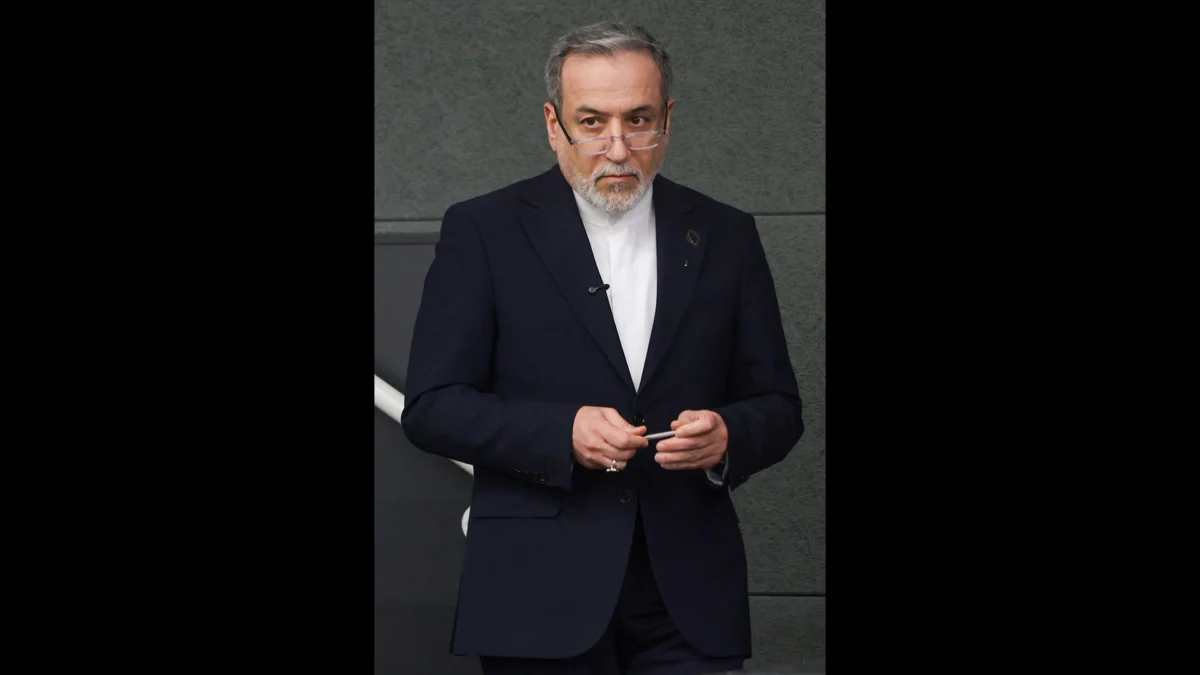
Iran is prepared for a resumption of hostilities, even if it escalates to a "doomsday war," Foreign Minister Abbas Araghchi stated, while simultaneously signaling an openness to diplomatic engagement. These stark pronouncements emerge in the wake of President Donald Trump’s rejection of Iran’s proposed seven-day roadmap aimed at de-escalating the conflict and reopening the vital Strait of Hormuz. The situation remains highly volatile, with regional and international observers deeply concerned about the potential for a wider conflagration.
Escalation Fears Mount as Diplomatic Channels Strain
The Iranian Foreign Minister’s declaration, made amidst heightened geopolitical tensions, underscores the precarious state of affairs in the Persian Gulf. Araghchi’s rhetoric suggests a nation bracing for the worst-case scenario, a stark contrast to the diplomatic overtures that have been intermittently pursued. The rejection of Iran’s recent proposal by the Trump administration appears to have hardened Tehran’s stance, though the continued emphasis on diplomacy indicates a strategic duality in its approach.
The Strait of Hormuz, a critical chokepoint for global oil supplies, has become a focal point of recent confrontations. Disruptions to shipping in this vital waterway have significant implications for the global economy, and Iran’s assertion of its readiness for conflict directly addresses this sensitive issue. The international community is closely monitoring the situation, with anxieties about potential miscalculations and unintended escalations running high.
Background: A History of Confrontation and Sanctions
The current diplomatic impasse is rooted in years of escalating tensions between Iran and the United States, particularly following the U.S. withdrawal from the Joint Comprehensive Plan of Action (JCPOA), commonly known as the Iran nuclear deal, in 2018. The Trump administration reimposed stringent sanctions on Iran, aiming to cripple its economy and force it to renegotiate a more comprehensive agreement.
Iran, in response, has gradually reduced its commitments to the JCPOA, citing the lack of reciprocal benefits and the economic pressure exerted by the sanctions. This tit-for-tat approach has created a cycle of provocation and retaliation, characterized by incidents involving oil tankers, drone downings, and increased military posturing by both sides. The region has been on edge, with fears of a direct military confrontation a persistent concern.
The Iranian leadership has consistently maintained that its military capabilities are purely defensive, intended to deter aggression and protect its sovereignty. However, its pronouncements regarding readiness for extensive conflict are viewed by some as a deliberate signal of resolve and a warning against further provocations.
The Seven-Day Proposal and Its Rejection
Details surrounding Iran’s recently proposed seven-day plan to end the war and reopen the Strait of Hormuz remain somewhat opaque. However, sources indicate that the proposal aimed to de-escalate tensions by establishing a temporary ceasefire, followed by a period of dialogue to address outstanding grievances. The reopening of the Strait was a central element, suggesting a desire to alleviate economic pressures and restore normal maritime traffic.
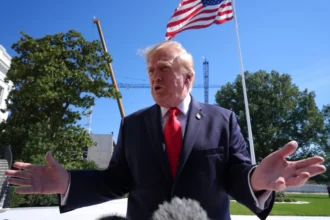
President Trump’s swift rejection of this initiative has dealt a significant blow to diplomatic efforts. The U.S. administration has been steadfast in its demand for a more comprehensive agreement that addresses Iran’s ballistic missile program and its regional activities, in addition to its nuclear program. The U.S. stance is that any deal must be a fundamental shift from the JCPOA, which it deemed insufficient.
This rejection has fueled skepticism in Tehran about the sincerity of U.S. intentions for genuine negotiation, leading to the more combative rhetoric from Foreign Minister Araghchi. The gap between the two nations’ negotiating positions appears to have widened, making a diplomatic breakthrough increasingly challenging.
Araghchi’s Dual Stance: Preparedness and Diplomacy
Foreign Minister Araghchi’s remarks present a nuanced, albeit concerning, picture of Iran’s current strategic thinking. The declaration of readiness for a "doomsday war" is a powerful statement, conveying a message of national resolve and a willingness to defend its interests at all costs. This could be interpreted as a deterrent, aimed at dissuading any potential aggressors from underestimating Iran’s capabilities or determination.
Simultaneously, the continued openness to diplomacy suggests that Iran is not entirely closing the door on negotiation. This dual approach—projecting strength while leaving room for dialogue—is a common tactic in international relations, particularly in high-stakes standoffs. Iran may be seeking to leverage its perceived strength to secure a more favorable position at the negotiating table, should opportunities arise.
The effectiveness of such a strategy, however, is contingent on the perceptions and reactions of other global actors, particularly the United States and its allies. The risk of misinterpretation or escalation remains a significant concern.
Implications for Regional Stability and Global Economy
The escalating rhetoric and the potential for conflict have profound implications for regional stability and the global economy. The Persian Gulf is a region of immense strategic importance, not only due to its energy resources but also due to its complex geopolitical landscape, with multiple regional powers vying for influence.
A significant escalation of conflict in the Strait of Hormuz could have devastating consequences. Oil prices would likely skyrocket, impacting economies worldwide, potentially triggering a global recession. The disruption of shipping lanes could also affect supply chains for a wide range of goods, leading to shortages and increased inflation.
Furthermore, a wider conflict could draw in other regional and international powers, transforming a localized dispute into a broader geopolitical crisis. The humanitarian toll of any military engagement would also be substantial, with significant displacement of populations and loss of life.
Public Impact and International Concern
The pronouncements from Iranian officials inevitably generate anxiety among the global public and international policymakers. The specter of a "doomsday war," however hyperbolic, evokes the devastating potential of modern warfare and its far-reaching consequences. Citizens in countries reliant on oil imports, or those with significant economic ties to the Middle East, are particularly attuned to developments in the region.
International organizations and governments are likely to intensify their diplomatic efforts to de-escalate the situation and prevent a military confrontation. The United Nations and key European powers have historically played roles as mediators in such crises, and their engagement may become even more critical in the coming days and weeks. The focus will be on finding pathways for dialogue that can bridge the significant divide between Iran and the United States.
Next Steps and the Path Forward
The immediate future hinges on how both Iran and the United States, as well as other key international players, choose to respond to this latest exchange. Will Iran’s preparedness declaration be perceived as a genuine threat or a negotiating tactic? Will the U.S. administration reconsider its stance, or will it maintain its hard line?
Several scenarios could unfold. One possibility is a continued period of heightened tension and proxy confrontations, with occasional diplomatic overtures that ultimately fail to break the deadlock. Another, more dangerous, scenario involves a miscalculation or an intentional act that triggers a direct military conflict, with all its catastrophic implications.
A more optimistic, though currently less likely, outcome would be a renewed push for de-escalation through intensified diplomatic engagement, possibly with the involvement of multilateral actors. This would require significant concessions or shifts in positions from both Tehran and Washington. The current trajectory, however, suggests a challenging road ahead, marked by a delicate balance between the threat of war and the lingering possibility of peace. The world watches with bated breath as this critical geopolitical standoff continues to unfold.