
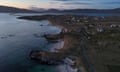
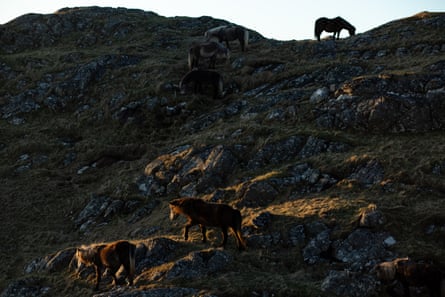
On the windswept slopes of Beinn Sciathan, a rugged rocky outcrop in Scotland’s Outer Hebrides, small herds of white and grey ponies navigate the difficult terrain as they have for centuries. These animals, known as Eriskay ponies, represent one of the rarest and most vulnerable native equine breeds in the world. Despite their presence in the landscape, conservationists warn that the species is currently classified as critically endangered, facing a precarious future shaped by genetic isolation and environmental shifts.

The Eriskay pony is a distinct remnant of the original native ponies of the Western Isles. While many other island breeds were crossbred with larger horses to increase their strength for industrial work, the Eriskay remained largely isolated due to the remote geography of its home island. This isolation preserved a specific genetic line that is now the focus of intense international conservation efforts.
Current estimates suggest that only 300 to 400 true purebred Eriskay ponies remain globally. This number is often misunderstood by the public because the breed is frequently confused with the more common Highland pony or various crossbreeds. This confusion has historically created a false sense of security regarding their population health, masking the urgent need for intervention to prevent total extinction.
Genetic Heritage and the Struggle for Survival
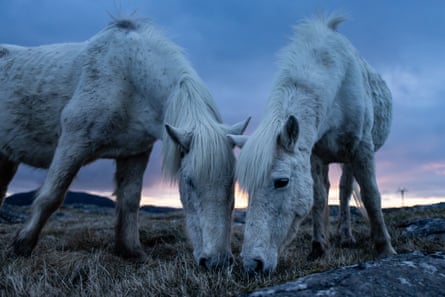
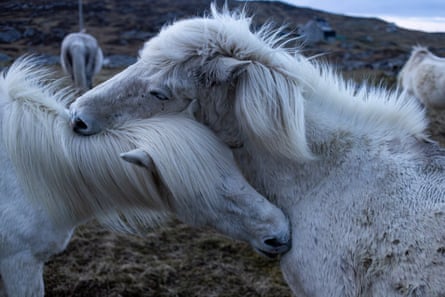
The Eriskay pony is characterized by its remarkable hardiness and distinctive physical transformations. Foals are typically born with dark, almost black coats, which gradually lighten as they mature. By adulthood, most of the ponies display a grey or white coat, though their skin remains dark to protect them from the harsh Hebridean sun and salt spray.
These ponies are smaller than many of their mainland counterparts, typically standing between 12 and 13.2 hands high. Their coats are dense and waterproof, an evolutionary necessity for surviving the relentless rain and Atlantic gales that define the Outer Hebrides. Their hooves are famously hard, allowing them to traverse the sharp, rocky outcrops of the islands without the need for traditional shoeing.
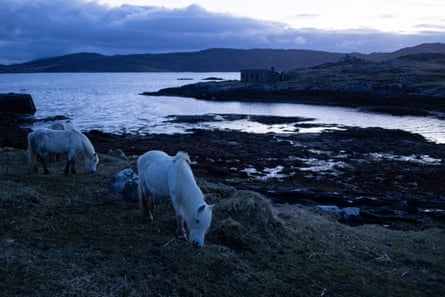
The breed’s survival into the 21st century is considered a biological miracle by many experts. By the early 1970s, the population of purebred Eriskay ponies had plummeted to just 20 individuals. The decline was primarily driven by the mechanization of agriculture, which rendered the ponies’ traditional roles in island life obsolete.
Historical Role in the Hebridean Social Fabric
To understand the plight of the Eriskay pony, one must look to the history of the people who inhabit the Outer Hebrides. In the 1850s, during the height of the Highland Clearances, thousands of families were forcibly removed from fertile lands in Barra and South Uist. Many of these displaced families sought refuge on Eriskay, an island that landlords at the time considered too rocky and barren for productive use.
The refugees who settled on Eriskay were forced to transition from traditional inland crofting to a life dominated by the sea. They built a close-knit, Gaelic-speaking community that relied heavily on the Eriskay pony for survival. The animals became the backbone of the island’s economy, used to transport heavy creels of peat for fuel and seaweed to be used as fertilizer for the thin, sandy soil.
Local historians often cite a famous observation by the late Father Calum MacLellan, a former parish priest on the island, who noted that while the people of Eriskay saved the pony, the pony also saved the people. The two species existed in a symbiotic relationship that allowed a human population to thrive in an environment that was initially intended to be a place of exile.

The Modern Lifestyle of a Semi-Feral Breed
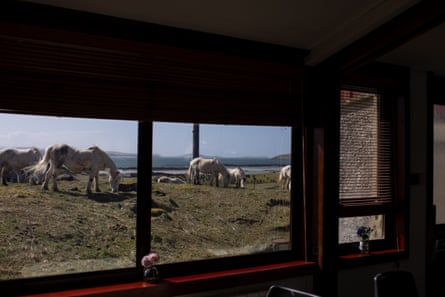
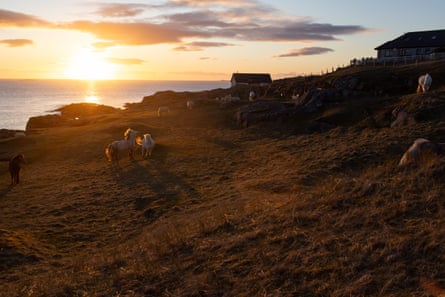
Today, the ponies of Eriskay occupy a unique status that blurs the line between wild animals and domestic livestock. They are neither fully wild nor kept in traditional enclosures. For approximately half the year, including the brutal winter months, the ponies are permitted to roam freely across the island, often wandering through the village and grazing alongside the roads.
Despite this freedom, every pony on the island is owned by a specific individual or family. These owners can identify their animals with ease, despite the ponies appearing nearly identical to an outside observer. This system of communal roaming is a carryover from traditional crofting practices and is essential for the health of the herd, as it allows the animals to find natural shelter from the wind.
In the summer months, the management of the herd changes to protect the island’s limited agricultural resources. The ponies are moved to the higher elevations of Beinn Sciathan. This seasonal migration allows the lower slopes and machair—the fertile, low-lying grassy plains—to recover so they can be used for farming and hay production.
Conservation Challenges and the Climate Crisis
The organization Comann Each nan Eilean, or the Eriskay Pony Society, was founded in 1972 with the specific goal of rescuing the breed from the brink of extinction. While the population has increased from the low of 20 seen in the 1970s, the society faces a new set of modern challenges, most notably the escalating climate crisis.
Residents of Eriskay report that the winters are becoming noticeably longer and wetter. While the ponies are naturally resilient, the increase in persistent dampness has led to a rise in "rain scald," a bacterial skin infection that affects the horses’ coats and skin. Additionally, milder temperatures during the shoulder seasons have encouraged the proliferation of ticks, which can transmit diseases to the herd.
The changing climate is also threatening the physical geography of the island. Coastal erosion is beginning to claim portions of the iconic white-sand beaches that serve as both a tourist attraction and a grazing area for the ponies. As the sea levels rise and storms become more frequent, the available habitat for the semi-feral population is slowly contracting.
Economic and Cultural Impact on the Community
Eriskay remains a small, vibrant community of approximately 150 residents. While it has become a destination for tourists—drawn by the island’s stunning blue waters, its FIFA-recognized football pitch, and the history of the SS Politician shipwreck—the ponies remain the primary cultural symbol of the region.
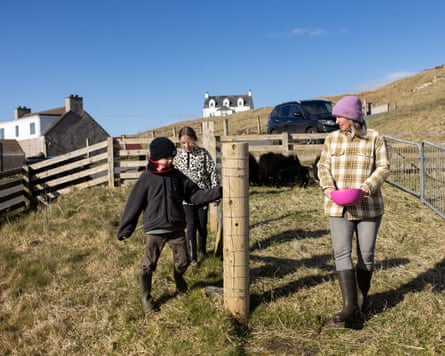
However, maintaining the breed is a significant financial and physical burden for the islanders. Owners must often hike into the hills to check on their animals and provide supplemental feed during particularly harsh winters. Veterinary care and the services of farriers, who must often be brought in from the mainland, represent a substantial out-of-pocket expense for families who view the ponies as a matter of heritage rather than profit.
The Eriskay Pony Society is currently developing a more robust breeding program to ensure genetic diversity within the small population. Managing the herd numbers is a delicate balancing act; there must be enough ponies to ensure a healthy gene pool, but not so many that they overgraze the island’s fragile ecosystem or become a nuisance to the human residents.
The Future of the Eriskay Breed
The birth of a new foal on Eriskay is treated as a major event for the community. This year, one foal was successfully born on the island, and residents are hopeful that the next breeding season will see an increase in numbers. These young ponies are the key to maintaining the lineage of a breed that was once the lifeblood of the Western Isles.
Conservationists argue that the Eriskay pony is more than just a rare breed; it is a living historical monument. Its survival is intertwined with the survival of the Gaelic language and the traditional crofting lifestyle of the Outer Hebrides. To lose the pony would be to lose a vital link to the human history of the Scottish islands.
As the community looks forward, the focus remains on education and international awareness. By highlighting the unique genetic makeup and historical significance of the Eriskay pony, advocates hope to secure the funding and support necessary to ensure that these white and grey figures continue to roam the slopes of Beinn Sciathan for generations to come.
The resilience of the breed serves as a testament to the endurance of life in the Outer Hebrides. Despite the threats of mechanization, genetic bottlenecks, and a shifting climate, the Eriskay pony remains a fixture of the landscape—a quiet, hardy survivor of a bygone era.