The Ukrainian military has launched a fresh wave of long-range drone attacks targeting critical energy infrastructure deep within Russian territory, ignoring explicit warnings from Donald Trump regarding the impact on global fuel markets. The strikes, which hit facilities in the Samara and Oryol regions, represent a significant escalation in Kyiv’s strategy to cripple the Kremlin’s primary source of war revenue.
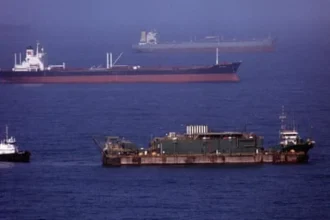
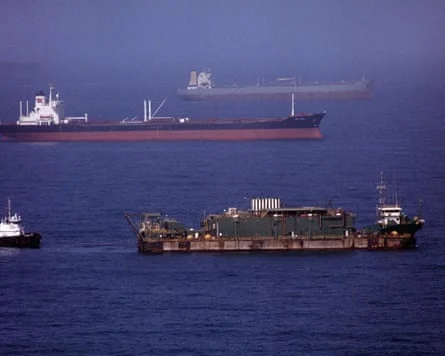
President Volodymyr Zelenskyy confirmed the operations on Thursday, stating that Ukrainian forces successfully struck an oil refinery in the southern Samara region and a drone storage and launch site in Oryol. Additionally, a Russian naval vessel in the Black Sea was reportedly neutralized during the coordinated overnight offensive. These actions come at a time of heightened geopolitical friction, as the campaign against Russian energy assets becomes a central point of contention between Kyiv and the Republican presidential frontrunner.
Donald Trump has intensified his criticism of the Ukrainian strategy, arguing that the systematic destruction of Russian refining capacity is the primary driver behind a tightening global diesel supply. In a private telephone conversation with Zelenskyy, Trump reportedly urged the Ukrainian leader to halt the strikes. Publicly, Trump has linked the attacks to the rising cost of living in the United States, suggesting that the "alarming rate" at which Russian refineries are being knocked out is causing more damage to the global economy than conflicts in the Middle East.
The Strategic Impact of Ukraine’s Persistent Russian Oil Refinery Strikes
The Ukrainian drone campaign has fundamentally altered the economic landscape of the conflict. According to military intelligence estimates from Kyiv, the persistent strikes have successfully disabled more than 45% of Russia’s total oil refining capacity. This massive reduction in output has forced Moscow to implement domestic fuel rationing in several regions and has led to unprecedented queues at petrol stations across the country.
The ripple effects of these strikes are being felt far beyond the front lines. Russia, traditionally the world’s second-largest exporter of diesel, was recently forced to extend its ban on diesel exports through the end of October. This move was intended to stabilize its internal market but has inadvertently exacerbated a global supply crunch. For the Trump campaign, the timing is particularly sensitive as US diesel prices have surged to record highs, contributing to inflationary pressures that have weighed on his approval ratings ahead of the upcoming midterm elections.
Energy analysts, however, offer a more nuanced view of the price fluctuations. While acknowledging that the loss of Russian refining capacity is a contributing factor, many experts point to the ongoing conflict in Iran and broader volatility in the global crude markets as more significant drivers of the current price spike. Despite these assessments, the political narrative in Washington remains focused on the immediate impact of the Ukrainian drone strikes.
Defying Trump: Kyiv’s Rationale for Economic Warfare
The decision to continue the attacks despite pressure from a potential future US president reflects a hardening of Kyiv’s strategic priorities. Military analysts suggest that Ukraine views the destruction of Russian energy infrastructure as an existential necessity rather than a negotiable tactical choice. Mykola Bielieskov, a senior analyst at the National Institute for Strategic Studies in Ukraine, noted that there is little incentive for Kyiv to show restraint while its own cities face daily bombardment.
"There is no rationale for Ukraine to continue exercising restraint while it is being bombarded and major urban areas are under constant attack," Bielieskov stated. He emphasized that the primary goal of the campaign is to deprive the Russian Federation of the revenue required to sustain its military operations. By targeting the refineries, Ukraine is attempting to create a domestic economic crisis within Russia that could eventually limit the Kremlin’s ability to fund its invasion.
This strategy of economic attrition is a direct response to Russia’s own efforts to destroy the Ukrainian power grid. For two years, Moscow has targeted Ukrainian substations, thermal power plants, and hydroelectric facilities. By taking the fight to Russian refineries, Kyiv is attempting to establish a "balance of pressure," making the cost of the war felt by the Russian populace and the state treasury in equal measure.

The Humanitarian Toll and the Battle for Kyiv’s Airspace
As Ukraine persists with Russian oil refinery strikes, the Kremlin has responded with a renewed air campaign against Ukrainian civilian centers. In the capital of Kyiv, the situation has become increasingly dire as Russian forces deploy newer, jet-powered drones that are significantly harder to intercept than the slower, propeller-driven Shahed models previously used. These high-speed munitions have lowered the success rate of Ukrainian air defenses, leading to more frequent impacts within the city limits.
On Thursday morning, a Russian drone struck a school building in Kyiv. While the structure sustained significant damage, Mayor Vitali Klitschko confirmed that there were no casualties because the students and faculty had already sought refuge in the basement shelter. The strike was part of a larger barrage that also hit a critical bridge in the capital, forcing a total suspension of metro services and public transportation during the morning rush hour.
The persistent nature of these attacks has turned Kyiv into something resembling a frontline city. Residents describe a state of near-constant alert, with air raid sirens sounding around the clock. The psychological and economic toll of the strikes is immense, as the government struggles to repair essential services faster than they can be destroyed. The targeting of commercial warehouses and small businesses suggests a deliberate attempt by Moscow to render the city uninhabitable and collapse the local economy.
Political Implications of the Global Diesel Shortage
The intersection of Ukrainian military strategy and American domestic politics has created a complex diplomatic challenge. Trump’s warnings regarding fuel prices highlight the domestic stakes of the foreign conflict. High diesel prices directly impact the cost of transporting goods, which in turn drives up the price of groceries and consumer products. For an American electorate already sensitive to inflation, the energy market is a primary concern.
However, Zelenskyy has remained firm in his stance that the war cannot be won if Russia is allowed to profit from its energy exports. While the Ukrainian president has previously floated the idea of a US-brokered "energy ceasefire"—in which both sides would agree to stop attacking power plants and refineries—the proposal has gained no traction in Moscow. Vladimir Putin has dismissed the suggestion, instead vowing to intensify the "special military operation" and further degrade Ukraine’s infrastructure.
This deadlock leaves the international community in a precarious position. The global diesel shortage is unlikely to ease as long as Russian refineries remain offline and export bans stay in place. At the same time, the United States remains the primary provider of military aid to Ukraine, creating a dynamic where Kyiv must balance its immediate survival needs against the long-term political requirements of its most important ally.
Winter Uncertainty and the Future of the Energy Conflict
As autumn progresses, the fear of a brutal winter looms over Ukraine. Last year’s strikes on the energy grid left millions of people without heating or electricity in sub-zero temperatures. With the current degradation of the power infrastructure and the introduction of more sophisticated Russian drone technology, there are deep concerns that the upcoming winter could be the most difficult since the full-scale invasion began.
The Ukrainian government is racing to fortify its remaining power stations with physical barriers and enhanced anti-aircraft systems. However, officials acknowledge that no defense is absolute. The persistence of the strikes on Russian refineries is seen by many in the Ukrainian military command as the only effective deterrent. By making the energy war a two-way street, Kyiv hopes to force a situation where Moscow finds the cost of attacking Ukrainian utilities too high to sustain.
The geopolitical standoff shows no signs of resolution. Trump’s continued focus on fuel prices ensures that the Ukrainian strategy will remain a central theme in the US political discourse. Meanwhile, on the ground in Samara, Oryol, and Kyiv, the war of attrition continues to grind on, with refineries and schools alike caught in the crossfire of a conflict that has redefined the boundaries of modern economic and aerial warfare.
The coming weeks will be critical as both nations prepare for the seasonal shift in combat conditions. Whether the international pressure on Kyiv will lead to a change in tactics remains to be seen, but for now, the Ukrainian military appears committed to its course of action, viewing the destruction of Russian oil infrastructure as a vital component of its national defense.