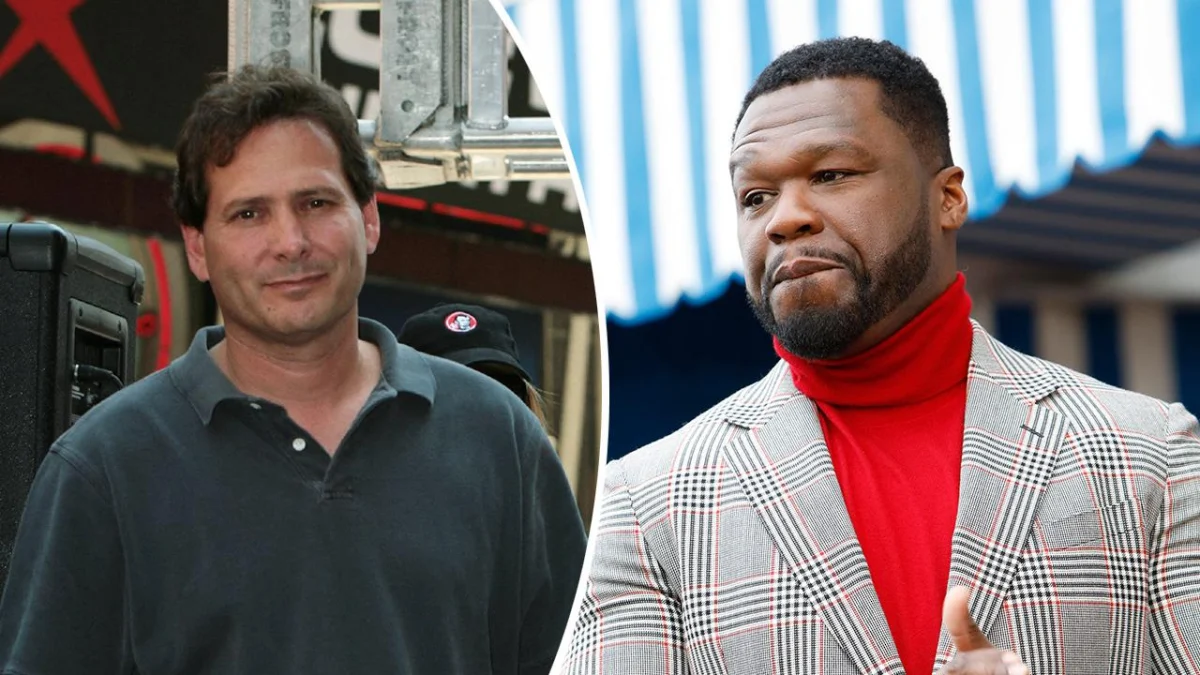
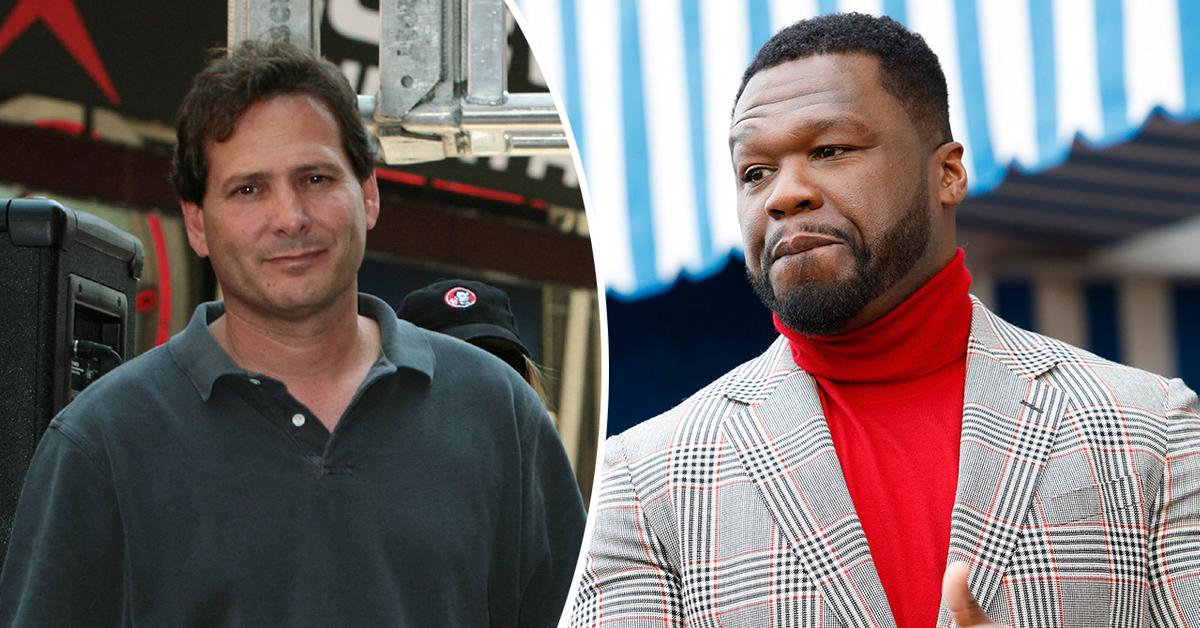
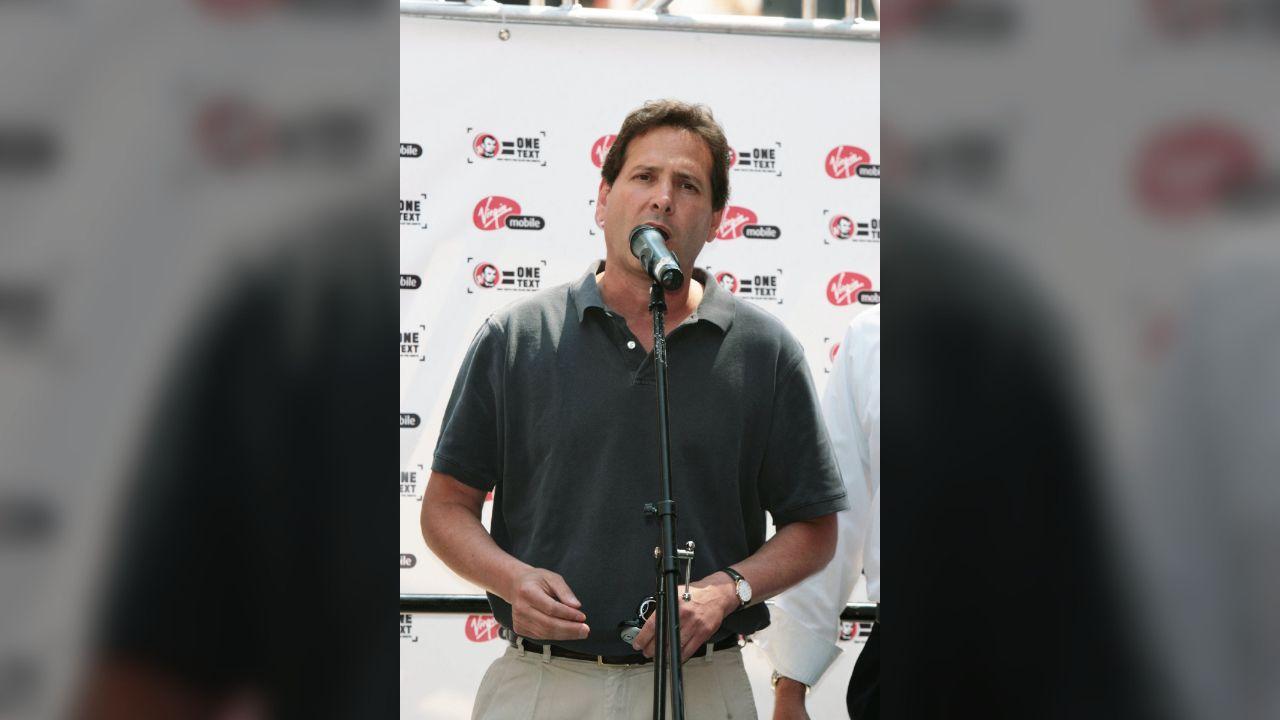
Hip-hop mogul Curtis "50 Cent" Jackson has publicly lambasted Verizon and its CEO, Dan Schulman, following a contentious carriage dispute that has stripped Verizon Fios subscribers of access to STARZ programming, including the hugely popular ‘Power’ universe. The multi-hyphenate artist accused Schulman of dismissing the importance of diverse content, asserting that the executive claimed "no one watches STARZ in NY, or NJ," a statement Jackson characterized as a belief that there is "no need for diversity."
The escalating tensions erupted on September 30, when STARZ issued a stark warning that Verizon Fios customers faced an imminent loss of access to its channels and extensive streaming library. This alert came as negotiations for a new distribution agreement between the telecommunications giant and the premium content provider reached an intractable impasse, leaving millions of subscribers in a state of uncertainty. For fans of the ‘Power’ franchise, a cornerstone of STARZ’s programming slate, the prospect of losing their favorite shows was particularly unwelcome.
The Anatomy of a Carriage Dispute
Carriage disputes are a recurring, often bitter, feature of the modern television landscape. They typically arise when a content distributor, like Verizon, and a programmer, such as STARZ, fail to agree on the financial terms for carrying the programmer’s channels. These negotiations often involve substantial retransmission fees, which distributors pay to networks for the right to broadcast their content. When an agreement cannot be reached, distributors may "drop" the channel, leading to a blackout for their subscribers.
Such impasses are frequently used as leverage, with both sides aiming to pressure the other into more favorable terms. The consumer, however, often bears the brunt of these business disagreements, losing access to content they may have specifically subscribed to watch. These disputes underscore the complex financial ecosystem of television, where the perceived value of content clashes with distribution costs and subscriber retention strategies.
50 Cent’s Fiery Intervention
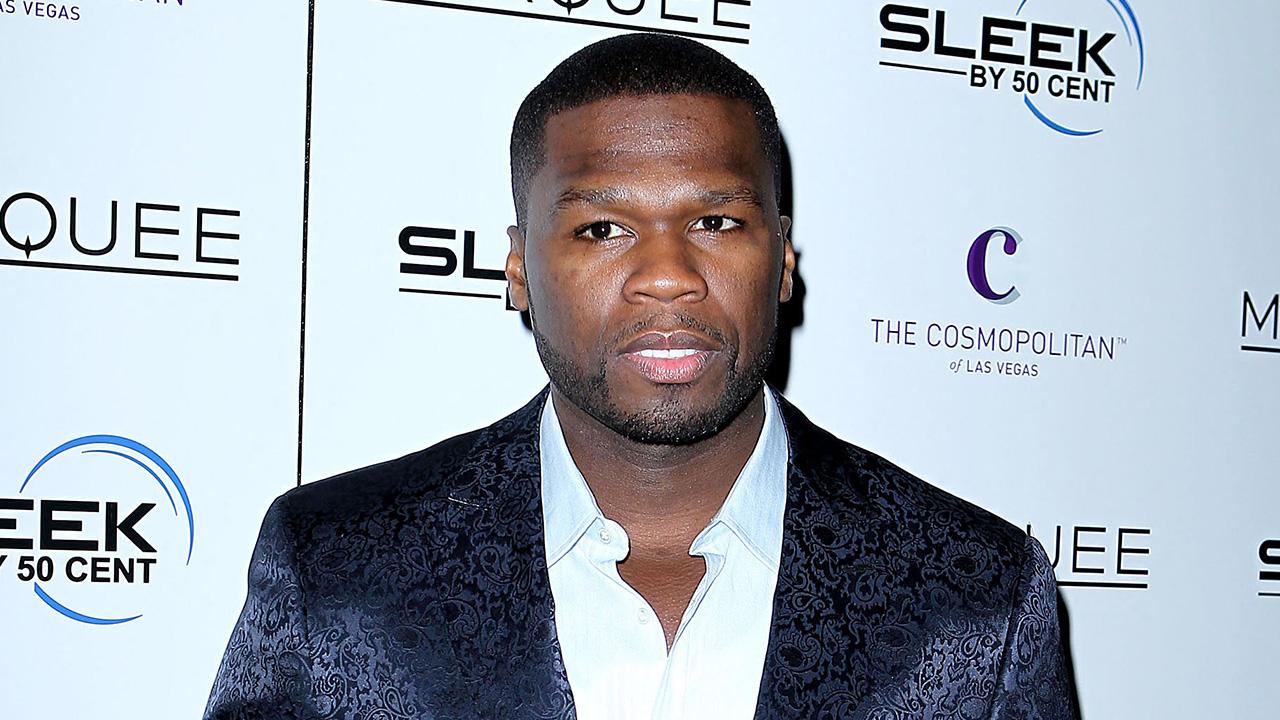
Known for his outspoken nature and strategic use of social media, 50 Cent wasted no time in making his position unequivocally clear. Taking to Instagram, the rapper, producer, and entrepreneur directly targeted Verizon and its chief executive. His post, published on October 1, 2026, highlighted the immediate impact on viewers in key markets, stating, "if you’re in NY or NJ you won’t be able to see the POWER universe or other shows I produce for STARZ because this s— head Dan Schulman decided there is no need for diversity." He further amplified the accusation by quoting Schulman as purportedly saying, "He said no one watches, STARZ in NY, or NJ."

Jackson’s strong rhetoric immediately ignited a conversation among his millions of followers and the broader entertainment community. By framing the dispute around the issue of diversity, he elevated the conversation beyond mere business negotiations, tapping into a culturally sensitive topic that resonates deeply with audiences and creators alike. He also took the opportunity to plug his new project, "Street Fighter OCT16 take is available now!" urging fans to "reconsider their relationship with the provider."
The Power of G-Unit Film & Television
50 Cent’s involvement in this dispute is far from tangential. Through his production company, G-Unit Film & Television, he has become an influential force in shaping STARZ’s programming identity and success. The ‘Power’ universe, which he executive produces, has been a flagship franchise for the network, spawning multiple successful spin-offs including ‘Power Book II: Ghost,’ ‘Power Book III: Raising Kanan,’ and ‘Power Book IV: Force.’ These series, along with others like ‘BMF,’ have not only garnered critical acclaim but have also cultivated a dedicated and expansive fanbase, largely drawn to their authentic portrayal of diverse characters and narratives.
His work has cemented his status as a champion of diverse storytelling, bringing nuanced perspectives and underrepresented voices to mainstream television. The interruption of access to these shows, particularly in diverse metropolitan areas like New York and New Jersey, is therefore seen by Jackson not just as a business setback, but as a direct affront to the audiences he serves and the cultural impact he strives to achieve. His public stance underscores the significant leverage that high-profile content creators now wield in the evolving media landscape.

STARZ’s Commitment to Diversity and Independent Programming
In the wake of the dispute, STARZ issued its own official statement, emphasizing its unique position within the competitive media marketplace. Alison Hoffman, President of STARZ Networks, articulated the network’s core mission: "As an independent programmer dedicated to women and underrepresented audiences, STARZ is vital to a competitive media marketplace, providing diverse programming alternatives to content from larger conglomerates." This statement directly countered the implied sentiment of 50 Cent’s accusation against Verizon’s CEO, positioning STARZ as a crucial platform for diverse content.
The network further highlighted the breadth of popular series at risk for Verizon customers, beyond the ‘Power’ franchise. Shows like the critically acclaimed ‘Outlander,’ the vibrant ‘P-Valley,’ the action-packed ‘S.W.A.T.: Exiles,’ and the anticipated drama ‘Fightland,’ alongside its extensive film library, were all cited as content that could become inaccessible. This list reinforced STARZ’s value proposition as a diverse content provider, appealing to a wide spectrum of tastes and demographics. The network stressed its commitment to reaching an agreement that would "protect subscribers and preserve access to its content," signaling its intent to fight for its place on Verizon’s platform.
Broader Implications for the Entertainment Industry
This carriage dispute between Verizon and STARZ, amplified by 50 Cent’s high-profile intervention, illuminates several critical trends and challenges facing the contemporary entertainment industry. It highlights the delicate balance of power between content creators, networks, and distributors, particularly in an era marked by increasing fragmentation and the proliferation of streaming services.
For independent programmers like STARZ, maintaining broad distribution is crucial for visibility and subscriber growth, especially when competing with media behemoths that own both content and distribution channels. The accusation of disregarding diversity in programming, if taken seriously, could also have reputational consequences for Verizon, particularly in a socio-political climate that increasingly values inclusivity and representation across all media.
Furthermore, the incident underscores the growing frustration among consumers who often find themselves caught in the middle of these corporate battles. As subscription costs rise and content becomes siloed across various platforms, viewers are demanding more flexibility and less disruption. The ability of a single dispute to cut off access to a beloved franchise like ‘Power’ serves as a stark reminder of the limitations of traditional cable and satellite models in the age of direct-to-consumer streaming.
The Impact on Consumer Choice and the Future of Content Access
The dispute has inevitably sparked broader discussions about consumer choice and the fundamental importance of maintaining access to programming that caters to a wide range of audiences. In a market where content is increasingly tailored to specific demographics, the removal of a network known for its diverse offerings raises questions about the commitment of distributors to serving all segments of their customer base.

Should the impasse persist, Verizon Fios subscribers in affected regions may be compelled to explore alternative viewing methods, including direct subscriptions to the STARZ app or switching to rival cable providers. This "cord-cutting" phenomenon, already a significant trend, could accelerate as consumers seek more reliable and comprehensive access to their desired content, bypassing the complexities of traditional distribution agreements.
The situation also brings to the forefront the evolving relationship between celebrity influence and corporate accountability. 50 Cent’s ability to mobilize public opinion through his vast social media reach demonstrates the new frontier of advocacy in business disputes. His passionate defense of his programming and its audience underscores the personal investment creators have in their work and their willingness to fight for its accessibility.
Path Forward and Potential Resolutions
As Verizon and STARZ continue to navigate this complex negotiation, the future remains uncertain for affected Fios subscribers. Historically, carriage disputes often conclude with a last-minute agreement, restoring access to programming, albeit sometimes with revised pricing for consumers. However, some disputes have resulted in permanent removal, forcing viewers to seek content elsewhere.
The involvement of a high-profile figure like 50 Cent adds an additional layer of public pressure, making a quiet resolution less likely. Both companies are now under increased scrutiny to demonstrate their commitment to their respective stakeholders—Verizon to its subscribers and STARZ to its content creators and diverse audience. The resolution of this particular conflict will undoubtedly be watched closely by industry observers, offering insights into the evolving dynamics of content distribution, the enduring power of popular programming, and the critical role of diversity in the competitive media landscape. For now, 50 Cent remains a vocal advocate, standing firmly behind the expansive television universe he has helped cultivate and the millions of fans who eagerly await its return to their screens.