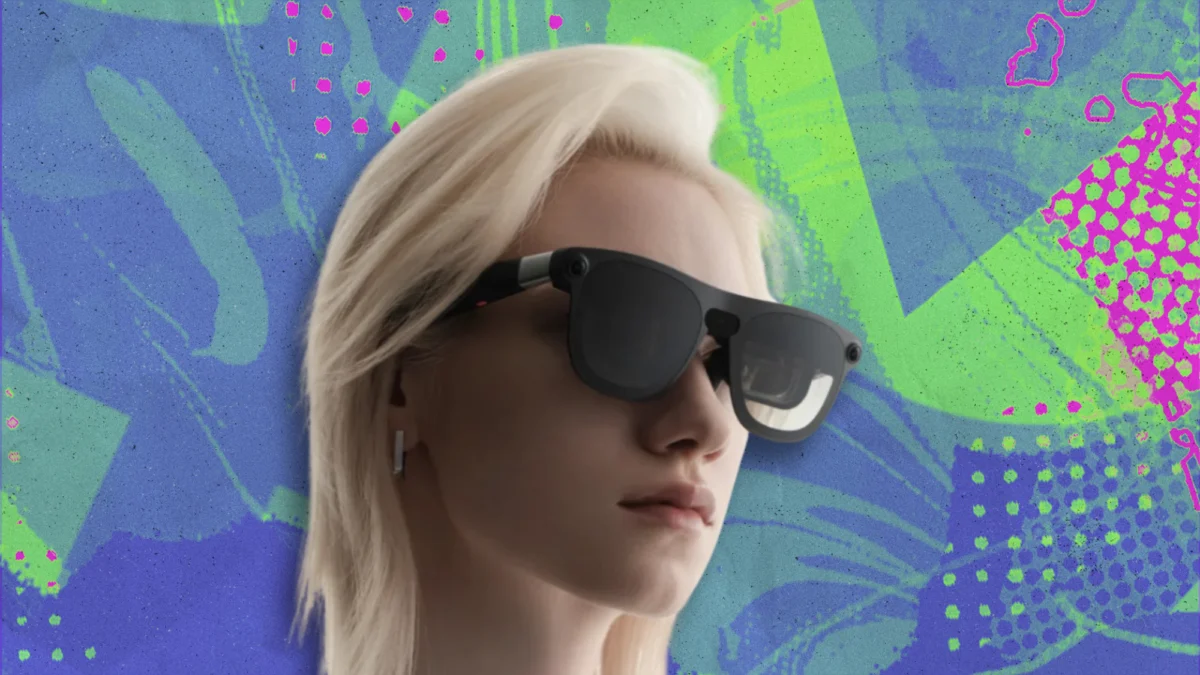
Xreal has officially opened preorders for its Aura spatial computing glasses, marking the first commercial hardware release featuring Google’s highly anticipated Android XR operating system. The device, which was first previewed during the Google I/O 2026 keynote, represents a significant collaboration between Xreal, Google, and Qualcomm to bring high-end augmented and virtual reality experiences into a wearable glasses form factor. According to a company press release, the Xreal Aura is scheduled to begin shipping to consumers in mid-November 2026, positioning the hardware as a primary competitor in the rapidly expanding spatial computing market.
The Xreal Aura enters the market with a retail price of $1,279, though the manufacturer is offering an introductory preorder incentive. Early adopters who reserve the device through the official Xreal website can secure the hardware for $1,099, representing a $180 discount. This pricing strategy places the Aura in a middle-tier bracket—significantly more expensive than entry-level AR glasses but substantially more affordable than high-end mixed-reality headsets like the Apple Vision Pro. The launch is being viewed by industry analysts as a critical test for the Android XR ecosystem, which seeks to provide a standardized platform for spatial computing across various hardware manufacturers.

Technical Specifications and Display Innovation
At the core of the Xreal Aura experience are dual Sony Micro-OLED displays, which provide the visual foundation for its spatial computing capabilities. These displays are engineered to project a virtual screen with a 70-degree field of view, a significant increase over the 45-to-50-degree range common in previous generations of augmented reality glasses. The hardware supports a refresh rate of up to 120Hz, ensuring smooth motion for both gaming and productivity applications. Furthermore, the displays reach a peak brightness of 1,050 nits, which is intended to maintain visual clarity even in well-lit indoor environments.
The internal architecture of the Aura is powered by Qualcomm’s Snapdragon Reality Elite Platform. This chipset is specifically designed to handle the low-latency demands of spatial tracking and high-resolution rendering. Unlike standalone virtual reality headsets that house all components within the head-mounted unit, the Xreal Aura utilizes a tethered approach. The glasses connect via a dedicated cable to a "compute puck," an external device that contains the battery and the primary processing hardware. This design choice allows the glasses themselves to remain lightweight and comfortable for extended wear, avoiding the bulk and heat dissipation issues often associated with all-in-one headsets.
The Android XR Ecosystem and Google Integration
The integration of Google’s Android XR operating system is perhaps the most significant feature of the Xreal Aura. This software environment is designed to bring the familiarity of the Android ecosystem into a three-dimensional space. Users have access to a wide array of applications from the Google Play Store that have been optimized for spatial environments. Xreal confirmed that at launch, more than 150 dedicated XR experiences will be available, with the library expected to expand as more developers adopt the Android XR SDK.

A central component of the software experience is the inclusion of Gemini, Google’s multimodal artificial intelligence. Gemini integration allows Aura users to interact with their environment using natural language processing. By utilizing the onboard cameras and sensors, the AI can "see" what the user sees, providing contextual information, translating text in real-time, or assisting with complex tasks across various productivity apps. This AI-first approach aims to transform the glasses from a simple display peripheral into a proactive digital assistant.
Spatial Computing and Productivity Features
Xreal is positioning the Aura as a versatile tool for "work, watch, and play." In a professional context, the device allows users to create a multi-monitor setup in virtual space, regardless of their physical location. The spatial computing aspect enables windows and applications to be "pinned" to specific locations in a room. For example, a user could have a virtual Slack window hovering to their left, a large web browser in the center, and a video conferencing application to their right.
Control of the interface is managed through a combination of hand tracking and voice commands. Onboard sensors monitor hand gestures, allowing users to "pinch" and "drag" virtual objects without the need for physical controllers. This hands-free interaction is a cornerstone of the spatial computing philosophy, intended to make the technology feel like a natural extension of the user’s physical environment. Xreal CEO Chi Xu emphasized that the Aura was built for individuals who require the power of spatial computing without being isolated from their surroundings, a direct nod to the device’s transparent lenses.

Immersive Entertainment and Media Consumption
Beyond productivity, the Xreal Aura leverages Google’s existing media platforms to offer immersive entertainment. Through integration with Google Photos and Android XR, the glasses can convert standard 2D images into 3D spatial photos. Panoramic shots taken on smartphones can be expanded into 360-degree immersive environments, allowing users to "step back" into their memories.
Video consumption is another primary use case. The Aura supports 360-degree and VR180 content on YouTube, providing a theater-like experience on a virtual screen that can simulate a massive display. Furthermore, Google Maps integration allows for "Immersive View" explorations. Users can fly through 3D renderings of major cities or navigate streets via an enhanced version of Street View that provides a more realistic sense of scale and depth than a traditional smartphone screen.
Competitive Landscape and Market Positioning
The release of the Xreal Aura comes at a time of intensifying competition in the wearable technology sector. The market is currently divided between high-end "goggles" and lightweight "smart glasses." The Xreal Aura attempts to bridge this gap by offering the software capabilities of a headset with the physical profile of glasses.

In comparison, Snap recently launched its fifth-generation Spectacles, which are fully wireless but feature a much shorter battery life and a bulkier frame design. Meta is also developing its own high-end AR glasses, though current reports suggest their consumer-ready version may not arrive until 2027. Apple’s Vision Pro remains the benchmark for spatial computing power, but its $3,499 price point remains a barrier for the average consumer. By pricing the Aura at $1,279 and utilizing a tethered compute puck, Xreal is betting that consumers will trade total wireless freedom for a lighter weight and a more accessible price.
Industry Implications and Future Outlook
The success of the Xreal Aura will likely serve as a bellwether for the Android XR platform. If the device gains traction, it could encourage other hardware manufacturers—such as Samsung and Motorola—to accelerate their own XR hardware plans. For Google, the Aura represents a vital opportunity to establish a dominant OS in the spatial computing era, mirroring the success it achieved with Android in the smartphone market.
Industry experts suggest that the transition from smartphones to spatial computing will be gradual, depending heavily on the refinement of hardware ergonomics and the utility of the software ecosystem. The inclusion of the Snapdragon Reality Elite Platform indicates that the hardware is capable of high-performance tasks, but the ultimate value proposition will depend on how effectively developers can utilize the Android XR tools to create "must-have" applications.

Shipping and Availability Information
As of late October 2026, the Xreal Aura is available for preorder exclusively through Xreal’s online storefront. The company has indicated that the initial production run will be shipped in mid-November, though high demand could potentially push delivery dates for later orders into December. The package includes the Aura glasses, the external compute puck, and the necessary cabling for connection.
While the current launch is focused on the consumer market, Xreal has hinted at future enterprise-specific versions of the Aura that may include ruggedized frames or specialized software suites for industrial and medical applications. For now, the focus remains on early adopters and tech enthusiasts eager to experience the first iteration of Google’s vision for the future of the Android platform in three-dimensional space.