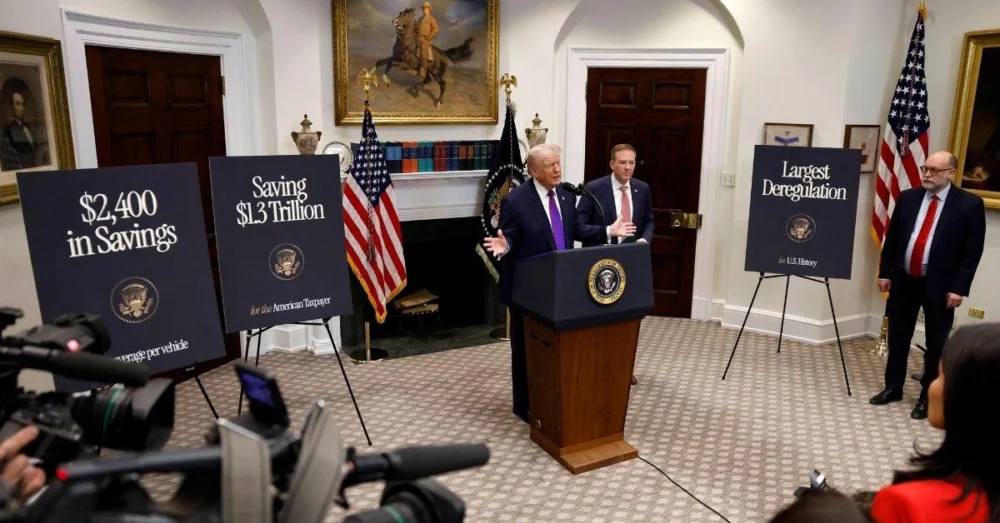
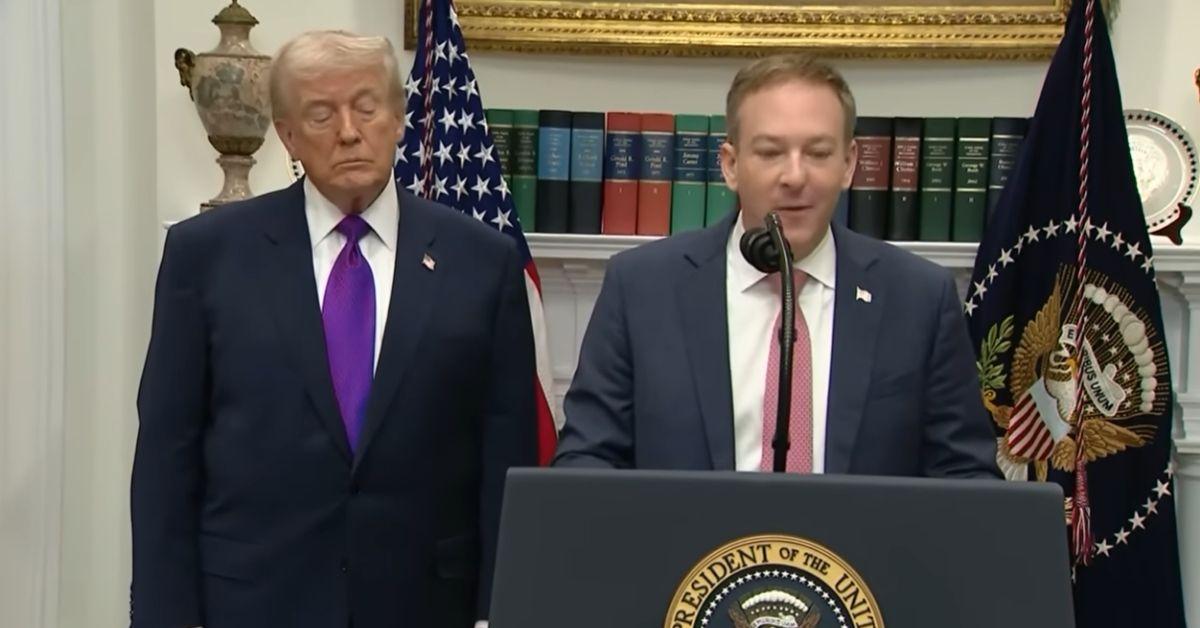
President Donald Trump appeared to doze off while standing during a White House address on Thursday, February 12, 2026, sparking renewed concerns and widespread discussion about his health and stamina. The incident occurred as Environmental Protection Agency (EPA) Administrator Lee Zeldin delivered a lengthy presentation on the Clean Air Act, drawing immediate attention from media outlets and political observers. This public display of drowsiness quickly became a focal point, fueling ongoing speculation regarding the president’s physical and cognitive fitness for office.
Background of Presidential Health Scrutiny
The health of a sitting president, or a leading presidential candidate, is perennially a topic of intense public and media scrutiny in the United States. Historically, moments of perceived vulnerability or signs of aging have often been amplified, influencing public opinion and political narratives. From Franklin D. Roosevelt’s polio to Dwight D. Eisenhower’s heart attack and Ronald Reagan’s age, presidential health has frequently intertwined with perceptions of leadership capability and national stability. In the current political climate, with an aging political class, such concerns are particularly acute, becoming a recurring theme in political discourse.
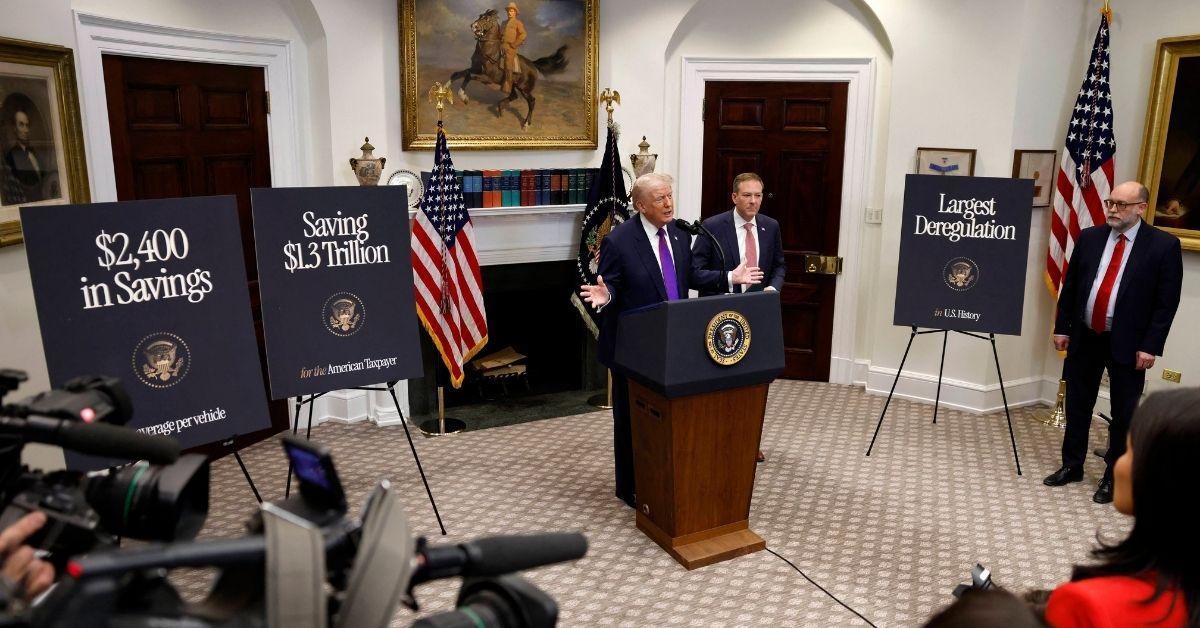
The event itself unfolded during a scheduled White House briefing. EPA Administrator Lee Zeldin, a former GOP lawmaker from New York, was detailing policy changes related to the Clean Air Act. The Clean Air Act, a landmark federal law, is designed to control air pollution on a national level, a complex and often technical subject that can involve intricate regulatory details. While the subject matter is crucial for environmental policy, lengthy speeches on such topics can test the endurance of any audience, let alone a head of state often juggling demanding schedules.
The Incident Unfolds: A Public Display of Drowsiness
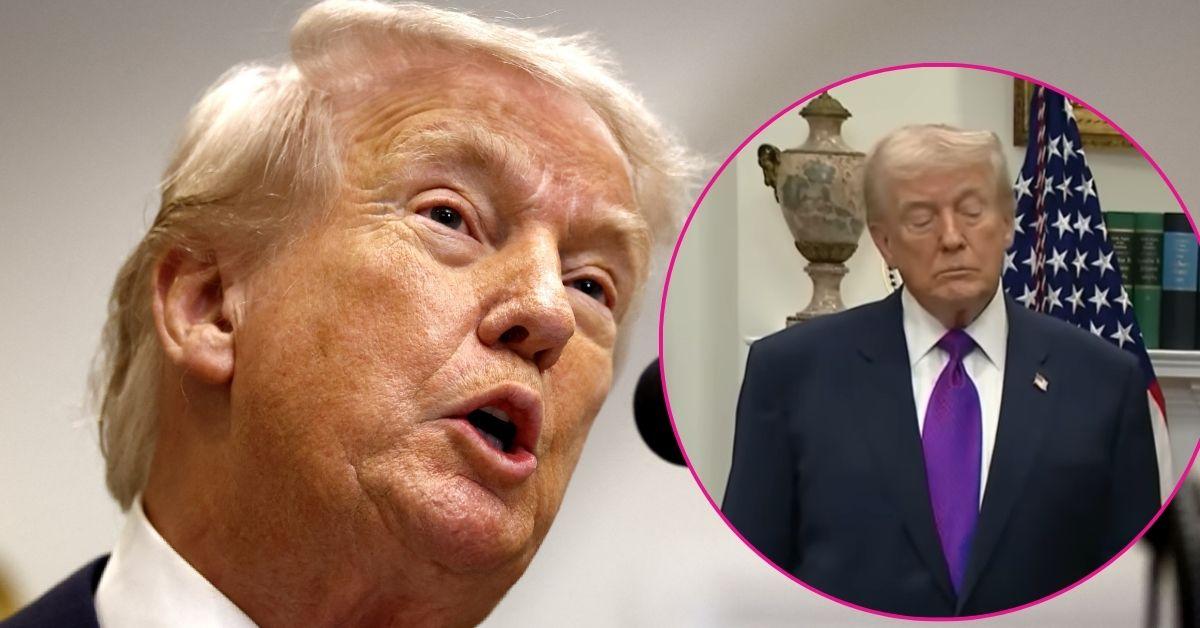
During Administrator Zeldin’s address, which reportedly lasted eight minutes, President Trump was observed by cameras and attendees appearing to struggle to keep his eyes open. Footage circulated widely across social media and news platforms showed the president nodding slightly, his eyelids drooping, and at times his eyes appearing to close for extended periods while standing at the podium. This visual evidence quickly became the primary catalyst for the renewed health speculation.
Following Zeldin’s concluding remarks, President Trump stepped forward to the microphone, his first words referencing the preceding speech: "That was long." The comment, delivered with a wry tone, elicited muted laughs from the press corps present and an visibly awkward, grimacing smile from Zeldin. Trump quickly followed up by adding that the speech was "great" and that he appreciated it, attempting to soften the initial, somewhat blunt assessment of its duration.

White House Pushes Back: Denials and Defenses
The White House has consistently pushed back against any suggestions of President Trump’s declining health or cognitive issues, dismissing such reports as politically motivated attacks. In response to a Daily Beast article detailing the incident, White House Assistant Press Secretary Liz Huston issued a sharp rebuke, stating, "The Daily Beast is a trash publication spreading lies daily about President Trump." This aggressive stance is characteristic of the administration’s approach to critical media coverage.
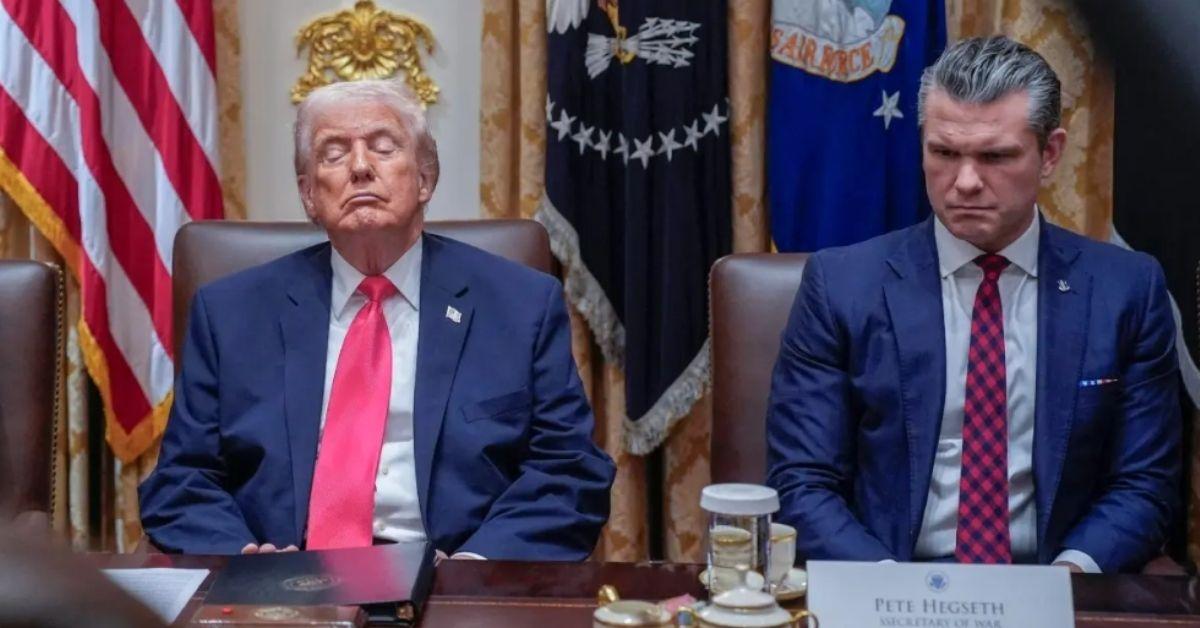
President Trump himself has frequently addressed questions about his health, typically with assertions of perfect physical condition. In a January 1, 2026, interview with The Wall Street Journal, he emphatically declared his health to be "perfect" and dismissed any scrutiny. He specifically denied falling asleep during White House meetings, despite photographic and video evidence showing him with his eyes closed during various public engagements. His explanation for these instances has often been that he was merely "resting his eyes" or "blinking." "I’ll just close. It’s very relaxing to me," Trump told the Journal. "Sometimes they’ll take a picture of me blinking, blinking and they’ll catch me with the blink."
A Pattern of Public Drowsiness?

The February 12 incident is not an isolated occurrence. Over the past year, President Trump has been photographed or videotaped appearing drowsy on multiple occasions, contributing to the "Sleepy Don" moniker that has sometimes been used by critics. These instances include:
- A White House roundtable: Cameras captured him appearing to doze off during a similar meeting.
- The 2025 U.S. Open: During a high-profile public event, Trump was observed with his eyes closed.
- A funeral for Charlie Kirk: An emotional and lengthy event where he also appeared to drift off.
These repeated public displays have led to an accumulation of media reports and public discussion, each new incident adding to the narrative that White House officials are keen to dispel. Beyond perceived drowsiness, reports in November 2025 from a New York Times piece also claimed Trump showed "signs of fatigue" during his second term, coupled with observations of "hand bruises and swollen cankles." Trump vehemently refuted this, stating via Truth Social, "I have never worked so hard in my life… Yet despite all of this the Radical Left Lunatics in the soon to fold New York Times did a hit piece on me that I am perhaps losing my Energy, despite facts that show the exact opposite."
The Broader Debate on Presidential Health
The ongoing scrutiny of President Trump’s health is part of a larger political debate about age and fitness for high office, particularly relevant in an era where many prominent political figures are of advanced age. This discussion often draws parallels to the scrutiny faced by President Joe Biden, whose age and occasional verbal missteps have also been a constant subject of media and political commentary. The White House press secretary, Karoline Leavitt, directly addressed this comparison when defending Trump’s health.
Leavitt stated, "As the president’s physician, Dr. Sean Barbabella, has made clear time and again – and as the American people see with their own eyes every single day – President Trump remains in excellent overall health." She further emphasized, "President Trump’s relentless work ethic, unmatched energy, and historic accessibility stand in sharp contrast to what we saw during the past four years when the failing legacy media intentionally covered up Joe Biden’s serious mental and physical decline from the American people." This highlights the highly politicized nature of health discussions, with each party often leveraging the perceived infirmities of the other.
Political Ramifications and Public Perception
Such incidents, regardless of their medical significance, carry substantial political ramifications. For a presidential figure, perceived fatigue or signs of aging can be weaponized by political opponents, raising questions about stamina, cognitive sharpness, and the ability to handle the immense pressures of the Oval Office. In a closely contested political environment, even seemingly minor incidents can contribute to broader narratives that influence voter perception.
Public perception of a leader’s vigor is crucial. Voters often seek a president who projects strength, resilience, and an unwavering capacity to govern. Any deviation from this ideal can create an opening for challengers to question leadership qualities, potentially eroding public confidence. For President Trump, who often projects an image of boundless energy, moments of apparent drowsiness challenge this carefully cultivated persona.
Managing the Narrative: Trump’s Own Explanations
The White House’s strategy to manage this narrative relies on a combination of outright denial, counter-accusations against the media, and the president’s own confident self-assessments. Trump’s explanation of "resting his eyes" attempts to normalize what others might perceive as fatigue, reframing it as a deliberate act of relaxation rather than a sign of weakness. This approach seeks to dismiss criticism as unfair or biased media targeting.
However, the repeated nature of these incidents makes it increasingly difficult for the White House to control the narrative entirely. Each new video or photograph reinvigorates the discussion, forcing officials to reiterate their defenses. The contrast between official statements of "excellent overall health" and visual evidence often creates a disconnect that can be difficult to bridge in the court of public opinion.
Looking Ahead: Age, Stamina, and the Presidency
As the 2026 political calendar progresses, the age and health of President Trump will undoubtedly remain a prominent feature of political discourse. With the demanding schedule of a president, including frequent travel, late-night decisions, and continuous public appearances, stamina is not merely a personal attribute but a critical component of effective leadership.
The incident during the EPA Administrator’s speech serves as a potent reminder of the intense scrutiny faced by figures in the highest office. Whether these moments are simply a result of a grueling schedule, brief lapses in attention, or indicative of deeper health issues, they will continue to shape public conversations about presidential fitness, political campaigns, and the expectations placed upon the nation’s leader. The interplay between media coverage, official denials, and the public’s own observations will define how these discussions evolve in the coming months.