The Prince and Princess of Wales conspicuously sidestepped a pointed inquiry regarding the stability and future of the British monarchy during their appearance at the 2026 British Academy Film and Television Awards (BAFTAs), an event overshadowed by the recent arrest of former Prince Andrew just days prior. The royal couple maintained a composed demeanor as they navigated the red carpet, opting for silence in response to a direct question about the institution’s perceived peril amid escalating scandal.
The highly anticipated BAFTA ceremony, held at the Royal Festival Hall in London on February 22, became an unexpected backdrop for renewed scrutiny of the royal family. Just three days earlier, on February 19, Andrew Mountbatten-Windsor, 66, was arrested by Thames Valley police in Windsor, England. The arrest stemmed from an ongoing investigation into allegations that he transmitted sensitive private travel documents and other details to the late financier and convicted s*x offender Jeffrey Epstein during his tenure as a trade envoy. This development reignited a long-simmering public relations crisis for the House of Windsor.
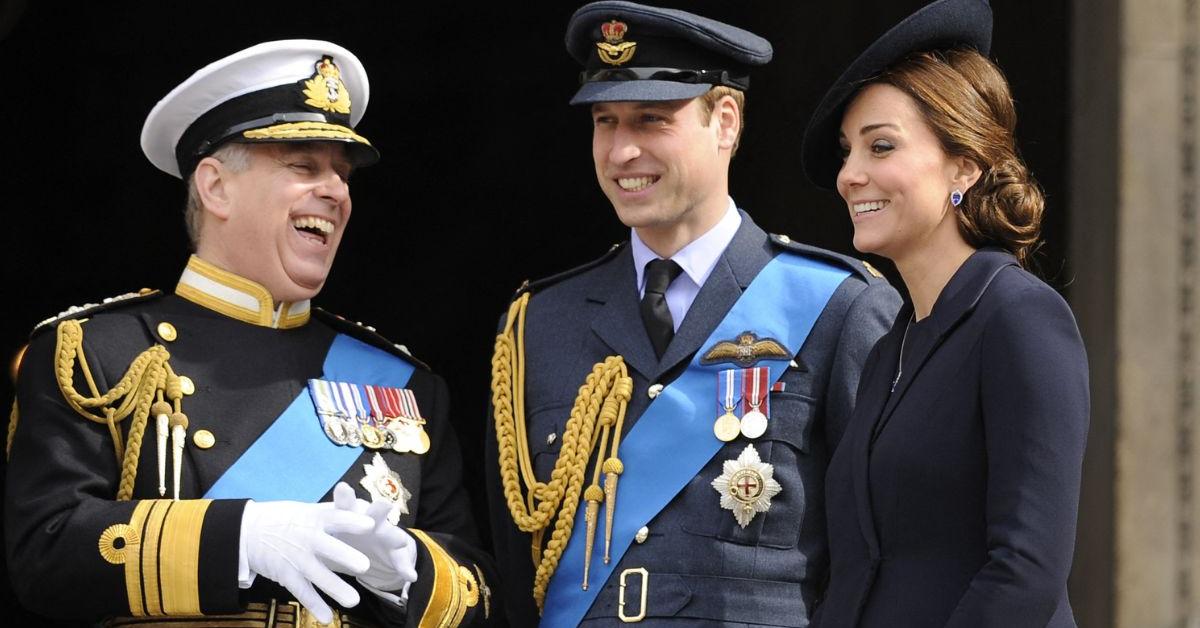
The Royal Couple’s High-Profile Appearance Amid Crisis
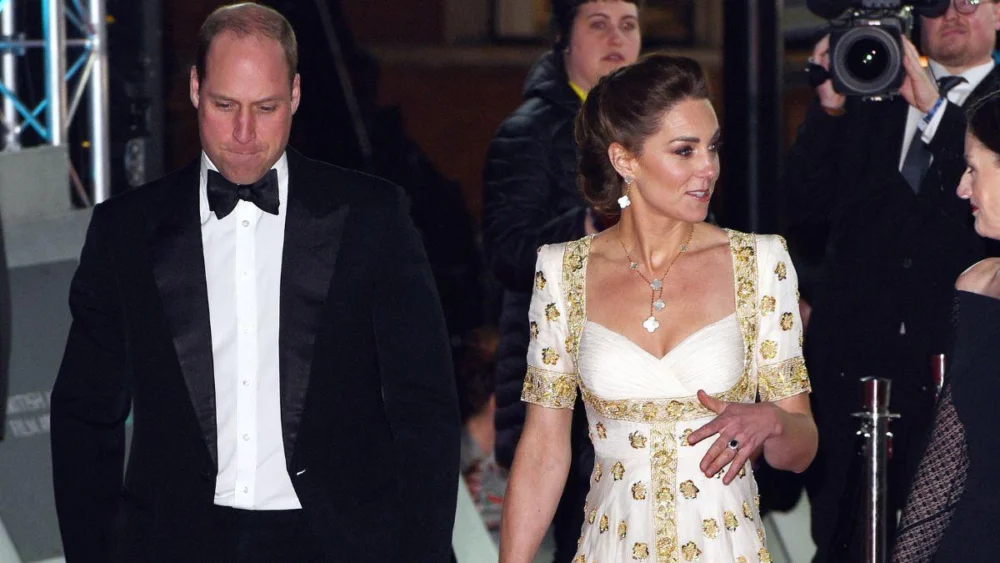
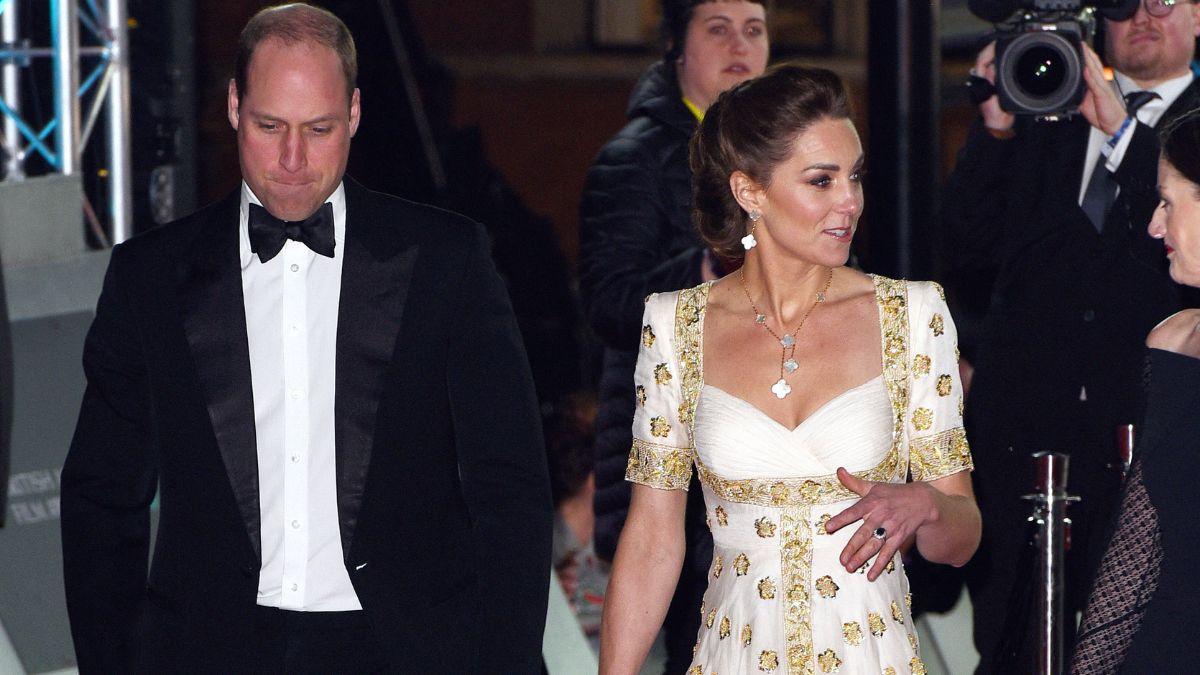
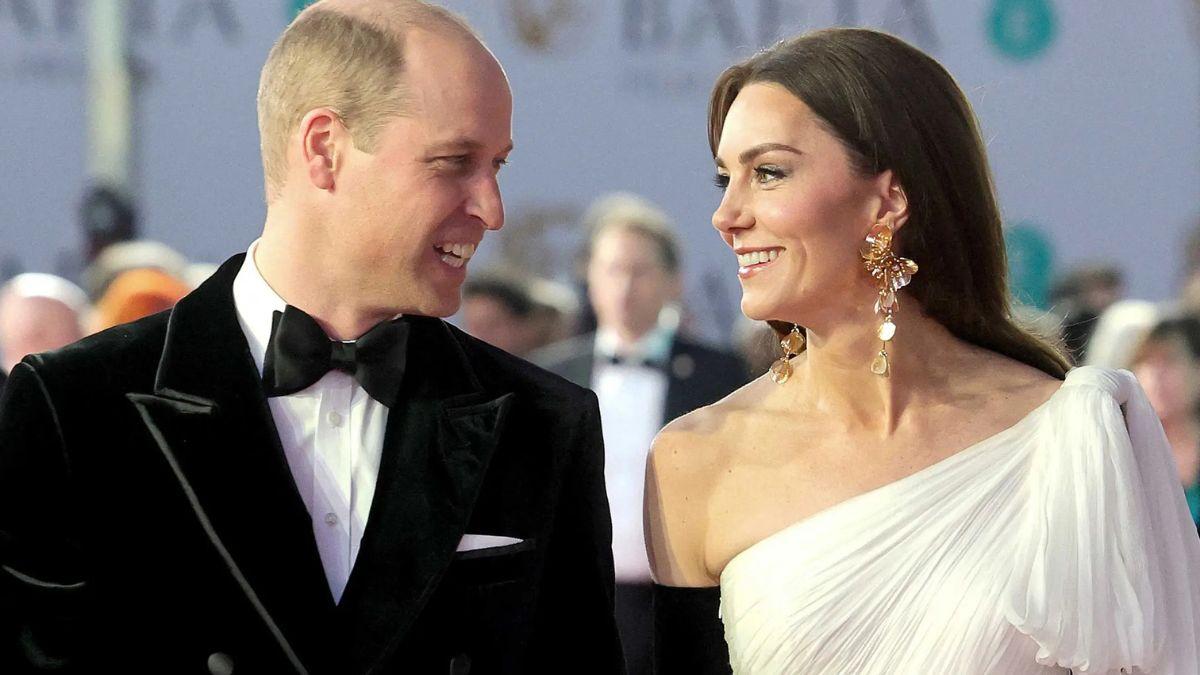
Kate Middleton and Prince William arrived at the BAFTAs, marking their first joint attendance at the prestigious awards show since 2023. Their presence was a carefully choreographed display of continuity and resilience, a common tactic employed by the monarchy during periods of internal strife or public controversy. The couple commanded the red carpet momentarily, drawing the full attention of the gathered media and public before proceeding into the theater.
It was during this walkabout that an attendee posed the direct question: "Is the monarchy in peril?" Both the Prince and Princess of Wales, seasoned in navigating public engagements, offered no verbal response. They continued their progression toward the main stage, their expressions betraying nothing beyond the practiced formality expected of senior royals. This non-response, while typical for such unscripted questions, was particularly notable given the gravity of the recent events involving Andrew.
A History of Scandal and Public Scrutiny
The arrest of Andrew Mountbatten-Windsor is the latest, and arguably most severe, chapter in a protracted scandal that has plagued the British royal family for years. His association with Jeffrey Epstein came under intense public scrutiny following Epstein’s 2019 arrest and subsequent death. Allegations of s*xual abuse against Andrew, which he has consistently denied, led to his effective removal from public life and the relinquishing of his military titles and royal patronages in January 2022. In October 2025, he was formally stripped of his remaining royal titles by the sovereign, King Charles III, a move that underscored the monarchy’s efforts to distance itself from the controversy.

The current investigation, initiated by the Thames Valley police, focuses on Andrew’s alleged role in providing confidential information to Epstein. This new dimension suggests a potential breach of national security or official conduct, elevating the scandal beyond personal misconduct into a realm with broader legal and governmental implications. The timing of the arrest, just days before one of the most visible cultural events attended by the future King and Queen, amplified the pressure on the institution.
Royal Strategy: Business as Usual
Despite the turmoil surrounding Andrew’s arrest, other senior members of the royal family maintained their public schedules, adhering to the long-standing mantra of "never complain, never explain," and "business as usual." King Charles III was seen attending London Fashion Week on the very day of Andrew’s apprehension, projecting an image of calm leadership. Queen Camilla similarly made an appearance at a concert in London, while Princess Anne visited a men’s prison in the United Kingdom.
This concerted effort to project stability and continue with royal duties is a well-established strategy designed to reassure the public and demonstrate the monarchy’s enduring strength and commitment to its responsibilities, even in the face of personal or institutional crises. The coordinated public appearances serve to normalize the situation and divert attention from the more damaging narratives.

Prince William’s Stance on His Disgraced Uncle
Reports indicate that both King Charles III and Prince William have been staunch advocates for a decisive approach regarding Andrew’s conduct. A source close to the royal household revealed that William, in particular, harbored a strong desire to see his uncle removed from royal duties and titles long before the official decisions were made. The future monarch understood the profound impact of Andrew’s actions on the monarchy’s reputation and his own eventual reign.
"Once you understand the fact that everything that happens in the here and now, affects everything in the future, William’s future, it is very easy to put yourself in his shoes," a source reportedly told royal author Russell Myers for his forthcoming book, William and Catherine: The Monarchy’s New Era. The insider claimed, "He never much liked his uncle and wanted him out of the picture immediately before the rot further set in." This perspective highlights William’s pragmatic approach to safeguarding the institution he is set to inherit, even if it means confronting difficult family matters.
King Charles III, for his part, publicly endorsed the police investigation into Andrew. A statement released by Buckingham Palace indicated the monarch’s full support for the authorities, signaling the institution’s commitment to cooperate with legal processes and maintain transparency, a departure from some past royal responses to scandal.
The Monarchy’s Evolving Challenges and Public Perception
The question posed to Kate and William at the BAFTAs—"Is the monarchy in peril?"—encapsulates a broader public sentiment. The British monarchy has faced numerous challenges throughout its history, but the digital age and heightened public scrutiny have amplified the impact of scandals. The institution navigates a delicate balance between tradition and modernity, constantly adapting to maintain relevance in a rapidly changing world.
The Andrew scandal, particularly with its renewed legal dimension, forces the monarchy to confront questions about accountability, privilege, and its role in contemporary society. Public trust, a cornerstone of the monarchy’s soft power, is continually tested by such events. While the majority of Britons continue to support the monarchy, republican sentiment tends to tick upwards during periods of royal controversy.
The Prince and Princess of Wales, as future King and Queen, are increasingly central to shaping the monarchy’s image and ensuring its longevity. Their ability to project stability, commitment to duty, and connect with the public is paramount. Their measured silence at the BAFTAs, while perhaps politically astute in the immediate moment, also underscores the deep sensitivity of the issues at play and the careful tightrope walk required of modern royals.
The ongoing investigation into Andrew Mountbatten-Windsor will continue to cast a shadow over Buckingham Palace. As the legal process unfolds, the royal family will likely continue its strategy of public engagement and stoicism, striving to reinforce the perception of a stable and dedicated institution. The incident at the BAFTAs serves as a stark reminder of the persistent challenges facing the British monarchy and the continuous effort required by its senior members to navigate an ever-watchful public eye.