The global smartphone market in early 2026 has entered a period of significant price polarization, forcing consumers to navigate a landscape where flagship prices frequently exceed $1,200. Despite the upward pressure on hardware costs, a new generation of midrange and budget devices has emerged to offer high-end performance at a fraction of the cost. Industry leaders including Apple, Google, Samsung, and OnePlus have all updated their value-oriented portfolios, targeting a price ceiling of $700 to capture a growing demographic of cost-conscious buyers.
This shift comes during a period of economic volatility within the technology sector, colloquially referred to by industry analysts as "RAMageddon." The rising cost of semiconductor components, particularly high-speed memory and specialized AI processing units, has made the sub-$700 price point increasingly difficult for manufacturers to maintain. However, the current lineup of the best budget smartphones of 2026 so far demonstrates that software optimization and strategic hardware compromises can still result in highly capable mobile devices.
The Economic Landscape of Mobile Tech in 2026
The smartphone industry has spent the last two years grappling with supply chain fluctuations and the aggressive integration of artificial intelligence. As "Apple Intelligence" and Google’s "Gemini" ecosystems become standard requirements for modern users, the hardware necessary to run these features locally has driven up manufacturing costs. While the $1,200 flagship remains the gold standard for enthusiasts, the $499 to $699 bracket has become the most competitive sector of the market.

Consumer behavior data indicates that the average upgrade cycle for smartphones has extended to nearly four years. This shift has placed a premium on longevity and software support, even in budget models. The devices currently dominating the market are those that balance immediate affordability with the promise of multi-year utility, ensuring that a $500 investment does not become obsolete within two seasons.
Apple iPhone 17e: Bringing Apple Intelligence to the Midrange
Apple’s entry into the 2026 budget market, the iPhone 17e, is positioned as a gateway into the company’s expanding AI ecosystem. Priced at $599, it sits at the higher end of the budget spectrum but justifies its cost through internal processing power. The device is powered by the A19 Bionic chip, the same architecture found in the previous year’s flagship models. This inclusion is critical, as it provides the neural engine overhead required to run the full suite of Apple Intelligence features, from advanced text generation to on-device image processing.
While the processing power is top-tier, Apple has made calculated trade-offs in the physical build and display technology. The iPhone 17e utilizes an older chassis design and lacks the ProMotion high-refresh-rate displays found on the "Pro" models. The camera system is also simplified, opting for a dual-lens setup that lacks the periscope zoom capabilities of the flagship 17 Pro. Nevertheless, for users prioritized on ecosystem integration and long-term software updates, the 17e remains a primary contender among the best budget smartphones of 2026 so far.
Google Pixel 10a: Setting the Standard for Best Budget Smartphones of 2026
Google has long dominated the affordable smartphone sector with its A-series, and the Pixel 10a continues this trend with a $499 price tag. The device’s primary appeal lies in its photographic capabilities, which utilize Google’s proprietary computational photography algorithms to rival devices twice its price. The Pixel 10a introduces a significant design departure with a completely flat rear profile, allowing the device to lie flush on surfaces—a feature that distinguishes it from the bulky camera bars of its competitors.

The Pixel 10a also sees improvements in charging infrastructure, featuring upgraded wired and wireless charging speeds that were previously reserved for the flagship Pixel 10. The display has received a brightness boost, making it more usable in direct sunlight. However, to maintain the $499 price point, Google has utilized a slightly older version of its Tensor processor. This means that while the phone handles daily tasks and photography with ease, it may lack some of the most advanced, real-time AI video features found in the more expensive Pixel models.
Samsung Galaxy A57 5G: The Ecosystem Choice
Samsung’s Galaxy A57 5G, priced at $549, serves as the primary alternative for users who prefer the Android-based One UI experience but cannot justify the cost of the S-series. The A57 excels in display quality and battery endurance, two areas where Samsung typically leads the market. The device features a vibrant AMOLED panel that offers deep blacks and high contrast, making it an excellent choice for media consumption.
Despite these strengths, the A57 5G faces criticism for certain hardware inconsistencies. Reports from early adopters have highlighted variable WiFi connectivity in congested network environments and a facial recognition system that lags behind the speed of its competitors. Furthermore, Samsung has limited the availability of its most advanced Galaxy AI features on this model, reserving them for the S26 lineup. For many, however, the solid battery life and familiar software environment make it a reliable, if unexciting, entry in the list of the best budget smartphones of 2026 so far.
Nothing Phone 4(a) Pro: Design Innovation at a Competitive Price
Nothing, the London-based technology firm, has carved out a niche by focusing on aesthetics and user interface design. The Nothing Phone 4(a) Pro, retailing for $499, is perhaps the most visually distinct device of the year. It features a massive 6.8-inch AMOLED display with a 144Hz refresh rate, a specification that usually commands a much higher price. The signature "Glyph Matrix" on the rear—a series of LED lights that provide notifications and status updates—has been refined for this iteration.

To achieve this price point, Nothing has utilized a midrange Snapdragon chipset and capped internal storage at 256GB. While this may deter power users or heavy gamers, the 5,000mAh battery and optimized "Nothing OS" ensure a smooth experience for the average consumer. The Phone 4(a) Pro represents a philosophy that prioritizes the "cool factor" and display fluidity over raw processing benchmarks or professional-grade camera sensors.
OnePlus 15R: Performance-First Value
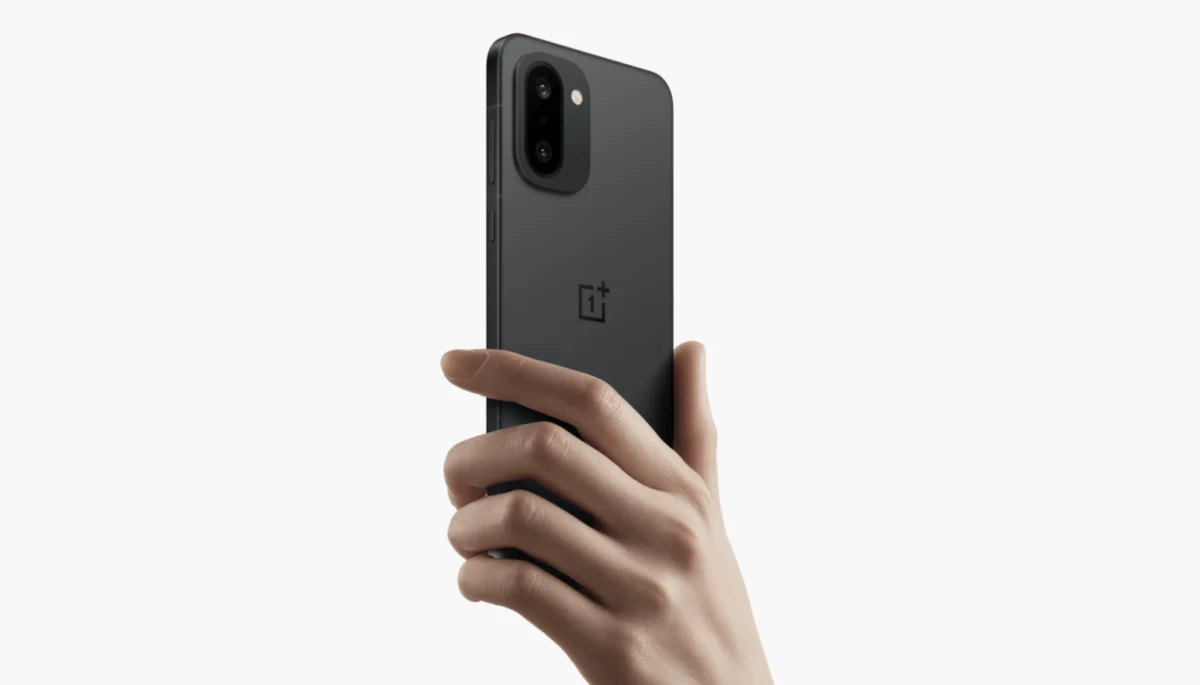
The OnePlus 15R is the most expensive device in this category, priced at $699. It bridges the gap between the midrange and the flagship, offering the Snapdragon 8 Gen 5 chipset—the most powerful processor currently available in this price bracket. This makes the 15R the definitive choice for mobile gamers on a budget. The 6.8-inch display supports a 165Hz refresh rate, providing a level of responsiveness that is rare outside of dedicated gaming phones.
The trade-offs for the OnePlus 15R are found in its connectivity and camera hardware. The device lacks support for mmWave 5G, which may affect data speeds for certain users on specific urban carriers. Additionally, while the main camera sensor is capable, the secondary lenses do not offer the same level of detail or color accuracy as the Pixel 10a or iPhone 17e. For users who prioritize speed and screen quality above all else, the 15R is a compelling high-end option within the budget sector.
The Impact of RAMageddon on the Best Budget Smartphones of 2026
The "RAMageddon" phenomenon has fundamentally altered the development cycles of these devices. With the cost of 8GB and 12GB RAM modules soaring, manufacturers have had to get creative with "virtual RAM" and aggressive background task management. This has led to a greater emphasis on software efficiency. For the consumer, this means that the best budget smartphones of 2026 so far are more dependent on software updates than ever before to maintain their performance levels.

Industry analysts suggest that the current price stability of these budget models may not last through the end of the year. As component stocks dwindle, there is a possibility that the "midrange" may shift upward toward the $800 mark. This makes the current crop of devices particularly valuable for those looking to lock in a deal before further market corrections occur.
Software Longevity and Consumer Value
A critical factor in the 2026 budget market is the commitment to long-term software support. Google and Samsung have both promised up to six years of security updates for their midrange devices, a move that significantly increases the total value proposition of the Pixel 10a and Galaxy A57. Apple continues to lead in this area, with the iPhone 17e expected to receive iOS updates well into the 2030s.
This focus on longevity has changed the way consumers evaluate the "best" phone. It is no longer just about the megapixel count or the screen size; it is about how long the device will remain secure and compatible with new applications. The current selection of budget smartphones reflects a mature industry where even the most affordable options are built to last, provided the user is willing to accept a few strategic compromises in camera technology or premium materials.
As the year progresses, the competition in the budget sector is expected to intensify. With more consumers opting for refurbished flagships or high-quality midrange devices, the pressure on manufacturers to innovate at the $500 price point has never been higher. The best budget smartphones of 2026 so far have set a high bar for performance, proving that even in an era of rising costs, quality mobile technology remains accessible to the general public.