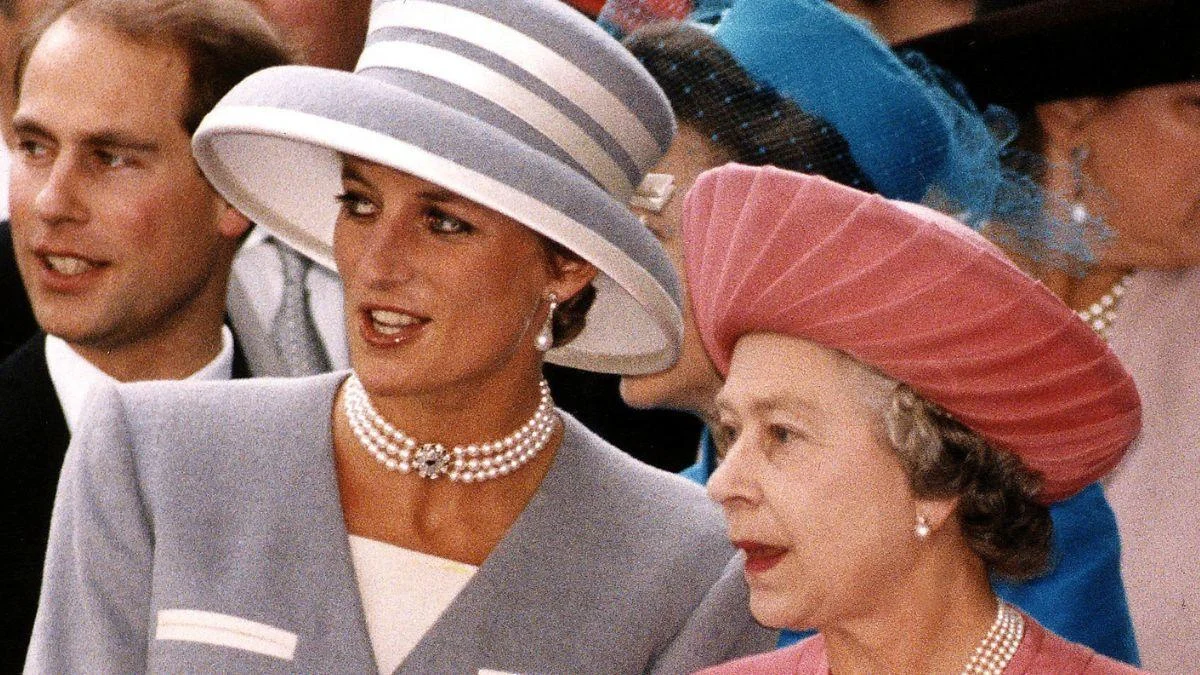
Unconfirmed reports circulating on what would have been Princess Diana’s 65th birthday suggest that Queen Elizabeth II, in her final days, harbored significant regrets regarding her treatment of the late Princess of Wales. These revelations, if true, offer a poignant glimpse into the complex and often strained relationship between the monarch and her former daughter-in-law, a dynamic that profoundly shaped the public perception of the British Royal Family for decades. The alleged confession reignites public discussion about the personal toll of royal life and the private burdens carried by its most prominent figures.
A Royal Union Under Intense Scrutiny
Princess Diana, born Diana Spencer, entered the global spotlight with her engagement to Prince Charles in 1981, instantly becoming a figure of immense public fascination. Her wedding to the heir apparent was a worldwide spectacle, cementing her status as a modern fairytale princess. However, behind the dazzling facade, Diana quickly found the pressures of royal life overwhelming. The rigid protocols, intense media scrutiny, and the inherent loneliness of her position began to take their toll, contributing to a marriage that was increasingly fraught with difficulties.
The public, initially captivated by Diana’s charm and apparent innocence, soon became aware of the growing chasm between her and the Royal Family. Stories of her struggles, her bulimia, and the infidelity within her marriage began to surface, further complicating her relationship with the monarchy and with Queen Elizabeth herself. While Diana sought to modernize the institution through her empathetic approach to charity work and her direct engagement with the public, this often clashed with the Queen’s traditional, stoic approach to royal duty.
The Tragic Loss and Public Outcry
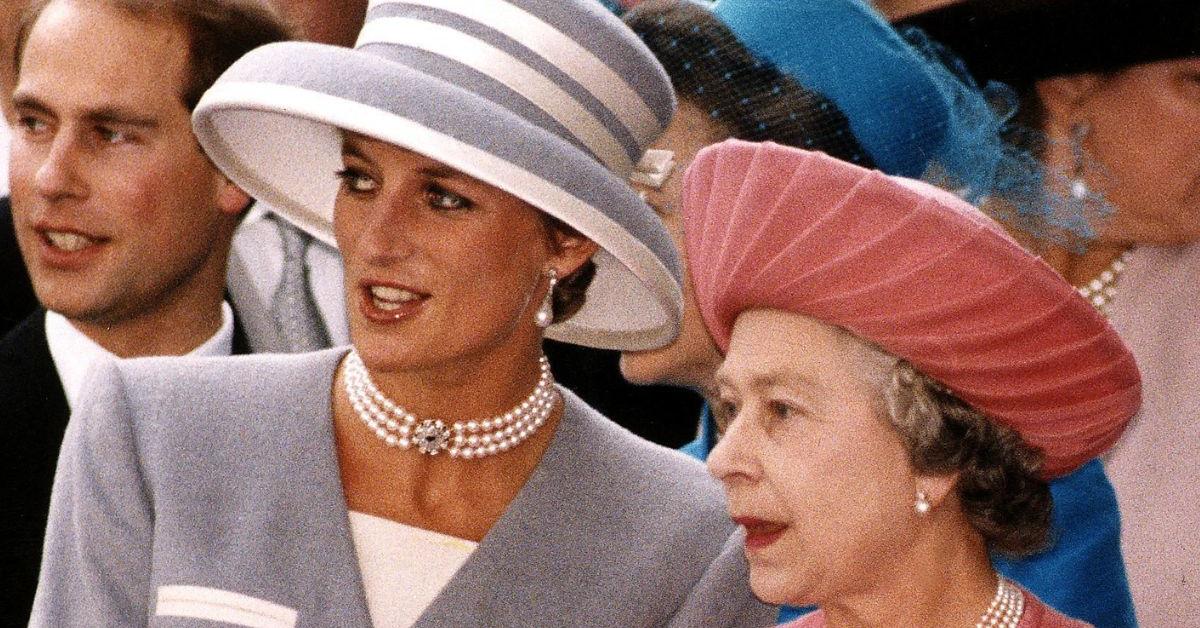
The world was plunged into shock and grief following Princess Diana’s death in a car crash in Paris on August 31, 1997. The outpouring of public emotion was unprecedented, transforming the streets of London into a sea of floral tributes. However, the initial response from Buckingham Palace was widely perceived as cold and detached. Queen Elizabeth remained at Balmoral Castle with Princes William and Harry, and the Royal Standard, which flies only when the monarch is in residence, was not lowered to half-mast. This adherence to protocol, interpreted by many as a lack of empathy, sparked a furious backlash from a grieving nation.
The public’s anger mounted with each passing day of perceived royal silence. Newspapers and television channels broadcast images of ordinary people openly weeping, contrasted sharply with the seemingly impassive monarchy. This period marked one of the most significant crises in public relations for the Royal Family in modern history, challenging the very foundations of their perceived connection with the British people. The institution, typically revered for its stability, suddenly appeared out of touch and uncaring.
The Queen’s Pivotal Televised Address
Amidst mounting pressure and intense media criticism, Queen Elizabeth II finally addressed the nation in a live televised broadcast from Buckingham Palace on September 5, 1997, the day before Diana’s funeral. Dressed in black, her tone was somber and reflective, a marked departure from her usual reserved demeanor. "We have all been trying in our different ways to cope," she began, acknowledging the widespread sorrow. "It is not easy to express a sense of loss, since the initial shock is often succeeded by a mixture of other feelings: disbelief, incomprehension, anger — and concern for those who remain."
In her speech, the Queen paid tribute to Diana, calling her "an exceptional and gifted human being." She continued, "In good times and bad, she never lost her capacity to smile and laugh, nor to inspire others with her warmth and kindness. I admired and respected her." This public statement was a crucial turning point, signaling a shift in the monarchy’s approach and an acknowledgment of the public’s profound grief. While it went some way to assuage public anger, many still felt it came too late, solidifying the public’s belief in a deeply "rocky relationship" between the two women, especially as Diana’s tumultuous marriage to the then-Prince Charles had already dissolved.
The Enduring Narrative of a Strained Relationship
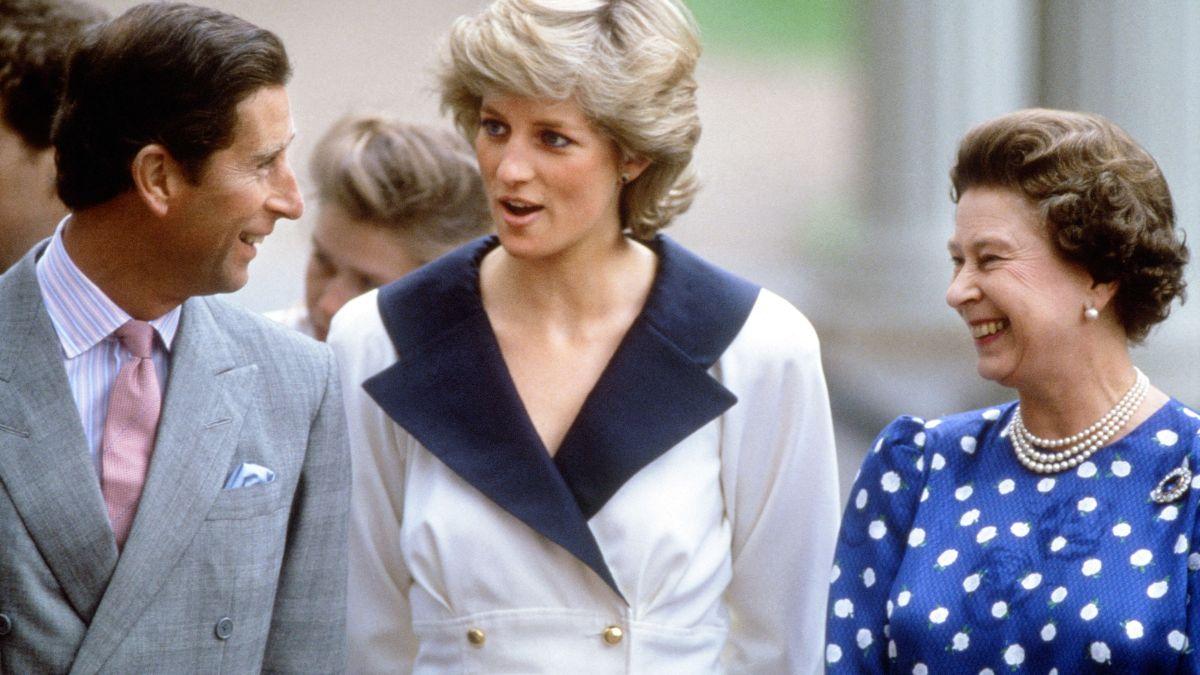
The narrative of a difficult relationship between Queen Elizabeth and Princess Diana persisted long after Diana’s death. Accounts from royal biographers and close confidantes frequently depicted a chasm of understanding between the traditional monarch and the more emotionally open, unconventional princess. Diana often felt isolated within the royal establishment, struggling with its rigid customs and the perceived lack of support from her in-laws. Her candid 1995 "Panorama" interview, in which she spoke openly about her struggles and the infidelities in her marriage, further strained her ties with the Palace.
A particularly poignant symbol of this strain was the loss of her "Her Royal Highness" (HRH) title after her divorce from Prince Charles in 1996. While she remained the Princess of Wales and mother to future kings, the removal of the HRH style was seen by many as a deliberate demotion, a final severing of her formal ties to the inner circle of the Royal Family. This act, whether intended as standard protocol or a punitive measure, underscored the institutional distance that had grown between Diana and the Queen.
The Alleged Deathbed Confession and Royal Regret
The recent unconfirmed reports of Queen Elizabeth’s Deathbed Confession About Princess Diana introduce a new layer of complexity to this historical narrative. While specific details of the alleged confession remain undisclosed, the very notion suggests a private reckoning, a moment of profound reflection on a relationship that was publicly scrutinized and often misunderstood. Such a confession would imply that the Queen, known for her steadfast public persona, privately grappled with the implications of her actions and the monarchy’s stance during Diana’s lifetime and after her death.
This rumored admission aligns with a broader understanding of how the Royal Family has evolved since Diana’s passing. The institution, under Queen Elizabeth’s continued reign, made conscious efforts to appear more accessible, empathetic, and attuned to public sentiment. This shift, largely attributed to the lessons learned from the intense public reaction to Diana’s death, saw the monarchy engaging more directly with emotional issues and adapting its public presentation. A private expression of regret from the monarch would symbolize the personal journey behind this institutional transformation.
Diana’s Lasting Impact and the Monarchy’s Evolution
Princess Diana’s legacy as the "People’s Princess" remains potent. Her pioneering work in raising awareness for AIDS, landmines, and homelessness, coupled with her genuine warmth and ability to connect with individuals, redefined the role of a modern royal. Her sons, Princes William and Harry, have often spoken of their mother’s influence, continuing her charitable endeavors and adopting a more open and compassionate approach to their public duties, particularly in areas of mental health advocacy.
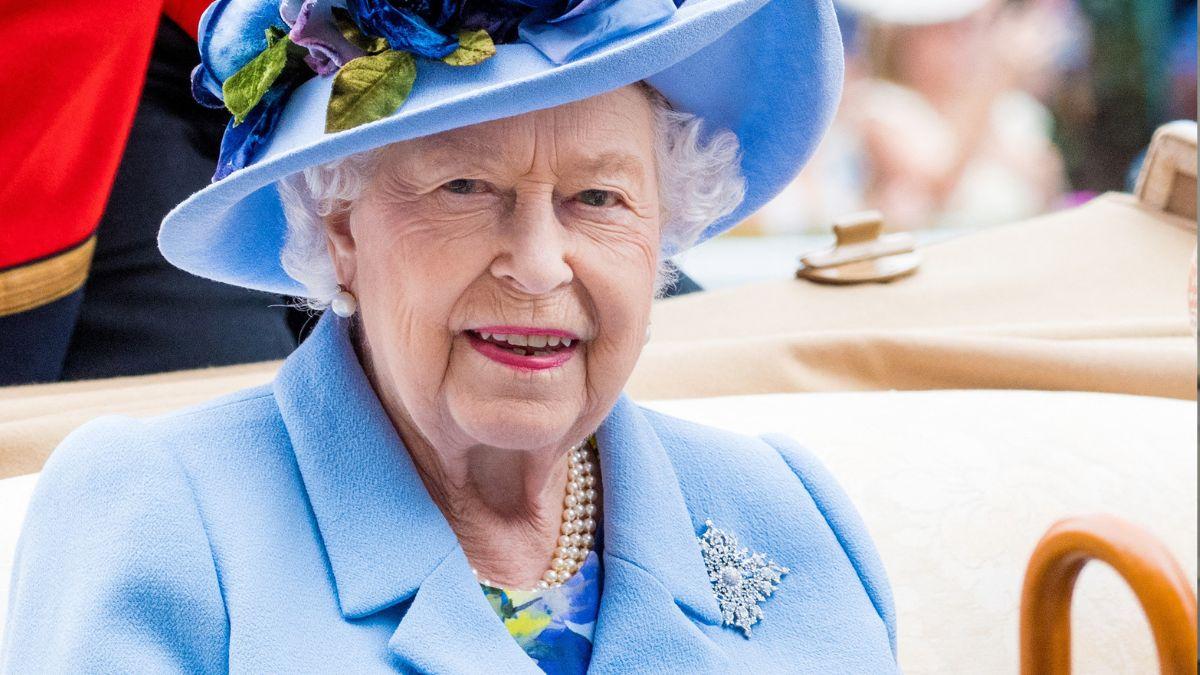
The monarchy’s survival and continued relevance in the 21st century have undoubtedly been shaped by the seismic events surrounding Diana’s life and death. The public’s demand for a more humanized Royal Family, capable of expressing emotion and connecting on a personal level, has profoundly altered how the institution operates. Anniversaries like Diana’s 65th birthday serve as potent reminders of her enduring influence and continue to spark discussions about the past, present, and future of the British monarchy, especially when accompanied by new, albeit unconfirmed, revelations about Queen Elizabeth’s Deathbed Confession About Princess Diana.
A Moment of Reflection on a Tragic Royal’s Birthday
As the world marks what would have been Princess Diana’s 65th birthday, the resurfacing of reports about Queen Elizabeth’s alleged deathbed confession offers a compelling, if unverified, coda to one of the most enduring royal sagas. It underscores the profound and often painful human stories that exist beneath the ceremonial grandeur of the monarchy. These narratives continue to captivate the public, prompting reflection on the personal sacrifices, the public expectations, and the private regrets that define royal lives. Diana’s impact on the Royal Family and global culture remains undeniable, her memory continuing to shape perceptions and inspire dialogue about empathy, duty, and the human heart within the gilded cage of royalty.