The current midterm campaign season is grappling with an insidious new challenge: political advertisements crafted with artificial intelligence that are so convincingly real they are prompting voters to question the authenticity of what they see and hear. These sophisticated AI campaign ads are circulating across social media platforms and traditional airwaves, exploiting a glaring absence of consistent national regulations designed to govern their use and disclosure. The rapid advancement of generative AI technology has blurred the lines between genuine political messaging and fabricated content, creating a fertile ground for misinformation and eroding public trust in the electoral process.
The Proliferation of Synthetic Political Content
The emergence of hyper-realistic AI-generated content marks a significant escalation in political campaigning. While campaigns have long utilized various forms of media manipulation, from selective editing to misleading narratives, AI introduces an unprecedented level of verisimilitude. The technology can generate synthetic video and audio that perfectly mimic real individuals, making it increasingly difficult for the average viewer to distinguish between actual footage and deepfakes. This development places a substantial burden on voters, who must now approach all digital political content with a heightened degree of skepticism, a task for which many are ill-equipped.
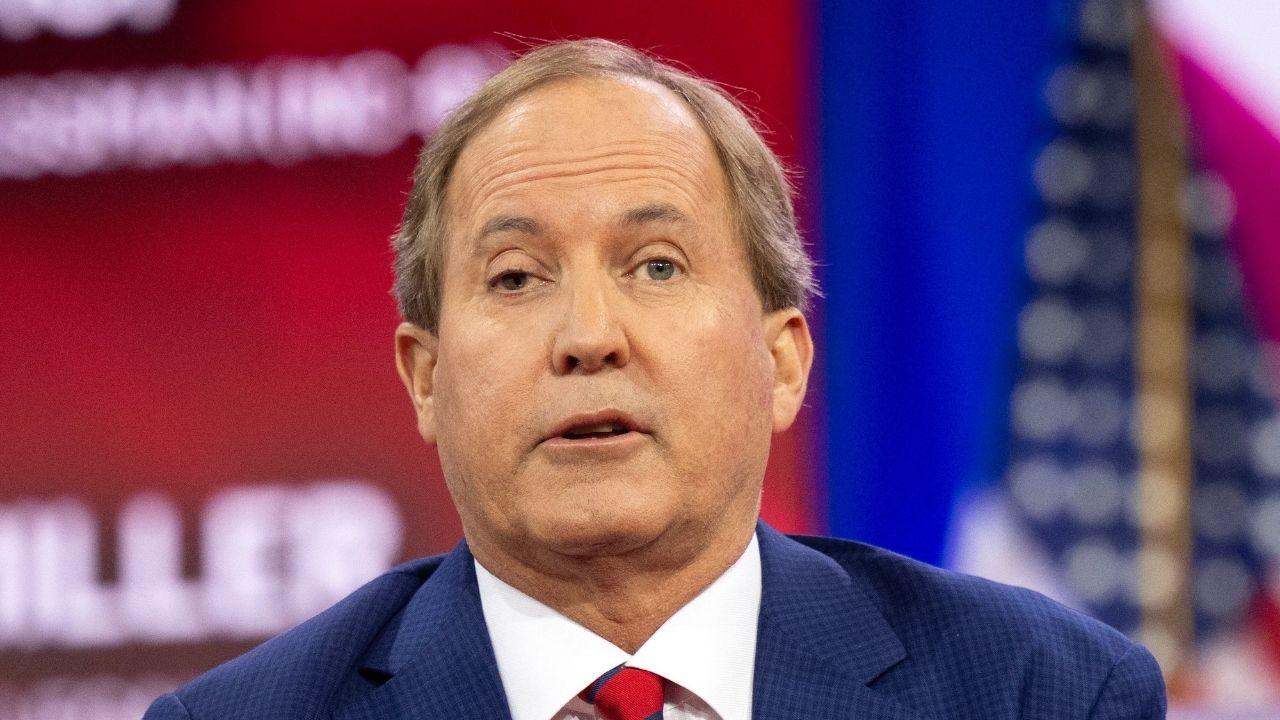
One stark illustration of this new reality came from the campaign of U.S. Senate nominee Ken Paxton of Texas. His team disseminated an advertisement featuring an AI-generated rendition of his Democratic rival, James Talarico. The ad presented a synthetic Talarico delivering repackaged versions of past remarks related to sensitive topics such as biological s– and religious beliefs. While the ad drew from actual comments Talarico had previously made, it subtly altered some wording and presented the material through a digitally created avatar, effectively putting words into a fabricated mouth. This tactic leverages existing soundbites to create a new, potentially misleading narrative, demonstrating how AI can be used not just to invent but to distort.
Erosion of Trust: A Threat to Democratic Integrity
The implications of such sophisticated digital manipulation extend far beyond individual campaigns. The widespread use of AI campaign ads poses a fundamental threat to the integrity of democratic processes and the bedrock of voter trust. If citizens cannot rely on their senses to discern genuine political statements from fabricated ones, the very basis of informed decision-making in elections begins to crumble. This phenomenon contributes to a broader climate of information overload and pervasive doubt, making it challenging for voters to differentiate credible sources from those designed to mislead.
Moreover, the rise of deepfakes and AI-generated content introduces what experts term the "liar’s dividend." In an environment where anything can be dismissed as a deepfake, even authentic and damaging information about political figures can be falsely discredited by simply claiming it’s AI-generated. This creates a dangerous feedback loop where truth becomes relative, and accountability for genuine actions or statements can be easily evaded. The long-term impact on public discourse could be profound, fostering widespread cynicism and potentially leading to voter disengagement as citizens grow weary of navigating a perpetually uncertain information landscape.

Navigating the Digital Minefield: Expert Guidance for Voters
In response to this escalating threat, experts in digital risk management are urging extreme caution. Mykolas Rambus, CEO of AI digital risk management company Hush, offers a crucial directive: "Don’t trust your eyes. Verify the source." He explains that the traditional "tells" of manipulated media, such as unnatural blinking, distorted hands, or robotic voices, have largely been eliminated by advanced AI technology. Consequently, relying on visual cues alone is no longer a viable strategy for detecting synthetic content.
Rambus advises voters to actively verify the provenance of any shocking or unusual political content. This involves cross-referencing information with multiple reputable news organizations known for their journalistic integrity, checking official campaign websites for original statements, and actively seeking out unedited, full-length footage rather than relying on short clips. The goal is to establish independent corroboration before accepting any contentious claims presented in a digital format.
The Emotional Trap: How AI Exploits Human Psychology

A significant element of AI’s effectiveness in political messaging lies in its ability to trigger strong emotional responses. Rambus warns, "The stronger your emotions, the more careful you should be." He elaborates that if a video clip or audio snippet elicits immediate anger, excitement, or a strong urge to share, there is a high probability it has been specifically engineered using AI. This "emotional trap" is a deliberate design feature of AI-manipulated content, crafted to bypass critical thinking and exploit human psychological vulnerabilities.
"That emotional reaction is exactly what makes AI manipulated content so effective because it’s designed to push your buttons," Rambus states. He cautions voters to be "especially wary of short, sensational clips," which are often precisely the kind of content optimized for viral spread and maximum emotional impact. Understanding this psychological manipulation is key for voters to resist the immediate impulse to believe and share, instead pausing to verify the information presented.
A Patchwork of Regulations and the Call for Unified Action
The current regulatory landscape governing AI campaign ads is fragmented and inadequate, creating a complex environment for campaigns, social media platforms, and voters alike. While many individual states have enacted laws requiring disclosures for potentially deceptive AI-generated advertisements, these regulations often include carveouts for satirical content. This loophole complicates enforcement and creates inconsistencies in how such ads are treated depending on where they appear and how they are labeled.
The case of reality TV personality Spencer Pratt, who ran an unsuccessful campaign for Los Angeles mayor using more obviously cartoonish AI ads, illustrates the ambiguity. Because his ads were clearly satirical and overtly unrealistic, they often fell outside the scope of stricter disclosure requirements. However, the distinction between satire and deceptive manipulation can be subjective, making it difficult for platforms and regulators to draw clear lines, particularly when AI sophistication makes even subtle alterations highly convincing.
The absence of a cohesive national framework leaves campaigns, technology platforms, and voters navigating a confusing array of different standards. This regulatory vacuum allows sophisticated AI-driven misinformation campaigns to exploit loopholes and spread widely before meaningful intervention can occur. Advocacy groups and lawmakers are increasingly pushing for comprehensive federal legislation that would mandate clear, prominent disclosures for all AI-generated political content, regardless of its perceived intent or platform.
The Peril of Amplification: "Don’t Make a Fake Famous"
Another critical aspect of combating AI-driven misinformation, as highlighted by Rambus, is the danger of inadvertently amplifying false content, even when attempting to debunk it. "Don’t make a fake famous," he warns. He explains that merely labeling something as "fake" while simultaneously showcasing it to millions of additional people often has the counterproductive effect of spreading the misinformation further. This occurs because readers and viewers may miss or distrust the "fake" label, or the sheer exposure to the content, regardless of its truthfulness, contributes to its perceived prominence.

This challenge underscores the responsibility of individual users in curating their information consumption and sharing habits. It also places a significant burden on social media platforms to develop more effective mechanisms for not just labeling but actively de-prioritizing and containing the spread of AI-generated misinformation. A multi-pronged approach is essential, combining technological solutions for detection, robust regulatory frameworks, and sustained public education on media literacy.
The Road Ahead: Safeguarding Election Integrity in the AI Era
The rise of AI campaign ads represents a profound shift in the dynamics of political communication, presenting unprecedented challenges to election integrity and voter trust. The sophisticated nature of modern AI means that the fight against misinformation is no longer just about identifying doctored images or misquoted soundbites; it’s about discerning entirely fabricated realities. The ongoing struggle to safeguard the democratic process in this new AI era will require continuous vigilance from voters, coupled with proactive measures from policymakers and technology companies.
Developing and implementing effective AI detection tools, exploring digital watermarking technologies for authentic content, and fostering greater accountability for political campaigns are all critical steps. However, at its core, the defense against AI-driven deception relies on an educated and critically-minded electorate. Empowering citizens with the tools and knowledge to question, verify, and resist emotional manipulation will be paramount in ensuring that future elections remain a true reflection of the public will, rather than a battleground for synthetic realities.