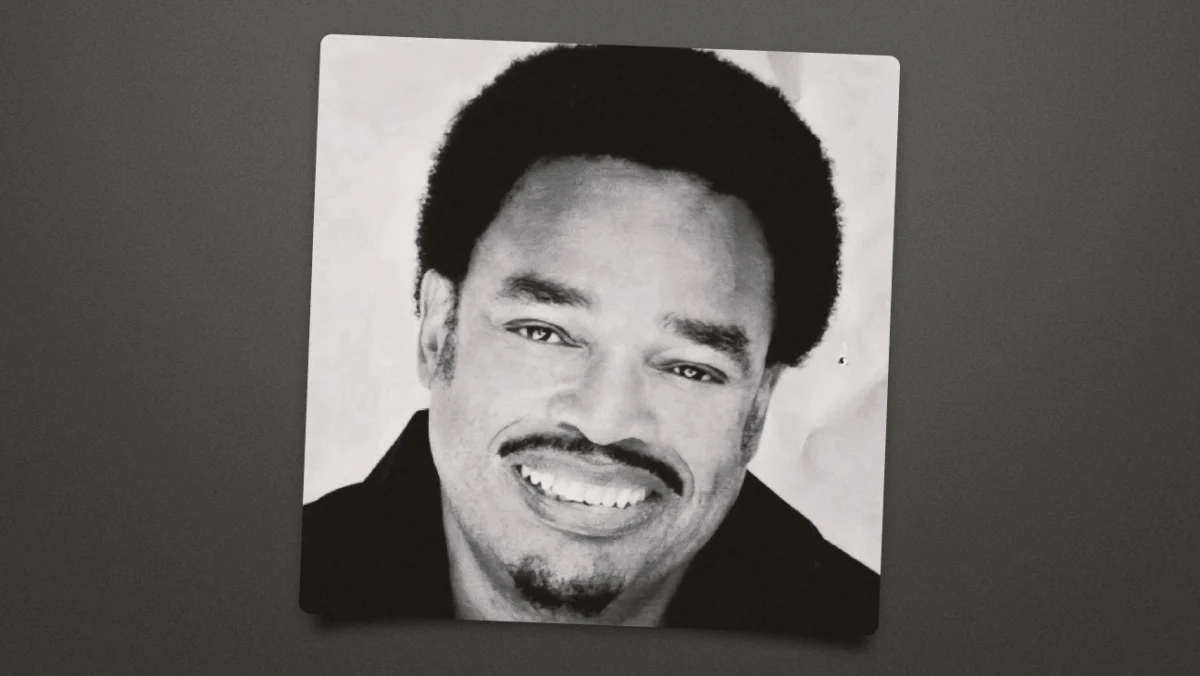
James "Jim" Gilstrap, a renowned vocalist whose powerful and versatile voice graced some of the most iconic recordings of the 1970s, including the memorable theme song for the television series Good Times and foundational lines in Stevie Wonder’s Grammy-winning "You Are the Sunshine of My Life," has passed away at the age of 79. Gilstrap died Saturday from natural causes, according to his nephew and family spokesperson, Geoffrey "Geoff Gil" Gilstrap. His death marks the end of an illustrious career that saw him contribute significantly to the soundscape of popular music, often as an unsung hero behind some of the era’s biggest stars.
Born on November 10, 1946, Jim Gilstrap emerged from a large family, being the last surviving member of ten siblings. His early life and musical development laid the groundwork for a career defined by vocal dexterity and an innate ability to infuse soul and emotion into diverse musical styles. While specific details of his formative years remain less documented than his later professional achievements, his contributions to gospel-tinged compositions like the Good Times theme suggest a deep-rooted understanding of Black American musical traditions. This foundation allowed him to navigate the complex demands of session work, where he would lend his voice to countless artists across various genres.
Gilstrap’s career trajectory saw him rise to prominence through collaborations with musical titans. One of his earliest and most impactful roles was as a featured vocalist with Stevie Wonder’s ensemble, Wonderlove. This partnership placed Gilstrap at the heart of one of music’s most fertile creative periods, directly contributing to albums that would redefine soul and R&B. His vocal presence on Wonder’s 1972 masterpiece Talking Book is particularly notable, specifically on the seminal track "You Are the Sunshine of My Life."
On "You Are the Sunshine of My Life," Gilstrap delivered the opening two lines, "You are the sunshine of my life/That’s why I’ll always be around," setting an intimate and heartfelt tone for the beloved ballad. Following his contribution, singer Lani Groves sang the subsequent two lines, "You are the apple of my eye/Forever you’ll stay in my heart," before Stevie Wonder himself took over lead vocals, with both Gilstrap and Groves continuing as backup singers. This collaborative vocal arrangement became a signature element of the song, which not only became a global hit but also earned Wonder the Grammy Award for Best Male Pop Vocal Performance, solidifying its place in music history. Gilstrap’s contributions extended beyond this single track, as he also lent his voice to other groundbreaking Wonder albums, including Innervisions, released in 1973, which further cemented Wonder’s critical and commercial dominance.
Beyond his association with Stevie Wonder, Gilstrap’s voice became synonymous with one of the most culturally significant television shows of the 1970s: Good Times. The series, which aired from 1974 to 1979, was groundbreaking as one of the first sitcoms to portray an African American family, navigating the challenges of urban life with resilience and humor. The show’s theme song, co-sung by Gilstrap with Blinky Williams, became an instant classic, capturing the essence of the series with its uplifting message and infectious melody.
The catchy, gospel-infused tune, with its instantly recognizable lyrics like "Keepin’ your head above water/Making a wave when you can," was composed by veteran musician Dave Grusin, with poignant lyrics penned by the celebrated husband-and-wife team Alan and Marilyn Bergman. The theme song for Good Times perfectly encapsulated the show’s spirit of perseverance and community, becoming a cultural touchstone that resonated deeply with audiences. Gilstrap’s soulful delivery imbued the lyrics with an authenticity that made the theme more than just an opening jingle; it was an anthem of hope for millions.
In 1975, Jim Gilstrap embarked on a solo venture, signing a recording contract with Chelsea Records. This period saw him release the single "Swing Your Daddy," which achieved notable commercial success, particularly in the United Kingdom where it reached No. 4 on the U.K. Singles Chart. The track also performed well domestically, climbing to No. 10 on the U.S. Billboard Black Singles chart, and peaked at No. 64 in Australia. His solo career continued with the release of the album Love Talk in 1976, showcasing his capabilities as a lead artist beyond his renowned session work.
However, it was his prolific career as a session vocalist that truly cemented Gilstrap’s legacy within the music industry. His versatility and distinctive vocal texture made him highly sought after by a pantheon of music legends across various genres. Throughout his extensive career, Gilstrap collaborated with an astonishing roster of artists, including Quincy Jones, Michael Jackson and The Jacksons, Aretha Franklin, Anita Baker, Whitney Houston, James Ingram, George Benson, Bill Withers, Gladys Knight, Luther Vandross, Patti LaBelle, Kenny Loggins, Dolly Parton, Teddy Pendergrass, Stanley Clarke, and Boz Scaggs, among many others.
This remarkable list underscores the breadth of his influence and the trust placed in his vocal talents by some of music’s most discerning producers and performers. Gilstrap’s ability to seamlessly adapt his voice to fit the stylistic nuances of R&B, pop, soul, and even country music made him an invaluable asset in the studio. He was one of the many unsung heroes whose contributions, while often not front-and-center, were critical in shaping the sound and success of countless hit records. His work exemplified the crucial role of session musicians in the golden age of studio recording, providing the texture, harmony, and emotional depth that elevated tracks to iconic status.
Reflecting on his profound impact, Gilstrap’s nephew, Geoffrey Gilstrap, stated, "Jim was one of the most respected session vocalists of his generation, bringing his powerful and soulful voice to countless recordings that helped define the sound of popular music." This sentiment resonates deeply within the music community, acknowledging Gilstrap as a foundational figure whose vocal artistry enriched the tapestry of American music. His ability to convey profound emotion, whether through a soaring lead or a nuanced background harmony, left an indelible mark on the sonic landscape of the 20th century.
Jim Gilstrap is survived by his wife, Gloria, and his children. His passing represents the loss of a voice that, while often in the background, was instrumental in bringing to life some of the most cherished melodies and lyrical expressions in modern music. From the opening notes of a beloved television theme to the soulful foundations of a Grammy-winning ballad, Gilstrap’s contributions will continue to resonate, reminding listeners of the profound power of a truly gifted vocalist. His legacy lives on through the enduring popularity of the songs he helped create, ensuring that his voice will continue to be heard by generations to come.