The 2026 FIFA World Cup Final concluded with a historic halftime show, marking a significant evolution in the tournament’s entertainment offerings, and numerous noteworthy moments may have escaped viewers’ attention amidst the on-field drama.
A Spectacle Beyond the Scoreboard
Sunday, July 19th, 2026, dawned with a picturesque clarity over New York City, a welcome respite after a preceding day marred by wildfire smoke and localized flooding. This pristine weather provided a perfect backdrop for the global event that captivated billions: the 2026 World Cup Final. The air, thick with anticipation, buzzed with the fervor of fans converging on Penn Station, preparing for their journey to the New York-New Jersey stadium.
The final itself was a historic encounter, pitting Spain against Argentina in the first all-Spanish-language final since the inaugural 1930 tournament. The iconic chant of "Vamos!" echoed through the city as supporters made their way to the venue. Argentinian fans, clad in a sea of Lionel Messi jerseys, filled the transit hubs with joyous singing, a stark contrast to the Spanish supporters, whose allegiance was predominantly represented by the name and number of their prodigious 19-year-old talent, Lamine Yamal, often hailed as a successor to Messi at Barcelona.
The journey to the stadium, despite earlier concerns about overcrowding and logistical challenges, proved to be a relatively smooth experience for most attendees. However, the media credentialing process presented a significant hurdle, leaving many journalists stranded outside the stadium for hours in the early afternoon. Despite these initial difficulties, those who managed to gain access witnessed the closing ceremonies, which featured a performance by Post Malone. He concluded his set with a collaboration with Swae Lee on their hit single "Sunflower," before the stadium settled into a palpable pre-match tension leading up to kickoff.
The Inaugural World Cup Halftime Extravaganza
This 2026 World Cup Final transcended the traditional sporting event, ushering in a new era with its first-ever halftime performance, a concept now synonymous with major sporting spectacles like the Super Bowl. The meticulously curated 11-minute set featured an unprecedented lineup of global music superstars. Headlining acts included the legendary Madonna, the K-pop sensation BTS, the Latin music icon Shakira, Nigerian Afrobeats artist Burna Boy, the British rock band Coldplay, and pop superstar Justin Bieber, among others. This ambitious display aimed to merge the thrill of elite football with the dynamism of contemporary music, creating an unforgettable experience for a global audience.
Moments You Might Have Missed
1. The Topps Final Halftime Show: A Global Collaboration
The centerpiece of the day’s entertainment was the Topps Final Halftime Show, a groundbreaking production that brought together an eclectic mix of musical titans. While the broadcast focused on the main stage performances, the sheer logistical feat of coordinating such a diverse group of artists in a brief timeframe was remarkable. This segment was not just about individual performances but a testament to the global reach and collaborative spirit of modern music.
2. Iconic Duets and Surprise Appearances
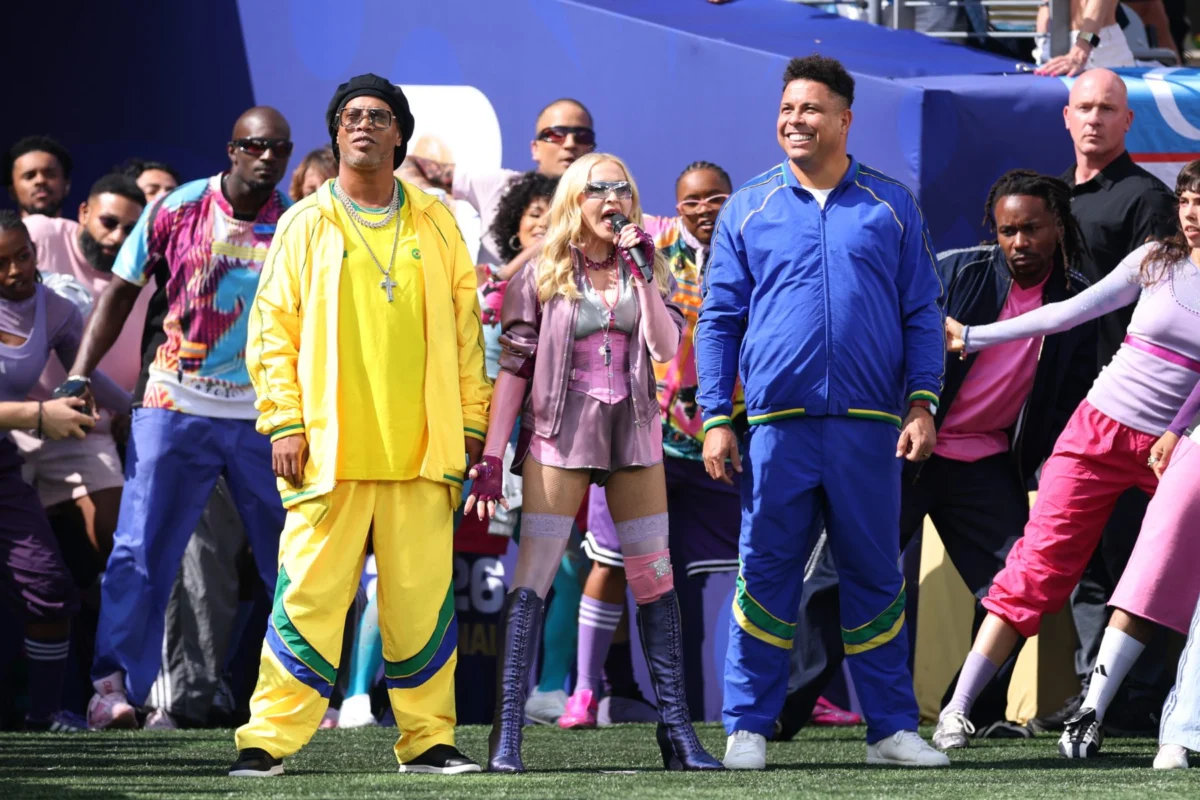
Beyond the individual sets, the halftime show was replete with memorable collaborations. Reports from inside the stadium indicated that the performance by Brazilian football legend Ronaldinho alongside Madonna was a particular highlight, blending sporting iconography with musical artistry. Another unexpected moment involved the legendary Brazilian striker Ronaldo joining forces with BTS for a segment that electrified the crowd, fusing football and K-pop in a way never before seen.
3. A Fusion of Football Legends and Music Icons
The halftime show wasn’t solely the domain of musicians. Football royalty made significant appearances, further blurring the lines between sport and entertainment. The presence of players like Ronaldinho and Ronaldo alongside global music stars underscored the World Cup’s evolution into a cultural phenomenon that transcends athletic competition. These appearances were strategically designed to resonate with a broad demographic, maximizing the event’s appeal.
4. The Debut of a New World Cup Anthem
Amidst the star-studded performances, a new official World Cup anthem, co-written by Coldplay and Burna Boy, made its debut. The track, characterized by its infectious rhythm and uplifting lyrics, was performed by the artists collectively. This new anthem is expected to become a staple for future FIFA events, aiming to capture the spirit of unity and celebration that defines the World Cup.
5. Innovative Stage Design and Visual Spectacle
The halftime show’s production values were on par with any major global concert. Advanced holographic technology and dynamic pyrotechnics were employed to create a visually stunning experience. The stage itself transformed multiple times during the set, adapting to each artist’s performance style, from intimate acoustic moments to grand, energetic displays. These visual elements added a layer of depth and spectacle that may not have been fully appreciated on a standard television broadcast.
6. A Tribute to Global Diversity
The selection of artists for the halftime show was a deliberate nod to the World Cup’s global reach. Featuring artists from North America, South America, Europe, and Africa, the lineup represented a rich tapestry of musical genres and cultural backgrounds. This inclusive approach aimed to celebrate the diverse fan base of the World Cup and foster a sense of universal connection through music.
7. The Behind-the-Scenes Choreography
The seamless transitions between artists and the synchronized choreography were a marvel of production planning. Coordinating the movements of dozens of dancers, musicians, and performers, all within a tight 11-minute window, required meticulous attention to detail. The precision involved in switching stage elements and ensuring each artist had their moment was a testament to the technical expertise of the production team.
8. A Post-Performance Stadium Buzz
Following the final whistle of the halftime show, the energy within the stadium remained exceptionally high. Fans were not just discussing the football match but also dissecting the musical performances, with social media buzzing with reactions and highlights. This sustained level of engagement, fueled by the unprecedented entertainment, demonstrated the successful integration of music and sport in the World Cup experience.
Broader Implications of the Halftime Show Innovation
The introduction of a high-profile halftime show at the World Cup Final signifies a strategic shift by FIFA. This move aims to enhance the tournament’s entertainment value, attract a wider audience beyond traditional football enthusiasts, and generate significant commercial opportunities through sponsorships and media rights. The success of this inaugural event is likely to set a precedent for future World Cups, potentially influencing other major sporting events to adopt similar entertainment strategies.
The unprecedented lineup of artists, spanning multiple genres and continents, underscores the increasing globalization of entertainment. It reflects a growing trend in major sporting events to leverage the universal appeal of music to create memorable cultural moments. The integration of football legends into the performance further solidifies the World Cup’s status as a multifaceted global spectacle.
Public Reaction and Future Outlook
Initial public reactions to the halftime show have been overwhelmingly positive, with many praising the bold decision to innovate and the caliber of the performers. Social media platforms were abuzz with praise for the diverse lineup and the seamless execution of the performances. The event successfully generated significant global conversation, extending the World Cup’s reach into entertainment news cycles.
The success of the 2026 World Cup Final’s halftime show is expected to have a lasting impact on how major international sporting events are produced. It sets a new benchmark for entertainment integration, demonstrating the potential for significant synergy between sports and the music industry. As the world looks ahead to future tournaments, the expectation for equally spectacular entertainment offerings will undoubtedly rise, further cementing the World Cup’s status as a premier global cultural event. The blend of athletic prowess and musical artistry proved to be a winning combination, leaving an indelible mark on the history of the beautiful game.