U.S. Central Command confirmed a new wave of aerial bombardments against Iranian military targets on Tuesday night, marking the 11th consecutive day of offensive operations intended to degrade Tehran’s ability to disrupt commercial shipping. The strikes come as a parallel maritime emergency unfolds in the Red Sea, where Houthi rebels in Yemen have initiated a naval blockade against Saudi Arabia, forcing major crude oil carriers to abandon their routes and sparking fresh volatility in global energy markets.
The intensification of the Middle East crisis has shifted from localized skirmishes into a broad regional confrontation involving the world’s most critical chokepoints for trade. On Tuesday, at least two tankers loaded with Saudi Arabian crude oil destined for China and India performed abrupt U-turns in the Red Sea. Shipping data from LSEG and the British maritime risk group Vanguard confirmed that the vessels, which had loaded at the Saudi port of Yanbu, reversed course toward the Suez Canal rather than risk passage through the Bab el-Mandeb strait.

This tactical retreat follows an official declaration by Houthi leadership on Monday, imposing a blockade on Saudi ports in retaliation for what they described as a decade-long economic siege of Yemen. With the Strait of Hormuz already effectively closed due to ongoing hostilities between Washington and Tehran, the Red Sea had served as the primary alternative for millions of barrels of Saudi crude. The disruption of this "western route" through the Yanbu pipeline creates a potential bottleneck that could paralyze a significant portion of the world’s daily oil supply.
US Launches More Strikes on Iran and Targets Command Centers
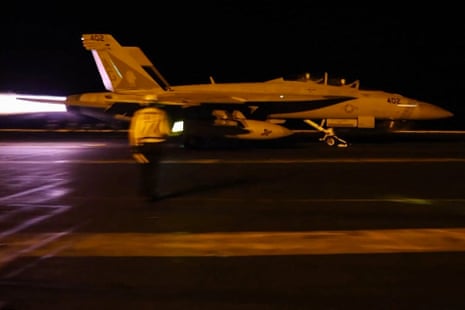
For the 11th night in a row, American fighter jets and naval assets targeted military infrastructure across Iran. U.S. Central Command (CENTCOM) officials stated the missions specifically focused on missile launch sites, drone storage facilities, and command-and-control centers. Iranian state media reported explosions near Tabriz, the provincial capital of East Azerbaijan, as well as air defense activity in multiple sectors of Tehran.
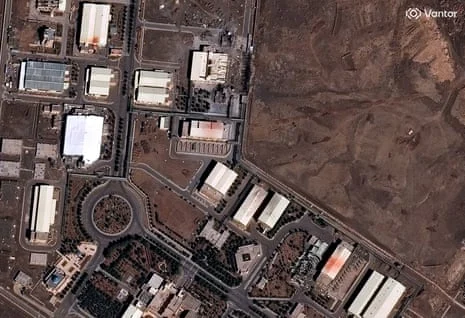
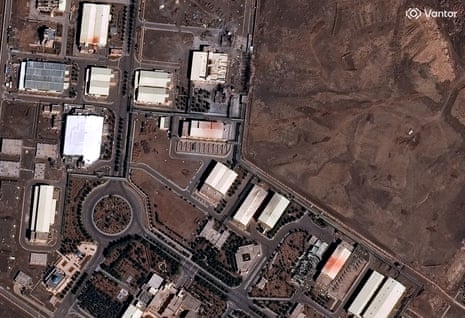
The latest offensive follows a stern warning from the White House regarding Iran’s nuclear ambitions. President Donald Trump indicated that the U.S. military is prepared to strike the "Pickaxe Mountain" area near the Natanz uranium enrichment facility. This site is known to house deeply buried tunnel complexes that Western intelligence agencies believe are designed to withstand conventional bunker-buster munitions. Trump told reporters that the U.S. would be addressing the fortified site "pretty soon," characterizing the current damage to Iran’s infrastructure as so severe that it would take the nation 20 to 25 years to rebuild.
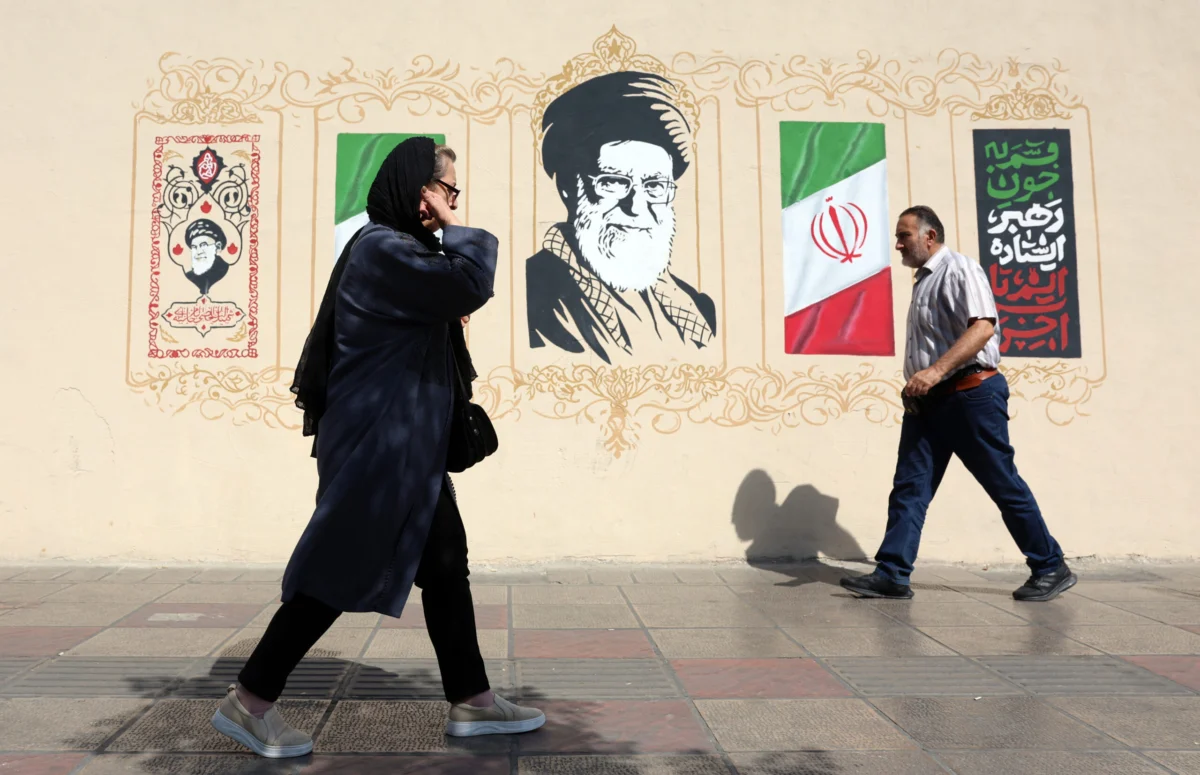
Tehran has responded by elevating its rhetoric, with the Khatam al-Anbiya Central Headquarters declaring that any strike on nuclear or sensitive facilities would be viewed as a declaration of "full-scale war." Iranian military leaders warned that such an escalation would result in "powerful attacks" against U.S. interests and those of its regional allies, including Bahrain, Kuwait, and Jordan.
Houthi Threats and the Escalating Red Sea Blockade
The Houthi movement, which controls the strategic coastline at the mouth of the Red Sea, has expanded its target list to include any commercial vessels utilizing Saudi Arabian ports. This move represents a significant escalation in the Middle East crisis, as it moves beyond targeting Israeli-linked ships to directly challenging the export capacity of the world’s largest oil producer.
British maritime security experts at Vanguard noted that these developments are the first confirmed changes to commercial tanker routing since the Houthi embargo was announced. The "Gate of Tears," or the Bab el-Mandeb strait, is a vital artery through which 12% of global trade passes. If the blockade remains effective, Saudi Arabia may be forced to rely on even more costly and time-consuming logistics, or face a complete halt in exports to Asian markets.
In Washington, President Trump dismissed the notion that the Houthis had successfully closed the strait yet, but he vowed immediate military intervention if they attempted to do so. "If something like that happens, we take care of it," Trump stated during a meeting with Lebanese leaders. Despite the bravado, oil markets reacted with apprehension; Brent crude futures rose by nearly 2% on Tuesday, hovering above the $91 per barrel mark as traders priced in the risk of a prolonged supply disruption.
The Rising Human Cost and Pentagon Funding Battles
The human toll of the conflict continues to mount, creating domestic political pressure in the United States. A U.S. official confirmed to the Associated Press that the number of American service members wounded in the war with Iran has surpassed 500, a figure notably higher than the Pentagon’s official public tally of 482. Officials attributed the discrepancy to a reporting lag in the Defense Casualty Analysis System.
The Pentagon also identified Sgt. Michael Emmanuel Swinton, 30, of Fayetteville, North Carolina, as the soldier killed during a "controlled detonation" of a downed Iranian drone in Erbil, Iraq. While initial reports suggested a combat casualty, subsequent investigations indicate Swinton was struck by flying debris during the disposal of the unmanned aerial system. His death brings the total number of U.S. fatalities since the resumption of hostilities in February to 17.
In Congress, Defense Secretary Pete Hegseth faced intense scrutiny from the Senate Appropriations Committee while defending an $87.6 billion supplemental funding request. Hegseth estimated that the war with Iran has already cost the U.S. Treasury $37.5 billion. Lawmakers expressed concern over the ballooning costs, particularly as the administration seeks a larger $95 billion package to fund broader military priorities and regional stabilization efforts.
Diplomatic Maneuvers and the Lebanon "Pilot Zone"
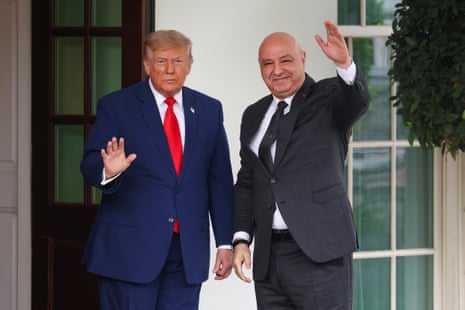
Amid the military escalation, a parallel diplomatic effort is underway to prevent a total regional collapse. President Trump hosted Lebanese President Joseph Aoun at the White House on Tuesday, where he made a surprise announcement that he would allow American airline carriers to resume direct flights to Lebanon for the first time in over 40 years. The route had been suspended since the 1985 hijacking of TWA Flight 847.
Trump pledged to help Lebanon "a lot," describing the country as having been "very badly treated" for decades. President Aoun, however, focused on the security situation, urging the U.S. to maintain its support for the Lebanese Armed Forces (LAF). He warned that without American backing, southern Lebanon could descend into the same "chaos of the 1970s" that preceded the country’s civil war.
The meeting coincided with the first day of a "pilot zone" program in southern Lebanon. Under a U.S.-brokered framework, the Lebanese army began deploying troops to villages like Zawtar al-Gharbiyeh to take charge of security as Israeli forces began a gradual, staggered withdrawal. The plan aims to empower the LAF to oversee the disarmament of Hezbollah, though the militant group has already rejected the proposal, insisting that any domestic security arrangements must be tied to a broader deal between the U.S. and Iran.
Gaza Partition and Regional Retaliation
The Middle East crisis has also seen significant developments on the ground in Gaza. Satellite imagery analyzed by the Associated Press reveals that the Israel Defense Forces (IDF) have completed a 14-mile-long earthen barrier that effectively cuts the Gaza Strip in half. The barrier, which runs from the outskirts of Gaza City to Khan Younis, separates the northern and central sectors of the territory.
The IDF confirmed the construction, describing it as a "security zone" equipped with advanced intelligence and technological assets to prevent infiltration. However, humanitarian organizations warn that the barrier further complicates the delivery of aid and restricts the movement of displaced Palestinians who are currently huddled in massive tent camps in areas like al-Mawasi.
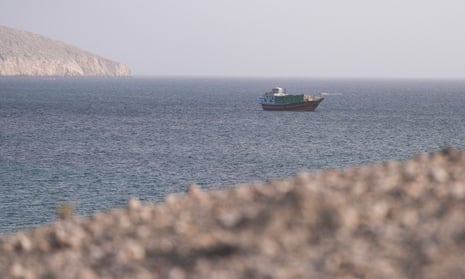
As the U.S. and Israel consolidate their positions, Iran has launched retaliatory strikes against Gulf nations hosting American forces. The Islamic Revolutionary Guard Corps (IRGC) claimed responsibility for drone attacks against the Sheikh Isa airbase in Bahrain and alleged they targeted infrastructure belonging to the U.S. company Amazon in the same country. While Bahraini air defenses intercepted several of these "aerial aggressions," Kuwait’s foreign ministry summoned the Iranian ambassador to protest a tanker attack in the Strait of Hormuz that left several crew members injured.
Global Mediation and Next Steps
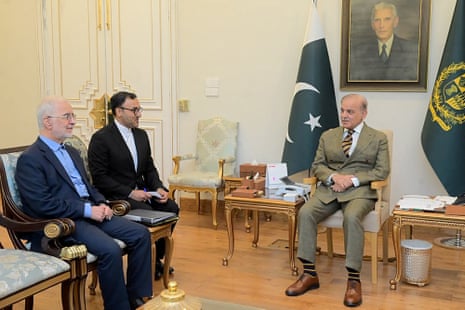
As the conflict enters a more dangerous phase, regional powers are attempting to broker a ceasefire. Iran’s Interior Minister, Eskandar Momeni, traveled to Pakistan on Tuesday for closed-door meetings with Prime Minister Shehbaz Sharif and Army Chief Asim Munir. Pakistan, which played a pivotal role in an interim deal signed last month, is urging all sides to exercise restraint to avoid a total destabilization of the region.
However, the path to peace remains obscured by the internal politics of the combatants. In Tehran, President Masoud Pezeshkian emphasized that Supreme Leader Mojtaba Khamenei continues to guide all national decisions, despite the leader not being seen in public since February. In Israel, far-right Finance Minister Bezalel Smotrich stated that Israel has "no interest" in joining U.S. strikes against Iran, preferring to let Washington handle the direct military confrontation while Israel focuses on its immediate borders.

The confluence of a Houthi naval blockade, a direct U.S.-Iran air war, and the partitioning of Gaza has created a geopolitical environment of unprecedented risk. With oil prices climbing and diplomatic channels struggling to keep pace with the speed of military developments, the Middle East crisis appears far from a resolution. The coming days will likely determine whether the "pilot zone" in Lebanon can hold and if the U.S. will follow through on its threats to target Iran’s most sensitive nuclear assets.