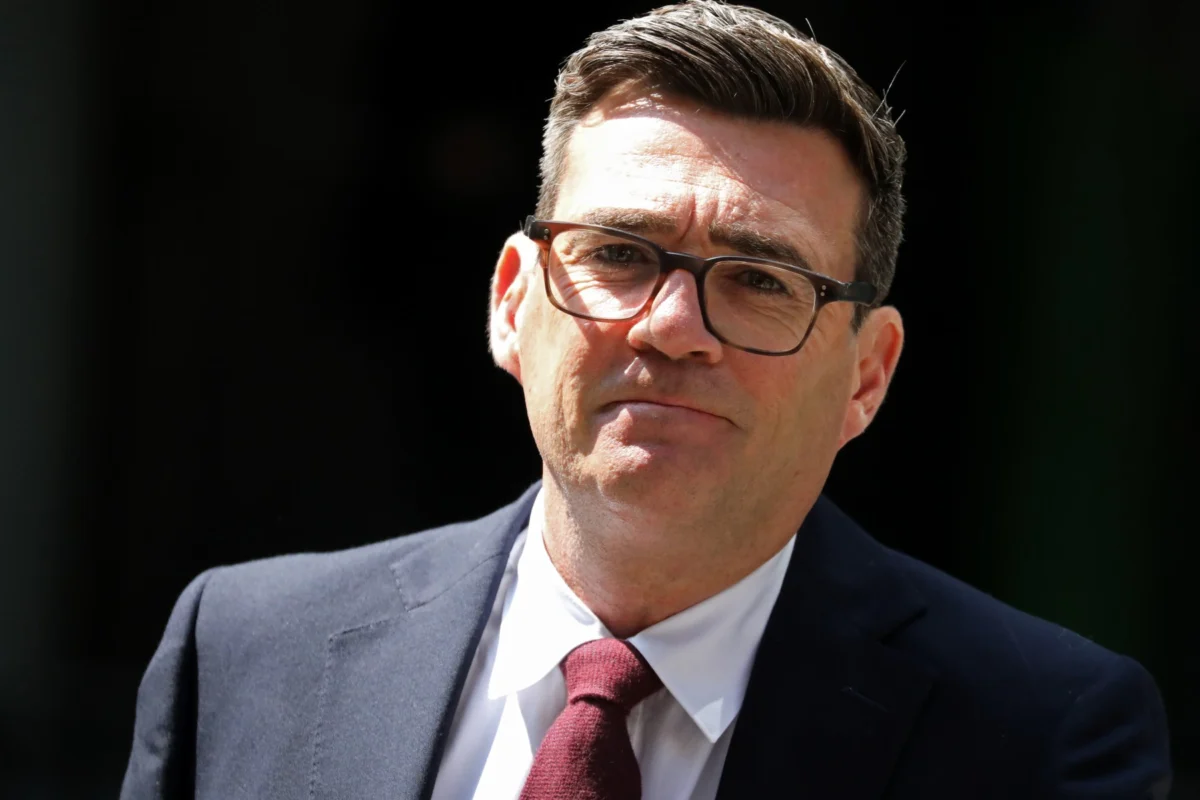
London, UK – In a significant move aimed at bolstering the nation’s vibrant live music sector, newly appointed British Prime Minister Andy Burnham has announced a crucial 20% reduction in business rates for pubs, clubs, and independent music venues across the United Kingdom, set to take effect in April 2027. This tax relief measure represents a substantial victory for the grassroots music scene, which has been grappling with mounting financial pressures and a concerning rate of closures.
The announcement, made on Thursday, July 23, by Prime Minister Burnham, signals a direct response to growing calls from industry advocates and artists alike to protect these vital cultural hubs. Burnham articulated his commitment to preserving these cherished spaces, stating on his X account, "I won’t stand by while these cherished local spaces disappear, replaced by boarded-up windows and ‘For Sale’ signs. They’re the heart of our communities and it’s time we backed them.” This sentiment underscores a broader political recognition of the cultural and economic significance of the grassroots music ecosystem.
Reforming Business Rates for Cultural Preservation
Business rates, a form of property tax levied on non-domestic properties, have long been a point of contention for businesses, particularly those in the hospitality and entertainment sectors. The calculation of these rates is based on a property’s estimated market rental value and location, often resulting in substantial annual outlays for smaller enterprises. The proposed 20% cut aims to alleviate this financial burden, with official estimates from Downing Street suggesting the relief could save individual venues approximately £1,000 annually.
The funding for this tax reduction is slated to come from a review of tax reliefs currently granted to businesses deemed to have a negligible positive impact on local communities, such as certain types of retail outlets like vape shops. This reallocation of resources indicates a strategic shift in government priorities, moving financial support towards sectors identified as critical for community well-being and cultural enrichment.
A Sector on the Brink: The Crisis Facing Grassroots Venues
The timing of this tax cut is particularly pertinent, arriving at a critical juncture for the UK’s live music infrastructure. A recent report by the Music Venue Trust (MVT) in January revealed a stark reality: 53% of all grassroots music venues operated at a loss in 2025. This financial precariousness led to the loss of over 6,000 jobs within the sector, representing a significant 19% contraction in its overall workforce. The report highlighted a widespread struggle to maintain profitability amidst rising operational costs, increased competition, and a challenging economic climate.

These venues, often small, independent establishments, serve as the breeding ground for emerging talent and the bedrock of local music scenes. They provide a platform for artists to hone their craft, build an audience, and launch their careers, contributing immeasurably to the cultural tapestry of towns and cities across the nation. Their decline signals not only an economic loss but also a cultural impoverishment.
Industry and Artist Support for Grassroots Music
The plight of grassroots music venues has not gone unnoticed by the wider music industry and its prominent figures. A growing number of high-profile artists, including global superstars like Harry Styles, Coldplay, and Sam Fender, have publicly expressed their support by voluntarily contributing £1 from each ticket sold to initiatives aimed at supporting these venues. This grassroots artist-led funding model demonstrates a collective understanding of the symbiotic relationship between artists and the venues that nurture them.
Furthermore, discussions have been ongoing regarding the potential implementation of a mandatory ticket levy on larger arena and stadium shows. Such a levy would channel a portion of revenue from major concerts towards supporting the struggling smaller venues, creating a more sustainable ecosystem for live music across all scales. The current government’s business rates cut is seen as a significant step in this direction, acknowledging the need for systemic support.
A New Prime Minister, A New Era for Music Policy
Prime Minister Andy Burnham assumed office on Monday, July 20, following the resignation of his predecessor, Sir Keir Starmer. Burnham’s prior role as Mayor of Greater Manchester provided him with firsthand experience in city governance and cultural development, notably playing a pivotal role in securing the 2026 BRIT Awards for the city – a landmark event marking the first time the prestigious ceremony was held outside of London. His background suggests a nuanced understanding of the challenges and opportunities within the creative industries.
His political ascent and immediate focus on the music sector indicate a potential paradigm shift in how the UK government approaches cultural policy, with a renewed emphasis on supporting the foundational elements of its world-renowned music industry. This policy decision is expected to resonate beyond the immediate beneficiaries, potentially influencing broader economic and cultural strategies.
Voices of Support and Calls for Further Action
The announcement has been met with widespread approval from key figures within the music industry. Mark Davyd, CEO of the Music Venue Trust, warmly welcomed the government’s initiative, stating, "MVT warmly welcomes this announcement from the government, and its recognition that grassroots music venues are essential to our local communities." He characterized the 20% business rates reduction as "an encouraging first step in a range of opportunities available to Andy Burnham’s new team to not just protect and secure live music, but begin to restore its central role at the heart of our towns and cities."

Davyd also highlighted the importance of equitable implementation across the UK. He urged devolved administrations in Wales, Scotland, and Northern Ireland to match the UK government’s support through Barnett formula consequentials, ensuring a level playing field for touring artists and venues across the entire United Kingdom. He further called for the eligibility criteria for the relief to be broadened, advocating for all live music spaces, regardless of size, to qualify for support.
Tom Kiehl, CEO of the industry trade body UK Music, echoed the positive sentiment while also advocating for an expanded scope of the relief. He emphasized the critical need to extend similar protections to the UK’s recording studios, which have faced significant losses. Kiehl argued that the future prosperity of the music industry hinges on the preservation of these essential creative spaces, stating, "The Government must extend this lifeline to our world-class recording studios. We have lost – and continue to lose – far too many of these spaces, without which our industry simply wouldn’t exist."
Celebrity chef, publican, and prominent campaigner Tom Kerridge offered a more measured perspective. Speaking on BBC 5 Live, Kerridge acknowledged the positive intent but suggested the relief might not be sufficient. "It doesn’t go far enough but it does show that there is an understanding that hospitality needs a hand, especially smaller venues," he commented. While welcoming the gesture and the government’s apparent understanding of hospitality’s community role, he cautioned that an annual saving of £1,000 might not fundamentally alter the financial trajectory of many struggling venues.
The Broader Economic and Cultural Impact
The preservation and growth of grassroots music venues have far-reaching economic and cultural implications. These venues are not only crucial for the development of new artists but also serve as significant contributors to local economies through job creation, tourism, and local spending. They foster vibrant community spaces, offering accessible and diverse cultural experiences that enrich urban and rural life.
The government’s intervention, while potentially modest in its initial financial impact for some, represents a critical signal of intent. It acknowledges the intrinsic value of these spaces beyond their immediate commercial viability, recognizing their role in fostering creativity, driving innovation, and enhancing the overall quality of life for citizens. The success of this policy will likely be measured not only in financial terms but also in its ability to cultivate a more resilient and dynamic live music ecosystem for generations to come. The coming years will reveal the full extent of this policy’s impact and whether it marks a turning point for the UK’s beloved grassroots music scene.