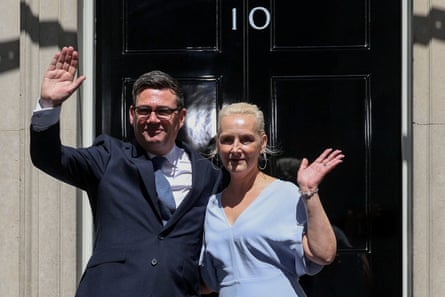
The political center of gravity in the United Kingdom has shifted significantly following the ascension of Andy Burnham to the office of Prime Minister. His arrival at 10 Downing Street marks a historic pivot toward the industrial North, ending a decades-long dominance of London-centric leadership. Burnham, the former Mayor of Greater Manchester, has built his political identity on a foundation of regional advocacy and a promise to dismantle the "Westminster bubble" that many voters feel has long ignored the northern provinces.

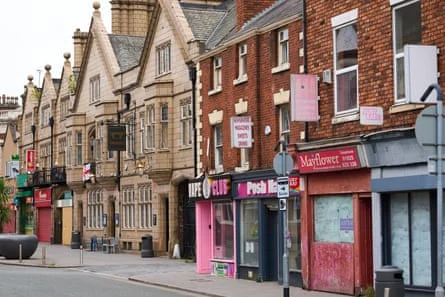
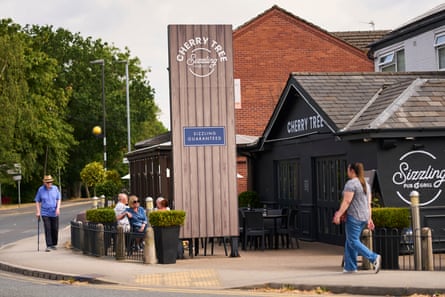
In the village of Culcheth, a quiet suburb of Warrington positioned between the industrial hubs of Manchester and Liverpool, the local sentiment is a mix of pride and cautious expectation. At the Cherry Tree pub, an unassuming establishment on a busy Cheshire road, regulars recount stories of the man they knew long before he became a national figure. The pub, which features prominently in Burnham’s memoir Head North, serves as a symbolic starting point for a leader who has made "relatability" his primary political currency.
The Formative Years in Culcheth and the Roots of Andy Burnham
The journey of the new Prime Minister began in 1970 at Aintree Hospital in Liverpool. His family moved to Culcheth when he was a toddler after his father, Roy Burnham, an engineer for the Post Office, received a promotion that required a relocation to the Manchester area. This move placed the young Burnham in a community that straddled the line between comfortable suburbia and the gritty reality of a declining industrial landscape.
Growing up Catholic, Burnham attended St. Lewis Primary School in Croft and later St. Aelred’s Catholic Technology College in Newton-le-Willows. His upbringing was described by contemporaries as modest but stable. During the 1984 miners’ strike, a teenage Burnham would ride the bus to school, passing the picket lines at the Parkside Colliery. Friends recall him banging on the bus windows in a show of solidarity with the striking miners, an early indication of the labor-focused path his career would eventually take.
This environment provided a stark contrast to the elite circles of British politics. While he eventually attended Cambridge University—where he met his wife, Marie-France van Heel—Burnham has frequently spoken about the "imposter syndrome" he felt as a northern, state-educated student in an institution dominated by the Southern upper class. This sense of being an outsider in his own country’s power structures became a defining element of his political rhetoric.
The Mayoralty and the Rise of "Manchesterism"
Before his successful bid for the premiership, Burnham’s tenure as the Mayor of Greater Manchester served as a crucial proving ground for his administrative and economic theories. During his time in local government, he pioneered what analysts now call "Manchesterism"—a governance model based on the aggressive coordination of public and private sectors facilitated by devolved powers.
One of his most visible achievements was the creation of the "Bee Network," a fully integrated, locally controlled transport system. By bringing buses back under public control through a franchising model—the first such move in the UK since the 1980s—Burnham demonstrated a willingness to challenge the legacy of Thatcher-era privatization. This policy, along with his advocacy for a £2 cap on bus fares, has now become a cornerstone of his national economic agenda.
His leadership was also defined by moments of national crisis. The 2017 Manchester Arena bombing occurred just weeks into his first term as mayor. His empathetic response and his ability to unify a grieving city solidified his reputation as a leader capable of handling high-pressure situations with a human touch. For many in the North, he became the "King of the North," a title he initially resisted but eventually embraced as he challenged the central government over COVID-19 lockdown funding and regional investment.
No 10 North: Rebalancing the British State
Upon taking office as Prime Minister, Burnham immediately moved to fulfill a campaign promise by opening "No 10 North" in Manchester. This satellite office is intended to serve as a secondary seat of government, ensuring that policy decisions are informed by regional realities rather than just the perspectives of Whitehall. The move is a physical manifestation of his pledge to deliver "good growth in every postcode."
The economic blueprint for the Burnham administration leans heavily on the "Warrington model." While many northern towns have struggled with terminal decline, Warrington has seen a unique economic renaissance. Data from the Centre for Cities think tank indicates that local disposable incomes in Warrington have grown 2.2 times faster than the UK average since 2013. The town has reinvented itself as a hub for technology and nuclear energy, a transformation the new Prime Minister hopes to replicate across the country.
However, this transition is not without its hurdles. The government is currently facing pressure from the North Sea oil and gas industry to approve new drilling permits, a move that would conflict with the administration’s green energy goals but potentially provide a short-term boost to the industrial sector. Furthermore, the high levels of debt carried by local councils—including Warrington’s own £1.5 billion debt—remain a point of contention for critics who fear that further devolution could lead to fiscal instability.

Local Perspectives and the Weight of Expectation
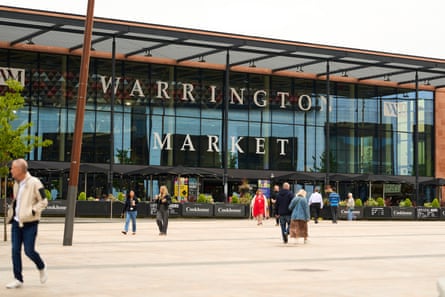
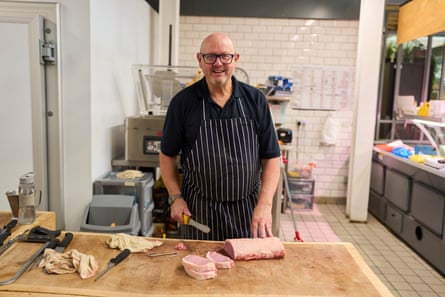
In the streets of his hometown, the reaction to Burnham’s premiership is a microcosm of the national mood. In the Warrington market, fifth-generation butcher John Cross expressed optimism about having a leader who understands the geography of the North. "There needs to be more balance in how we’re governed," Cross noted, echoing a sentiment prevalent among small business owners who feel that London has historically sucked the air out of regional economies.
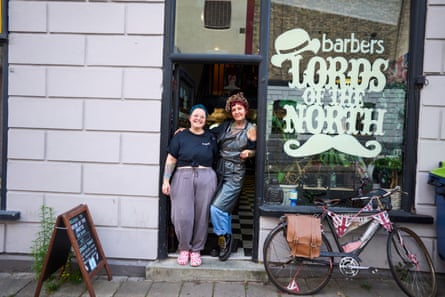
In the Lords of the North barbershop, staff members like Nicole Egan, who was taught by Burnham’s brother, see the new Prime Minister as a man of the people. They point to his early actions—such as addressing electricity bill taxes and capping transport costs—as evidence that he is focused on the immediate concerns of working families. The fact that he was not privately educated is frequently cited by locals as a reason for their trust in his motives.
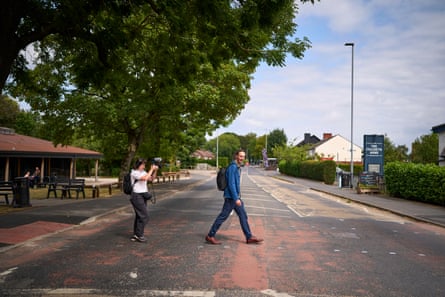
Yet, skepticism remains. In the more affluent pockets of Culcheth, sometimes jokingly referred to as "Upper Culcheth," residents express concern over Labour’s national housing targets. The village is surrounded by green-belt land, and many locals are wary of large-scale developments that could alter the character of the semi-rural community. Others, disillusioned by decades of political promises, remain unconvinced that a change in leadership will result in a fundamental shift in their quality of life.
The Cultural Identity of the New Administration
Burnham’s cultural identity is as much a part of his political brand as his policy positions. He is a vocal supporter of Everton FC and is frequently seen playing five-a-side football with his brothers. His affinity for iconic northern bands like The Smiths and New Order is not merely a personal preference but a signal to a specific demographic of voters who feel a deep connection to the cultural output of the 1980s and 90s North.
This cultural signaling helps him navigate the "Red Wall" constituencies where traditional Labour voters have drifted toward more populist or right-leaning parties like Reform. By presenting himself as a "relatable" figure who shares the accents and interests of the working class, Burnham has managed to claw back support in areas that were previously considered lost to the party.
As he begins his term, the new Prime Minister faces the daunting task of turning regional pride into national prosperity. The challenges are immense: a struggling National Health Service, a housing crisis, and the ongoing pressures of the cost of living. However, for the people of Culcheth and the wider North, the sight of a local boy in the highest office in the land represents a glimmer of hope that the era of regional neglect may finally be coming to an end.
The success of the Burnham premiership will likely be judged on whether he can truly decentralize power or if "No 10 North" will remain a symbolic gesture. For now, the unassuming atmosphere of the Cherry Tree pub stands as a reminder of the quiet suburban streets that shaped the man now tasked with navigating the future of the United Kingdom.