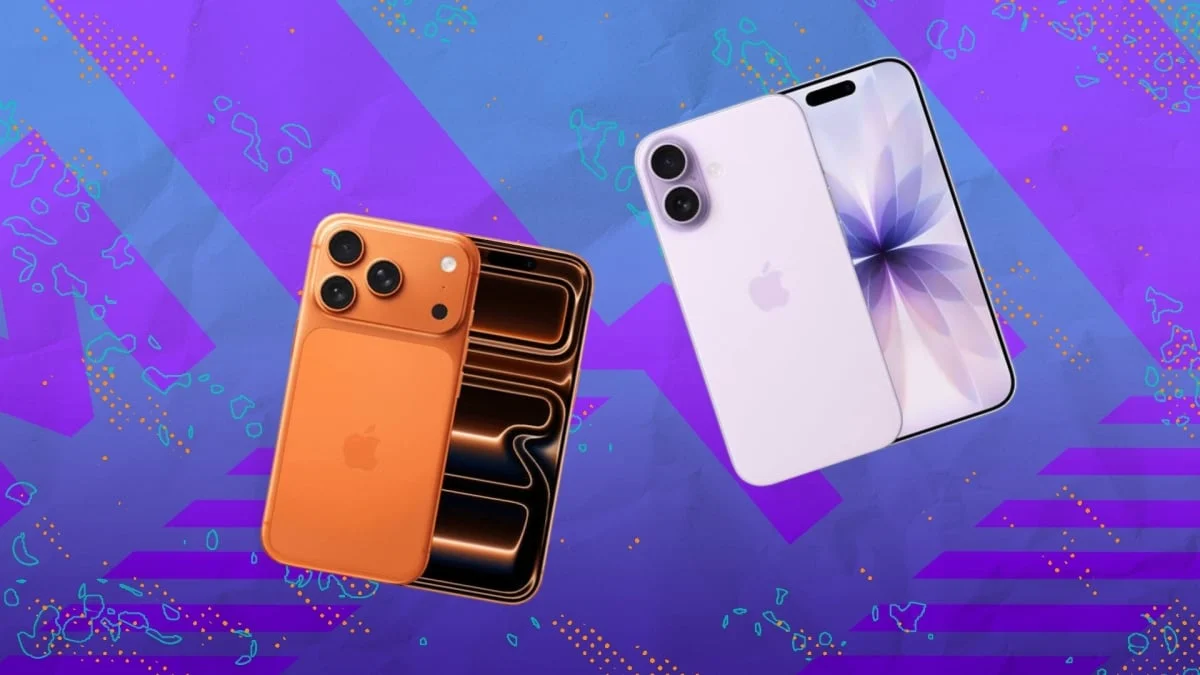
T-Mobile has officially launched a high-stakes promotional campaign offering the Apple iPhone 17 and the premium iPhone 17 Pro at no cost to eligible consumers. This move follows a period of intense competition in the domestic wireless market, as carriers vie for subscriber loyalty amidst rising hardware costs and shifting consumer upgrade cycles. The promotion is structured around specific service requirements and trade-in criteria designed to incentivize high-tier plan adoption.
To secure a free iPhone 17, customers must navigate a set of specific eligibility requirements that vary based on their current status with the network. Existing T-Mobile subscribers can qualify for the offer by trading in an eligible smartphone while maintaining or upgrading to an "Experience More" or "Experience Beyond" service plan. For those looking to join the network, the carrier is offering the device for free to new customers who switch their service and port their existing number over to the "Experience Beyond" plan.
The introduction of this deal comes at a critical juncture for the telecommunications industry. As manufacturers face increased production costs, the retail price of flagship smartphones has seen a steady upward trajectory. By offering the iPhone 17 for free, T-Mobile is attempting to lower the barrier to entry for Apple’s latest ecosystem, though the financial structure of the deal requires a long-term commitment from the user.
Understanding the Financial Mechanics of the Free iPhone 17 Deal
While the marketing focuses on the "free" aspect of the hardware, the transaction is executed through a series of monthly bill credits rather than an upfront waiver of the retail price. Upon qualification, the retail cost of the iPhone 17 or iPhone 17 Pro is divided over 24 months of financing. T-Mobile then applies a credit to the customer’s monthly statement that offsets the equipment installment plan (EIP) charge, effectively bringing the net cost of the device to zero dollars.
This 24-month commitment serves as a modern alternative to the traditional two-year contracts that once dominated the industry. If a customer chooses to cancel their service, switch to a different carrier, or attempt to upgrade to a newer model—such as the rumored iPhone 18—before the 24-month period concludes, the remaining balance of the phone’s retail value becomes due immediately. This structure ensures carrier retention in an era where "churn," or the rate at which customers leave a provider, is a primary concern for executives.
In addition to the service plan requirements, consumers are responsible for certain upfront costs that are not covered by the promotional credits. These include standard sales taxes based on the full retail value of the device, which varies by state and municipality. Furthermore, T-Mobile requires a one-time $35 activation fee for each new line or device upgrade, a standard industry practice that remains a point of contention for some consumer advocacy groups.
The Competitive Landscape: Apple vs. Samsung
The timing of T-Mobile’s iPhone 17 promotion is strategically aligned with recent developments in the broader smartphone market. Samsung, Apple’s primary rival in the premium handset space, recently dominated the headlines with its "Unpacked" event. During that showcase, the South Korean tech giant unveiled a new suite of hardware, including three updated foldable smartphones, two smartwatches, and a foray into smart glasses technology.
Industry analysts suggest that the aggressive T-Mobile promotion is a calculated effort to maintain Apple’s market share in the face of Samsung’s hardware blitz. While Samsung has focused on the evolution of foldable displays and wearable integration, Apple continues to rely on the consistent performance and ecosystem lock-in of the iPhone series. By making the iPhone 17 more accessible through "free" carrier deals, T-Mobile provides a counter-narrative to the buzz surrounding Samsung’s latest innovations.
Furthermore, the wireless industry is currently grappling with what some analysts have dubbed "RAMageddon." The rising cost of Random Access Memory (RAM) and other critical internal components has forced many manufacturers to consider price hikes for their upcoming models. Apple, in particular, has faced pressure to adjust its pricing strategy as it integrates more sophisticated artificial intelligence capabilities into its hardware, which requires more robust internal specifications.
The Impact of Rising Component Costs and Tech Inflation
The broader economic context of the smartphone industry is defined by the increasing cost of high-end components. Reports indicate that RAM prices are expected to rise by nearly 50 percent in the coming year, driven largely by the global boom in artificial intelligence development. AI processing requires significantly more memory than standard mobile tasks, and as Apple pushes "Apple Intelligence" as a core feature of the iPhone 17 lineup, the cost of manufacturing these devices has climbed.
These inflationary pressures make the "free" carrier deal a rarity in the current market. As the retail prices of flagship phones move toward the $1,000 to $1,200 range, the cost to carriers for subsidizing these devices increases. T-Mobile’s decision to offer the iPhone 17 for free is likely a play to secure high-ARPU (Average Revenue Per User) customers on their most expensive data plans, which helps offset the cost of the hardware subsidy over time.
For consumers, these deals represent one of the few remaining ways to obtain premium hardware without a massive upfront investment. However, the requirement to stay on premium tiers like "Experience Beyond" means that the total cost of ownership over two years may be higher than if a customer purchased a phone outright and used a lower-cost prepaid or "value" plan.
Future-Proofing and the iPhone 18 Rumor Cycle
Even as the iPhone 17 remains a primary focus for current shoppers, the tech industry is already looking toward the next iteration of Apple’s hardware. Rumors regarding the iPhone 18 and a potential "iPhone Ultra" have already begun to circulate among supply chain analysts and tech insiders. Speculation suggests that the iPhone 18 lineup may include Apple’s first-ever foldable device, a move that would directly challenge Samsung’s dominance in that specific niche.
The iPhone 18 Pro and Pro Max are expected to feature even more advanced camera systems and faster processors tailored for generative AI tasks. For some consumers, the knowledge that a major redesign or a foldable model is on the horizon may lead to hesitation. However, T-Mobile’s current offer on the iPhone 17 serves as a bridge for those who need a new device immediately and are willing to wait two years for the next major leap in smartphone technology.
The "Experience More" and "Experience Beyond" plans required for the deal are also designed to be "future-proof" in terms of connectivity. These plans offer the highest priority on T-Mobile’s 5G network, ensuring that users can take full advantage of the iPhone 17’s modem capabilities. As 5G networks continue to mature and offer faster speeds in more rural areas, having a device and a plan that can utilize the full spectrum of available bands becomes increasingly important for the modern mobile user.
Broader Implications for the Telecommunications Industry
T-Mobile’s aggressive stance on iPhone 17 pricing is indicative of a larger trend in the U.S. telecommunications sector. Since its merger with Sprint, T-Mobile has positioned itself as the "Un-carrier," a brand identity built on disrupting traditional industry norms. However, as the market reaches saturation, the focus has shifted from acquiring new customers to retaining the ones they have and moving them toward higher-margin service plans.
The reliance on 24-month or even 36-month bill credits has become the standard operating procedure for the "Big Three" carriers—Verizon, AT&T, and T-Mobile. This shift has effectively brought back the era of the "contract," though it is now rebranded as an equipment financing agreement. From a corporate perspective, these deals provide a predictable revenue stream and reduce the likelihood of customers "hopping" between carriers to chase the latest promotion.
Consumer advocates remain wary of these structures, noting that they can be confusing for the average shopper. The distinction between a "free" phone and a phone that is "credited back over two years" is a subtle but important one, particularly for those whose financial situations might change, necessitating a move to a cheaper service provider before the credits have fully vested.
Consumer Considerations and Next Steps
As the weekend approaches, foot traffic in T-Mobile retail locations is expected to increase as consumers look to capitalize on the iPhone 17 offer. Those interested in the deal are encouraged to verify the trade-in value of their current devices through the carrier’s official website or app before visiting a store. Devices with cracked screens or significant water damage may not qualify for the full promotional value, which could result in a monthly charge for the new phone.
Furthermore, shoppers should evaluate their current data usage to determine if the "Experience Beyond" plan aligns with their needs. While the plan offers premium features such as international data and streaming service bundles, the monthly cost is significantly higher than entry-level plans. For some, the savings on the iPhone 17 hardware may be negated by the higher monthly service fees over the 24-month period.
The mobile landscape continues to evolve rapidly, with hardware costs, network speeds, and service plan structures in a state of constant flux. T-Mobile’s current promotion on the Apple iPhone 17 highlights the lengths to which carriers will go to secure a foothold in the premium market, even as economic pressures make such deals increasingly difficult to maintain. For now, the iPhone 17 remains a centerpiece of the carrier’s strategy to dominate the summer sales season and beyond.