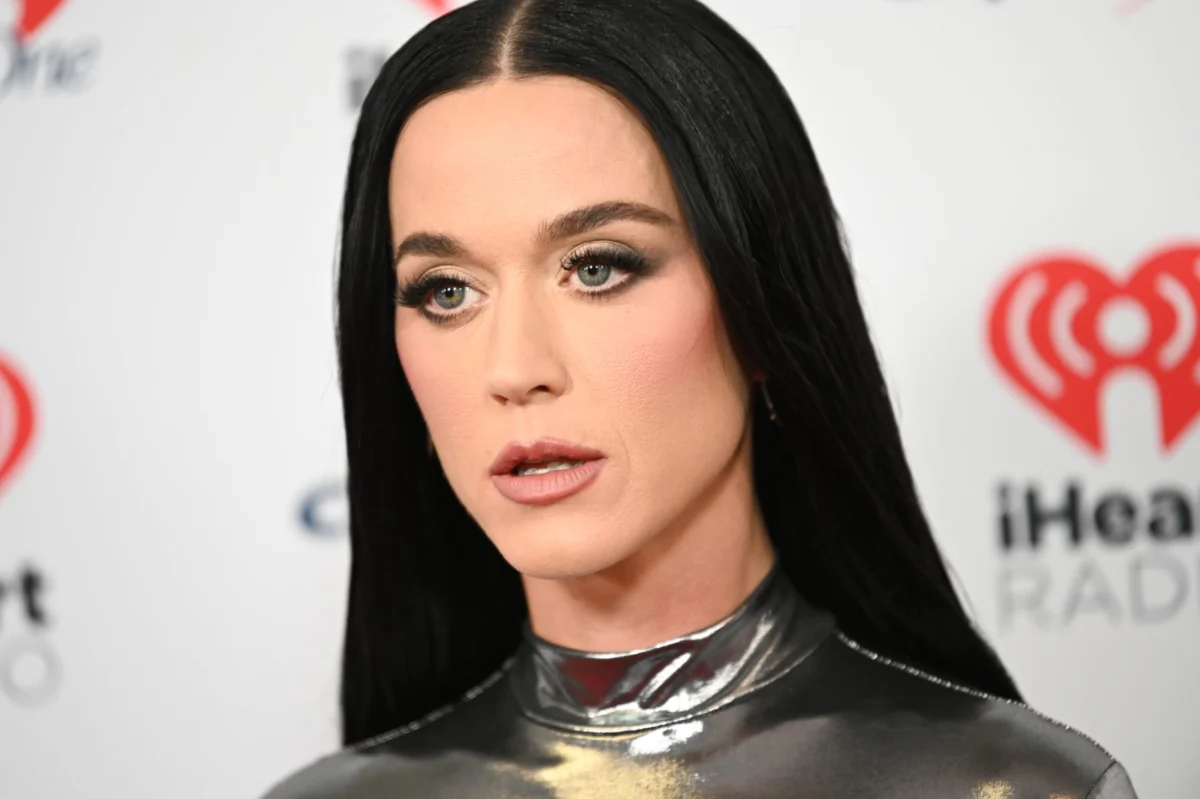
Pop superstar Katy Perry has vocally condemned the Trump administration for its unauthorized use of her iconic hit song "Firework" in a White House TikTok video featuring footage of military strikes. The singer expressed deep dismay and anger, stating her firm opposition to her music being weaponized for such purposes. Perry’s strong rebuke highlights a growing pattern of artists taking issue with the political use of their work without consent.
The controversy erupted when the White House’s official TikTok account posted a video that synchronized lyrics from Perry’s 2010 anthem, specifically the "boom, boom, boom" refrain, with stark black-and-white imagery of bombing operations. The accompanying caption declared, "Iran has been warned," signaling a geopolitical message accompanying the auditory content. This juxtaposition of a song intended for empowerment with images of military action immediately drew widespread attention and criticism.
Perry took to the social media platform X, formerly Twitter, to voice her outrage. "I am deeply appalled and angry to see ‘Firework’ used on the @WhiteHouse TikTok account as a backing track for video footage of military strikes," she wrote. The artist emphasized her lack of approval and consent, stating unequivocally, "I did not approve this, I was not asked, and I absolutely do not condone it." Her statement underscored the personal violation she felt at the repurposing of her artistic expression.
"Firework" Reimagined: From Anthem of Hope to Symbol of Conflict
The pop star further elaborated on the core message of her music, explaining the intent behind "Firework." "I wrote this song to be an anthem of hope, healing, and inner strength for people going through their darkest personal moments," Perry articulated. She contrasted this original intention with the White House’s appropriation, describing the act as a "complete violation of everything my song stands for." The song, which was released as the third single from her 2010 album Teenage Dream, became a global phenomenon, resonating with millions for its themes of self-acceptance and resilience.
Perry’s statement concluded with a powerful assertion of her artistic values: "My music is for bringing people together, not celebrating warfare." This declaration positions her stance not only as a personal objection but also as a broader statement against the militarization of popular culture and the distortion of artistic intent for political or combative messaging. The song’s journey from a chart-topping hit inspiring millions to a soundtrack for geopolitical warnings has sparked considerable debate about the ethics of using popular music in political contexts.
A Pattern of Unauthorized Musical Usage
Perry’s objection is not an isolated incident, but rather part of a discernible trend of artists challenging the Trump administration’s practice of using their music without permission. This has become a recurring point of contention, raising questions about copyright, artistic integrity, and the intersection of celebrity with political messaging. The unauthorized use of music in political campaigns and official government communications has led to legal and ethical scrutiny.
Artists Speak Out Against Political Music Use
In June of the same year, pop singer Ariana Grande publicly criticized the White House for using her 2024 song "Bye" in a TikTok video that promoted Immigration and Customs Enforcement (ICE) agents making arrests. Grande’s reaction echoed Perry’s sentiment of disapproval, highlighting the discomfort artists feel when their creative works are associated with actions they do not endorse. This incident further amplified concerns about the administration’s approach to licensing and permissions for musical content.
Earlier in the year, singer Kesha also voiced her strong disapproval after her song "Blow" was featured in an unauthorized TikTok video by the Trump administration. This video showcased fighter jets and military strike footage, accompanied by the caption "Lethality." Kesha’s reaction, much like Perry’s and Grande’s, underscored the artists’ belief that their music should not be used to glorify violence or convey aggressive political statements. These instances collectively demonstrate a pattern of the White House utilizing popular music in ways that provoke significant backlash from the artists themselves.
The Cultural and Political Ramifications of Music Appropriation
The use of "Firework" by the Trump administration in the context of military strikes and geopolitical warnings raises significant questions about the role of popular culture in political discourse. Katy Perry’s song, with its message of inner light and resilience, has been a source of comfort and inspiration for countless individuals navigating personal struggles. Its repurposing as a soundtrack to a show of military force represents a profound distortion of its intended meaning.
The Billboard Hot 100 Impact of "Firework"
Released in 2010, "Firework" quickly ascended the charts, becoming one of Katy Perry’s most enduring and successful singles. It spent four non-consecutive weeks at the coveted number one position on the Billboard Hot 100, solidifying its status as a cultural touchstone. The song’s anthemic qualities and uplifting message resonated across diverse audiences, making it a staple at events and personal playlists focused on empowerment and celebration. Its widespread popularity and positive reception underscore the magnitude of its appropriation for a message of aggression.
Legal and Ethical Considerations in Music Licensing
The unauthorized use of copyrighted music by political entities often triggers legal and ethical debates. While the specific legal recourse available to artists can vary, the public outcry generated by such incidents can exert significant pressure on administrations to adhere to proper licensing protocols. The Trump administration has faced multiple accusations of using music without permission, leading to ongoing discussions about the responsibilities of government bodies in respecting intellectual property rights and artistic intent.
Public Reaction and Broader Implications
Katy Perry’s statement resonated with many who believe that artistic expression should not be co-opted for political agendas, especially those involving violence. Her firm stance amplified the ongoing conversation about the intersection of celebrity, politics, and intellectual property. The use of her song in this context not only offended her personally but also sparked broader discussions among her fanbase and the general public about the ethical boundaries of political messaging.
The incidents involving Perry, Grande, and Kesha highlight a critical juncture where the power of popular music, intended to connect and uplift, is being recontextualized within a highly charged political environment. The implications extend beyond individual artist grievances to encompass a larger societal dialogue about how music influences perceptions of power, conflict, and national identity. The deliberate pairing of an anthem of personal empowerment with imagery of military might serves as a stark reminder of the potent, and sometimes controversial, relationship between art and politics.
The White House’s continued use of popular music without explicit consent has drawn considerable criticism from various artists and advocacy groups. This practice raises questions about transparency and respect for creative works, particularly when those works are deeply ingrained in the cultural consciousness and carry specific emotional weight for their creators and audiences. The ongoing controversy surrounding these unauthorized uses suggests that the debate over artistic integrity in the political arena is far from over.