A comprehensive 12-month evaluation of the skincare technology market has identified the most effective light-emitting diode (LED) facial devices available to consumers, while simultaneously flagging high-priced models that fail to meet performance expectations. As the home beauty technology sector continues to expand in 2026, clinical researchers and product testers have refined the criteria for what constitutes a high-quality therapeutic device, focusing on specific light wavelengths, irradiance levels, and ergonomic design. The results of this year-long study highlight six standout products that delivered visible dermatological improvements, while two prominent models were designated as sub-optimal for the average consumer.

The rise of red light therapy, or photobiomodulation, represents a significant shift in the multi-billion dollar skincare industry. Once a treatment reserved for professional dermatology clinics and medical facilities, the miniaturization of LED technology has allowed for the creation of portable masks that claim to reduce fine lines, combat inflammation, and treat acne. However, as the market becomes saturated with various brands, the distinction between medically effective devices and decorative novelties has become increasingly difficult for the public to discern.
The Evolution of Photobiomodulation in Home Skincare
Red light therapy works by utilizing specific wavelengths of light to penetrate the skin barrier and interact with the mitochondria in human cells. This interaction stimulates the production of adenosine triphosphate (ATP), which provides the energy necessary for cellular repair and collagen synthesis. In 2026, the consensus among dermatologists remains that for a device to be effective, it must operate within the "therapeutic window," typically between 630 and 660 nanometers (nm) for red light and 810 to 850 nm for near-infrared light.

The testing phase for this evaluation lasted a full calendar year to account for the slow nature of skin cell turnover. Because red light therapy results are cumulative rather than instantaneous, testers utilized the devices daily for periods ranging from eight weeks to twelve months. This rigorous timeline allowed for the observation of long-term skin health trends, including the reduction of deep-seated wrinkles and the management of chronic hormonal acne.
Best Red Light Masks Tested: Analyzing the Top Tier Winners
Among the devices evaluated, the Shark CryoGlow emerged as the premier choice for consumers seeking a balance between price and performance. Priced at $349, it outperformed several competitors costing hundreds of dollars more. The device features 160 tri-wick bulbs, capable of emitting red, near-infrared, and blue light simultaneously. A standout feature identified during the test was the integrated under-eye cooling pads, which provide a vasoconstrictive effect to reduce morning puffiness—a unique addition in a market largely focused solely on light emission.

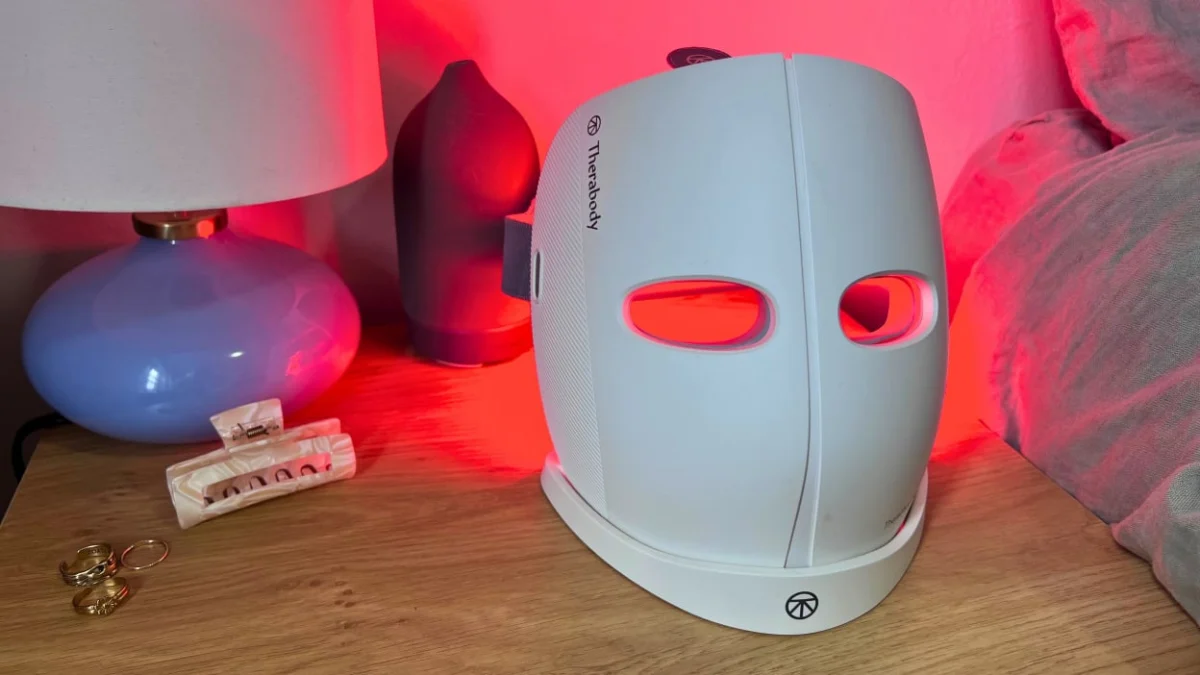
For consumers prioritized on high-end features and comprehensive facial wellness, the Therabody TheraFace Mask was ranked as the top luxury selection. Utilizing 648 LED lights, the most of any device in the study, it combines light therapy with vibrational massage. This dual-action approach is designed to boost circulation and relieve facial tension while treating the skin at a cellular level. Despite its higher price point, the inclusion of pre-programmed treatments and a remote-free interface solidified its position as a market leader.
The Dreame Chrona was identified as the best value for budget-conscious shoppers. With a market price often falling below $230 during sales, the Chrona offers a cordless experience that allows users to remain mobile during treatment sessions. In addition to standard red and blue light, the device includes green and yellow light settings aimed at neutralizing skin redness and brightening the complexion. Testers reported a noticeable improvement in skin texture and the smoothness of makeup application after two months of consistent use.

The Role of Blue Light and Infrared in Modern Dermatological Devices
A critical component of the best red light masks tested in 2026 is the inclusion of secondary light wavelengths. Blue light, specifically at the 415 nm mark, is utilized for its antimicrobial properties. It targets the epidermis to kill acne-causing bacteria before breakouts can form. When used in conjunction with red light, which reduces the inflammation of existing blemishes, the therapeutic effect is significantly amplified.
Targeted treatments also saw significant innovation this year. The iRestore Illumina Eye Mask was highlighted for its ability to address crow’s feet and dark circles with more precision than full-face masks. By packing 180 LED sources into a small, lightweight frame, the device delivers a high concentration of energy to the delicate periorbital area. Similarly, the Lumin Luminator was praised for its accessibility, particularly for male consumers or those intimidated by larger, more restrictive facial shells. Its three-minute treatment cycle was cited as the most convenient for users with busy schedules.

For individuals dealing with advanced signs of aging or deep scarring, the CurrentBody Skin Series 2 was recognized for its specialized use of deep near-infrared light. While most masks peak at 850 nm, the CurrentBody model reaches 1,072 nm. This longer wavelength allows for deeper tissue penetration, stimulating mitochondria in the lower layers of the dermis to address loss of elasticity and deep-rooted wrinkles.
High-End Devices Falling Short: Two Models to Reconsider
Despite the general advancement of the industry, the 12-month test identified two products that failed to justify their market position. The Solawave Wrinkle Retreat Pro, priced at $499, was noted for its lack of features compared to lower-priced alternatives. While the mask did provide a general "glow" after a month of use, it lacked the blue light therapy and cooling features found in the Shark CryoGlow, which retails for $150 less. Analysts suggested that the Solawave model relies heavily on brand recognition rather than technological superiority.

The iRestore Illumina Face Mask also faced criticism during the evaluation. Although the device is technically sound and includes a helpful countdown timer on the remote, it suffered from ergonomic flaws. Testers reported that the hard-shell design and internal suction cups left visible indentations on the skin that lasted for several hours post-treatment. At a price point of $399, the device was deemed less competitive than the Shark or Dreame models, which offer more comfortable wear and similar or superior light specifications.
Methodology Behind the 12-Month Skin Technology Evaluation
The integrity of this study relied on a standardized testing protocol designed to mimic real-world consumer behavior. Each device was used on clean, dry skin to ensure that no topical serums or creams interfered with light penetration. Testers documented their progress with high-resolution photography and kept daily logs regarding the ease of use, battery life, and physical comfort of each mask.

Irradiance, measured in milliwatts per square centimeter (mW/cm²), was a primary metric for determining efficacy. High irradiance allows for shorter treatment times because more light energy is delivered to the skin per minute. The study found that devices with shorter, more intense sessions—typically under 10 minutes—led to higher user compliance. Conversely, masks requiring 20 to 30 minutes per session were frequently abandoned by testers before the eight-week mark, highlighting the importance of efficiency in home-based medical tech.
Economic Impact and Future Trends in Beauty Tech for 2026
The findings of this report come at a time when the beauty tech industry is under increased scrutiny from regulatory bodies and consumer advocacy groups. As more companies enter the space, there is a growing demand for transparency regarding LED specifications and clinical backing. The success of multi-functional devices like the Shark CryoGlow suggests that the "all-in-one" approach—combining thermal therapy with multiple light wavelengths—will be the dominant trend for the remainder of the decade.

The economic implications are also significant. With professional-grade technology becoming more affordable, a shift in consumer spending from salon-based treatments to one-time hardware purchases is expected to continue. Industry analysts predict that the home LED mask market will grow by an additional 15% by the end of 2026, driven by an aging population and an increased cultural focus on preventative skincare.
As the industry moves forward, the focus is expected to shift toward artificial intelligence integration, where masks may eventually use sensors to detect skin conditions and automatically adjust light wavelengths in real-time. For now, however, the "best red light masks tested" remain those that prioritize the fundamentals: verified wavelengths, high irradiance, and a design that encourages daily, consistent use. Consumers are advised to look beyond marketing claims and focus on the technical specifications that drive real biological change.