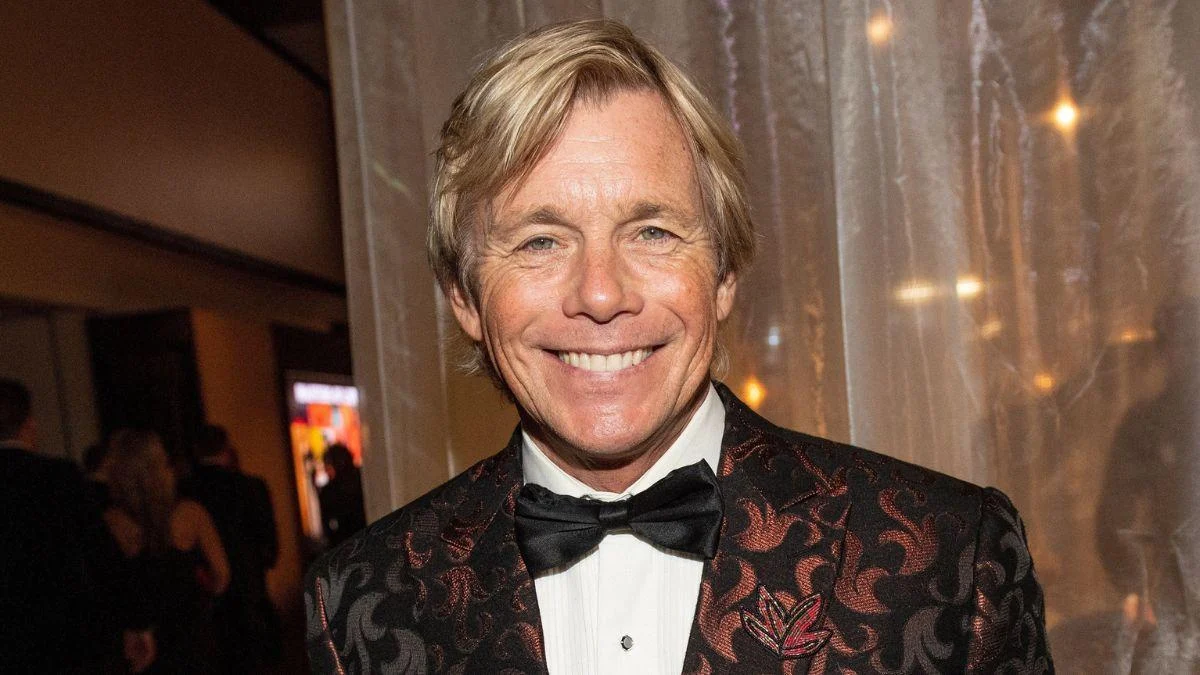
Actor Christopher Atkins, best known for his breakout performance in the 1980 film The Blue Lagoon, has revealed that his struggles with alcohol abuse directly led to him losing the coveted lead role in the iconic 1984 film Footloose. Atkins, who is now approaching four decades of sobriety, recently recounted how his addiction rendered him incapable of seizing a career-defining opportunity, describing himself as "a mess" during the pivotal casting period.
The candid admission sheds light on the often-unseen personal battles faced by young actors navigating the pressures of Hollywood fame. Atkins’ revelation underscores how substance abuse can derail even the most promising careers, leading to missed opportunities that resonate for decades within the entertainment industry and popular culture. His journey from a promising young star to a man in recovery offers a poignant narrative of loss and eventual triumph over addiction.
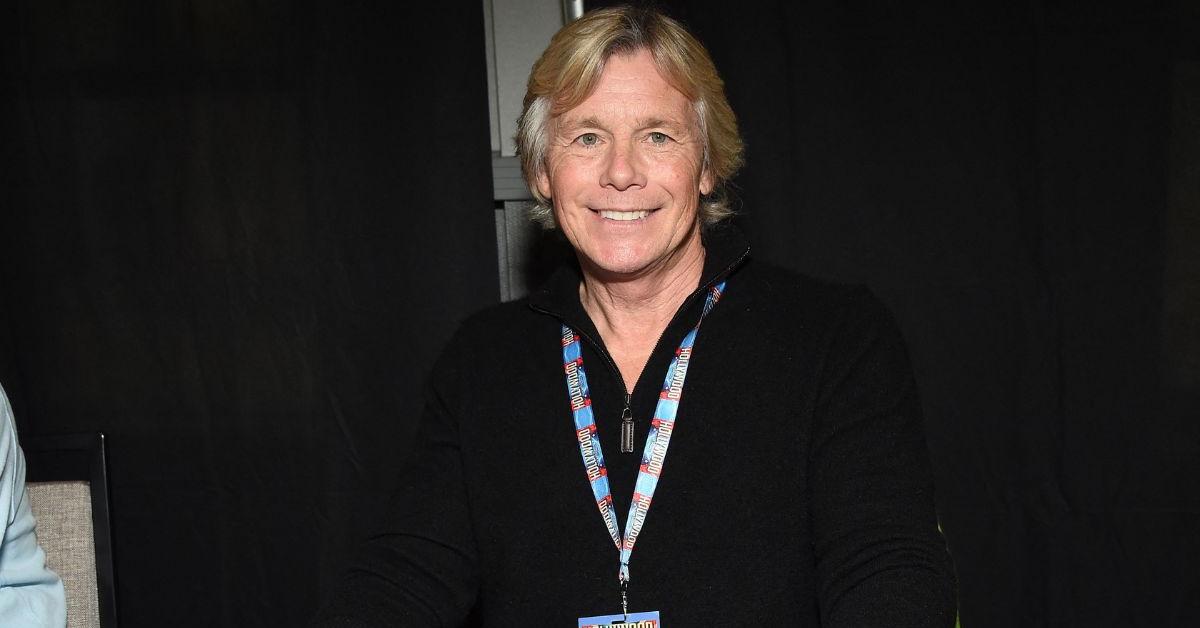
The Audition That Never Was: Losing the Iconic ‘Footloose’ Role
During a recent public panel, Christopher Atkins detailed the circumstances surrounding his near-casting as Ren McCormack in Footloose, the role that ultimately catapulted Kevin Bacon to superstardom. Atkins explained that the film’s producers were keen to meet with him, recognizing his potential for the part following his Blue Lagoon success. However, his personal life was in disarray due due to heavy drinking.
"I was a mess back then. I was partying it up way too much, and they called me in," Atkins recalled, painting a vivid picture of his state at the time. Despite the urgent summons from the filmmakers, he initially resisted attending the meeting, acknowledging his impaired condition. "I said… ‘I can’t go in right now. I’ve been drinking and carrying on,’" he admitted, highlighting his inability to present himself professionally.
The studio, however, insisted on seeing him, stressing the importance of the opportunity. Atkins ultimately attended the meeting, but his condition made a positive outcome impossible. "And I went in and I just blew that audition," he confessed, clarifying that it was less a traditional audition and more a final confirmation. He stated, "I had the part, but I was so messed up that they said, ‘Yeah, we’re going to have to pass on this guy.’" This candid recollection emphasizes the direct consequence of his alcohol abuse on his professional trajectory.
The Weight of a Lost Opportunity
The role of Ren McCormack in Footloose became an iconic part of 1980s cinema, defining a generation and launching Kevin Bacon into a long and successful career. The film’s blend of youthful rebellion, vibrant dance sequences, and a compelling storyline resonated deeply with audiences, cementing its status as a cult classic. For Atkins, losing this role represented not just a single missed credit, but a significant alteration of his potential career path.
The incident highlights a common, yet often unpublicized, consequence of substance abuse in the high-stakes world of Hollywood. Actors frequently face intense scrutiny and immense pressure, which can exacerbate pre-existing vulnerabilities or lead to the development of coping mechanisms involving drugs or alcohol. For a young star like Atkins, who experienced sudden fame, these pressures were likely amplified, making him particularly susceptible to the pitfalls of the industry.
From Unexpected Stardom to Personal Struggle
Christopher Atkins’ rise to fame was itself an unanticipated journey. At just 18 years old, he secured the co-starring role alongside Brooke Shields in the controversial yet highly successful 1980 film The Blue Lagoon. Prior to this, Atkins had no aspirations of becoming an actor; his dream was to play professional baseball. His entry into the entertainment world came through modeling for the Ford agency in New York City, which eventually led to the Blue Lagoon audition.
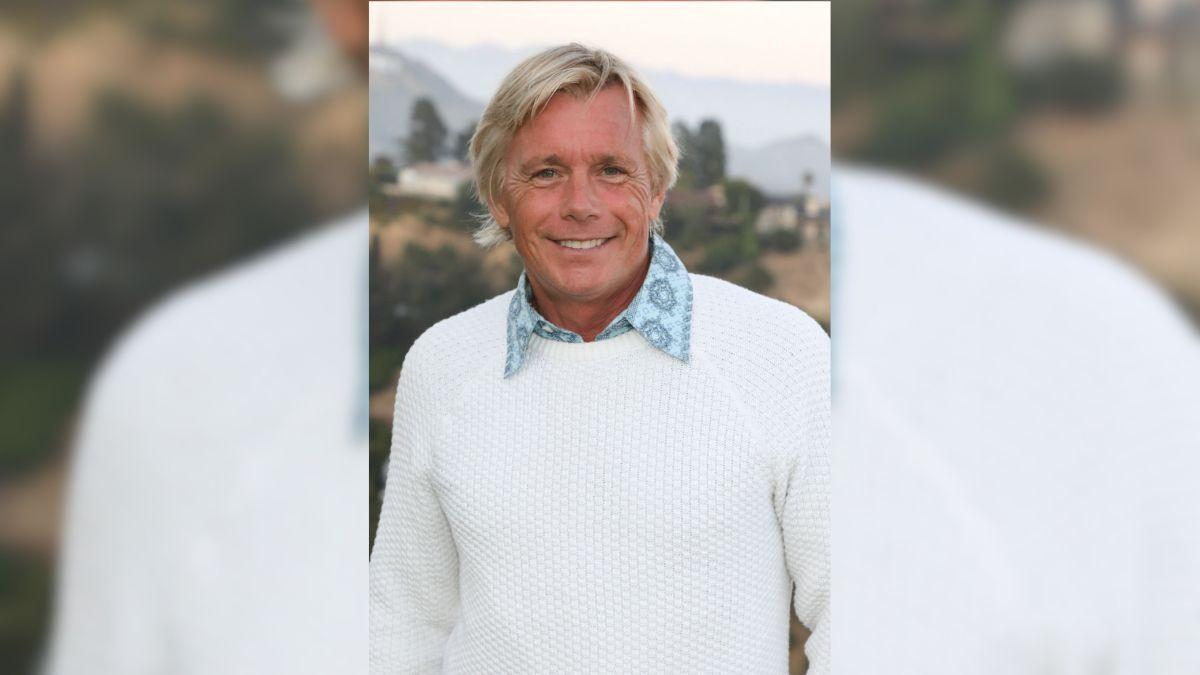
He described the extensive casting process for the film, involving numerous callbacks over several months. He even recounted being asked to bring a "blond curly wig" to his final audition, a detail that speaks to the unique and somewhat unconventional nature of his casting. Despite the rigorous selection, Atkins admitted he was severely unprepared for the demands of filmmaking. "I didn’t know what a camera looked like. I had no idea what a mark was, and I knew nothing," he stated, reflecting on his lack of technical knowledge before being whisked away to Fiji for production.
The overnight success of The Blue Lagoon transformed Atkins’ life dramatically. He experienced an immediate surge of notoriety, appearing on magazine covers and becoming a recognizable face worldwide. "We were young, and so you’re constantly getting this notoriety," he explained. "But it changes your life, because all of a sudden you’re nothing and then you’re on every single grocery store magazine." This sudden immersion into intense public scrutiny and celebrity culture, without a gradual build-up or extensive preparation, likely contributed to the challenges he faced in managing his personal life, including his burgeoning alcohol dependency.
The Path to Sobriety: A Nearly 40-Year Journey
Christopher Atkins’ reflection on his lost Footloose role is not merely a tale of regret but a testament to his long-term recovery. His statement, "And I’m almost 40 years sober, so there you go," serves as a powerful declaration of his commitment to a healthier life. This significant period of sobriety underscores a profound personal transformation and resilience in the face of past struggles.
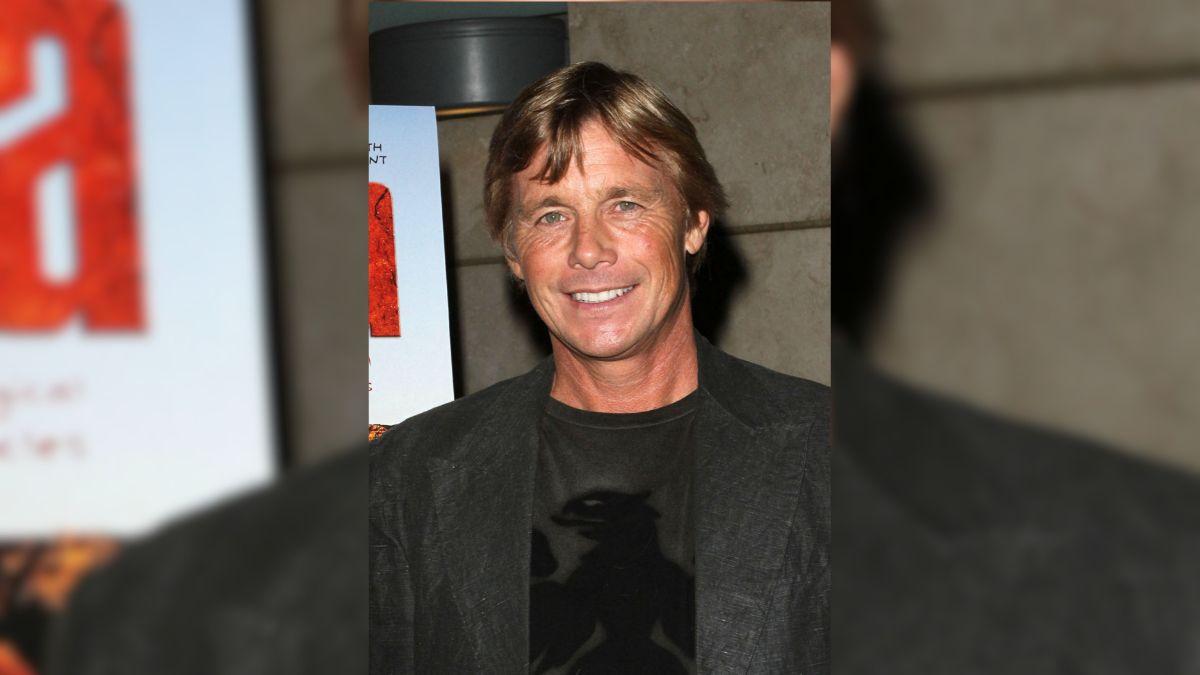
The entertainment industry has a well-documented history of addiction, with many stars succumbing to its pressures. However, it also boasts numerous examples of individuals who, like Atkins, have embarked on successful journeys of recovery. Atkins’ story contributes to this important narrative, offering hope and demonstrating that overcoming substance abuse is possible, even for those who experience the extreme highs and lows of Hollywood fame.
His ability to openly discuss these past difficulties, linking them directly to lost career opportunities, reflects a level of self-awareness and healing. It highlights the importance of addressing addiction and seeking help, not only for personal well-being but also for the preservation of one’s professional life and potential.
Broader Implications for Young Stars and Industry Responsibility
Christopher Atkins’ candid account serves as a cautionary tale and a valuable lesson for the entertainment industry regarding the support systems available for young talent. The sudden catapult into fame, particularly for individuals with little life experience or professional training, can be disorienting and overwhelming. The lack of robust mental health and addiction support mechanisms in the past often left young stars vulnerable.

While the industry has made strides in recent years to provide more resources for talent, Atkins’ experience from the early 1980s underscores the long-standing challenges. His story reinforces the need for ongoing dialogue about mental health, substance abuse, and the responsibilities of studios and management to nurture and protect their artists beyond their immediate performance.
Today, Atkins continues to navigate life with nearly four decades of sobriety, a significant achievement that speaks to his enduring strength and commitment to recovery. His willingness to share his personal struggles and their impact on his career offers a powerful message about accountability, resilience, and the enduring human capacity for change and growth, even after facing profound setbacks. His journey serves as a reminder that while opportunities may be lost, the path to personal redemption and a fulfilling life remains open.