Yemeni government forces announced Saturday they had launched airstrikes targeting Houthi fighters and military equipment along the Red Sea coast, a significant escalation following the Houthi group’s assertion of full control over the strategically vital shoreline. The intensified military operations mark a critical juncture in the protracted conflict, with government forces characterizing the ongoing confrontations as a "battle for survival."
Escalation Along the Red Sea Coast
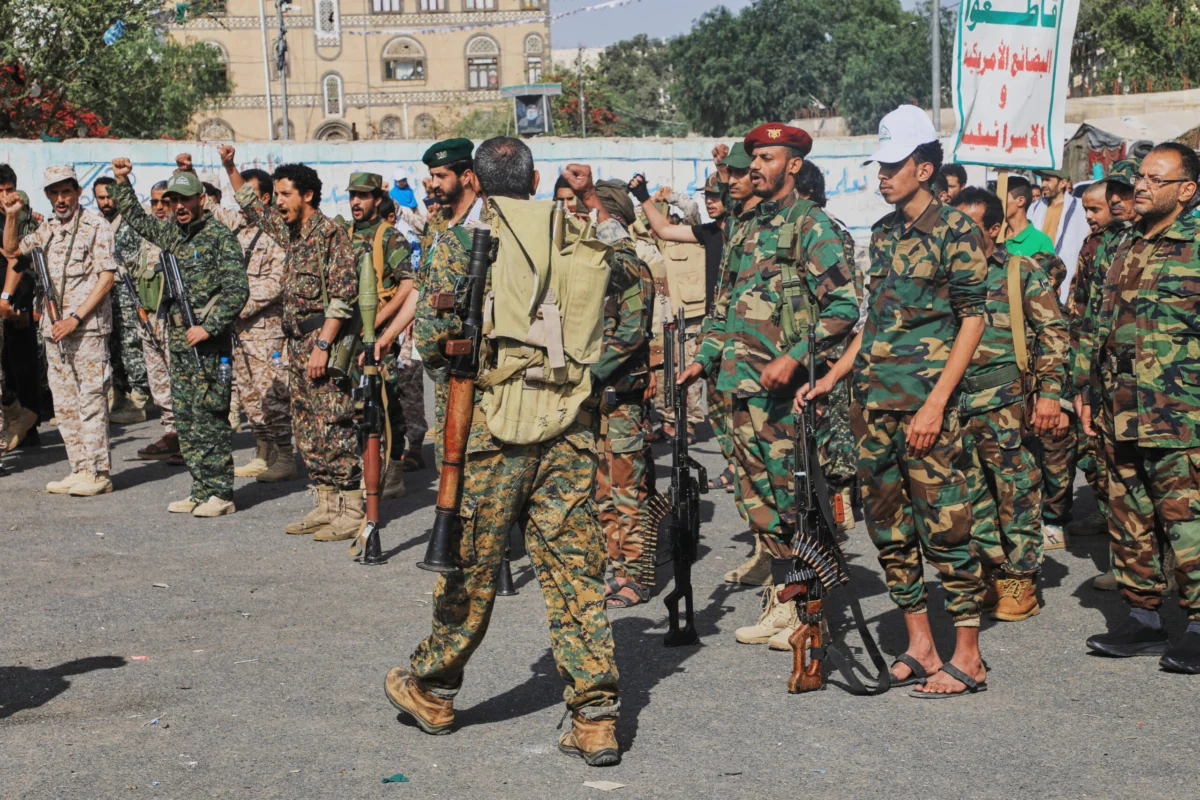
The Yemeni armed forces, operating under the internationally recognized government, reported successful strikes against Houthi positions near the port city of Mocha. According to state news agency Saba, the military operations resulted in the destruction of vehicles and weapons, alongside casualties among Houthi fighters. The agency specifically described the targeted group as the "Houthi terrorist militia backed by the Iranian regime," underscoring the government’s framing of the conflict and its regional dimensions.
Majed Abdullah al-Nazili, a spokesperson for the government forces, elaborated on the military actions. He stated that airstrikes also hit Houthi "vehicles and members" along the Mocha-Dhubab road, a key artery approximately seven miles from the city. These strikes are part of a broader offensive aimed at reclaiming territory and disrupting Houthi advances along the critical western coastline.
The Houthi capture of Mocha on Thursday, followed by their seizure of Mayun Island on Friday, solidified their control over the Bab al-Mandeb strait. This narrow waterway is a globally significant chokepoint for maritime trade, particularly for oil shipments traversing between the Mediterranean Sea and the Indian Ocean via the Suez Canal. The strategic importance of this area has long been a point of contention in the Yemeni conflict.
Regional Repercussions and International Diplomacy
The escalating conflict in Yemen has triggered broader regional security concerns, notably impacting Saudi Arabia’s oil infrastructure. On Friday, the kingdom announced the temporary closure of its East-West oil pipeline, a critical 746-mile conduit, following a drone attack. While the drones were reportedly launched from Iraq, where an investigation is ongoing, no group has yet claimed responsibility for the strikes.
The incident has drawn condemnation from Iraqi officials. Haybat al-Halbousi, the speaker of Iraq’s parliament, denounced the use of Iraqi territory for launching attacks, labeling it "unacceptable" and inconsistent with Iraq’s foreign policy and its relationships with neighboring countries. This highlights the complex geopolitical landscape in which the Yemeni conflict is embedded.
In parallel, diplomatic efforts appear to be underway to de-escalate the situation. U.S. media outlet Axios reported that Saudi Crown Prince Mohammed bin Salman had twice contacted President Donald Trump in the preceding week to request U.S. airstrikes against the Houthis. These requests were reportedly denied by the Trump administration.
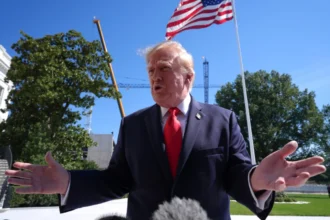
President Trump, speaking during a visit to Dublin on Saturday, indicated that the Houthis themselves had communicated with Washington, expressing a desire to avoid direct confrontation with U.S. forces. "The Houthis called us and they don’t want to fight with us," Trump stated. "They don’t want us to go after them." This statement suggests a potential reluctance on the part of the Houthis to engage militarily with the United States, a factor that may influence U.S. policy in the region.
Strategic Significance of Mocha and the Bab al-Mandeb
The port city of Mocha, situated on the Red Sea coast, has become a focal point of the current military surge. Its capture by Houthi forces represents a significant territorial gain, extending their influence along a crucial maritime route. The Bab al-Mandeb strait, a vital artery for global commerce, is a key strategic asset, and control over its shores and surrounding islands is paramount for both regional powers and international shipping interests.
The Houthi consolidation of control over the strait and its adjacent coastlines raises concerns about potential disruptions to shipping and increased risks for maritime security. This development has drawn the attention of international military bodies, with a source telling Al Jazeera that the head of U.S. Central Command, responsible for American forces in the Middle East, was in Saudi Arabia for discussions concerning the evolving situation.
Broader Context of the Yemeni Conflict
The current military escalation in Mocha is part of a larger, devastating civil war that has plagued Yemen since late 2014. The conflict pits the Houthi movement, which controls significant portions of the north, including the capital Sanaa, against the internationally recognized government, supported by a Saudi-led coalition. The war has led to one of the world’s worst humanitarian crises, with millions facing food insecurity, displacement, and disease.
The Houthi movement, often described as an Iran-backed militia, has been engaged in a protracted struggle for control of Yemen. Their territorial gains along the western coast, particularly the strategic strait, are seen as a significant achievement that could alter the balance of power in the ongoing conflict. The government’s renewed offensive in Mocha signals a determined effort to counter these advances and regain lost ground.
The involvement of regional powers, particularly Saudi Arabia and Iran, has further complicated the conflict, transforming it into a proxy war with profound implications for regional stability. The alleged Iranian support for the Houthi movement is a consistent point of contention for the Saudi-led coalition and the Yemeni government.
Analysis of Military Objectives and Implications
The Yemeni government’s airstrikes near Mocha are likely aimed at several objectives. Firstly, they seek to disrupt Houthi military operations and prevent further consolidation of their control over the strategic coastline and the Bab al-Mandeb strait. Secondly, these strikes serve as a demonstration of government resolve and capability in confronting Houthi advances.
The description of the conflict as a "battle for survival" by government forces underscores the high stakes involved. For the government, maintaining control over key strategic areas like Mocha is crucial for its legitimacy and its ability to wage the war effectively. The loss of such territories could significantly weaken its position and embolden the Houthi movement.
The Houthi seizure of Mocha and Mayun Island is a significant tactical victory. It not only strengthens their control over the Bab al-Mandeb but also potentially allows them to exert greater influence over maritime traffic and regional security dynamics. This development could also embolden the group to pursue further military objectives.
Impact on Global Shipping and Oil Markets
The strategic location of Mocha and the Bab al-Mandeb strait makes any disruption in this area a matter of global concern. The waterway is a critical transit route for approximately 30% of global shipping traffic, including a significant portion of the world’s oil and liquefied natural gas (LNG) supplies.
The temporary closure of Saudi Arabia’s East-West oil pipeline, though attributed to a drone attack from Iraq, highlights the vulnerability of regional energy infrastructure. Any sustained instability or conflict in the Bab al-Mandeb could lead to increased shipping costs, supply chain disruptions, and potential spikes in global oil prices. International energy markets closely monitor developments in this region due to its critical role in global energy security.
International Response and Diplomatic Challenges
The international community has largely called for a peaceful resolution to the Yemeni conflict, emphasizing the need for de-escalation and humanitarian aid. However, the complexities of the regional power dynamics and the ongoing military engagements make diplomatic breakthroughs challenging.
The reported requests for U.S. intervention by Saudi Arabia and the subsequent refusal by the U.S. administration, coupled with the Houthis’ stated desire to avoid direct conflict with the U.S., suggest a delicate balancing act for American foreign policy. The U.S. has been a key partner for Saudi Arabia in the Yemen conflict, providing logistical and intelligence support.
The presence of the head of U.S. Central Command in Saudi Arabia for talks indicates the continued U.S. engagement with its regional allies on security matters related to Yemen and the broader Middle East. These discussions are likely focused on assessing the evolving threat landscape and coordinating responses to maintain regional stability.
Future Outlook and Potential Scenarios
The current military developments in Mocha signal a period of heightened conflict and uncertainty. The government forces’ offensive, supported by airstrikes, aims to reverse Houthi gains and reassert control over strategic areas. The Houthi movement, in turn, is likely to defend its newly acquired territories and continue its offensive operations.
The coming days and weeks will be crucial in determining the trajectory of the conflict along the Red Sea coast. The effectiveness of the government’s airstrikes, the resilience of Houthi defenses, and the broader regional and international responses will all play a significant role.
The humanitarian impact of these renewed military actions remains a grave concern. Any intensification of fighting in densely populated coastal areas could exacerbate the already dire humanitarian situation for Yemeni civilians. International organizations will likely be monitoring the situation closely, urging adherence to international humanitarian law and calling for unimpeded access for aid. The ongoing diplomatic engagements, however strained, will remain critical in the long-term pursuit of a sustainable peace in Yemen.