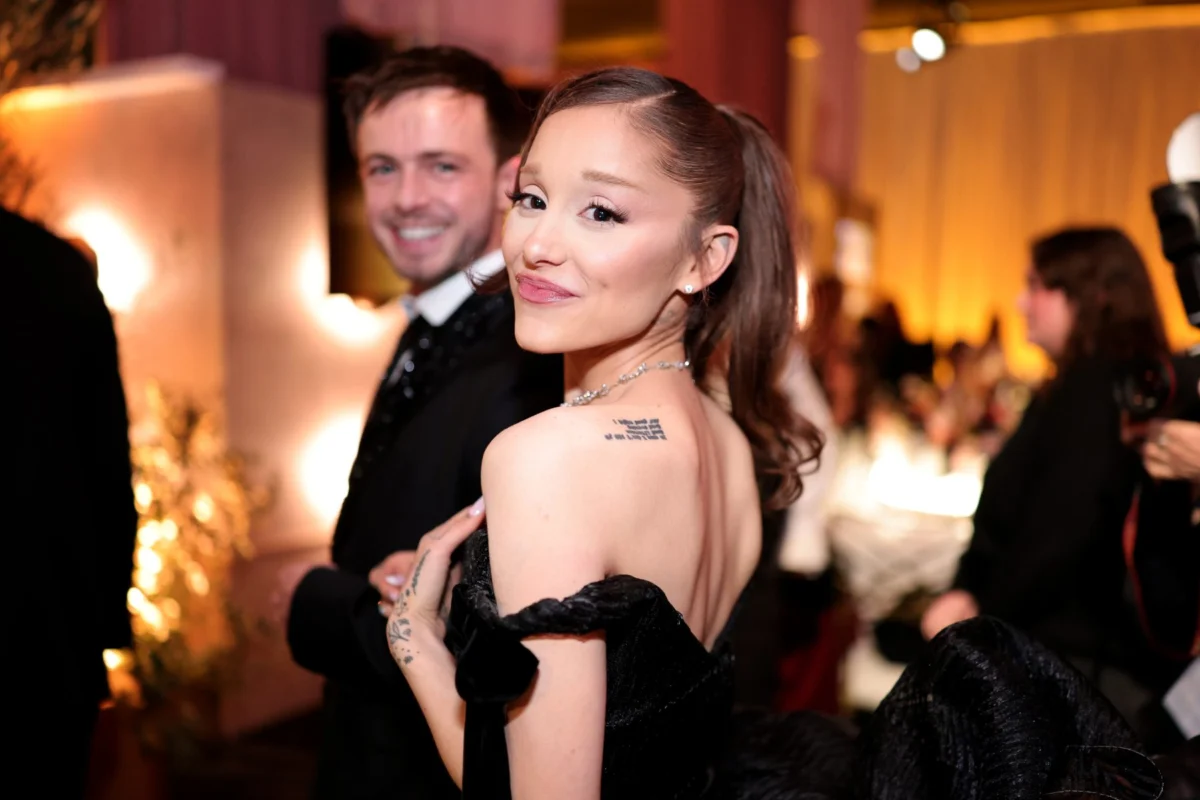
Pop superstar Ariana Grande has initiated legal action against unidentified hackers, alleging a persistent pattern of theft and unauthorized dissemination of her unreleased music, private photographs, and video footage, which she asserts has severely damaged her career and her relationship with her fanbase. The lawsuit, filed in Los Angeles Superior Court on Monday, July 27, details a campaign of "unlawful and egregious" digital intrusions targeting Grande’s creative output.
Grande Targets Digital Intruders in Legal Battle
Attorneys for the Grammy-winning artist claim that hackers have systematically targeted her photographers and producers to gain access to sensitive, private content. This illicit activity has resulted in the widespread leakage of material that was never intended for public consumption. The legal filing highlights the sheer volume of these breaches, noting that approximately 45 of Grande’s songs were stolen and leaked in the single year of 2023 alone, underscoring the pervasive nature of the attacks.
The Ongoing Threat of Unreleased Material Leaks
Grande’s legal team expressed a strong commitment to combating these digital transgressions, stating that "neither Ms. Grande nor any other public or private figure should have to suffer such violations caused by these wrongdoers who hide in the shadows and wreak technological havoc with impunity." The lawsuit aims not only to address the specific instances of theft but also to serve as a deterrent against future malicious activities. "It is imperative to Ms. Grande to ensure on behalf of herself and others that such conduct is deterred to the fullest extent possible," the filing asserts.
The legal strategy involves suing anonymous defendants, identified as "John Doe" hackers, with the explicit intention of uncovering their identities through the legal process. Grande’s legal team plans to utilize court-ordered subpoenas to internet service providers and other entities to trace the perpetrators. "Ms. Grande initiates this action to uncover the identities of these currently unknown and unscrupulous individuals in order to hold them accountable for their invasive and reprehensible conduct," the lawyers stated in the court documents.
A Pattern of Cyberattacks and Privacy Violations
According to the lawsuit, Grande has been subjected to "constant and recent" cyberattacks that have led to the theft of her music, photos, and videos. This stolen material is described as integral to her "personal and professional creative process" and was never meant for public release. The hackers are accused of then selling this stolen private data and content on the dark web for substantial financial gain, further exacerbating the harm caused to the artist.

The legal filing reveals a long history of such breaches, dating back to 2011. Grande has reportedly endured "hundreds" of leaks over the years. Notable past incidents include a 2019 theft of "still-in-production, unreleased masters and demos and footage." More recently, in 2024, two separate attacks involved the theft of unreleased photos of the star through phishing scams.
Legal Ramifications and Artist’s Rights
The lawsuit contends that these "malicious invasions of Ms. Grande’s privacy and disruption of her career have caused her substantial and irreparable harm due to this breach of privacy." The unauthorized misappropriation and disclosure of her creative works are characterized as a violation of her identity, artistry, and the "direct and sacred relationship that exists between her and her fans." This sentiment underscores the emotional and professional toll these leaks have taken on the artist.
In legal terms, the lawsuit outlines claims for invasion of privacy, violation of California computer hacking laws, and conversion, which is the civil law equivalent of theft. These charges reflect the multifaceted nature of the digital crimes Grande has allegedly experienced.
The Broader Impact on the Music Industry and Privacy
The case brought by Ariana Grande highlights a growing concern within the entertainment industry and among artists regarding the vulnerability of unreleased creative content to digital theft. The ease with which hackers can access and distribute private material poses a significant threat to artists’ control over their work and their ability to strategically release new music and projects.
This legal battle underscores the challenges artists face in protecting their intellectual property and personal privacy in an increasingly digital world. The practice of selling stolen content on the dark web not only infringes on copyright but also exploits the intimate connection artists strive to build with their fan bases.
Seeking Accountability in the Digital Age
Grande’s lawsuit signifies a proactive stance against what her legal team describes as "wrongdoers who hide in the shadows." By pursuing legal action, she aims to bring these anonymous individuals into the light and hold them accountable for their actions. The strategy of naming "John Doe" defendants is a common tactic in cases where the identities of the perpetrators are initially unknown, allowing for subsequent discovery and identification.

The pursuit of justice in cases of digital piracy and privacy invasion is becoming increasingly critical for public figures. The legal precedent set by such lawsuits can influence how future cases of online theft and unauthorized dissemination of private content are handled.
The Future of Creative Content Protection
The outcome of Grande’s lawsuit could have far-reaching implications for artists and the music industry at large. It may encourage stronger security measures for unreleased materials and reinforce the importance of legal recourse against digital infringements. The case serves as a stark reminder of the ongoing battle between creators and those who seek to exploit their work through illicit means.
Grande’s determination to unmask the hackers and seek accountability reflects a broader desire among artists to protect their creative integrity and the trust they share with their audience. The legal proceedings will likely involve complex technical investigations and a thorough examination of digital privacy laws.
Unmasking the Digital Thieves
The core of Grande’s legal endeavor is to identify the individuals responsible for the repeated breaches of her digital security. The lawsuit is designed to provide the legal framework necessary to compel service providers and other internet entities to disclose information that could lead to the identification of the hackers. This process is crucial for establishing culpability and seeking appropriate remedies.
The legal action is not merely about recovering damages; it is also about asserting control over personal and creative property that has been unlawfully taken and disseminated. The goal is to ensure that such egregious violations of privacy and artistic rights do not continue unchecked.
The pop star’s commitment to this legal fight underscores the severity of the problem and her resolve to protect not only herself but also other artists who may face similar threats. The ongoing legal process is expected to shed further light on the methods employed by these hackers and the challenges in prosecuting such crimes in the digital realm.