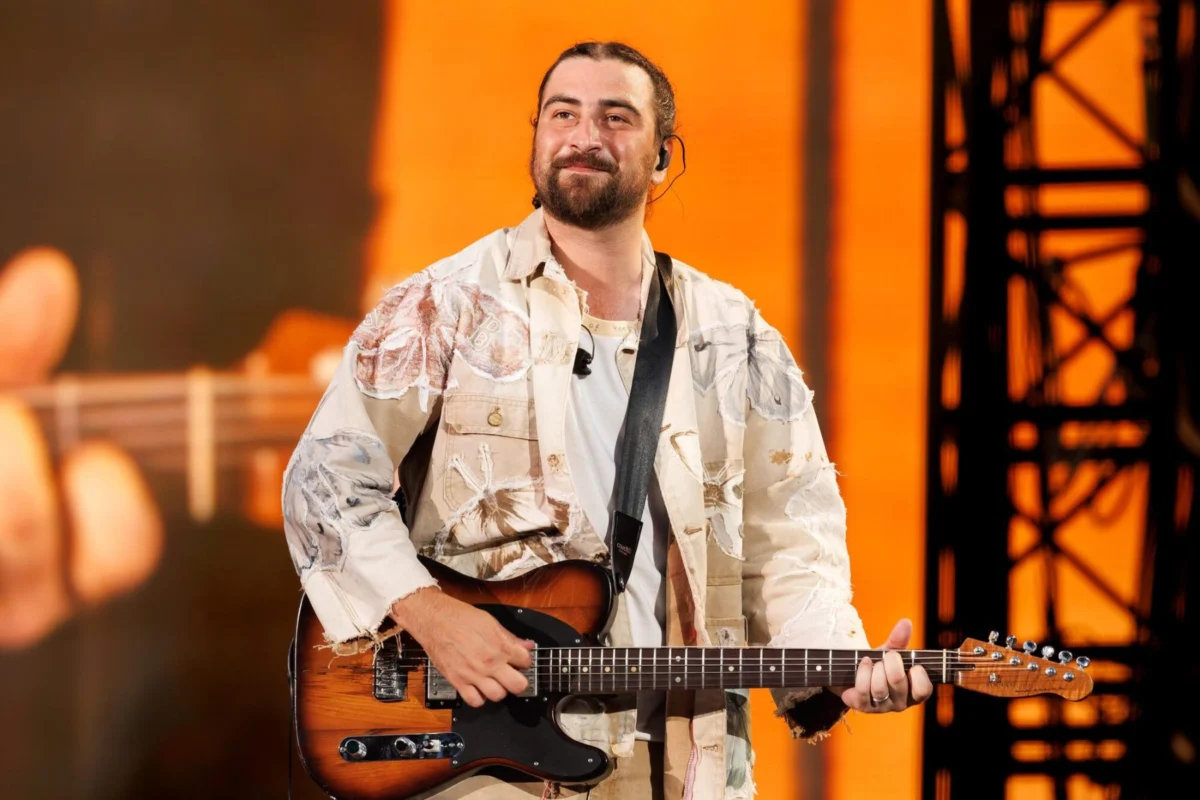
Singer-songwriter Noah Kahan has publicly condemned the White House for utilizing his song "American Cars" in a social media video promoting President Trump’s visit to an auto plant in Michigan, asserting he would never authorize such usage. The unauthorized inclusion of Kahan’s music has reignited discussions about the political use of popular songs and artists’ rights. The incident marks the latest in a series of similar disputes involving the Trump administration and musicians.
Kahan’s Strong Rebuke Over "American Cars" Usage
The controversy erupted after the White House posted clips on TikTok and Instagram featuring footage from President Trump’s tour of a Michigan auto manufacturing facility. These posts were accompanied by Kahan’s track "American Cars," a popular song from his Billboard 200 No. 1 album, The Great Divide. The juxtaposition of the patriotic theme of the visit and the use of Kahan’s music quickly drew the artist’s ire.
Kahan, a 29-year-old artist hailing from Vermont, did not mince words in his public statement. He directly addressed the unauthorized use on Instagram, where the music was reportedly disabled shortly after his comment gained traction. His statement read, "Would never approve of my music being used in support of you or this administration." This comment, posted on Monday, July 27, rapidly garnered over 21,000 likes, signaling widespread support from his fanbase and the broader music community.
The song "American Cars" continues to be featured in the White House’s accompanying TikTok video from the event. This clip captures President Trump signing a white Corvette during his visit to the General Motors proving grounds in Milford, Michigan. Adding to the heated exchange, Noah Levine, Kahan’s frequent collaborator and co-writer of "American Cars," posted a more aggressive comment on the Instagram post, which he later claimed was removed. Levine’s unedited remark reportedly stated, "You fat f*** this song isn’t for you."
At the time of reporting, a spokesperson for the White House had not responded to requests for comment from Billboard. The administration’s silence in the face of these accusations amplifies the ongoing debate about consent and copyright in political messaging.

A Pattern of Unauthorized Music Use by the White House
Noah Kahan’s denunciation is not an isolated incident. He joins a growing roster of prominent musicians who have vocally opposed the Trump administration’s practice of using their music without explicit permission for political purposes. This trend has raised significant legal and ethical questions about intellectual property rights and the boundaries of political campaigning.
Earlier in the week, pop superstar Katy Perry expressed her outrage when her iconic 2010 hit, "Firework," was used in a White House TikTok video that showcased footage of military strikes. Perry took to X (formerly Twitter) to voice her dismay, stating, "I am deeply appalled and angry to see ‘Firework’ used on the @WhiteHouse TikTok account as a backing track for video footage of military strikes. I did not approve this, I was not asked, and I absolutely do not condone it.” The video controversially synchronized Perry’s signature "boom, boom, boom" lyrics with black-and-white footage of bombing operations, accompanied by the caption, "Iran has been warned." Perry further elaborated on her stance, emphasizing, "My music is for bringing people together, not celebrating warfare."
This incident followed a similar objection from Ariana Grande in June. Grande took issue with the White House using a rendition of her 2024 song "Bye" in a TikTok video depicting Immigration and Customs Enforcement (ICE) agents arresting and handcuffing individuals. Her comment, which is no longer visible, unequivocally stated, "Please do not ever use my music in relation to this barbaric, inhumane, heinous nonsense. F*** ICE."
Broader Implications for Artists and Politics
The repeated instances of unauthorized music use by the White House highlight a persistent tension between political entities seeking to leverage popular culture and artists’ rights to control their creative output. These disputes underscore the power of music in shaping public perception and the potential for its misappropriation in political contexts.
Kahan, Perry, and Grande are part of an extensive list of artists who have spoken out against former President Trump’s campaigns and administration for using their music in promotional content. This list spans a wide spectrum of musical genres and eras, including globally recognized names such as Beyoncé, Adele, Celine Dion, Foo Fighters, Guns N’ Roses, Jack White (and The White Stripes), Kenny Loggins, Neil Young, Olivia Rodrigo, Ozzy Osbourne, Rihanna, and many others. Each instance typically involves the administration or campaign using a song to underscore a particular message or event, often without securing the necessary licenses or permissions.
The Legal and Ethical Landscape of Music Licensing
The use of copyrighted music in political advertisements and social media content is a complex area governed by copyright law. While fair use doctrines exist, they are often narrowly interpreted, especially when the use is commercial or overtly political. In many of these cases, artists argue that the use is not transformative enough to qualify for fair use and that it infringes upon their exclusive rights to reproduce, distribute, and publicly perform their work.

The White House, as a government entity, operates under specific guidelines regarding the use of copyrighted material. However, the line between official communication and political campaigning can become blurred, particularly on social media platforms where content is rapidly disseminated. The consistent pattern of these disputes suggests a potential disregard for established protocols or a strategic gamble on the part of the administration.
Public Reaction and Artist Solidarity
The backlash from artists like Kahan, Perry, and Grande often resonates deeply with their fan bases, amplifying criticism of the political entities involved. Social media platforms become key battlegrounds where these disputes play out, with public opinion often siding with the artists who feel their work is being exploited. The solidarity shown by musicians in speaking out against such practices creates a collective voice that can exert pressure on political campaigns and administrations.
Fans frequently express their support for artists by commenting on social media posts, sharing articles detailing the controversies, and sometimes even organizing boycotts or protests. This public engagement can influence how political campaigns approach the use of music, as the reputational damage from alienating artists and their supporters can be significant.
The Future of Music in Political Discourse
As music continues to play an integral role in shaping cultural narratives and influencing public opinion, the debate over its use in political discourse is likely to persist. The legal framework surrounding copyright and fair use may evolve, and artists are becoming increasingly vigilant in protecting their rights. The actions of musicians like Noah Kahan serve as a reminder that artistic integrity and control over one’s creative output are paramount, even in the face of political messaging.
The ongoing pattern of unauthorized music usage by political campaigns and administrations presents a challenge for both artists and the public. It raises questions about transparency, consent, and the ethical use of cultural assets in the political arena. Moving forward, clearer guidelines and stricter adherence to copyright laws will be crucial to navigating this complex intersection of music, politics, and intellectual property. The White House’s continued engagement with these issues, and the artists’ unwavering stance, will undoubtedly shape future interactions and set precedents for the use of popular music in political contexts.