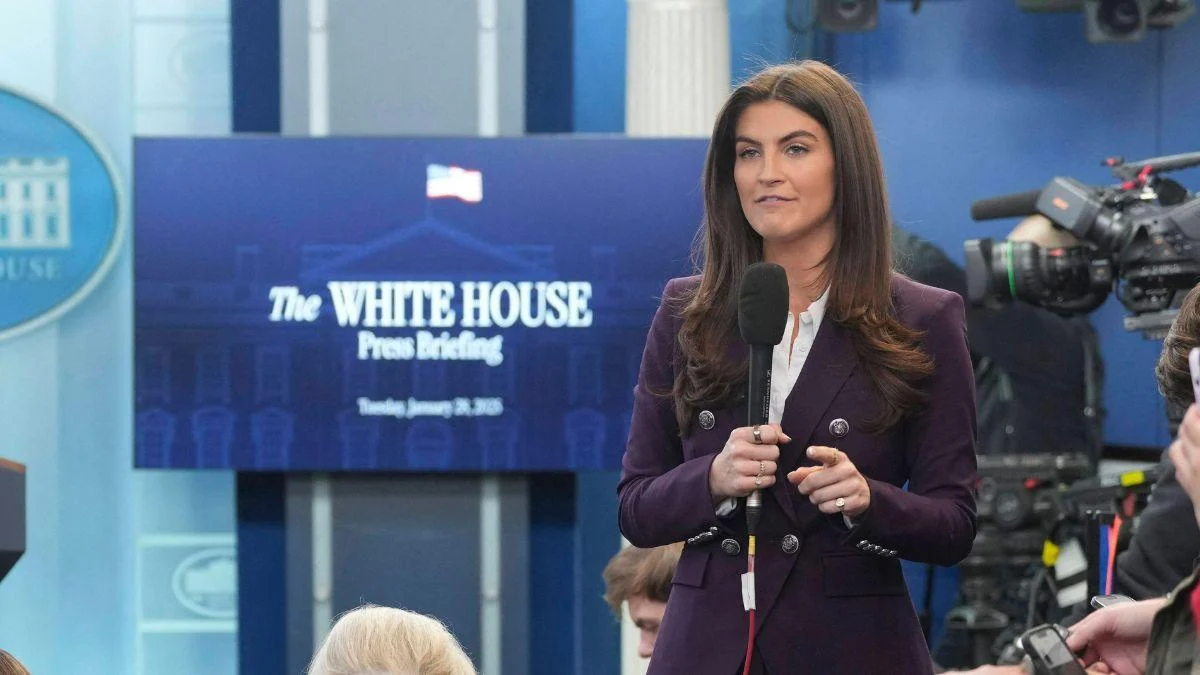
CNN chief White House correspondent Kaitlan Collins deftly transformed a personal attack from former President Donald Trump at the White House Correspondents’ Dinner (WHCD) into a profound First Amendment moment, choosing professional composure over a retaliatory response. The incident, which unfolded on July 24, 2026, saw Trump publicly denigrate Collins and her journalism award, prompting a measured yet powerful affirmation of press freedom from the acclaimed reporter.
The Storied Tradition of the White House Correspondents’ Dinner
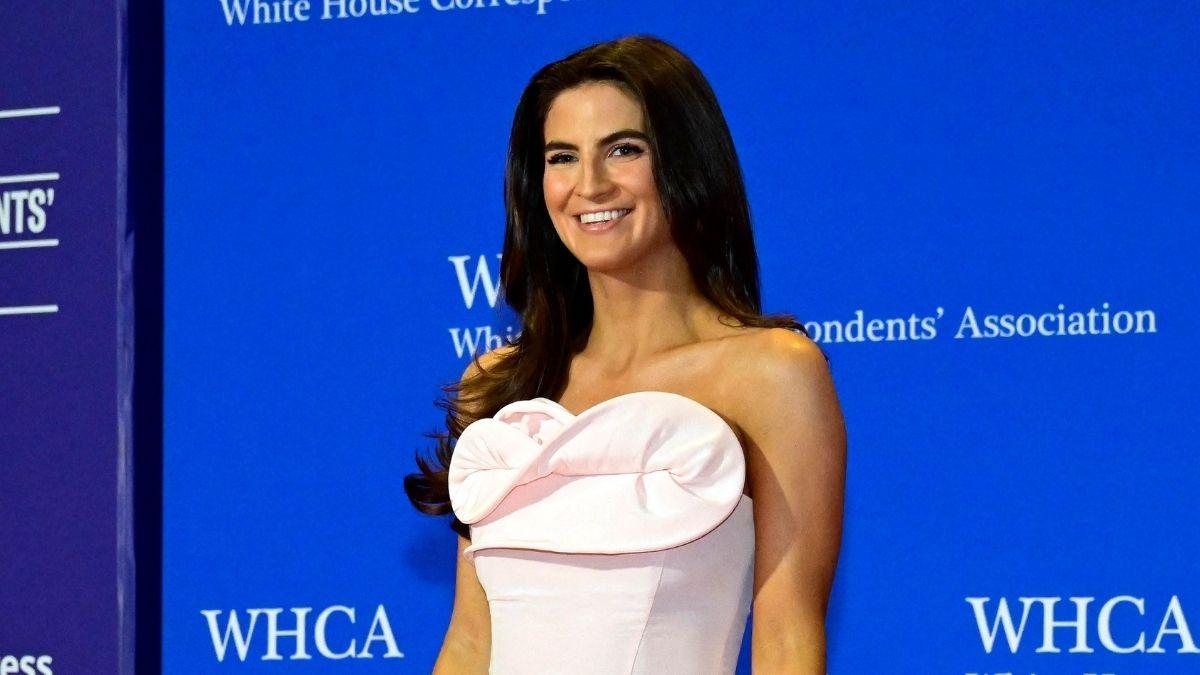
The White House Correspondents’ Dinner, an annual gathering of journalists, politicians, and celebrities, traditionally serves as a platform for celebrating the First Amendment and the crucial role of a free press in a democratic society. It is an occasion where the President, or in this case, a prominent political figure, typically delivers remarks that blend humor with a nod to the importance of journalism. However, under the Trump administration and beyond, the dinner has at times become a flashpoint for tensions between political figures and the media, reflecting a broader climate of skepticism and antagonism toward news organizations. This year’s dinner continued that trend, featuring a direct and pointed confrontation that quickly garnered widespread attention.
Donald Trump’s Public Provocation and Digital Escalation
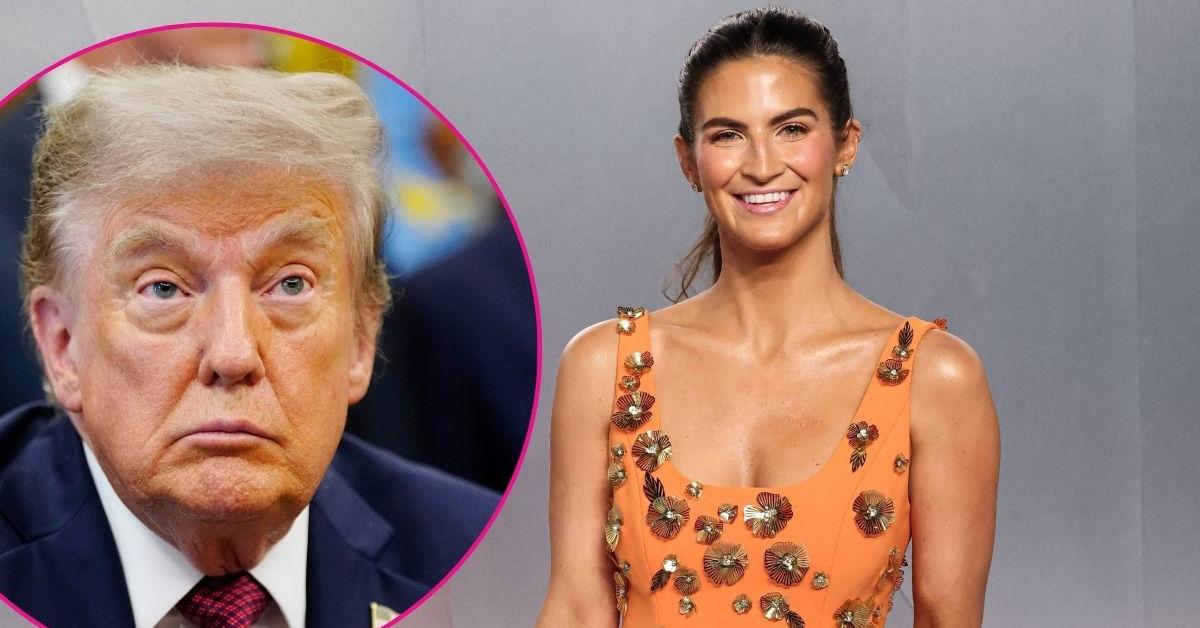
During his address at the WHCD, Donald Trump launched into an unprompted critique of Kaitlan Collins, who was present to receive the prestigious Award for Excellence in Presidential News Coverage Under Deadline Pressure. Trump dismissed her accolade as "fake" and condescendingly instructed her to "smile." The former president further escalated his remarks by making an unusual comparison between Collins and transgender activist Dylan Mulvaney, referencing Mulvaney’s controversial Bud Light sponsorship. The attack did not end there; Trump subsequently amplified his comments on social media, posting an AI-generated image depicting Collins’ face superimposed onto Mulvaney’s body, surrounded by Bud Light cans. This digital manipulation introduced a new dimension to political attacks, leveraging advanced technology to create misleading and derogatory content, raising concerns about the integrity of public discourse and the potential for misinformation.

Collins’ award recognized her exemplary reporting on Ukrainian President Volodymyr Zelensky’s Oval Office visit in 2025, a critical event demanding rapid, accurate, and incisive journalism. The recognition underscored her dedication to covering complex international relations and presidential diplomacy under intense pressure, embodying the very standards of journalistic excellence that the WHCD seeks to honor. Trump’s attempt to discredit this achievement underscored a persistent friction between his political brand and the mainstream media.
Kaitlan Collins’ Calculated Response: A Resounding First Amendment Moment
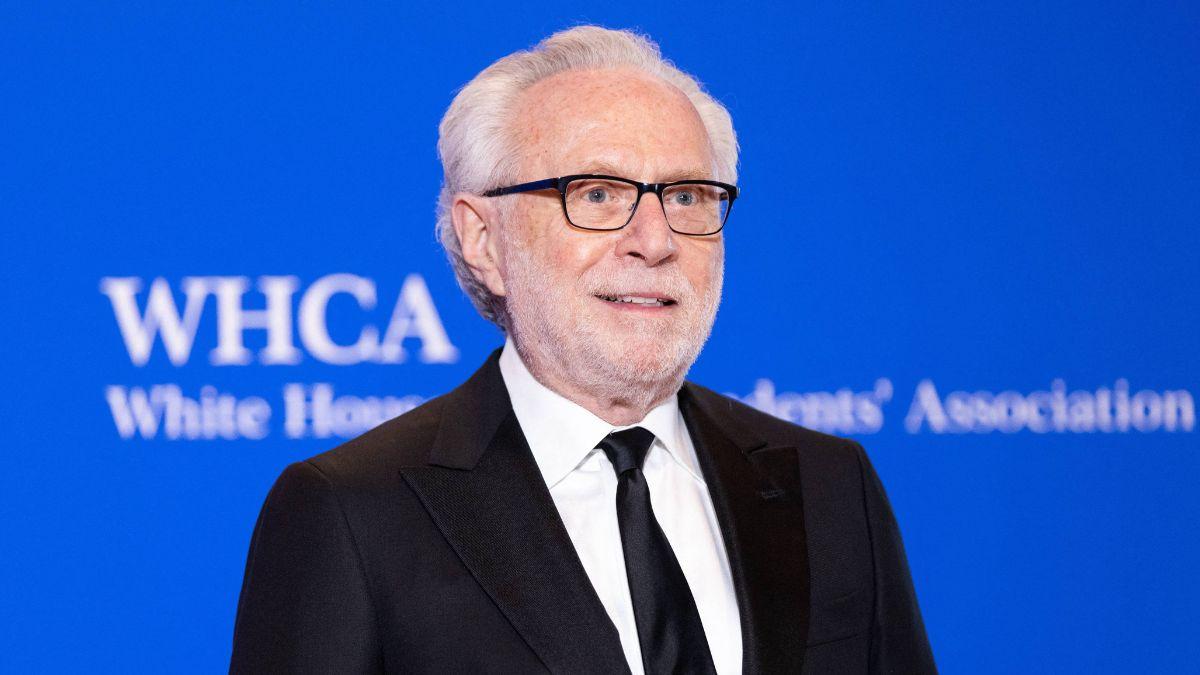
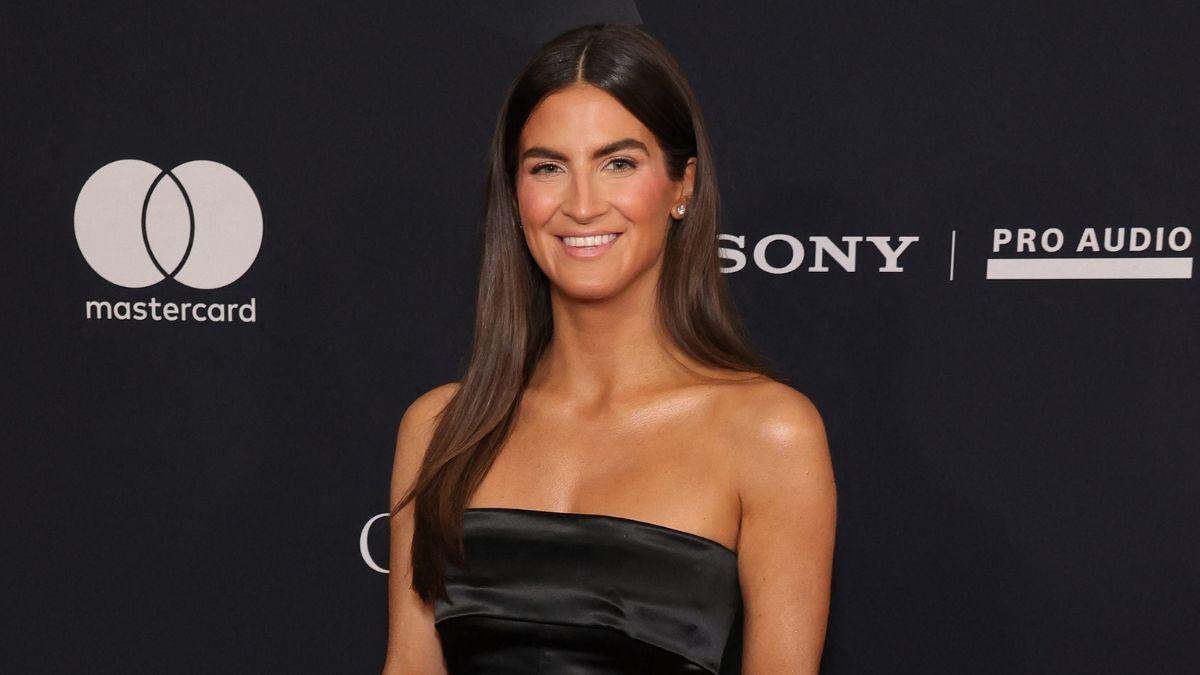
In the immediate aftermath of Trump’s remarks, Collins did not engage in a direct verbal exchange. Instead, she chose a more strategic and enduring form of communication. Her public response came via an Instagram post, where she shared a series of photographs from the evening. The lead image featured her alongside veteran journalist Wolf Blitzer, whom she lauded as a "friend and mentor," describing receiving her award from him as the "second best" part of her night.

The "first best," Collins unequivocally stated, "was reminding everyone why the First Amendment—and asking uncomfortable questions that people in power don’t like—matters." This declarative statement directly addressed the core issue underlying Trump’s attack: the fundamental role of a free press in holding powerful figures accountable. To further underscore her message, Collins included a powerful quote from former First Lady Eleanor Roosevelt: "No one can make you feel inferior without your consent." This strategic choice to invoke Roosevelt’s wisdom provided a historical and philosophical weight to her response, framing her experience within a broader narrative of resilience and intellectual independence. Her measured yet firm stance redefined the narrative, shifting the focus from personal insult back to the foundational principles of American democracy and press freedom.
Strategic Composure: Expert Analysis of Collins’ Media Approach
Public relations and media strategists swiftly analyzed Collins’ response, highlighting its effectiveness. Amore Philip, founder of Apples and Oranges Public Relations, observed that Collins became a central figure by responding with "composure instead of matching the temperature of the attack." Philip elaborated that in media spectacles, maintaining calm often allows one to "control the narrative, because poise reads as strength and reactivity reads as damage." This perspective suggests that Collins’ deliberate avoidance of a tit-for-tat exchange prevented Trump from dictating the terms of engagement and instead allowed her to redirect attention to her professional integrity and the values she represents. Philip concluded that it is often unnecessary to "answer every provocation," and that victory is rarely achieved by escalating a heated situation. A "single, measured response that puts the focus back on your work will almost always outperform a heated exchange," she asserted.
Christopher G. Lee, a partner at Foresight Strategic Advisors, echoed these sentiments, emphasizing that Collins’ response "worked because it wasn’t a clapback, it was a subject change." Lee pointed out a crucial aspect of media engagement: "The moment you name your detractor; you’ve agreed to be a character in their story instead of the subject of your own." By praising Wolf Blitzer and championing the First Amendment, Collins skillfully avoided becoming merely a reactive figure in Trump’s narrative. Her invocation of Eleanor Roosevelt’s "historical power" further elevated her message, lending it gravitas and timeless relevance. This strategic silence regarding Trump, coupled with a powerful affirmation of journalistic principles, proved to be an exceptionally potent communication tactic.
Broader Implications for Journalism and Political Discourse
This incident at the White House Correspondents’ Dinner carries significant implications for the landscape of journalism and political discourse. It highlights the persistent challenges faced by journalists who cover high-profile, often contentious, political figures. The ability of public figures to leverage their platforms to personally attack reporters, question their credibility, and even employ AI-generated imagery for derogatory purposes, underscores the evolving pressures on media professionals. Collins’ response serves as a case study in maintaining journalistic integrity and professional dignity in the face of such aggressive tactics. It reinforces the idea that the press’s ultimate defense against political attacks lies in its commitment to factual reporting, accountability, and the fundamental rights enshrined in the First Amendment.
The incident also reignites conversations about the weaponization of social media and advanced technology in political campaigns. The use of AI to create a demeaning image of a journalist marks a concerning precedent, blurring the lines between satire and targeted harassment, and raising urgent questions about digital ethics and the spread of manufactured content. As technology advances, journalists and the public must grapple with new forms of information manipulation designed to discredit and silence critical voices.
The Enduring Legacy of Press Freedom: Echoes of Eleanor Roosevelt
Eleanor Roosevelt’s quote, "No one can make you feel inferior without your consent," resonates deeply in this context. It speaks to an internal locus of control, a refusal to grant external detractors the power to diminish one’s self-worth or professional standing. For Collins, invoking this powerful statement was not just a personal affirmation but a symbolic stand for all journalists who face undue pressure and criticism. It reminds the public that while political figures may attempt to undermine the press, the value of independent journalism ultimately derives from its commitment to truth and public service, not from the approval of those it scrutinizes. This principle is vital in an era where trust in media is frequently challenged.
Beyond the Dinner: Collins’ Ongoing Platform
Lee characterized Collins’ response as a "single-use weapon," asserting that "one devastating blow was enough and she let it go." He explained that a "strong, pointed response in this context is a single-use weapon. There is no need for another shot because that particular missile landed on time and square on target." This analysis suggests that the power of her statement lay in its singularity and clarity, making further engagement unnecessary.
However, the ripple effects of such an event often extend beyond a single statement. Collins was subsequently booked for an appearance on The Daily Show with Jon Stewart on July 27, providing her with another significant platform to discuss the incident, the importance of her work, and the broader issues surrounding press freedom. This continued engagement underscores the lasting impact of her composed and principled stand, solidifying her role not just as a prominent journalist, but as a vocal advocate for the First Amendment in an increasingly polarized media environment. Her decision to use a moment of personal attack to champion fundamental journalistic principles has resonated widely, offering a model for how the press can navigate intense political scrutiny while upholding its vital democratic function.