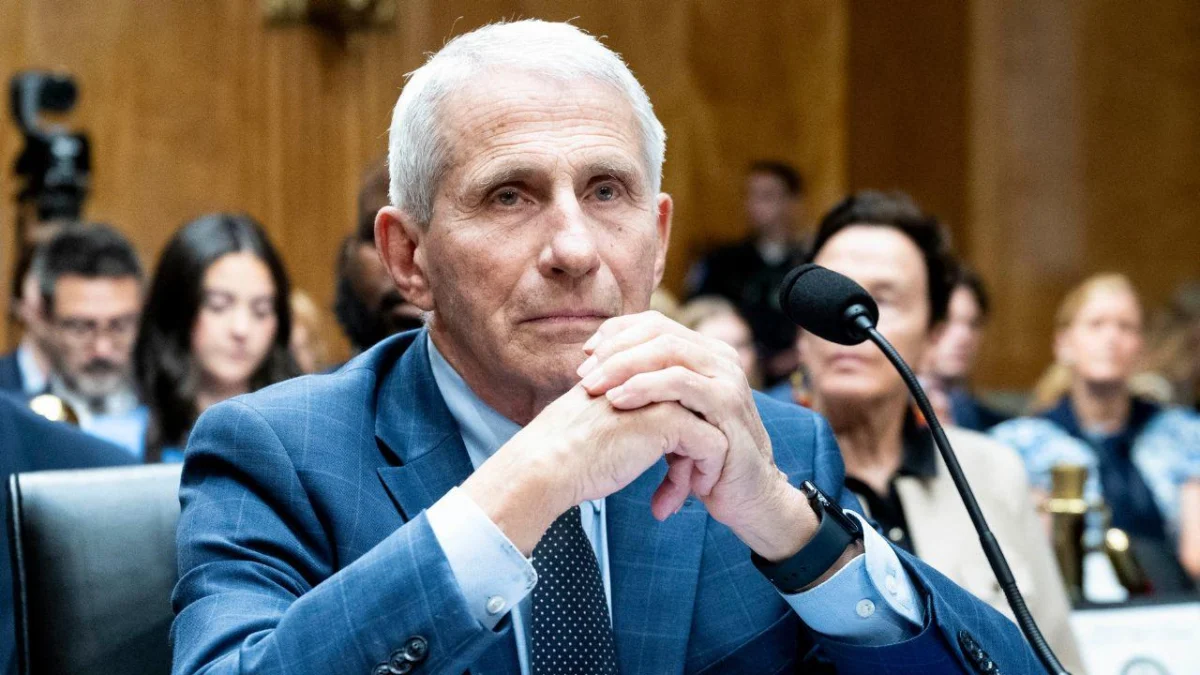
Dr. Anthony Fauci, the former chief medical advisor to the president, reportedly vented his frustrations in an expletive-laced rant on a Washington, D.C., street, mere hours after enduring an intense four-hour Senate grilling on Capitol Hill. The incident, observed late Wednesday, July 29, 2026, occurred as Fauci walked with his wife, Christine Grady, following a contentious congressional hearing focused on his handling of the COVID-19 pandemic and the virus’s origins.
Sources close to the matter recounted hearing the 85-year-old medical professional utter a curse word while complaining about someone "shouting at him." This spontaneous outburst offered a rare glimpse into the personal toll of the relentless public and political scrutiny Fauci has faced since the onset of the global health crisis. The reported comments underscore the immense pressure and emotional exhaustion that often accompany high-stakes congressional testimony.
Post-Hearing Outing Amidst Scrutiny
The evening stroll found Fauci in casual attire, sporting a Georgetown University "IronMed 5K" T-shirt and black shorts, contrasting sharply with the formal setting of his earlier Senate appearance. His wife, Christine Grady, a prominent bioethicist, walked beside him, dressed similarly in a coral shirt and shorts. This seemingly innocuous neighborhood walk quickly became a moment of unexpected candor, highlighting the immediate aftermath of a day filled with pointed questions and legal maneuvering.
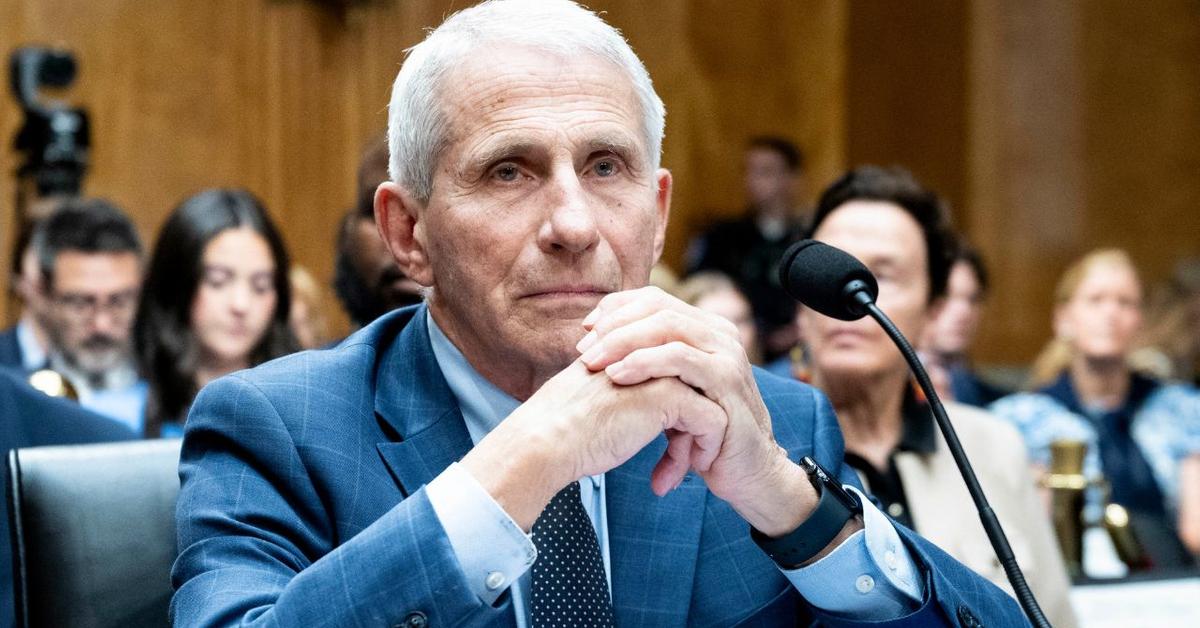
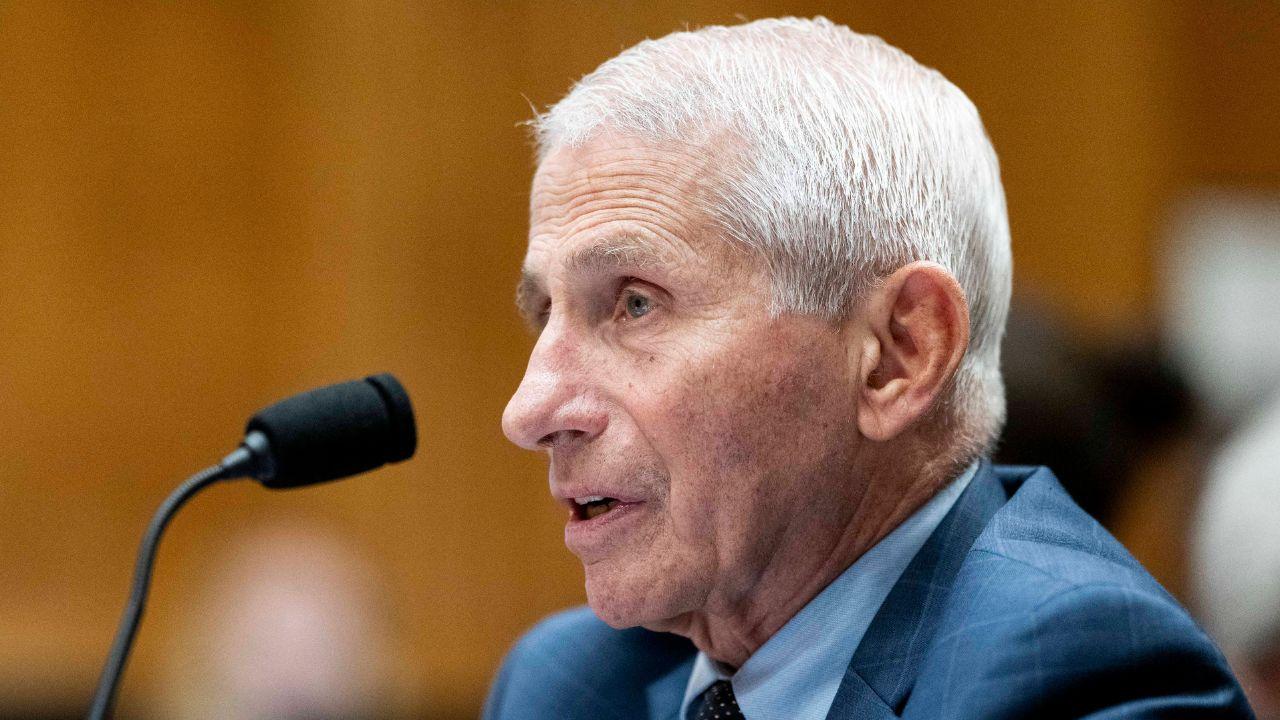
Fauci’s reported remarks came on the heels of a Republican-led Senate hearing where he repeatedly invoked his Fifth Amendment right against self-incrimination, refusing to answer more than 100 questions. This tactic, while constitutionally protected, fueled further controversy and intensified calls for accountability from lawmakers critical of his pandemic-era decisions. The hearing, orchestrated by Senator Rand Paul (R-Ky.), marked the latest chapter in a long-standing and often acrimonious public feud between the two men.
The Contentious Senate Grilling
The Senate committee hearing centered on Fauci’s leadership during the COVID-19 pandemic, particularly his role as director of the National Institute of Allergy and Infectious Diseases (NIAID) and his advice to both the Trump and Biden administrations. Lawmakers pressed Fauci on several critical issues, including the origins of the SARS-CoV-2 virus, the efficacy and implementation of various public health measures like mask mandates, and the federal government’s funding of gain-of-function research.
Senator Rand Paul, a vocal critic of Fauci’s throughout the pandemic, led the charge, accusing the veteran public health official of misleading Congress and the American public. Paul’s line of questioning was aggressive and unyielding, reflecting a broader Republican effort to scrutinize the federal government’s pandemic response and hold key figures accountable. Fauci, in turn, maintained his right to protect himself from potential legal ramifications, citing the advice of his counsel.
Invoking the Fifth Amendment: A Legal and Political Tactic
Fauci’s decision to invoke the Fifth Amendment more than 100 times was a significant development, underscoring the escalating legal and political stakes surrounding the pandemic’s aftermath. The Fifth Amendment protects individuals from being compelled to be a witness against themselves in a criminal case. While legal, its frequent use by a high-profile public servant like Fauci sends a powerful message, often interpreted by critics as an admission of culpability or an attempt to conceal information.
Fauci and his legal team argued that Paul’s questioning was designed to elicit statements that could expose him to legal consequences, regardless of their truthfulness. This defensive posture highlighted the precarious position Fauci found himself in, navigating not only congressional oversight but also potential civil or criminal liabilities. The strategy aimed to prevent prosecutors from using his testimony against him in any future legal proceedings.

Threats of Prosecution and Preemptive Pardons
Following the intense four-hour hearing, Senator Paul addressed reporters, escalating his rhetoric by stating that Fauci’s refusal to answer questions could lead to federal charges. Paul suggested that offenses such as contempt of Congress or obstructing a congressional proceeding were "very real" possibilities. These threats underscore the deep partisan divisions and the persistent demand from some lawmakers for a comprehensive accounting of the pandemic response.
However, the legal landscape surrounding Fauci’s testimony is further complicated by a reported preemptive pardon issued by then-President Joe Biden before his departure from office in 2025. Paul explicitly referenced this pardon, claiming it protected Fauci from potential prosecution related to the matters discussed in the hearing. The existence and scope of such a pardon would significantly impact any attempts to bring charges against Fauci, raising complex constitutional and legal questions about presidential clemency and congressional oversight.
Donald Trump’s Perspective on Fauci’s Testimony
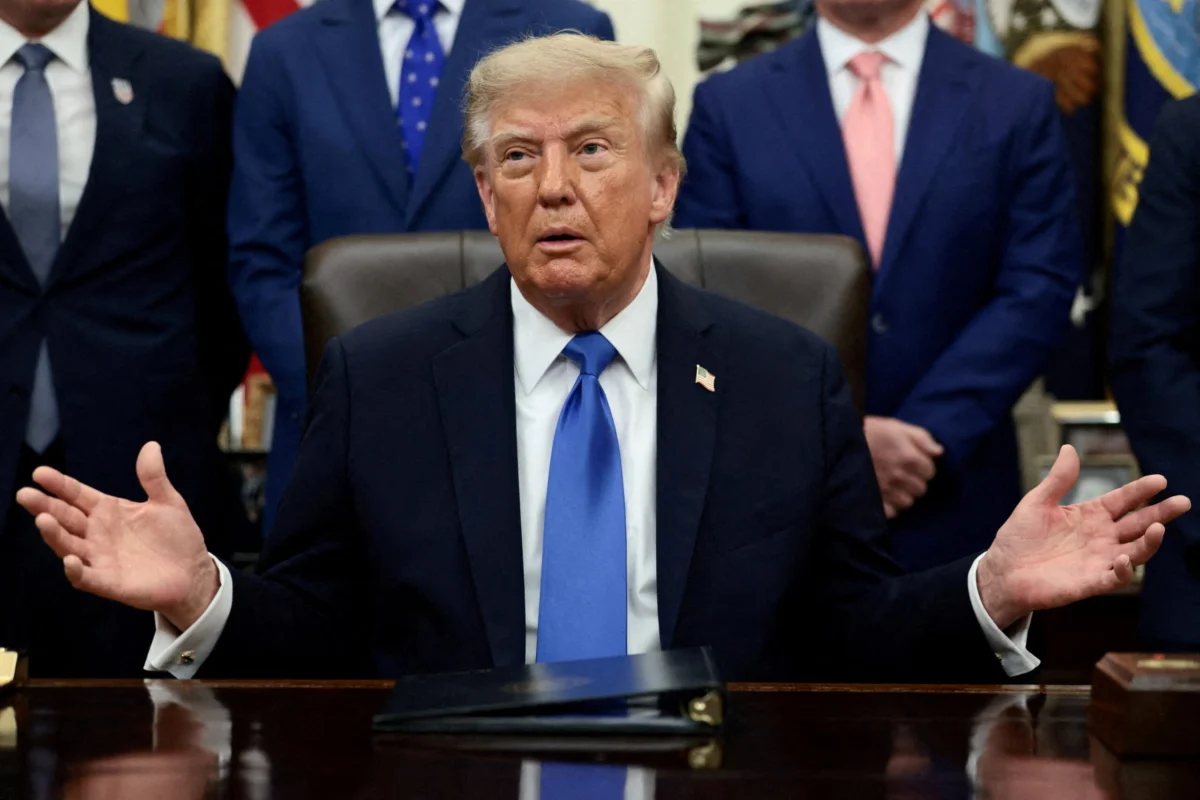
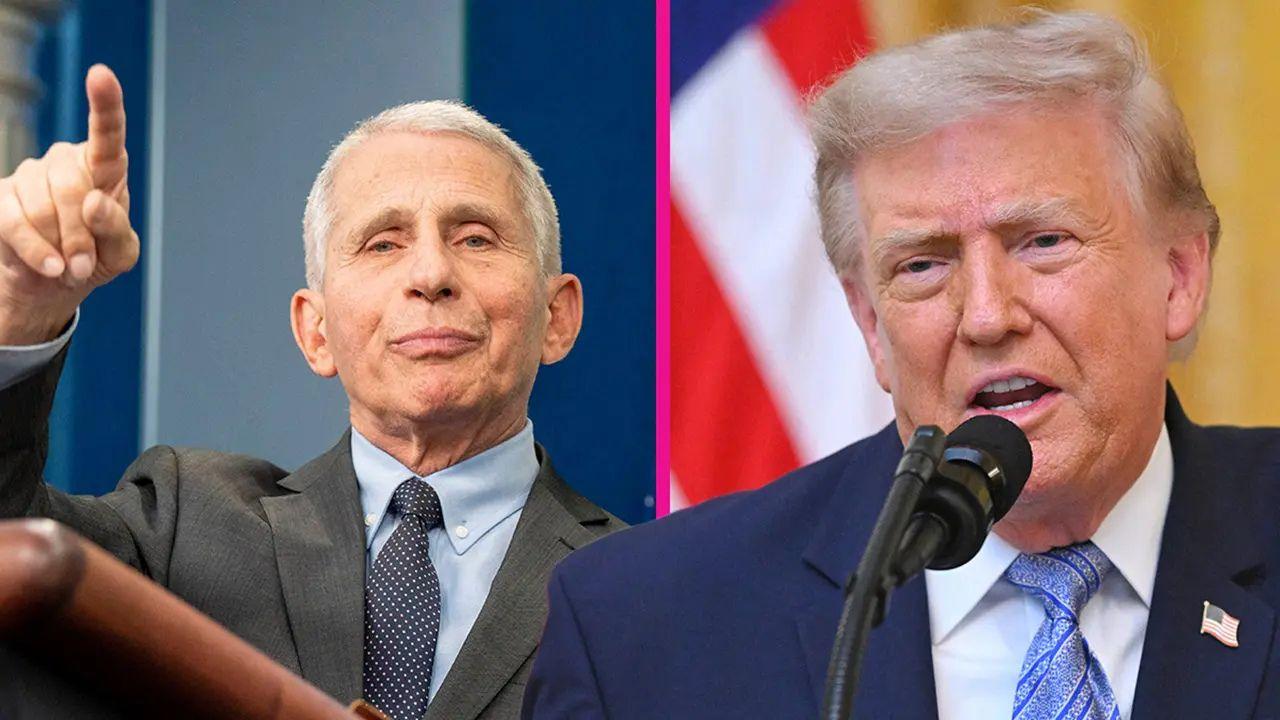
The congressional scrutiny of Dr. Fauci also drew commentary from former President Donald Trump, who awarded Fauci a Presidential Commendation on January 19, 2021, at the conclusion of his term. Reacting to the news of Fauci’s Fifth Amendment invocations, Trump, 80, offered his assessment to reporters.
"Well look, I’ve never been a big fan of Fauci," Trump stated, despite their working relationship during the initial phase of the pandemic. He continued, "Why he did that was very simple – his lawyer told him to. I don’t know if he would’ve been better off not doing it. There were a lot of questions I guess he could’ve answered, and some maybe he didn’t feel comfortable in answering. But [his] lawyer told him to do that." Trump’s remarks highlight the enduring political polarization surrounding Fauci and his actions, even years after the most acute phase of the pandemic.
Fauci’s Enduring Legacy and Public Health Implications
Dr. Anthony Fauci retired from his long-held position as head of the National Institute of Allergy and Infectious Diseases (NIAID) in December 2022, concluding 38 years of distinguished public service that spanned multiple presidential administrations and significant public health crises, including HIV/AIDS, Ebola, and Zika. During the COVID-19 pandemic, he became the most visible and often controversial face of the scientific and public health response in the United States.
His career has been marked by both widespread praise for his dedication to science and public health and intense criticism from those who disagreed with the government’s pandemic policies. The ongoing congressional hearings and the legal threats against him represent a continuation of this polarized debate, impacting public trust in scientific institutions and government experts. The implications extend beyond Fauci himself, potentially shaping how future public health emergencies are managed and how scientific advice is communicated to the public.
These repeated congressional confrontations and the public’s perception of Fauci’s testimony could influence the appetite for future scientific leadership to engage in highly politicized public health crises. As investigations into the pandemic’s origins and the government’s response continue, the saga surrounding Dr. Anthony Fauci remains a potent symbol of the deep divisions and unresolved questions that linger from one of the most challenging periods in modern history. The casual outburst on a D.C. street underscores the profound personal toll of this relentless public and political battle.